
 EN
EN
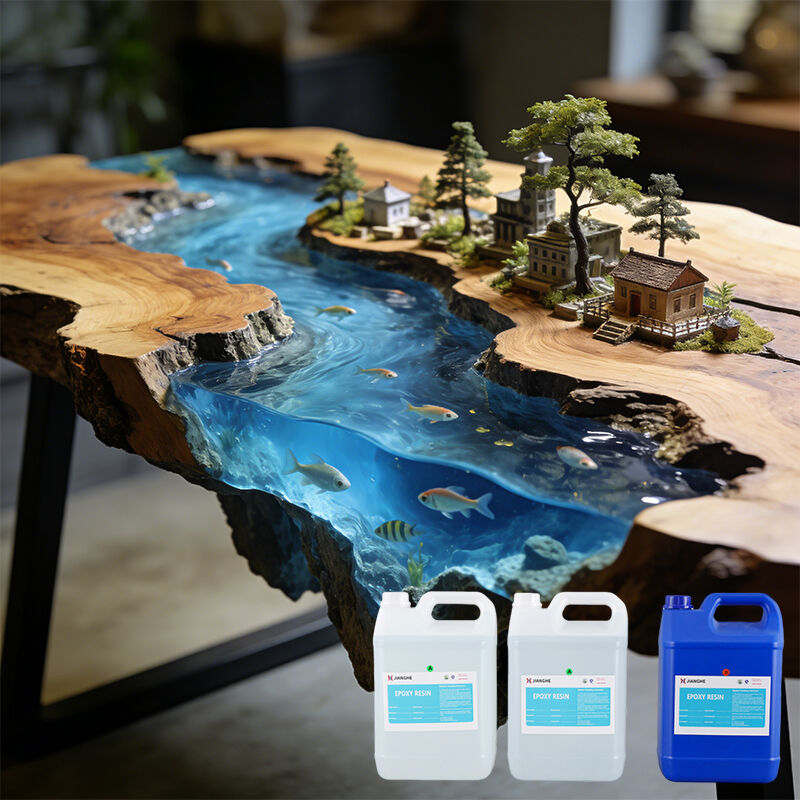
The custom furniture industry is experiencing a remarkable transformation as river table epoxy applications continue to evolve with innovative design approaches and advanced resin technologies. This revolutionary woodworking technique, which involves filling natural wood cracks and voids with transparent or colored epoxy resin, has captured the imagination of furniture makers and interior designers worldwide, creating stunning pieces that celebrate the natural beauty of wood while incorporating modern materials.
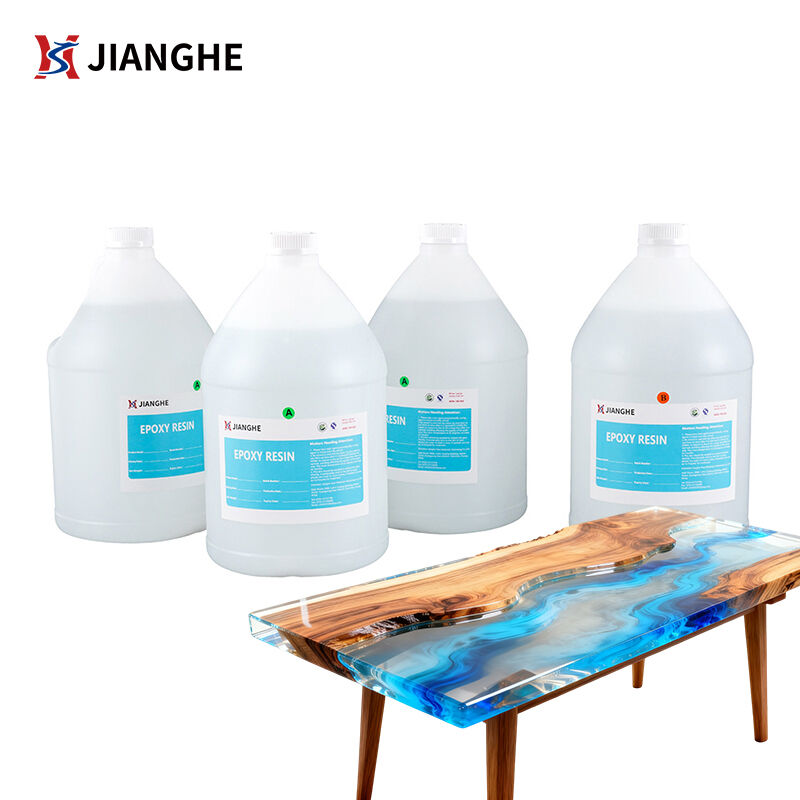
Several key trends are driving the widespread adoption of river table epoxy in contemporary furniture design, from sustainable material usage to technological advancements in resin formulations. These developments are reshaping how craftsmen approach custom furniture creation, enabling new aesthetic possibilities while addressing practical challenges related to durability, application techniques, and environmental considerations that influence both professional workshops and DIY enthusiasts.
Technology-Driven Innovations in River Table Epoxy Formulations
Enhanced Deep Pour Capabilities
Modern river table epoxy formulations have evolved significantly to accommodate deeper pours without compromising curing quality or creating excessive heat buildup. Professional-grade resins now allow craftsmen to pour depths exceeding two inches in single applications, dramatically reducing the need for multiple thin layers that previously characterized river table construction. This advancement streamlines the manufacturing process while ensuring consistent optical clarity throughout the entire epoxy volume.
The development of slower-curing epoxy systems has enabled furniture makers to work with larger projects confidently, knowing that the resin will cure evenly without developing internal stress points or surface imperfections. These technological improvements have made river table epoxy more accessible to artisans who previously avoided deep pour applications due to technical complexity or material limitations.
UV-Resistant and Color-Stable Formulations
Contemporary river table epoxy products incorporate advanced UV stabilizers and anti-yellowing agents that maintain optical clarity and color integrity over extended periods of exposure to natural and artificial lighting. This represents a significant improvement over earlier epoxy generations that often developed amber tints or surface cloudiness when exposed to ultraviolet radiation, particularly in furniture pieces positioned near windows or under intense lighting conditions.
The integration of high-performance additives has expanded the application scope for river table epoxy beyond indoor furniture to include outdoor installations, patio tables, and garden furniture where weather resistance becomes critical. These formulations maintain their aesthetic appeal while providing long-term durability that justifies the investment in custom furniture pieces designed for both residential and commercial environments.
Sustainable and Eco-Conscious Design Approaches
Reclaimed Wood Integration
The growing emphasis on environmental sustainability has driven a significant trend toward incorporating reclaimed wood materials in river table epoxy furniture projects. Craftsmen increasingly source wood from demolished buildings, old barns, shipping pallets, and urban tree removals, breathing new life into materials that would otherwise contribute to waste streams. This approach not only reduces environmental impact but also provides unique character and history to each furniture piece.
Reclaimed wood often presents natural defects, splits, and weathered characteristics that create ideal opportunities for river table epoxy applications. The contrast between aged wood patina and crystal-clear resin produces striking visual effects that cannot be replicated with new lumber, making each piece truly one-of-a-kind while supporting sustainable manufacturing practices that resonate with environmentally conscious consumers.
This trend has encouraged furniture makers to develop expertise in wood preparation, defect assessment, and creative design integration that maximizes the visual impact of combining reclaimed materials with modern river table epoxy techniques. The result is furniture that tells a story while demonstrating responsible resource utilization.
Bio-Based and Low-VOC Epoxy Options
Environmental health considerations have prompted manufacturers to develop river table epoxy formulations with reduced volatile organic compound emissions and increased bio-based content derived from renewable resources. These products address concerns about indoor air quality and occupational exposure during the furniture manufacturing process, making river table epoxy more suitable for home workshops and enclosed commercial facilities.
The availability of low-odor, low-emission river table epoxy has expanded the market to include hobbyists and small-scale artisans who previously avoided epoxy work due to ventilation requirements or health concerns. This democratization of access has contributed to increased innovation and creativity in custom furniture design as more makers experiment with river table techniques.
Aesthetic Evolution and Design Versatility
Color Integration and Artistic Expression
Contemporary river table epoxy applications have moved far beyond clear resin fills to embrace sophisticated color integration techniques that transform functional furniture into artistic statements. Craftsmen now incorporate pigments, dyes, metallic powders, and specialized additives to create gradient effects, swirling patterns, and embedded visual elements that complement the natural wood grain while adding contemporary flair to traditional woodworking.
The trend toward colored river table epoxy has opened new possibilities for matching furniture pieces to specific interior design schemes, corporate branding requirements, or personal aesthetic preferences. This customization capability has proven particularly valuable in commercial applications where furniture must align with established visual identities or architectural elements.
Advanced mixing techniques allow furniture makers to create complex color transitions, simulate natural phenomena like flowing water or geological formations, and incorporate materials such as glass fragments, shells, or mineral specimens that enhance the visual depth and texture of the finished surface.
Multi-Functional Design Integration
Modern river table epoxy applications increasingly incorporate functional elements beyond aesthetic enhancement, including integrated lighting systems, wireless charging zones, and temperature-resistant surfaces for kitchen and dining applications. LED strips embedded within the epoxy create dramatic lighting effects that highlight the wood grain while providing practical illumination for work or dining surfaces.
The development of specialized river table epoxy formulations with enhanced thermal resistance has enabled their use in kitchen islands, bar tops, and outdoor cooking areas where exposure to heat and temperature fluctuations was previously problematic. This expansion of application possibilities has increased demand for custom furniture pieces that combine natural wood beauty with modern functionality.
Market Demand and Consumer Preferences
Customization and Personalization Trends
The contemporary furniture market reflects a strong consumer preference for personalized, unique pieces that reflect individual taste and lifestyle requirements rather than mass-produced alternatives. River table epoxy perfectly aligns with this trend by enabling infinite customization possibilities through wood selection, resin colors, embedded objects, and dimensional variations that create truly bespoke furniture pieces.
Social media platforms have amplified interest in custom river table epoxy furniture by showcasing dramatic before-and-after transformations and highlighting the craftsmanship involved in creating these pieces. This visibility has educated consumers about the possibilities while creating demand for furniture that serves as conversation pieces and artistic focal points within interior spaces.
The ability to incorporate personal elements such as meaningful objects, family heirlooms, or symbolic materials within the river table epoxy matrix has created emotional connections between consumers and their furniture that extend far beyond functional utility, justifying premium pricing and custom order timelines.
Commercial and Hospitality Applications
The hospitality industry has embraced river table epoxy furniture for its ability to create memorable visual experiences while providing durable surfaces capable of withstanding heavy commercial use. Hotels, restaurants, and corporate offices increasingly specify custom river table pieces that reinforce brand identity while delivering practical performance in high-traffic environments.
Commercial applications have driven demand for larger-scale river table epoxy projects, including conference tables, reception desks, and architectural elements that require advanced planning and specialized application techniques. These projects often incorporate company logos, regional materials, or thematic elements that connect the furniture to its intended environment and purpose.
Manufacturing and Process Innovations
Precision Tooling and Digital Design Integration
Computer numerical control machining and digital design software have revolutionized river table epoxy furniture production by enabling precise wood preparation, accurate resin volume calculations, and repeatable results across multiple pieces. These technological tools allow furniture makers to experiment with complex geometries and intricate patterns that would be difficult or impossible to achieve through traditional hand methods.
Three-dimensional modeling software helps craftsmen visualize river table epoxy projects before beginning construction, reducing material waste and improving project timelines by identifying potential issues during the design phase. This capability has proven particularly valuable for commercial projects where precise specifications and delivery schedules are critical to success.
Digital documentation of successful river table epoxy techniques has facilitated knowledge sharing within the woodworking community, accelerating innovation and improving quality standards across the industry as best practices become more widely adopted and refined.
Quality Control and Testing Protocols
Professional furniture makers increasingly implement systematic testing protocols for river table epoxy projects, including adhesion testing, cure monitoring, and stress analysis that ensure long-term performance and customer satisfaction. These quality assurance measures have become essential as custom furniture prices reflect the premium nature of these specialized pieces.
Environmental testing protocols now evaluate river table epoxy furniture performance under various temperature, humidity, and UV exposure conditions that simulate real-world service environments. This comprehensive approach to quality validation has increased consumer confidence while reducing warranty claims and reputation risks for furniture makers.
FAQ
What makes modern river table epoxy different from traditional wood fillers?
Modern river table epoxy offers superior optical clarity, deeper pour capabilities, and enhanced durability compared to traditional wood fillers. These advanced formulations cure without bubbles or discoloration, maintain their appearance over time, and can be polished to a glass-like finish that complements the natural wood grain while providing structural reinforcement to damaged or split wood sections.
How do environmental considerations influence river table epoxy selection?
Environmental considerations drive the development of low-VOC, bio-based river table epoxy formulations that reduce indoor air quality impacts and occupational exposure risks. Additionally, the trend toward using reclaimed wood materials with river table epoxy supports sustainable manufacturing practices by giving new life to materials that would otherwise be discarded, creating furniture with both environmental and aesthetic benefits.
What factors determine the cost of custom river table epoxy furniture?
The cost of custom river table epoxy furniture depends on wood species selection, project size and complexity, epoxy volume requirements, color and additive specifications, and the level of craftsmanship involved. Premium hardwoods, specialized resin formulations, intricate color patterns, and integrated functional elements like lighting systems increase project costs, while simpler designs using common materials remain more accessible to budget-conscious consumers.
How long does river table epoxy furniture last with proper care?
High-quality river table epoxy furniture can last for decades with proper care and maintenance, particularly when constructed using UV-resistant formulations and appropriate surface protection. Regular cleaning with appropriate products, avoiding extreme temperature exposure, and periodic refinishing of high-wear areas ensure that river table epoxy furniture maintains its appearance and functionality throughout its service life, making it a worthwhile investment for both residential and commercial applications.