
 EN
EN
The custom furniture industry has undergone a remarkable transformation over the past decade, and at the center of this evolution is the widespread adoption of river table epoxy. What was once a niche craft technique practiced by a small community of woodworkers has evolved into a dominant aesthetic movement embraced by interior designers, furniture studios, and high-end residential clients alike. Understanding the trends driving this shift is essential for anyone involved in the design, production, or sourcing of contemporary custom furniture pieces.
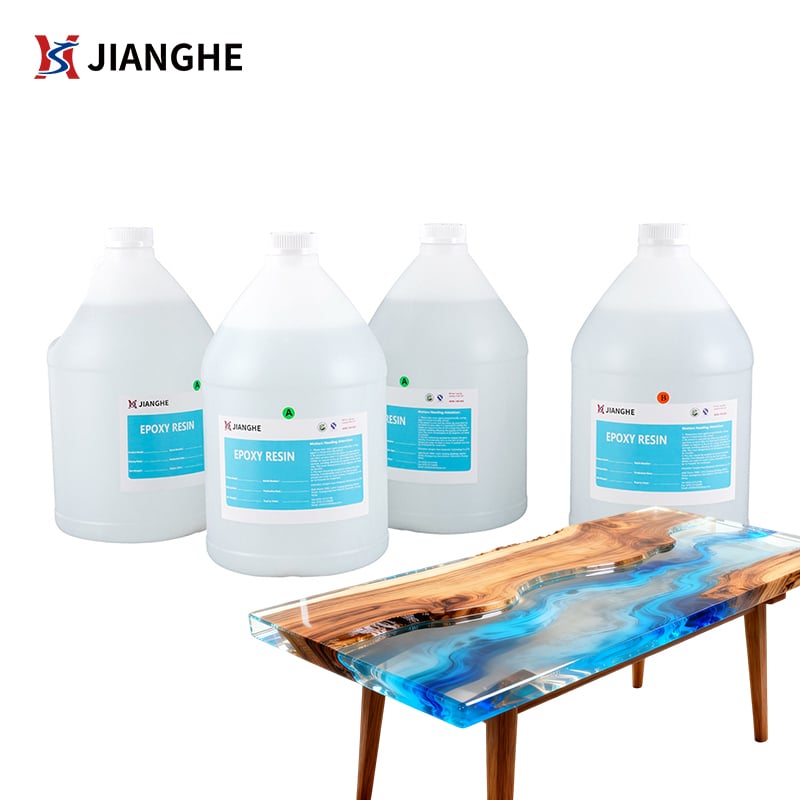
River table epoxy has moved well beyond its original application as a simple gap filler between live-edge wood slabs. Today, it functions as a primary design element in its own right, offering craftsmen and designers a versatile medium for color, texture, depth, and light interplay. The trends shaping its use reflect broader shifts in consumer preferences, material innovation, environmental awareness, and digital customization culture. This article explores each of these forces in detail to give furniture makers and buyers a clear picture of where the market is heading.
The Rise of Expressive Aesthetics in Custom Furniture
Color and Pigment Innovation in River Table Epoxy
One of the most visible trends reshaping how river table epoxy is used in custom furniture is the explosion of color possibilities. Early river tables almost exclusively featured clear or lightly tinted epoxy meant to simulate the look of flowing water. Today, designers are pushing boundaries with deep jewel tones, metallic pigments, fluorescent effects, and even UV-reactive compounds that change appearance under different lighting conditions.
This shift toward expressive color use has been driven partly by social media platforms where bold, photogenic furniture pieces perform extremely well. A dining table with a vivid cobalt or emerald river table epoxy channel commands attention online, translating directly into commissions and sales for furniture makers. The demand for visually dramatic pieces has encouraged resin manufacturers to develop a wider range of pigment systems that are compatible with deep-pour formulations.
Metallic powder pigments have become especially popular, as they create depth and movement within the cured river table epoxy that appears almost three-dimensional. When light strikes a metallic resin pour from different angles, the visual effect shifts and shimmers, making each piece feel truly unique. This optical dynamism is something that no paint, stain, or laminate can replicate, which is a key reason why river table epoxy has maintained its premium positioning in the custom furniture market.
Layered Pours and Three-Dimensional Design
Another major aesthetic trend is the use of layered pouring techniques to create three-dimensional depth effects within river table epoxy sections. Rather than filling a void with a single homogeneous pour, skilled artisans now work in multiple stages, embedding objects, creating color gradients, or trapping air bubbles intentionally to mimic natural formations like ice, geodes, or ocean floors.
This layered approach requires deep-pour formulations that cure slowly and generate minimal heat, preventing the thermal cracking and yellowing that can occur with inferior products. The best results come from using a river table epoxy specifically engineered for thick applications, where each pour can reach depths of two inches or more without compromising clarity or structural integrity.
The trend toward layered depth effects reflects a broader consumer desire for furniture that functions as a conversation piece and an art object simultaneously. Buyers are no longer satisfied with surfaces that simply look good; they want pieces with visual complexity that rewards closer inspection. River table epoxy is uniquely suited to deliver this experience in ways that other furniture materials cannot.
Sustainability and Material Sourcing Trends
Live-Edge Wood and Reclaimed Timber Pairing
The pairing of river table epoxy with live-edge slabs and reclaimed timber has become one of the defining aesthetics of sustainable luxury furniture. Consumers who prioritize environmental responsibility are increasingly drawn to pieces that celebrate the natural character of wood rather than hiding it beneath veneers or engineered surfaces. Live-edge slabs, with their organic contours and unique grain patterns, are a natural partner for river table epoxy because the resin can flow into and enhance the natural imperfections of the wood.
Reclaimed timber sourcing adds another layer of sustainability appeal. Using wood salvaged from demolished buildings, old barns, or storm-fallen trees gives the furniture a provenance story that resonates strongly with environmentally conscious buyers. When river table epoxy is used to restore or highlight the natural character of reclaimed wood rather than covering it up, the result is a piece with authentic character and a traceable history.
Furniture studios that position themselves around sustainable sourcing have found that using high-quality river table epoxy reinforces rather than contradicts their environmental messaging, especially when the resin itself is low-VOC, BPA-free, and formulated to minimize waste. The alignment between sustainable wood sourcing and responsible resin selection is becoming a key differentiator in the premium custom furniture segment.
Bio-Based and Low-VOC Resin Formulations
Material science is playing an increasingly important role in shaping how river table epoxy is perceived and selected by furniture makers. There is growing pressure from both consumers and regulatory bodies to reduce the environmental footprint of epoxy resin systems used in interior furnishings. In response, resin manufacturers have been developing formulations that incorporate bio-based components, reduce volatile organic compound emissions, and improve the overall safety profile of the cured product.
Low-VOC river table epoxy formulations are particularly relevant for furniture destined for residential interiors, where indoor air quality is a genuine concern. Furniture studios that can certify the safety and low-emission characteristics of their resin systems have a significant advantage when targeting health-conscious consumers or clients seeking LEED-compliant interiors.
This trend toward responsible formulation does not come at the expense of performance. Modern low-VOC river table epoxy products can still achieve the exceptional clarity, UV stability, and mechanical strength required for high-end furniture applications. The convergence of performance and responsibility is one of the most important developments in the river table epoxy market today.
Digital Customization and On-Demand Production
Visualization Tools and Client Co-Creation
Digital technology is transforming how river table epoxy furniture is designed, sold, and manufactured. The availability of 3D visualization software, augmented reality tools, and online configuration platforms has made it possible for clients to participate directly in the design process before a single board is cut or a drop of resin is poured. Furniture studios can now present photorealistic renders showing how different wood species, epoxy colors, table dimensions, and base styles will look in the client's actual room.
This co-creation model has dramatically reduced the uncertainty that historically made high-ticket custom furniture purchases risky for buyers. When a client can see how a specific shade of river table epoxy will complement their existing interior, they are far more likely to commit to a premium piece. Digital visualization tools have therefore become a direct driver of conversion rates and order values for studios working in this space.
The data generated from client configuration sessions also provides valuable insight into which color combinations, wood species, and table formats are most popular. Furniture makers who leverage this data can streamline their material procurement, reduce waste, and position their product offerings more effectively in their target market.
Small-Batch and Studio-Scale Production Models
The custom furniture market enabled by river table epoxy is fundamentally a small-batch, studio-scale industry. Unlike mass-produced furniture, river table pieces cannot be standardized because the raw material — live-edge wood — is inherently variable. This variability is actually a selling point, and it has helped sustain a vibrant community of independent furniture makers who can compete effectively against larger manufacturers on the basis of craftsmanship and uniqueness.
Social commerce platforms have made it easier than ever for small studios to reach affluent buyers directly, bypassing traditional retail channels. A skilled craftsperson with strong photography skills and a well-curated online presence can build a significant custom order business using river table epoxy as the signature design element. This democratization of the luxury furniture market is one of the most consequential trends shaping the industry today.
For small studios to remain competitive, access to professional-grade river table epoxy that delivers consistent, predictable results is non-negotiable. Inconsistent resin performance — whether in terms of clarity, cure time, or bubble release — directly affects the reputation of the maker. This is why sourcing from established, technically reliable resin suppliers has become a critical business decision rather than simply a procurement formality.
Technical Advancements Driving New Applications
Deep-Pour Capabilities and Reduced Heat Generation
One of the most significant technical trends in river table epoxy is the development of crystal-clear, deep-pour formulations capable of curing in thick sections without generating destructive exothermic heat. Early epoxy systems were limited to shallow pours of half an inch or less before the heat generated during curing would cause cracking, yellowing, or distortion. Modern deep-pour systems have overcome this limitation through advances in resin chemistry that extend the cure cycle and distribute heat more evenly.
A professional-grade river table epoxy formulated for deep casting enables furniture makers to complete complex pours in fewer stages, reducing production time and minimizing the risk of inter-layer adhesion failures. This technical advancement has opened up new design possibilities that were simply not achievable five years ago, including massive single-pour coffee tables, thick waterfall edge panels, and large-format resin art installations embedded into furniture surfaces.
The ability to pour deeply without sacrificing clarity has also influenced how designers think about the relationship between wood and resin. When river table epoxy can be cast at two inches or more in a single pour, the resin itself becomes a structural element rather than merely a cosmetic fill. This structural confidence has encouraged bolder design concepts and larger-scale commissions from commercial clients including hotels, restaurants, and corporate offices.
UV Stability and Long-Term Performance
Longevity is an increasingly important consideration in the selection of river table epoxy for custom furniture. Yellowing of epoxy over time has historically been one of the most common complaints from both makers and end users. UV exposure from sunlight or artificial lighting causes the resin's molecular structure to degrade, resulting in a yellowed, cloudy appearance that undermines the aesthetic value of the piece and reflects poorly on the craftsperson who made it.
Advances in UV-stabilizer technology have significantly improved the long-term color stability of high-quality river table epoxy formulations. Leading products now incorporate HALS (hindered amine light stabilizers) and UV absorbers that protect the cured resin from photodegradation for years under normal indoor lighting conditions. This improvement in long-term performance is not just a technical detail; it is a key selling point for furniture studios targeting the premium residential and hospitality markets where pieces are expected to remain beautiful for decades.
Furniture makers who can demonstrate the UV stability of their chosen river table epoxy through sample panels and independent testing data are better positioned to justify premium pricing and build client trust. As the market matures and consumers become more informed, the technical performance of the resin system will increasingly influence purchasing decisions at every level of the supply chain.
FAQ
What makes deep-pour river table epoxy different from standard epoxy resin?
Deep-pour river table epoxy is specifically formulated to cure in thick sections — typically one to two inches or more per pour — without generating the excessive heat that causes cracking, yellowing, or distortion. Standard epoxy resin cures faster and generates more heat, making it suitable only for thin coatings or shallow fills. For river table applications where thick, clear fills are required, a deep-pour formulation designed specifically for river table epoxy applications is essential for achieving professional results.
How does UV stability affect the appearance of river table epoxy furniture over time?
UV stability determines how well river table epoxy resists yellowing and cloudiness caused by exposure to sunlight or artificial UV-emitting light sources. Formulations without adequate UV protection will begin to yellow within months of installation, diminishing the aesthetic value of the piece. High-quality river table epoxy products incorporate UV stabilizers that protect the cured resin from photodegradation, helping the piece retain its clarity and color for many years under normal indoor conditions.
Can river table epoxy be used with reclaimed or heavily figured wood?
Yes, river table epoxy is highly compatible with reclaimed timber, heavily figured wood, and live-edge slabs. In fact, the natural imperfections, voids, and character marks found in reclaimed and figured wood are precisely what makes river table epoxy such an effective design partner. The resin flows into cracks, knotholes, and irregular surfaces, creating a seamless fill that enhances the wood's natural beauty. Proper surface preparation and sealing of porous wood surfaces before the main pour is recommended to prevent air bubbles from migrating into the curing resin.
What trends are most likely to influence river table epoxy design in the near future?
Several converging trends are expected to shape the future use of river table epoxy in custom furniture. Bio-based and low-VOC resin formulations will gain greater market share as environmental regulations tighten and consumer preferences shift toward sustainable materials. Digital co-creation tools will make custom river table epoxy furniture more accessible to a broader consumer base. Advances in pigment technology will enable increasingly sophisticated color and texture effects. And the growing influence of biophilic design principles — which emphasize the integration of natural materials and organic forms into built environments — will continue to drive demand for the live-edge wood and river table epoxy aesthetic that has already reshaped the custom furniture market.
Table of Contents
- The Rise of Expressive Aesthetics in Custom Furniture
- Sustainability and Material Sourcing Trends
- Digital Customization and On-Demand Production
- Technical Advancements Driving New Applications
-
FAQ
- What makes deep-pour river table epoxy different from standard epoxy resin?
- How does UV stability affect the appearance of river table epoxy furniture over time?
- Can river table epoxy be used with reclaimed or heavily figured wood?
- What trends are most likely to influence river table epoxy design in the near future?