Premium Tin Cured Silicone for Mold Making - Professional Grade Molding Solutions

All Categories

Get a Tailored Solution

Provide your details below, and our material experts will contact you with a competitive quote and technical support within 24 hours.
Email
Name
Company Name
Message
0/1000

tin cured silicone for mold making

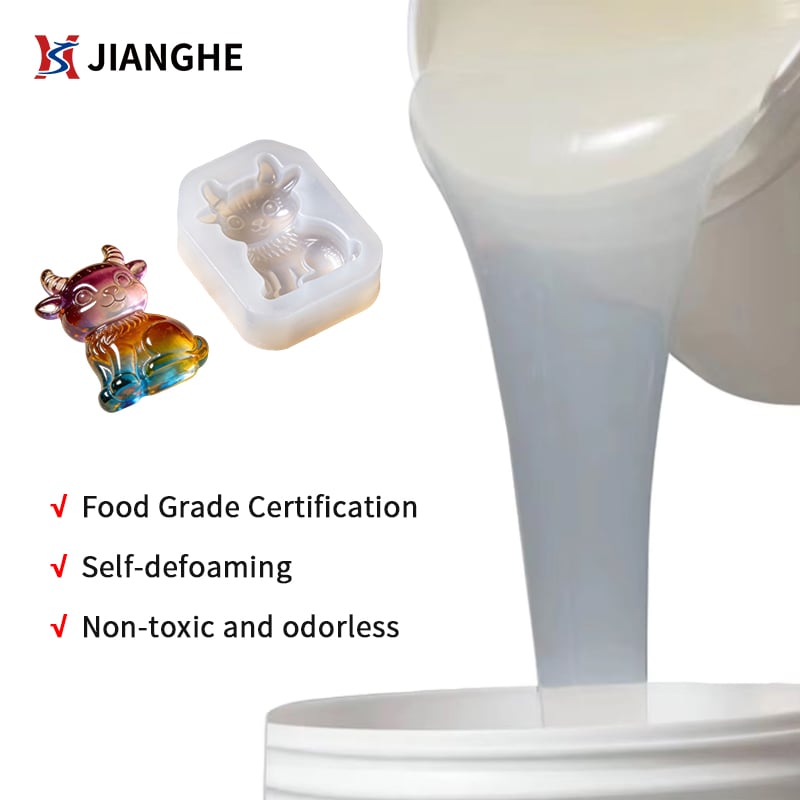
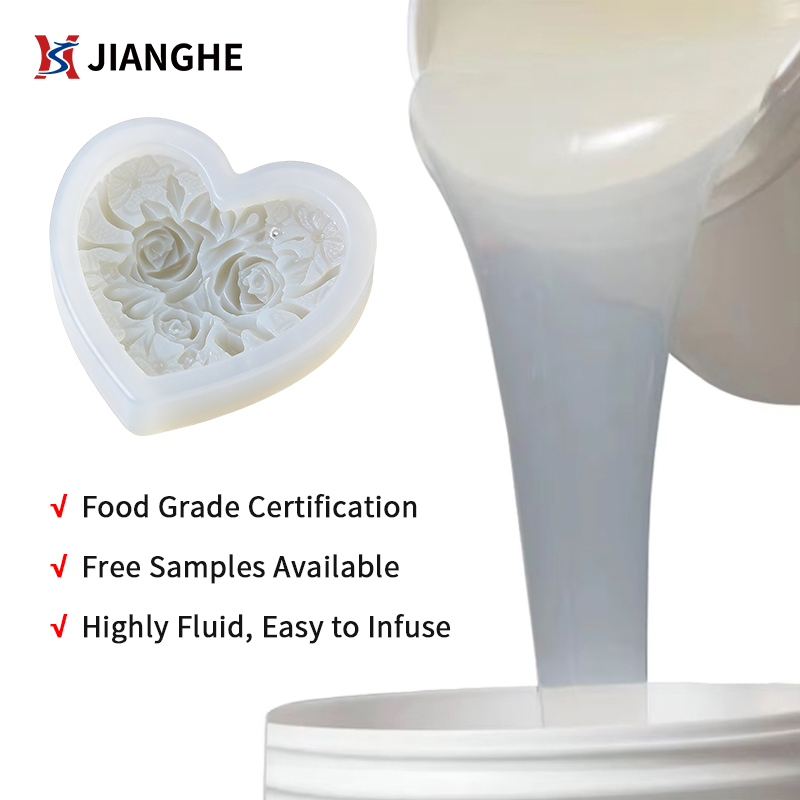
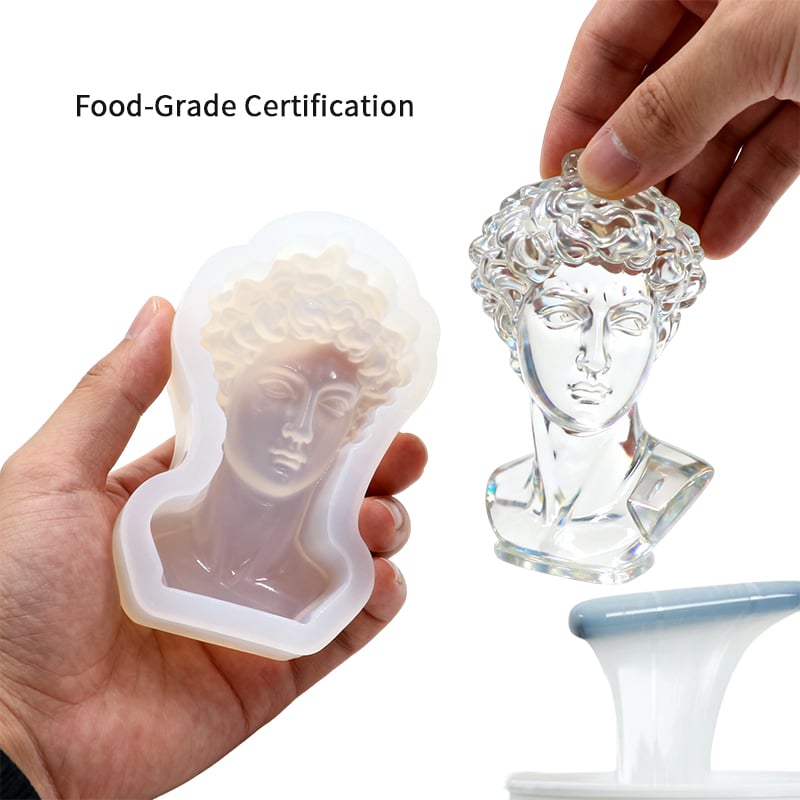
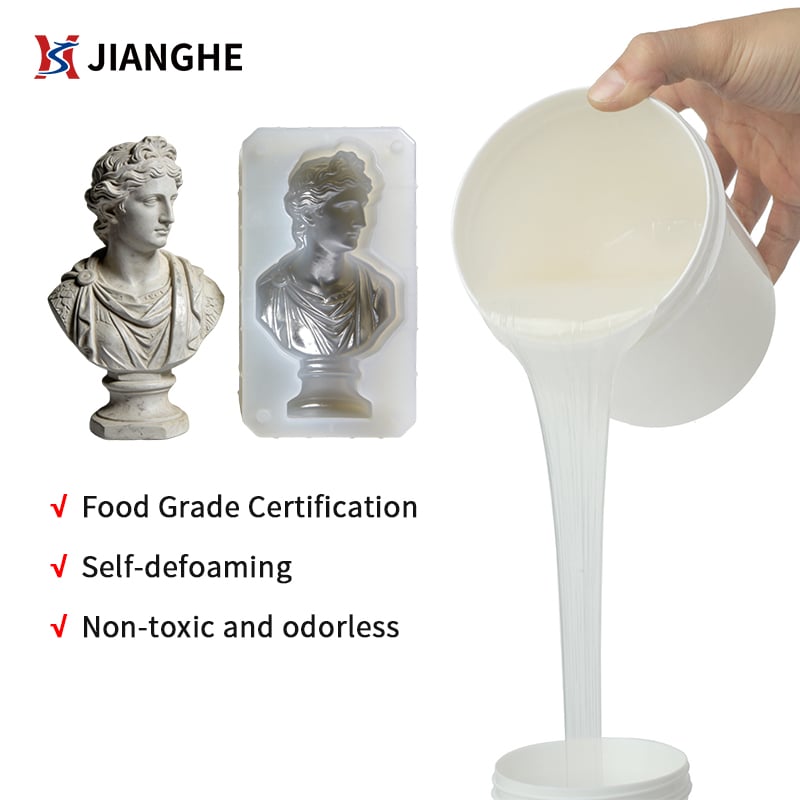
Tin cured silicone for mold making represents a revolutionary advancement in manufacturing and prototyping industries, offering exceptional performance characteristics that make it an indispensable tool for professionals across various sectors. This specialized silicone material undergoes a unique curing process that utilizes tin-based catalysts to achieve optimal hardness, flexibility, and durability properties essential for creating high-quality molds. The main functions of tin cured silicone for mold making encompass rapid prototyping, production tooling, artistic casting, and industrial part replication, making it versatile enough to handle both simple and complex geometries with remarkable precision. The technological features of this material include excellent dimensional stability, superior tear resistance, and consistent curing properties that ensure reliable performance across multiple casting cycles. Its low viscosity formulation allows for easy mixing and pouring, while the controlled curing time provides sufficient working periods for intricate mold preparation. The tin cured silicone for mold making demonstrates exceptional compatibility with various casting materials including resins, waxes, concrete, and metals, making it suitable for diverse manufacturing applications. Professional manufacturers rely on this material for creating molds that maintain their structural integrity even after hundreds of casting cycles, ensuring cost-effective production processes. The applications of tin cured silicone for mold making span across aerospace component manufacturing, automotive part prototyping, jewelry creation, architectural model making, and custom product development. Its ability to capture fine surface details while maintaining flexibility makes it particularly valuable for creating molds of complex shapes and undercut features that would be impossible with rigid mold materials.

New Product Recommendations

The advantages of tin cured silicone for mold making extend far beyond basic molding capabilities, delivering substantial practical benefits that directly impact production efficiency and cost-effectiveness for manufacturers and artisans alike. This advanced material offers rapid curing times that significantly reduce project turnaround periods, allowing businesses to meet tight deadlines while maintaining superior quality standards. The exceptional tear strength of tin cured silicone for mold making ensures molds withstand repeated demolding processes without degradation, resulting in extended mold life and reduced replacement costs. Users experience remarkable ease of use during the mixing and application process, as the material requires no specialized equipment or complex preparation procedures, making it accessible to both experienced professionals and newcomers to mold making. The superior dimensional accuracy achieved with tin cured silicone for mold making translates to consistent part quality across production runs, minimizing waste and rework costs that plague traditional molding methods. Its excellent chemical resistance protects against degradation from casting materials, solvents, and environmental factors, ensuring long-term performance reliability in demanding industrial environments. The flexible nature of cured tin silicone allows for easy part removal even from complex geometries with deep undercuts, reducing the risk of part damage during demolding operations. Temperature stability characteristics enable the material to perform consistently across wide temperature ranges, accommodating various casting materials and environmental conditions without compromising mold integrity. The non-stick properties inherent in tin cured silicone for mold making eliminate the need for release agents in many applications, streamlining the casting process while reducing material costs and potential contamination issues. Additionally, the material exhibits excellent shelf stability, allowing for bulk purchasing and storage without concerns about premature curing or performance degradation over time.

Tips And Tricks

How Is Liquid Silicone Rubber Used in Professional Mold Making?

24

Dec

How Is Liquid Silicone Rubber Used in Professional Mold Making?

Practical Applications of Liquid Silicone Rubber in Professional Manufacturing Liquid Silicone Rubber plays a central role in professional making environments where precision, repeatability, and material reliability are critical. In contrast to hobby...
View More
How Can Buyers Assess Long-Term Reliability of a Resin Manufacturer?

11

Dec

How Can Buyers Assess Long-Term Reliability of a Resin Manufacturer?

Building Confidence in a Sustainable Manufacturing Partner Selecting a reliable Resin Manufacturer is a strategic decision that directly affects product quality, delivery stability, and long-term cooperation efficiency. For buyers sourcing epoxy resi...
View More
Why Is Clear Epoxy Resin More Prone to Yellowing?

10

Jan

Why Is Clear Epoxy Resin More Prone to Yellowing?

Understanding the Yellowing of Clear Epoxy Resin Clear epoxy resin is widely used in flooring, furniture, art, and industrial applications due to its transparency, durability, and glossy finish. However, one common challenge faced by manufacturers, a...
View More
How Does River Table Epoxy Control Exothermic Reaction and Cracking?

28

Jan

How Does River Table Epoxy Control Exothermic Reaction and Cracking?

Managing Exothermic Reactions and Cracking in River Table Epoxy River Table Epoxy has become a favorite material for designers and artisans who create stunning river tables, countertops, and artistic pieces. Its clarity, durability, and versatility m...
View More

Get a Free Quote

Our representative will contact you soon.
Email
Name
Company Name
Message
0/1000

tin cured silicone for mold making

Exceptional Durability and Longevity Performance

Exceptional Durability and Longevity Performance

The exceptional durability and longevity performance of tin cured silicone for mold making sets it apart from conventional molding materials, delivering unprecedented value through extended service life and consistent performance characteristics. This remarkable durability stems from the unique tin-catalyzed cross-linking process that creates a robust three-dimensional polymer network capable of withstanding thousands of casting cycles without significant wear or dimensional changes. Professional manufacturers have documented mold life spans exceeding 500 casting operations while maintaining original dimensional tolerances within 0.001 inches, demonstrating the material's ability to preserve critical specifications throughout extended production runs. The superior tear resistance of tin cured silicone for mold making, typically measuring 200-300 pli (pounds per linear inch), ensures molds remain intact even when subjected to aggressive demolding procedures required for complex part geometries. This durability translates directly into cost savings, as businesses can amortize mold production costs across significantly more parts compared to traditional materials that require frequent replacement. The chemical inertness of the cured material provides excellent resistance to degradation from casting resins, metals, and other materials, preventing premature mold failure due to chemical attack or swelling. Environmental factors such as temperature fluctuations, humidity changes, and UV exposure have minimal impact on the structural integrity of tin cured silicone for mold making, ensuring consistent performance across diverse operating conditions. The material's ability to maintain flexibility while resisting permanent deformation allows molds to accommodate thermal expansion and contraction during casting operations without developing stress cracks or dimensional distortions that could compromise part quality.
Superior Surface Detail Reproduction Capabilities

Superior Surface Detail Reproduction Capabilities

The superior surface detail reproduction capabilities of tin cured silicone for mold making enable manufacturers to achieve exceptional surface finish quality that rivals or exceeds original part specifications, making it invaluable for high-precision applications requiring meticulous attention to detail. This remarkable capability results from the material's low viscosity formulation and excellent wetting properties that allow it to flow into microscopic surface features, capturing details as fine as 0.0001 inches with remarkable fidelity. The molecular structure of tin cured silicone for mold making provides optimal balance between fluidity during pouring and dimensional stability after curing, ensuring captured details remain sharp and accurate throughout the mold's service life. Professional jewelers, sculptors, and precision manufacturers rely on this material's ability to reproduce intricate textures, fine engravings, and complex surface patterns that would be impossible to achieve with traditional rigid molding materials. The non-inhibiting properties of tin cured silicone for mold making ensure compatibility with a wide range of master patterns, including those made from sulfur-containing materials, oil-based clays, and various metals that typically cause curing problems with other silicone systems. This compatibility eliminates the need for expensive surface treatments or barrier coatings, simplifying the molding process while reducing potential sources of surface defects. The excellent release characteristics of the cured material prevent sticking or bonding to cast parts, ensuring that delicate surface features remain intact during demolding operations. Quality control professionals consistently report that parts cast in tin cured silicone for mold making require minimal secondary finishing operations, as the mold accurately transfers even the subtlest surface characteristics from the original pattern to the final product, significantly reducing manufacturing costs and production time.
Versatile Compatibility and Application Flexibility

Versatile Compatibility and Application Flexibility

The versatile compatibility and application flexibility of tin cured silicone for mold making make it an indispensable solution for diverse manufacturing requirements, accommodating an extensive range of casting materials and production scenarios that would challenge conventional molding systems. This exceptional versatility stems from the material's chemically inert nature and stable performance characteristics across varying temperature ranges, allowing successful casting of materials from low-temperature waxes to high-temperature metals without mold degradation or performance compromise. Manufacturing professionals utilize tin cured silicone for mold making with polyurethane resins, epoxy systems, concrete, plaster, precious metals, and even food-grade materials, demonstrating its remarkable adaptability across industries. The material's excellent thermal properties enable casting operations at temperatures ranging from -65°F to 400°F, accommodating both room-temperature cure systems and elevated-temperature processes without loss of dimensional accuracy or surface quality. Aerospace manufacturers particularly value the material's ability to withstand the thermal cycling associated with metal casting operations, where molds experience repeated heating and cooling cycles that would destroy conventional materials. The Shore A hardness range of tin cured silicone for mold making can be customized from 10 to 80 durometer, allowing mold makers to optimize flexibility characteristics for specific demolding requirements and part geometries. This hardness versatility proves especially valuable when creating molds for parts with complex undercuts or flexible sections that require careful demolding techniques. The material's compatibility with various mixing ratios provides additional flexibility, enabling users to adjust cure times and final properties to match specific production schedules and environmental conditions. Quality assurance teams consistently report successful applications across automotive prototyping, architectural modeling, consumer product development, and artistic casting, highlighting the material's ability to meet diverse performance requirements while maintaining consistent quality standards throughout different industrial sectors.

Get Samples & Support

Email
Name
Company Name
Country/Region
What Are You Making
Single Choice
Estimated Monthly Usage
Single Choice
Message
0/1000