LSR Liquid Silicone Rubber: Advanced Material Solutions for Industrial Applications

All Categories

Get a Tailored Solution

Provide your details below, and our material experts will contact you with a competitive quote and technical support within 24 hours.
Email
Name
Company Name
Message
0/1000

lsr liquid silicone rubber

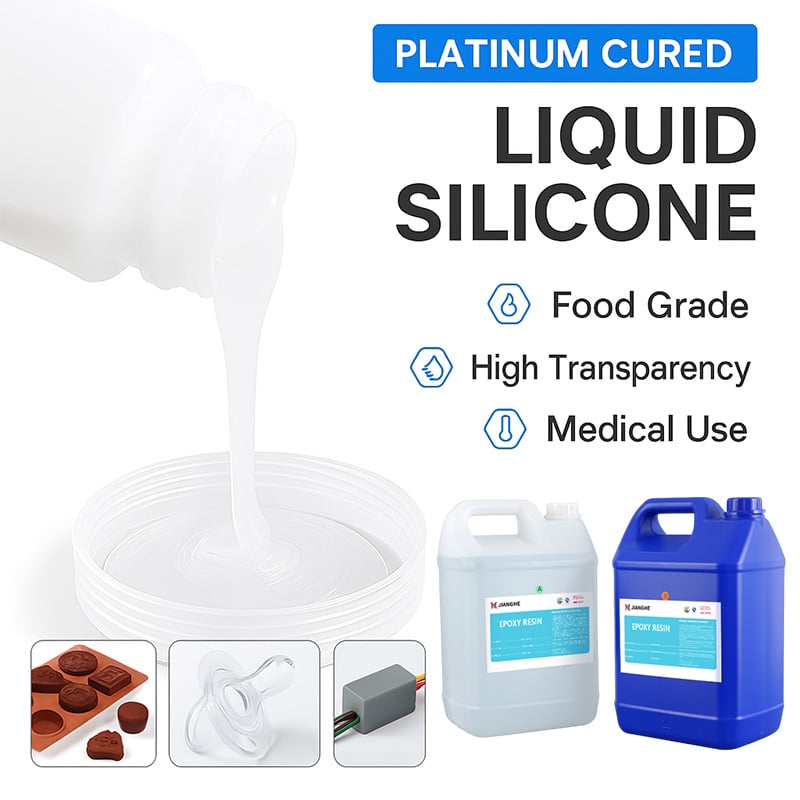
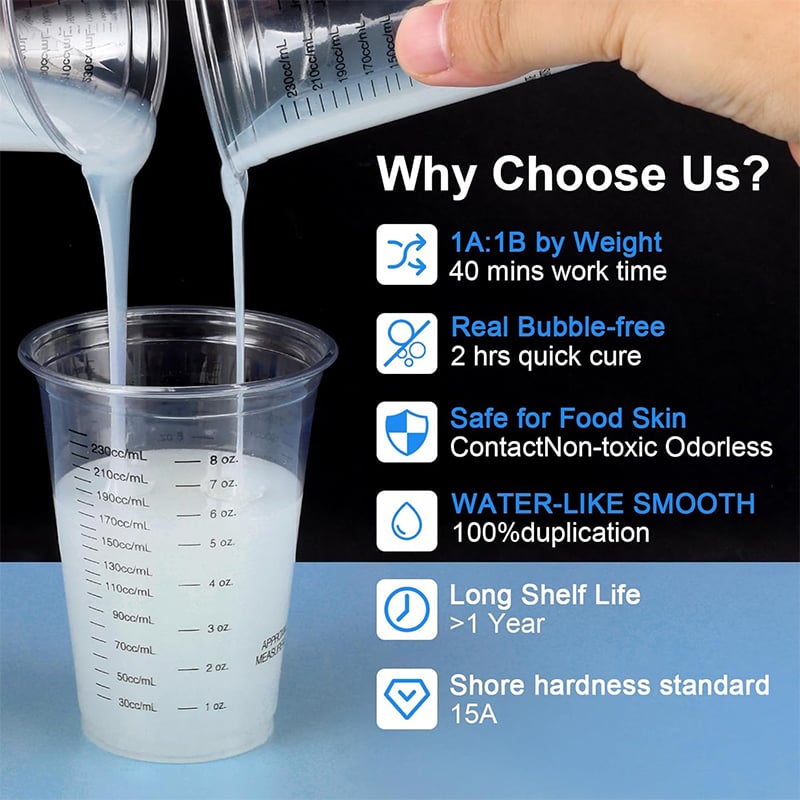
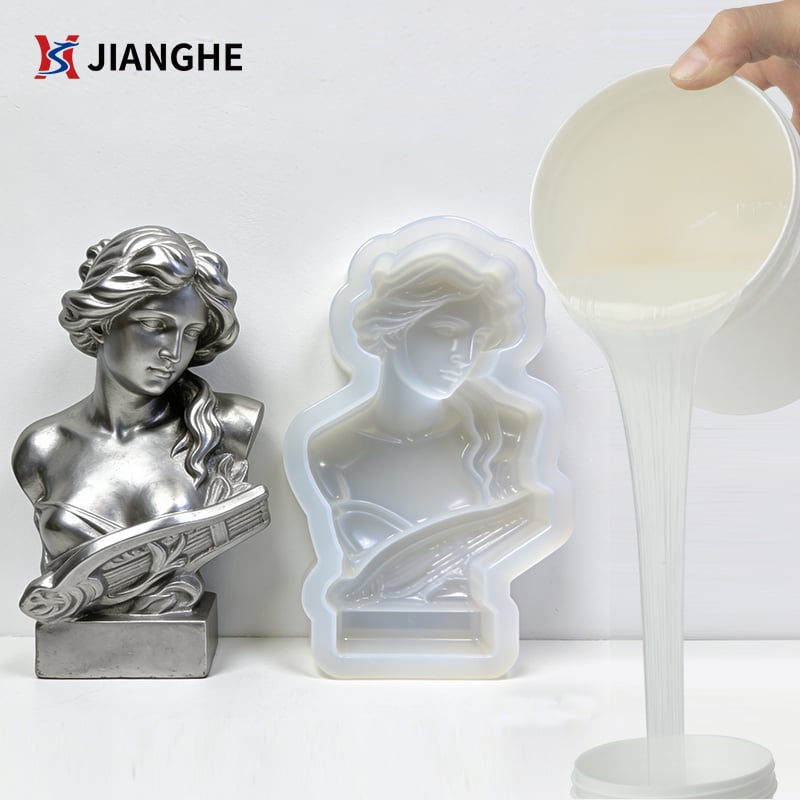
LSR liquid silicone rubber represents a revolutionary advancement in elastomeric materials, offering exceptional versatility and performance across diverse industrial applications. This two-component platinum-cured silicone system has transformed manufacturing processes through its unique combination of flowability, precision, and durability. The LSR liquid silicone rubber delivers outstanding thermal stability, maintaining its mechanical properties across temperature ranges from -65°C to 200°C, making it ideal for demanding environments where conventional materials fail. The technological foundation of LSR liquid silicone rubber lies in its platinum-catalyzed curing mechanism, which ensures rapid processing times and consistent material properties. Unlike peroxide-cured systems, this advanced formulation produces no volatile byproducts during curing, resulting in superior biocompatibility and cleaner manufacturing processes. The LSR liquid silicone rubber exhibits remarkable chemical resistance, withstanding exposure to oils, solvents, and aggressive chemicals without degradation. Manufacturing efficiency receives significant enhancement through LSR liquid silicone rubber injection molding capabilities. The material flows easily into complex geometries, enabling production of intricate components with tight tolerances and smooth surface finishes. Processing temperatures typically range from 150°C to 200°C, with cure times measured in seconds rather than minutes, dramatically improving throughput compared to traditional rubber compounds. Key applications for LSR liquid silicone rubber span automotive gaskets, medical devices, consumer electronics, and food-grade components. The automotive sector particularly benefits from its resistance to engine fluids and extreme temperatures. Medical applications leverage its biocompatibility and sterilization resistance, while electronics manufacturers appreciate its electrical insulation properties and flame retardancy. The LSR liquid silicone rubber maintains dimensional stability under stress, exhibiting minimal creep and excellent recovery characteristics that ensure long-term performance in sealing and cushioning applications.

New Product Recommendations

The primary advantage of LSR liquid silicone rubber lies in its exceptional processing efficiency, dramatically reducing manufacturing cycle times while maintaining superior product quality. Traditional rubber compounds require lengthy vulcanization processes, often taking several minutes per cycle, whereas LSR liquid silicone rubber achieves complete cure in seconds. This rapid curing capability translates directly into increased production capacity and reduced manufacturing costs for businesses seeking competitive advantages. The automated injection molding process eliminates many manual handling steps, reducing labor costs and minimizing contamination risks. Quality consistency represents another significant benefit of LSR liquid silicone rubber systems. The precise metering and mixing of two-component formulations ensures batch-to-batch reproducibility that surpasses conventional rubber manufacturing. This consistency reduces rejection rates and eliminates the need for extensive quality control testing, streamlining production workflows. The material exhibits predictable shrinkage patterns, enabling manufacturers to design tooling with confidence and achieve tight dimensional tolerances consistently. Operational flexibility becomes apparent through the wide processing window offered by LSR liquid silicone rubber formulations. Manufacturers can adjust processing parameters to accommodate different part geometries and production requirements without compromising material properties. The system adapts well to automated manufacturing environments, integrating seamlessly with robotic handling systems and quality monitoring equipment. Temperature resistance capabilities of LSR liquid silicone rubber surpass most organic elastomers, maintaining flexibility and sealing effectiveness across extreme temperature ranges. This thermal stability eliminates the need for frequent component replacement in high-temperature applications, reducing maintenance costs and system downtime. The material resists thermal cycling effects that cause hardening and cracking in conventional rubbers. Chemical compatibility extends the service life of components manufactured from LSR liquid silicone rubber, particularly in aggressive environments containing oils, fuels, and cleaning solvents. This resistance prevents swelling, softening, and degradation that typically affect hydrocarbon-based elastomers. Biocompatibility certification enables use in medical and food contact applications, opening additional market opportunities for manufacturers. The clean curing chemistry produces no extractable materials that could contaminate sensitive applications, ensuring compliance with stringent regulatory requirements in pharmaceutical and food processing industries.

Practical Tips

What Makes River Table Epoxy Suitable for Deep-Pour Applications?

24

Dec

What Makes River Table Epoxy Suitable for Deep-Pour Applications?

Understanding the Advantages of River Table Epoxy for Deep-Pour Applications River tables are a striking fusion of natural wood and clear epoxy resin, creating a visually stunning centerpiece. The use of deep-pour epoxy is critical in achieving thick...
View More
Why Do Mold Makers Choose Liquid Silicone for Complex Mold Projects?

04

Jan

Why Do Mold Makers Choose Liquid Silicone for Complex Mold Projects?

Liquid Silicone in Modern Mold Making Liquid silicone has become the material of choice for mold makers seeking precision, flexibility, and durability in their projects. Its unique properties allow manufacturers to produce complex molds that traditio...
View More
Why Is Clear Epoxy Resin More Prone to Yellowing?

10

Jan

Why Is Clear Epoxy Resin More Prone to Yellowing?

Understanding the Yellowing of Clear Epoxy Resin Clear epoxy resin is widely used in flooring, furniture, art, and industrial applications due to its transparency, durability, and glossy finish. However, one common challenge faced by manufacturers, a...
View More
How Does River Table Epoxy Control Exothermic Reaction and Cracking?

28

Jan

How Does River Table Epoxy Control Exothermic Reaction and Cracking?

Managing Exothermic Reactions and Cracking in River Table Epoxy River Table Epoxy has become a favorite material for designers and artisans who create stunning river tables, countertops, and artistic pieces. Its clarity, durability, and versatility m...
View More

Get a Free Quote

Our representative will contact you soon.
Email
Name
Company Name
Message
0/1000

lsr liquid silicone rubber

Superior Biocompatibility for Medical and Food Applications

Superior Biocompatibility for Medical and Food Applications

The biocompatibility of LSR liquid silicone rubber stands as one of its most valuable characteristics, making it the preferred choice for medical device manufacturers and food processing equipment producers worldwide. This exceptional biocompatibility stems from the platinum-catalyzed curing system, which eliminates the formation of harmful byproducts during the manufacturing process. Unlike peroxide-cured silicones that can produce organic peroxides and other potentially toxic compounds, LSR liquid silicone rubber creates chemically inert cross-links that pose no risk to human health or food safety. Medical device applications particularly benefit from the USP Class VI certification that many LSR liquid silicone rubber formulations carry, indicating compliance with the most stringent biocompatibility standards. This certification encompasses cytotoxicity, sensitization, and implantation testing protocols that ensure the material causes no adverse biological reactions. Surgical instruments, catheters, respiratory masks, and implantable devices rely on this biocompatibility to function safely within the human body. The material resists protein adsorption and bacterial adhesion, reducing infection risks and maintaining device functionality over extended periods. Food contact applications leverage the FDA compliance of LSR liquid silicone rubber formulations, enabling their use in food processing equipment, beverage dispensing systems, and kitchen appliances. The material exhibits no taste or odor transfer, preserving food quality while providing reliable sealing performance. Steam sterilization resistance allows repeated cleaning cycles without degradation, essential for maintaining sanitary conditions in commercial food production. The chemical inertness prevents migration of compounds into food products, ensuring consumer safety and regulatory compliance. Pharmaceutical manufacturing utilizes LSR liquid silicone rubber in drug delivery systems, laboratory equipment, and processing machinery where contamination prevention is critical. The material withstands aggressive cleaning agents and sterilization methods including gamma radiation, ethylene oxide, and autoclave cycles without compromising its properties. This durability reduces replacement costs and ensures consistent performance throughout the product lifecycle, making it an economically sound choice for critical applications where human health and safety are paramount.
Exceptional Temperature Performance and Environmental Resistance

Exceptional Temperature Performance and Environmental Resistance

The remarkable temperature performance of LSR liquid silicone rubber sets it apart from conventional elastomers, delivering consistent functionality across an unprecedented range of operating conditions. This temperature stability extends from cryogenic applications at -65°C to continuous high-temperature service at 200°C, with short-term exposure capability reaching even higher temperatures. Unlike organic rubbers that become brittle in cold conditions or soften excessively when heated, LSR liquid silicone rubber maintains its elastic properties and mechanical strength throughout this entire temperature spectrum. This characteristic proves invaluable in automotive applications where components face extreme temperature variations, from sub-zero winter conditions to under-hood temperatures exceeding 150°C. Aerospace applications particularly benefit from the low-temperature flexibility of LSR liquid silicone rubber, as conventional seals often fail in high-altitude environments where temperatures drop significantly below freezing. The material resists thermal cycling effects that cause fatigue and premature failure in other elastomers, ensuring reliable performance through millions of temperature fluctuations. This durability translates into extended service intervals and reduced maintenance costs for equipment operating in thermally demanding environments. Environmental resistance encompasses more than temperature stability, as LSR liquid silicone rubber demonstrates exceptional resistance to ultraviolet radiation, ozone, and weathering effects. Outdoor applications benefit from this stability, as the material maintains its appearance and properties when exposed to sunlight and atmospheric conditions that degrade other polymers. The cross-linked silicone structure resists oxidation and chain scission that typically cause hardening and cracking in organic elastomers. Chemical resistance extends to a broad range of substances including acids, bases, solvents, and hydrocarbon fluids. This compatibility enables use in chemically aggressive environments where conventional seals would swell, soften, or dissolve. Industrial applications involving cleaning chemicals, process fluids, and fuel systems rely on this resistance to maintain sealing integrity and prevent contamination. The material exhibits minimal water absorption, preventing dimensional changes and property degradation in humid environments. This hydrophobic nature also contributes to its electrical insulation properties, making it suitable for electronic applications requiring moisture resistance and dielectric stability over extended periods.
Advanced Processing Efficiency and Manufacturing Precision

Advanced Processing Efficiency and Manufacturing Precision

The processing efficiency of LSR liquid silicone rubber revolutionizes manufacturing operations through its combination of rapid cure kinetics, precise flow characteristics, and automated handling capabilities. This efficiency begins with the two-component liquid system that enables accurate metering and mixing, ensuring consistent material properties batch after batch. The low viscosity of uncured LSR liquid silicone rubber allows it to flow into intricate mold cavities and around complex geometries that would challenge higher-viscosity materials. This flowability enables the production of thin-walled sections, sharp corners, and detailed surface textures that enhance both functionality and aesthetics of finished components. Manufacturing precision reaches exceptional levels through the predictable behavior of LSR liquid silicone rubber during processing and curing. The material exhibits minimal shrinkage and excellent dimensional stability, allowing manufacturers to achieve tight tolerances without extensive post-processing operations. Mold design becomes more straightforward as the material flows uniformly and cures completely without voids or incomplete sections. The platinum catalyst system responds predictably to temperature increases, providing manufacturers with precise control over cure rates and processing windows. Automation integration represents a significant advantage of LSR liquid silicone rubber systems, as the liquid nature of the uncured material lends itself perfectly to robotic handling and injection molding equipment. Automated mixing and dispensing systems eliminate manual handling errors while reducing contamination risks. The rapid cure cycle enables high-speed production with cycle times often measured in seconds rather than minutes, dramatically improving manufacturing throughput. Quality control benefits from this consistency, as the automated process produces parts with minimal variation in dimensions, hardness, and other critical properties. Economic benefits emerge from the combination of faster processing, reduced waste, and improved yield rates associated with LSR liquid silicone rubber manufacturing. The precise metering system minimizes material waste, while the rapid cure cycle reduces energy consumption per part. Labor costs decrease through automation opportunities and reduced handling requirements. Tool life extends due to the non-corrosive nature of the curing system and the absence of aggressive chemicals that might attack mold surfaces. The clean release characteristics eliminate the need for mold release agents, reducing contamination risks and cleaning requirements. These processing advantages translate into lower total manufacturing costs while simultaneously improving product quality and consistency, making LSR liquid silicone rubber an economically attractive choice for high-volume production applications.

Get Samples & Support

Email
Name
Company Name
Country/Region
What Are You Making
Single Choice
Estimated Monthly Usage
Single Choice
Message
0/1000