fast set epoxy resin
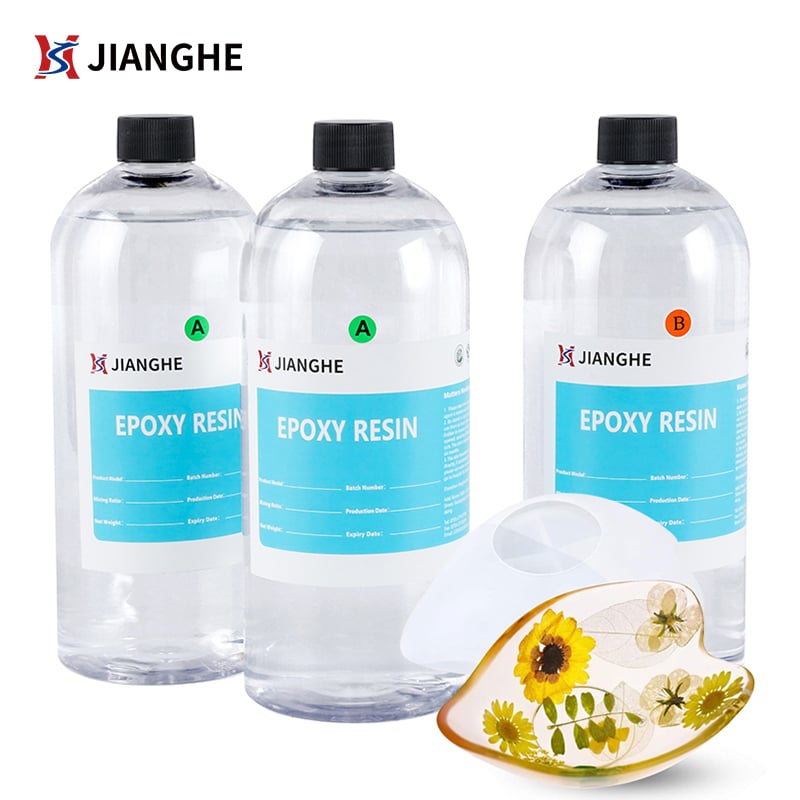
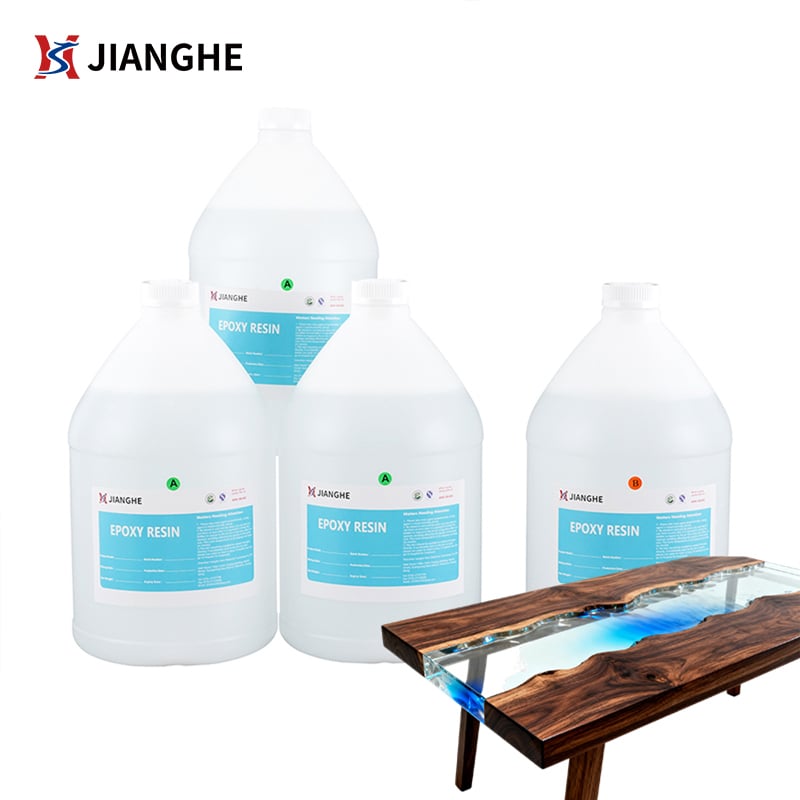
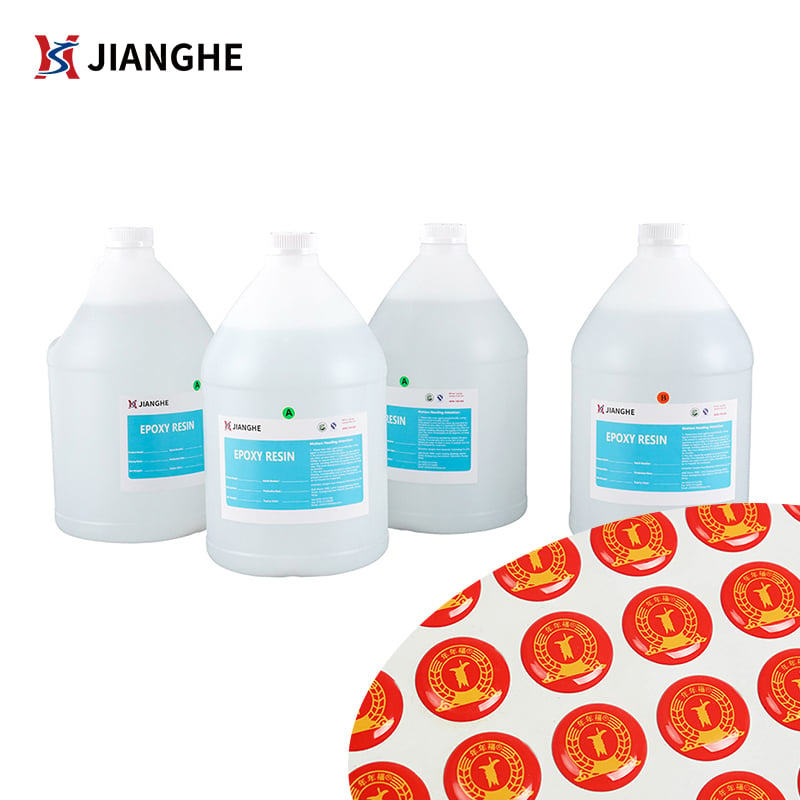
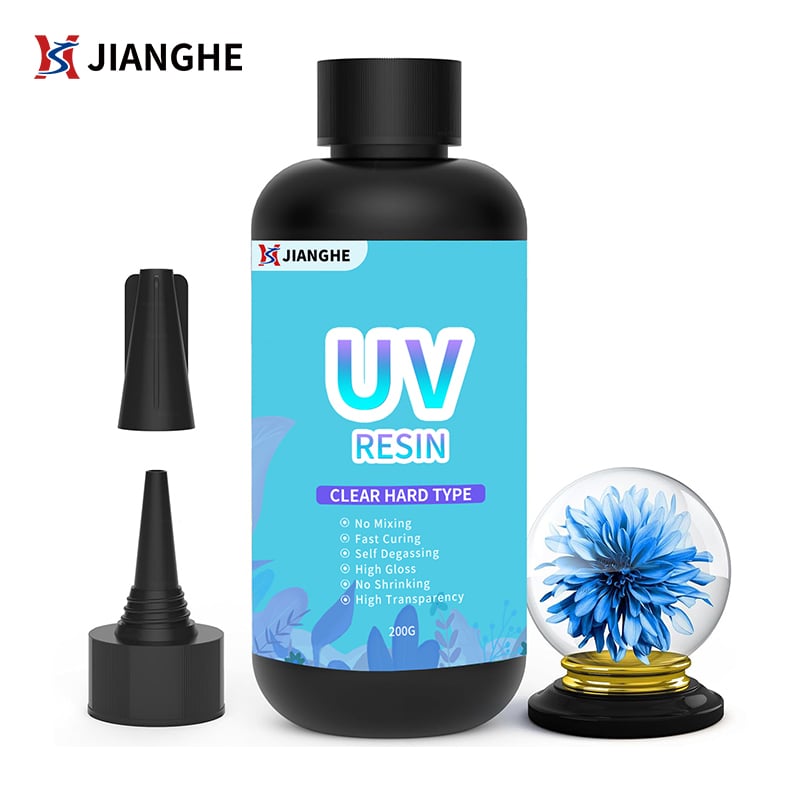
Fast set epoxy resin represents a revolutionary adhesive solution designed for professionals and DIY enthusiasts seeking rapid bonding capabilities. This specialized fast set epoxy resin combines high-performance chemistry with accelerated curing properties, enabling users to complete projects in significantly reduced timeframes. The fast set epoxy resin formulation delivers exceptional strength while maintaining ease of application across diverse substrates. Technologically, fast set epoxy resin features advanced polymer chains that crosslink rapidly at room temperature, eliminating lengthy waiting periods associated with conventional epoxy products. The composition includes carefully balanced hardener ratios that accelerate the curing process without compromising final bond strength. Fast set epoxy resin exhibits superior adhesion to metals, ceramics, wood, plastics, and composite materials, making it an incredibly versatile choice. Its low viscosity allows smooth application through various methods, including brushing, mixing, and pouring. The fast set epoxy resin technology incorporates excellent gap-filling properties, accommodating imperfect surfaces while maintaining structural integrity. Applications span industrial manufacturing, automotive repairs, marine construction, jewelry making, household repairs, and prototype development. Fast set epoxy resin proves particularly valuable in time-sensitive operations where productivity directly impacts profitability. The product maintains consistent performance across temperature variations, ensuring reliable results in different environmental conditions. Its resistance to moisture, chemicals, and temperature fluctuations provides long-lasting durability in challenging environments.

 EN
EN