epoxy resin for fiberglass
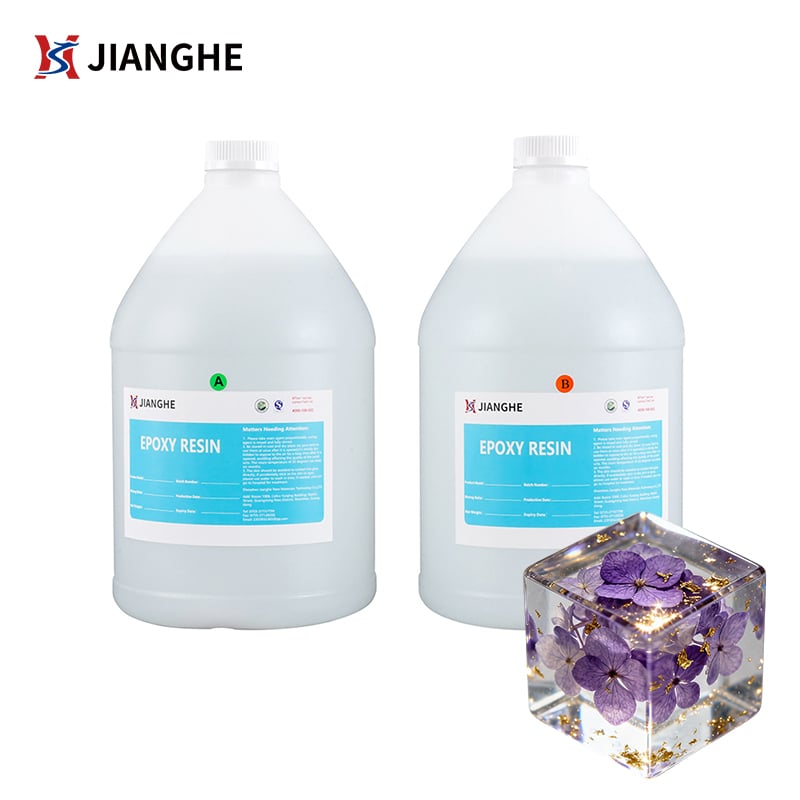
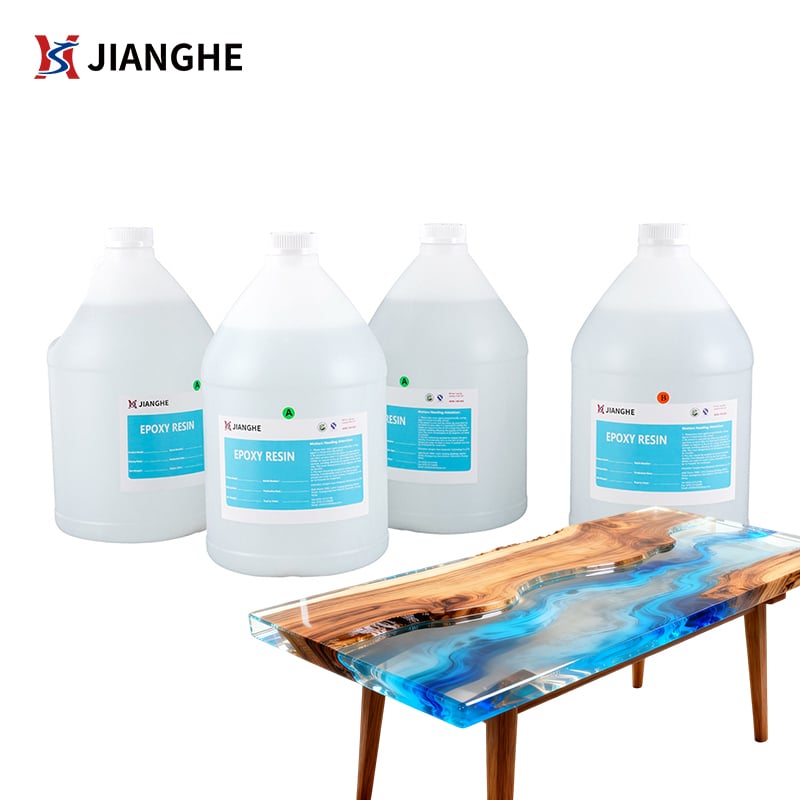
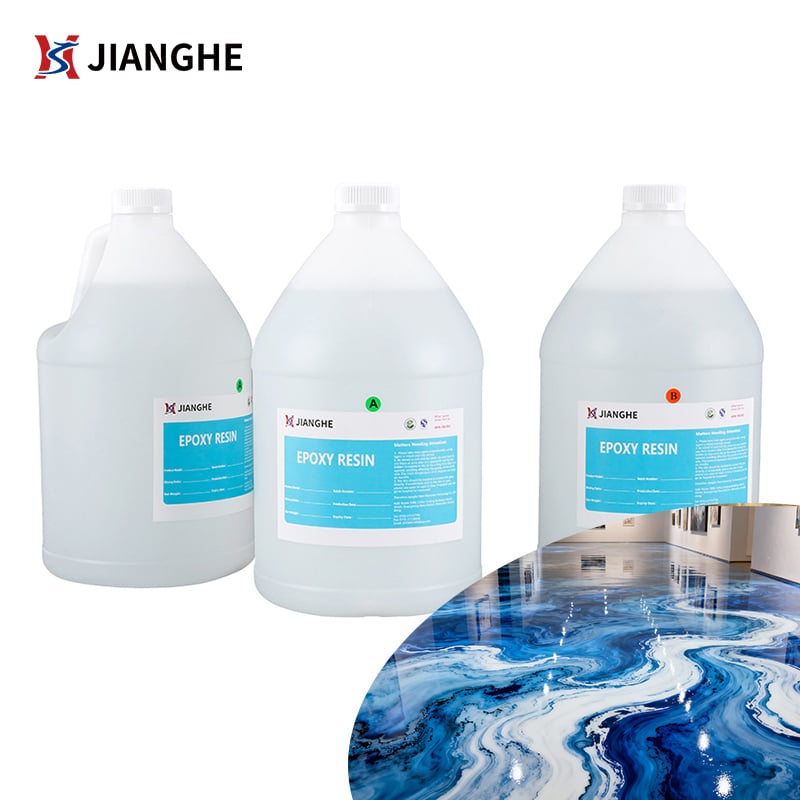
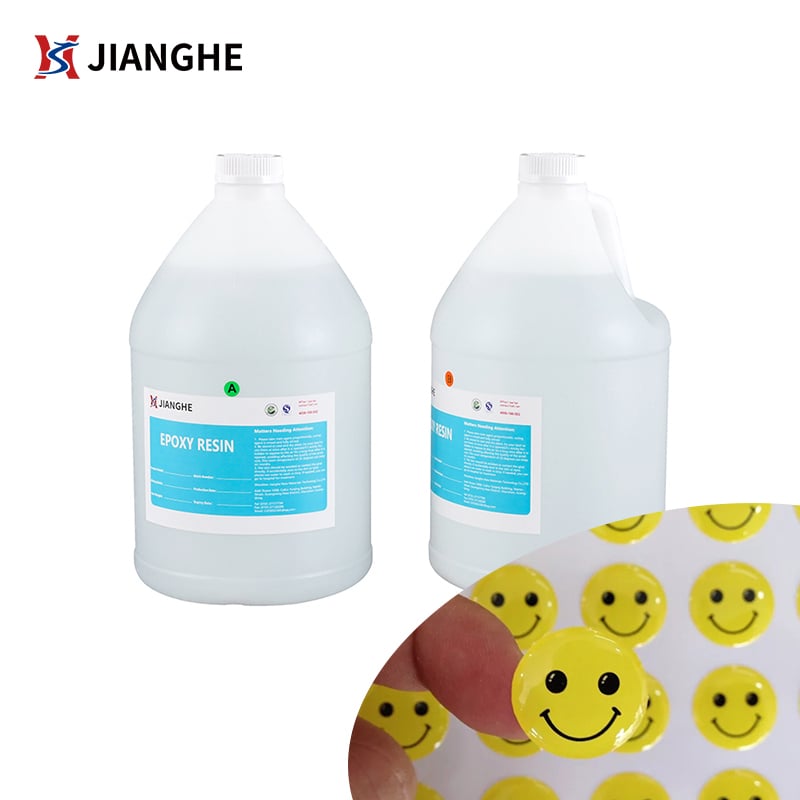
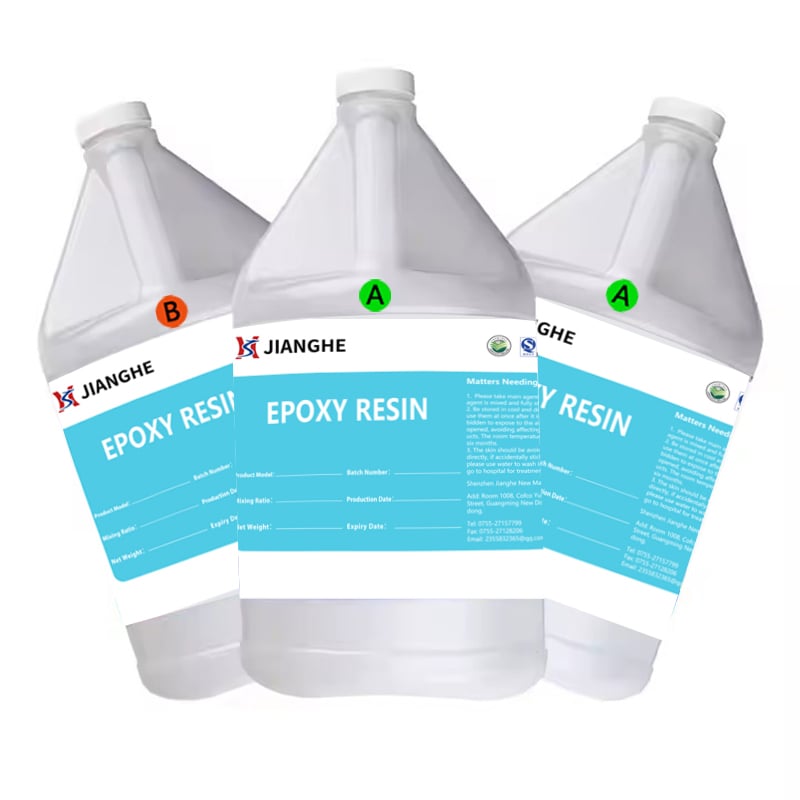
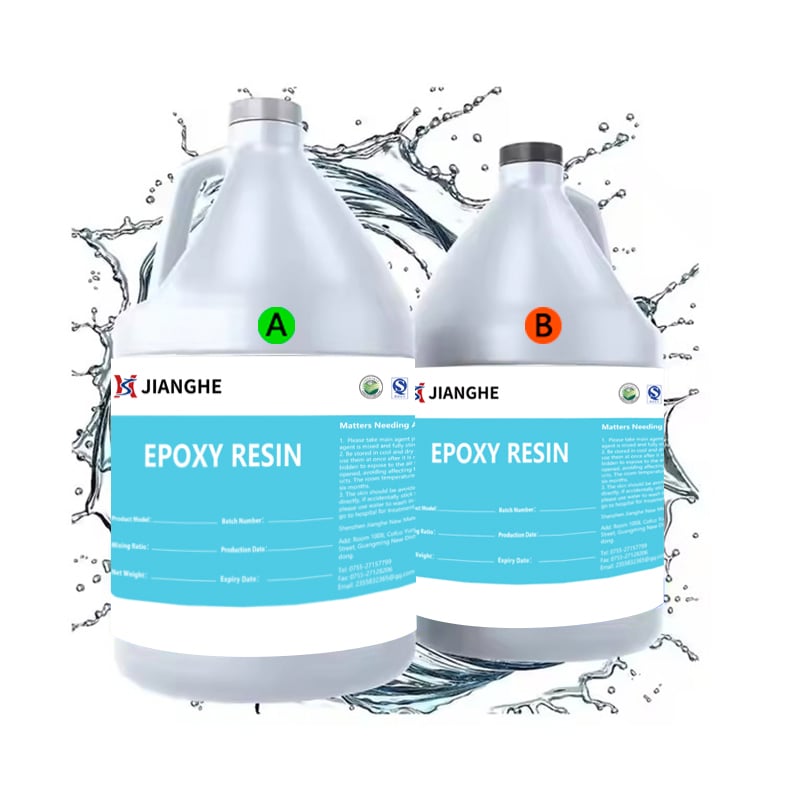
Epoxy resin for fiberglass represents a revolutionary bonding solution that transforms composite manufacturing and repair applications. This specialized adhesive system combines exceptional strength with remarkable versatility, creating durable connections between fiberglass materials and various substrates. Epoxy resin for fiberglass functions as both a structural adhesive and a protective coating, delivering superior performance in demanding environments.
The technological features of epoxy resin for fiberglass include rapid curing capabilities, excellent chemical resistance, and outstanding mechanical properties. The formulation creates molecular bonds that penetrate fiberglass fibers, ensuring maximum structural integrity. Temperature resistance ranges from -40°C to 120°C, making epoxy resin for fiberglass suitable for extreme conditions. Low viscosity variants allow deep penetration into fiberglass weaves, while higher viscosity options provide gap-filling capabilities.
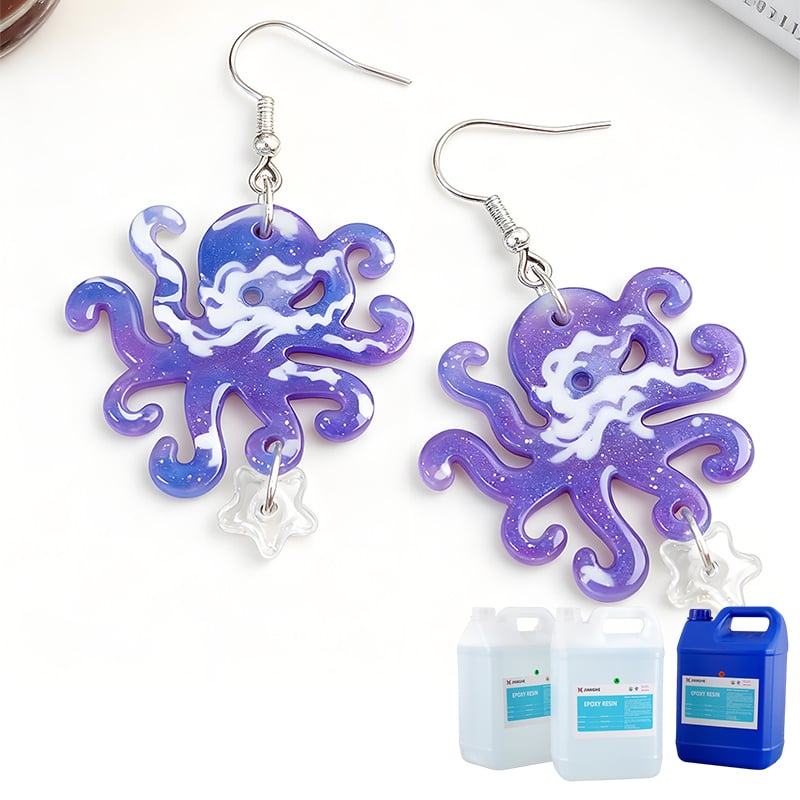
Applications span marine construction, automotive manufacturing, aerospace components, and industrial equipment repair. Epoxy resin for fiberglass bonds composite panels, reinforces structural joints, and seals surface imperfections. The material excels in underwater environments, corrosive settings, and high-stress applications where conventional adhesives fail. Industries worldwide rely on epoxy resin for fiberglass to extend equipment lifespan, reduce maintenance costs, and ensure safety-critical connections remain secure throughout their operational life.

 EN
EN