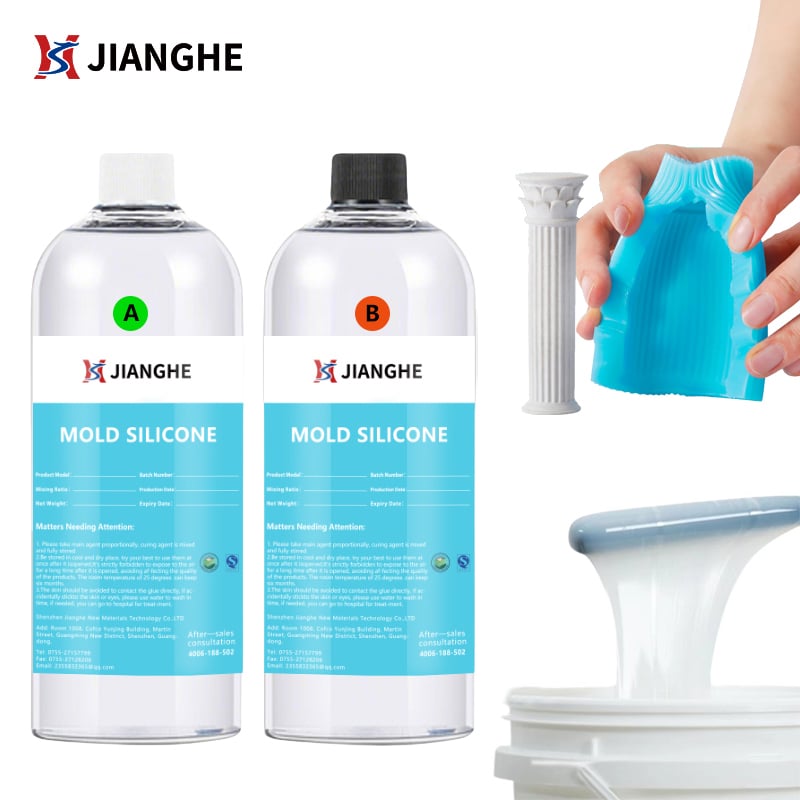
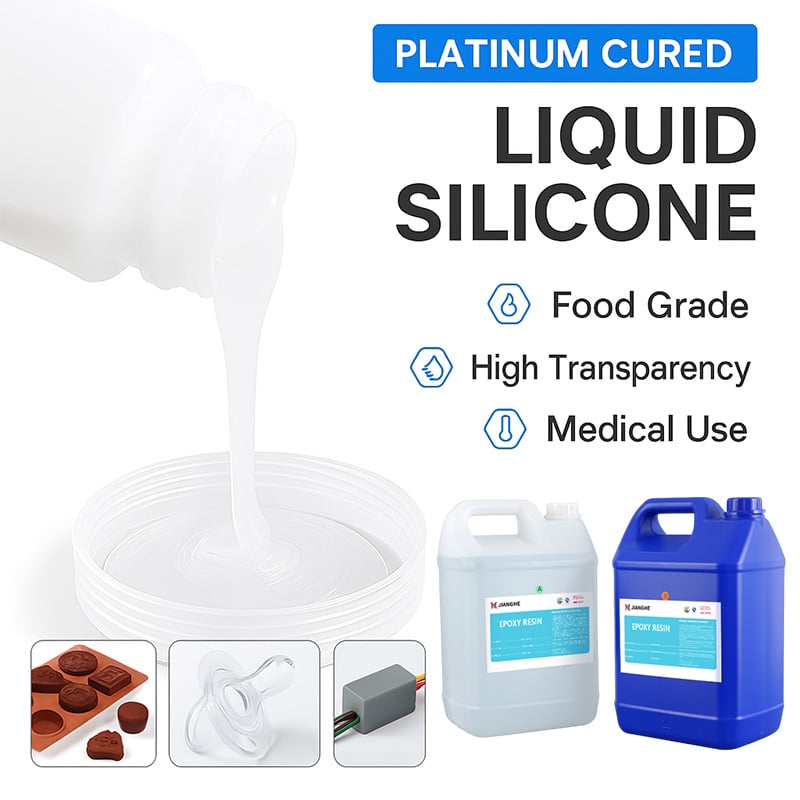
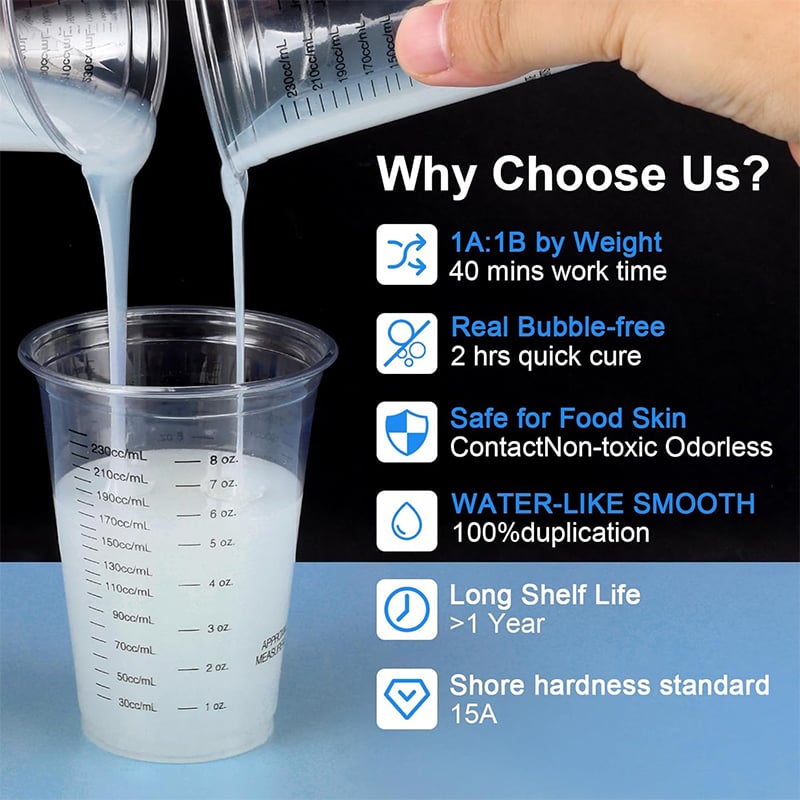
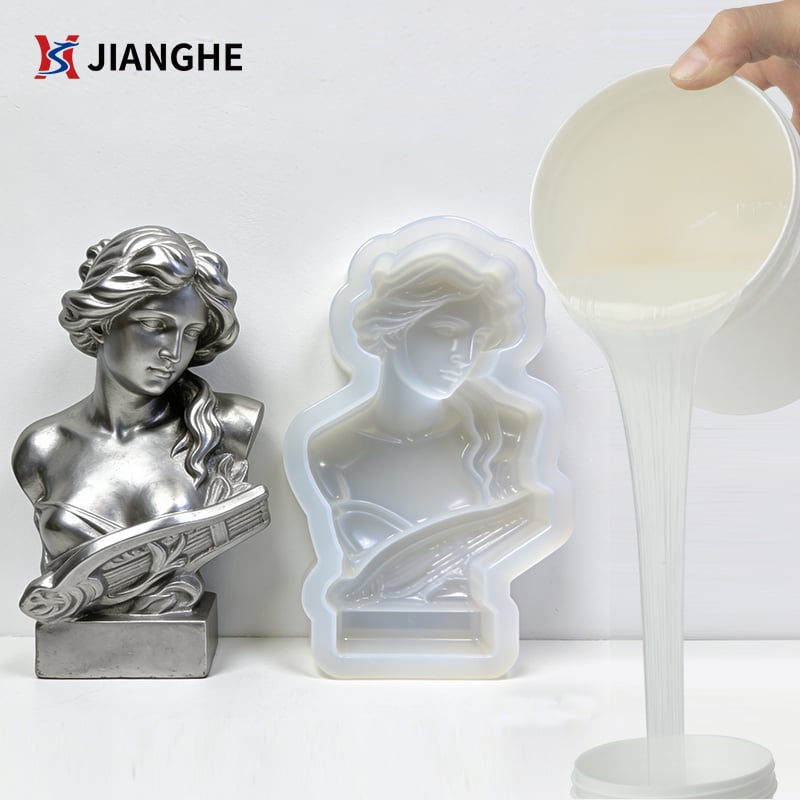
liquid silicone rubber for casting
Liquid silicone rubber for casting represents a revolutionary material engineered to meet demanding manufacturing requirements across multiple industries. This premium-grade compound offers exceptional versatility, enabling manufacturers to produce complex parts with superior precision and consistency. Liquid silicone rubber for casting delivers outstanding performance characteristics that distinguish it from traditional molding materials, making it the preferred choice for professionals seeking reliable solutions.
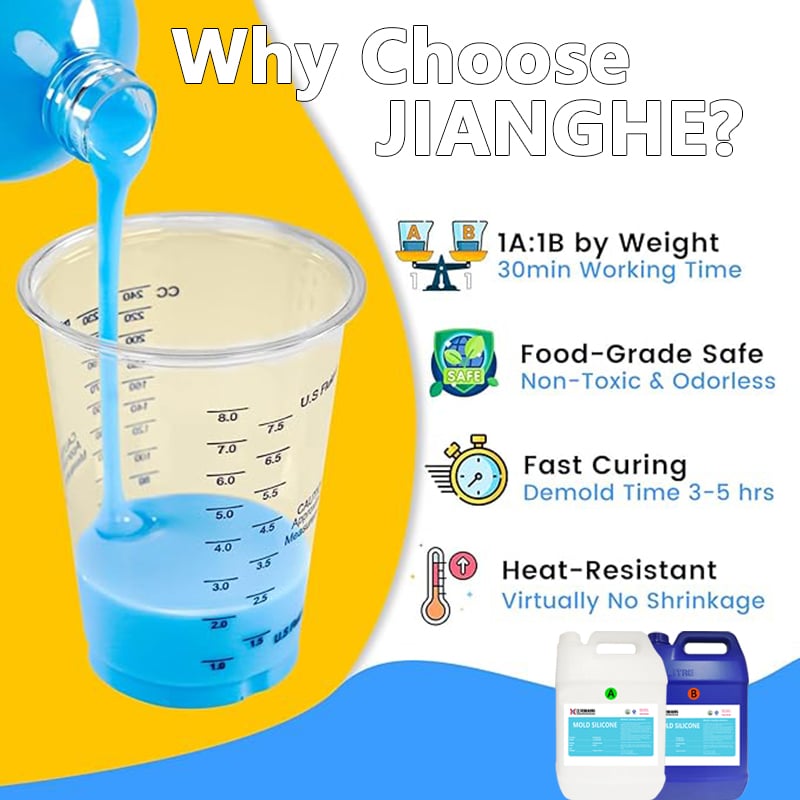
The material functions as a two-component system that cures at room temperature or accelerated conditions, providing manufacturers with flexible processing options. Liquid silicone rubber for casting exhibits remarkable flow properties, allowing it to fill intricate mold cavities completely while maintaining dimensional accuracy. The technological features include low shrinkage rates, exceptional tear strength, and excellent chemical resistance, ensuring durable final products.
Applications for liquid silicone rubber for casting span automotive components, medical devices, consumer electronics, and industrial seals. The material accommodates both rigid and flexible part production, adapting to diverse manufacturing specifications. Its biocompatibility makes liquid silicone rubber for casting invaluable in healthcare applications where material safety is paramount. Industries benefit from rapid production cycles and minimal post-processing requirements, reducing overall manufacturing costs and timelines. The compound's stability ensures consistent results batch after batch, supporting large-scale production operations efficiently.

 EN
EN