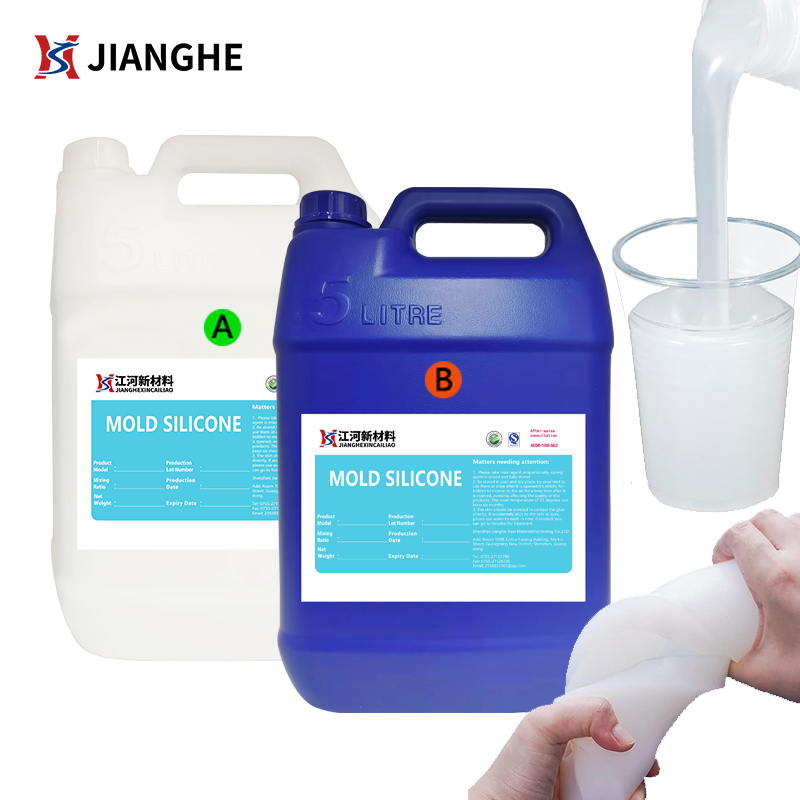
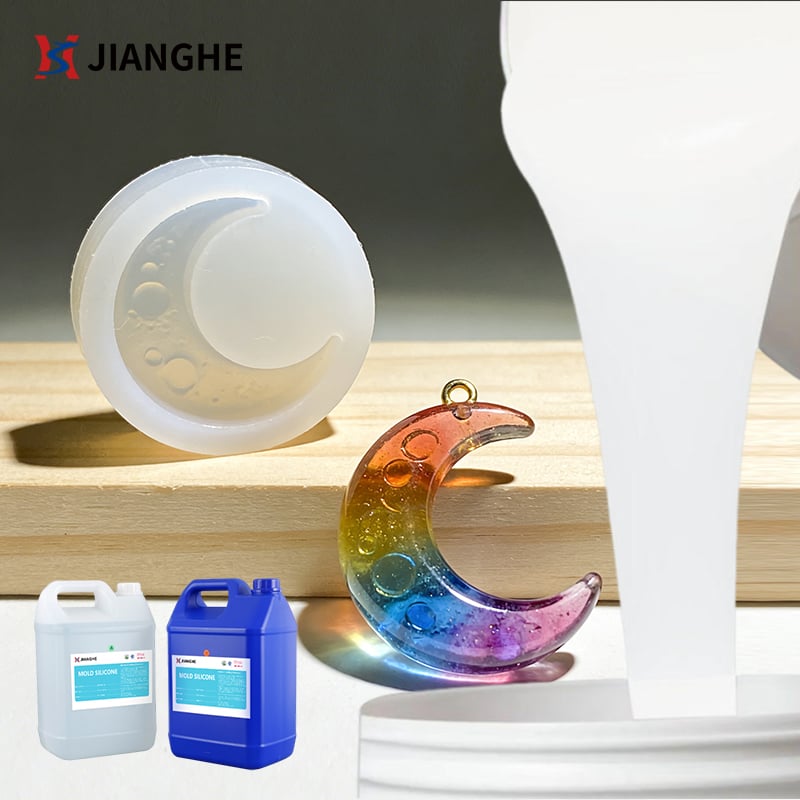
Professional Liquid Silicone for Making Molds - High-Precision Molding Solutions

All Categories

Get a Tailored Solution

Provide your details below, and our material experts will contact you with a competitive quote and technical support within 24 hours.
Email
Name
Company Name
Message
0/1000

liquid silicone for making molds

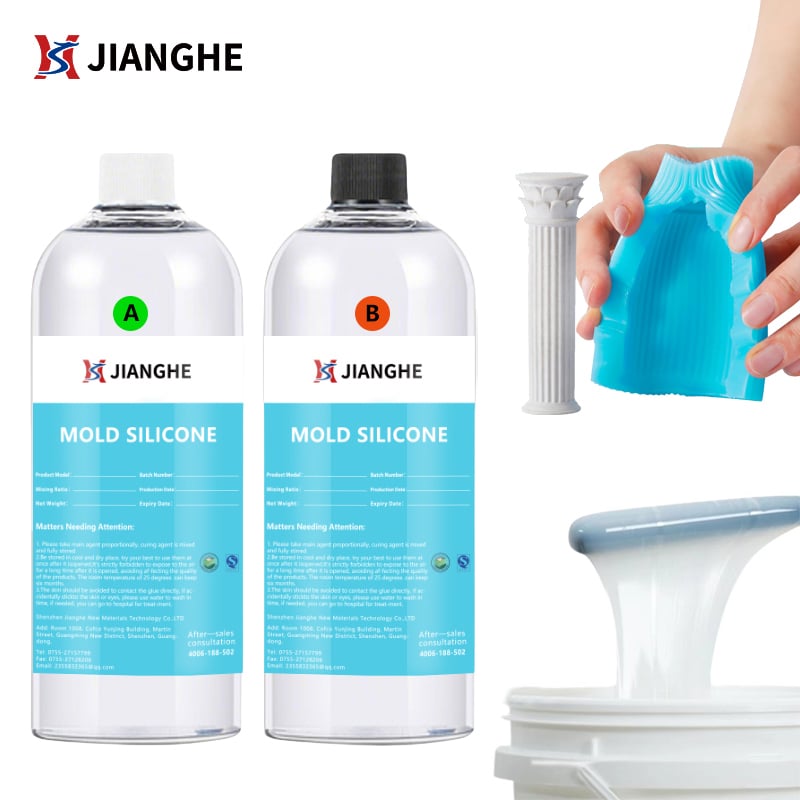
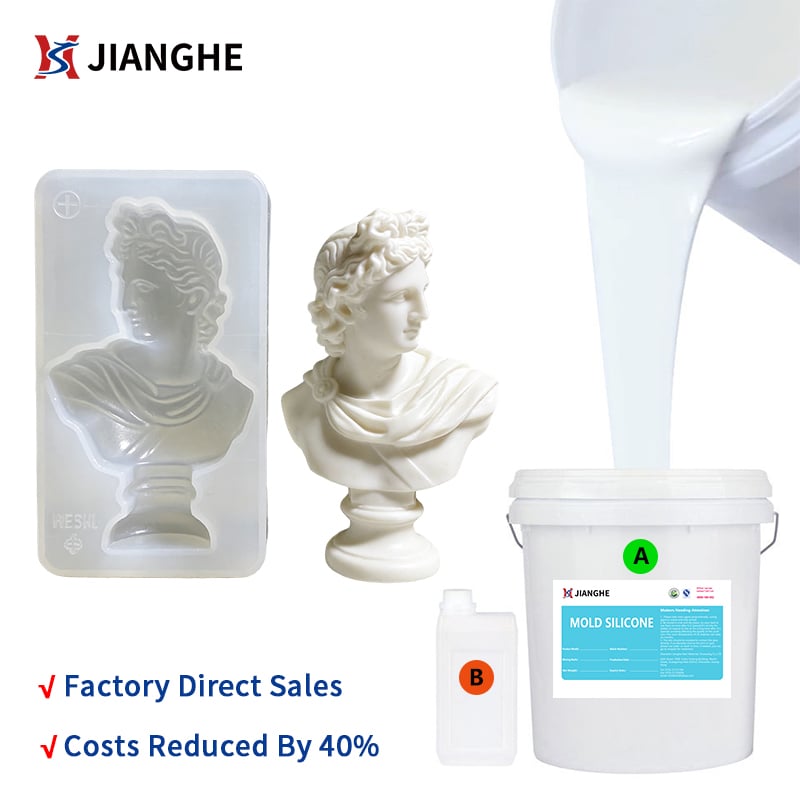
Liquid silicone for making molds represents a revolutionary advancement in manufacturing and prototyping technologies, offering unparalleled versatility for creating precise, durable molds across numerous industries. This specialized polymer material transforms from a flowable liquid state into a flexible, heat-resistant solid through a curing process, enabling manufacturers to produce detailed replicas of complex geometries with exceptional accuracy. The primary function of liquid silicone for making molds centers on its ability to capture intricate surface details while maintaining dimensional stability throughout multiple production cycles. Technological features include superior flow characteristics that allow complete cavity filling without air entrapment, excellent release properties that prevent sticking to master patterns, and remarkable temperature resistance ranging from -65°F to 450°F. The material exhibits outstanding chemical resistance against acids, bases, and organic solvents, making it suitable for casting various materials including resins, plasters, concrete, and low-temperature metals. Applications span automotive part prototyping, jewelry manufacturing, architectural modeling, food-grade product development, medical device prototyping, and artistic sculpture reproduction. The liquid silicone for making molds demonstrates exceptional tear strength and elongation properties, ensuring molds withstand repeated use without degradation. Advanced formulations incorporate platinum catalysts that provide faster cure times while maintaining excellent working properties. The material's inherent flexibility allows for easy demolding of complex undercuts and intricate geometries that would be impossible with rigid mold materials. Environmental stability ensures consistent performance across varying humidity and temperature conditions, while the non-toxic nature of cured silicone makes it safe for food-contact applications. Manufacturing efficiency improves significantly through reduced setup times and minimal post-processing requirements, making liquid silicone for making molds an indispensable tool for modern production facilities seeking cost-effective solutions for both prototype development and short-run production needs.

Popular Products

Liquid silicone for making molds offers numerous compelling advantages that make it the preferred choice for manufacturers seeking reliable, cost-effective molding solutions. The primary benefit lies in its exceptional dimensional accuracy, consistently reproducing fine details down to microscopic surface textures while maintaining precise measurements across thousands of casting cycles. This remarkable precision eliminates the need for extensive post-processing, significantly reducing production time and labor costs. The material's superior flexibility allows for easy part removal without damaging delicate features or complex undercuts, which traditional rigid molds simply cannot accommodate. Temperature resistance stands as another major advantage, enabling the liquid silicone for making molds to withstand extreme heat during metal casting operations while remaining stable at sub-zero temperatures for specialized applications. Chemical inertness provides exceptional durability when exposed to aggressive casting materials, acids, and solvents that would quickly degrade other mold materials, extending mold life and reducing replacement frequency. The quick curing process, typically completing within 4-24 hours depending on thickness and temperature, accelerates project timelines compared to traditional molding methods that may require days or weeks for completion. Cost-effectiveness emerges through multiple factors including minimal material waste, reusability across numerous projects, and reduced tooling investments compared to machined metal molds. The liquid state during application ensures complete cavity filling without voids or air pockets, eliminating common defects that plague other molding techniques. Easy handling and mixing requirements mean operators need minimal specialized training, reducing labor complexity and associated costs. The material's non-stick properties eliminate the need for expensive release agents in most applications, further reducing operating expenses. Liquid silicone for making molds demonstrates exceptional shelf stability, allowing bulk purchases and long-term storage without degradation concerns. Environmental benefits include low volatile organic compound emissions and recyclability options, supporting sustainable manufacturing practices. Versatility in application methods accommodates both brush-on and pour-over techniques, adapting to various project requirements and workshop capabilities. The resulting molds exhibit excellent elasticity, recovering their original shape after deformation and maintaining consistent performance throughout extended production runs.

Practical Tips

How Does Anti-Yellowing Resin Maintain Long-Term Visual Clarity?

17

Dec

How Does Anti-Yellowing Resin Maintain Long-Term Visual Clarity?

The Importance of Visual Stability in Modern Epoxy Applications Anti-Yellowing Resin has become a critical material choice in epoxy systems where long-term appearance, transparency, and color consistency are as important as mechanical performance. In...
View More
What Advantages Does Floor Coating Epoxy Offer in Warehouses and Factories?

23

Dec

What Advantages Does Floor Coating Epoxy Offer in Warehouses and Factories?

Advantages of Floor Coating Epoxy for Warehouses and Factories Maintaining durable, safe, and efficient flooring in warehouses and factories is a constant challenge. Heavy machinery, forklift traffic, and chemical exposure put extreme stress on concr...
View More
Why Do Mold Makers Choose Liquid Silicone for Complex Mold Projects?

04

Jan

Why Do Mold Makers Choose Liquid Silicone for Complex Mold Projects?

Liquid Silicone in Modern Mold Making Liquid silicone has become the material of choice for mold makers seeking precision, flexibility, and durability in their projects. Its unique properties allow manufacturers to produce complex molds that traditio...
View More
Why Is Floor Coating Epoxy Suitable for Chemical Plants and Warehouses?

22

Jan

Why Is Floor Coating Epoxy Suitable for Chemical Plants and Warehouses?

The Advantages of Floor Coating Epoxy in Industrial Environments Floor coating epoxy has become a preferred choice for chemical plants, warehouses, and other industrial facilities due to its durability, chemical resistance, and ease of maintenance. I...
View More

Get a Free Quote

Our representative will contact you soon.
Email
Name
Company Name
Message
0/1000

liquid silicone for making molds

Unmatched Precision and Detail Reproduction

Unmatched Precision and Detail Reproduction

Liquid silicone for making molds excels in capturing and reproducing the finest details with extraordinary precision, making it indispensable for applications requiring exact dimensional accuracy and surface texture replication. This exceptional capability stems from the material's unique molecular structure and flowing properties during the uncured state, allowing it to penetrate microscopic surface irregularities and faithfully reproduce complex geometries that would challenge conventional molding materials. The low viscosity of liquid silicone for making molds ensures complete contact with master patterns, eliminating air entrapment that could compromise detail reproduction or create surface defects. Professional jewelers rely on this precision for creating intricate casting molds that capture delicate filigree work, gemstone settings, and fine engraving details that define luxury pieces. Automotive manufacturers utilize liquid silicone for making molds to prototype complex engine components, ensuring precise fit and function before committing to expensive tooling investments. The material's ability to maintain dimensional stability throughout temperature fluctuations means that molds produced in controlled environments will perform consistently in varying production conditions. Medical device manufacturers depend on this precision for creating prototypes of surgical instruments and implantable components where exact specifications are critical for patient safety and regulatory compliance. Architectural model makers appreciate how liquid silicone for making molds reproduces intricate building details, allowing architects to present highly detailed scale models that accurately represent their vision. The cured silicone maintains its precise dimensions across thousands of casting cycles, providing consistent results that eliminate the dimensional drift common with other mold materials. This reliability translates directly into cost savings by reducing rejected parts and minimizing quality control requirements. The exceptional detail reproduction capability extends to surface finishes, accurately transferring polished, textured, or patterned surfaces from master patterns to final castings, eliminating secondary finishing operations in many applications.
Superior Durability and Longevity Performance

Superior Durability and Longevity Performance

The outstanding durability characteristics of liquid silicone for making molds establish it as a long-term investment that delivers exceptional value through extended service life and consistent performance under demanding conditions. This remarkable longevity stems from the cross-linked polymer structure that forms during curing, creating a resilient matrix that resists degradation from mechanical stress, chemical exposure, and thermal cycling. Unlike traditional mold materials that may crack, chip, or deteriorate after limited use, liquid silicone for making molds maintains its integrity through thousands of production cycles while preserving original dimensional accuracy and surface quality. The material's exceptional tear strength prevents propagation of small nicks or cuts that might develop during handling or demolding operations, ensuring molds remain serviceable even after minor damage occurs. Chemical resistance properties protect against degradation when casting aggressive materials such as polyurethane resins, epoxies, or concrete that would quickly attack other mold materials, making liquid silicone for making molds suitable for diverse casting applications without material compatibility concerns. Temperature cycling from extreme cold to elevated heat does not compromise the molecular structure, allowing molds to perform consistently across seasonal temperature variations or in applications involving heated casting materials. The inherent flexibility of cured silicone absorbs mechanical stress during demolding operations, particularly beneficial when removing parts with complex undercuts or tight tolerances that would stress rigid molds beyond their failure limits. Manufacturers report mold service lives exceeding 10,000 casting cycles in production environments, significantly reducing tooling costs and production interruptions associated with mold replacement. The self-healing properties of silicone help seal minor surface scratches and imperfections, maintaining mold quality throughout extended service periods. UV radiation resistance ensures outdoor applications or exposure to fluorescent lighting will not degrade the material, making liquid silicone for making molds suitable for architectural casting projects and outdoor art installations where long-term exposure is unavoidable.
Exceptional Versatility Across Industries and Applications

Exceptional Versatility Across Industries and Applications

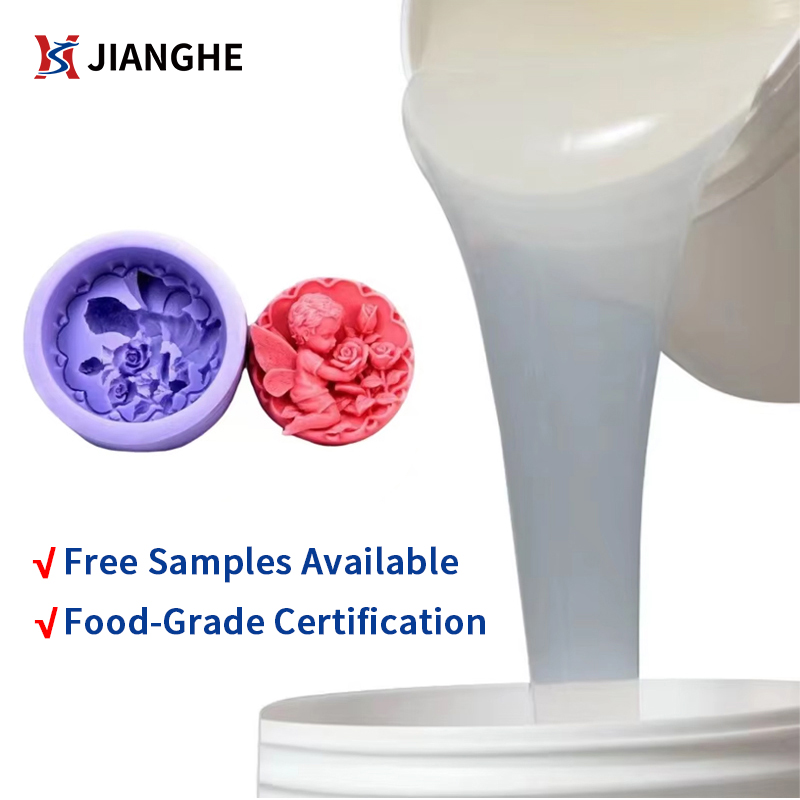
Liquid silicone for making molds demonstrates remarkable versatility that spans numerous industries and applications, adapting seamlessly to diverse manufacturing requirements while maintaining consistent performance standards across varied operating conditions. This adaptability makes it an invaluable resource for manufacturers seeking a single molding solution capable of handling multiple product lines and casting materials without requiring specialized equipment or extensive process modifications. The food-grade formulations of liquid silicone for making molds enable safe contact with edible products, allowing confectioners to create detailed chocolate molds, bakers to produce decorative cake elements, and manufacturers to prototype food packaging components while meeting stringent health and safety regulations. Aerospace applications benefit from the material's ability to withstand extreme temperature variations and chemical exposures encountered in aircraft component prototyping, where precision and reliability are paramount for safety-critical parts. Electronics manufacturers utilize liquid silicone for making molds for creating protective housings and intricate connector components that require precise dimensional control and excellent electrical insulation properties. The construction industry leverages this versatility for architectural precast concrete elements, decorative panels, and restoration work on historical buildings where exact pattern matching is essential for maintaining authenticity. Art and sculpture applications showcase the creative potential of liquid silicone for making molds, enabling artists to reproduce bronze sculptures, create limited edition pieces, and preserve historical artifacts through detailed replicas that capture every nuance of the original work. Marine applications benefit from the inherent water resistance and chemical stability when creating molds for fiberglass boat components, propeller patterns, and specialized marine hardware that must withstand saltwater exposure and harsh environmental conditions. The material's compatibility with various curing methods, including room temperature vulcanization and accelerated heat curing, allows manufacturers to optimize production schedules according to specific project requirements and facility capabilities. Educational institutions utilize liquid silicone for making molds in engineering programs, art schools, and research facilities where students and researchers need reliable, safe materials for experimental projects and prototype development across multiple disciplines.

Get Samples & Support

Email
Name
Company Name
Country/Region
What Are You Making
Single Choice
Estimated Monthly Usage
Single Choice
Message
0/1000