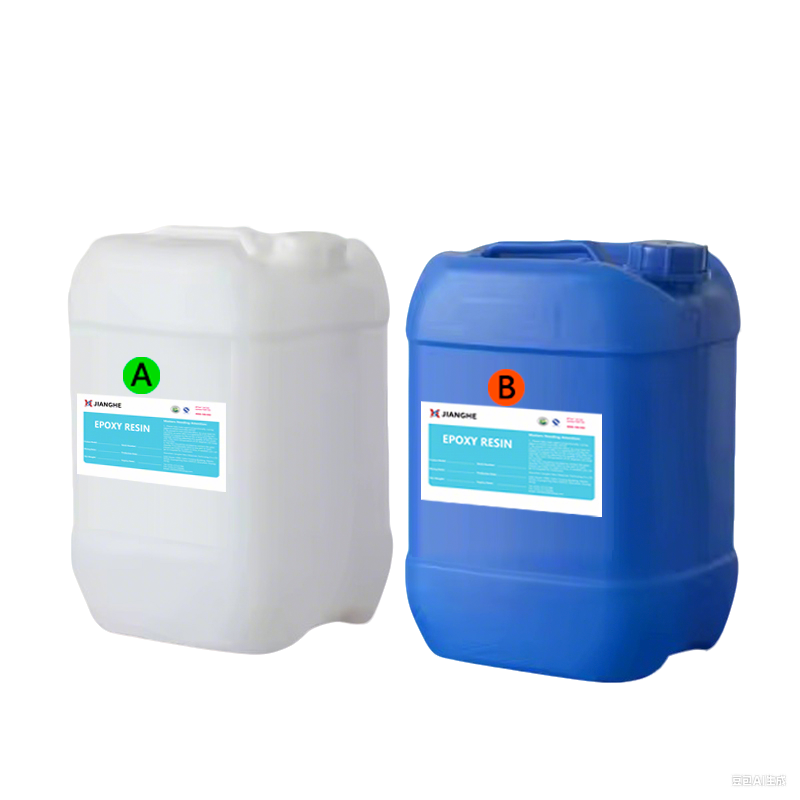
resin potting compound
Resin potting compound is a specialized material designed to encapsulate and protect electronic components from environmental damage, moisture, and mechanical stress. This advanced formulation serves as a protective barrier for delicate circuits, ensuring long-term reliability and performance in demanding applications. The resin potting compound works by completely surrounding sensitive electronic parts, creating a solid mass that shields against humidity, dust, vibration, and temperature fluctuations. Technologically, modern resin potting compound formulations offer excellent thermal conductivity, allowing heat dissipation from components while maintaining protective qualities. The material cures through chemical polymerization, forming a durable, non-conductive shell around circuit assemblies. Key technological features of resin potting compound include low exothermic reactions during curing, minimal shrinkage to prevent component damage, and superior adhesion to various substrates. Applications span across automotive electronics, LED lighting systems, power supplies, telecommunications equipment, and industrial control systems. The resin potting compound is particularly valuable in harsh environments where traditional protection methods prove insufficient. Industries rely on resin potting compound to extend equipment lifespan, improve reliability, and reduce maintenance costs. Whether protecting high-voltage components or sensitive sensors, resin potting compound provides comprehensive encapsulation that maintains electrical safety while preserving component functionality and durability.

 EN
EN