Premium Electrically Conductive Potting Compound - Advanced Protection & Conductivity Solutions

All Categories

Get a Tailored Solution

Provide your details below, and our material experts will contact you with a competitive quote and technical support within 24 hours.
Email
Name
Company Name
Message
0/1000

electrically conductive potting compound

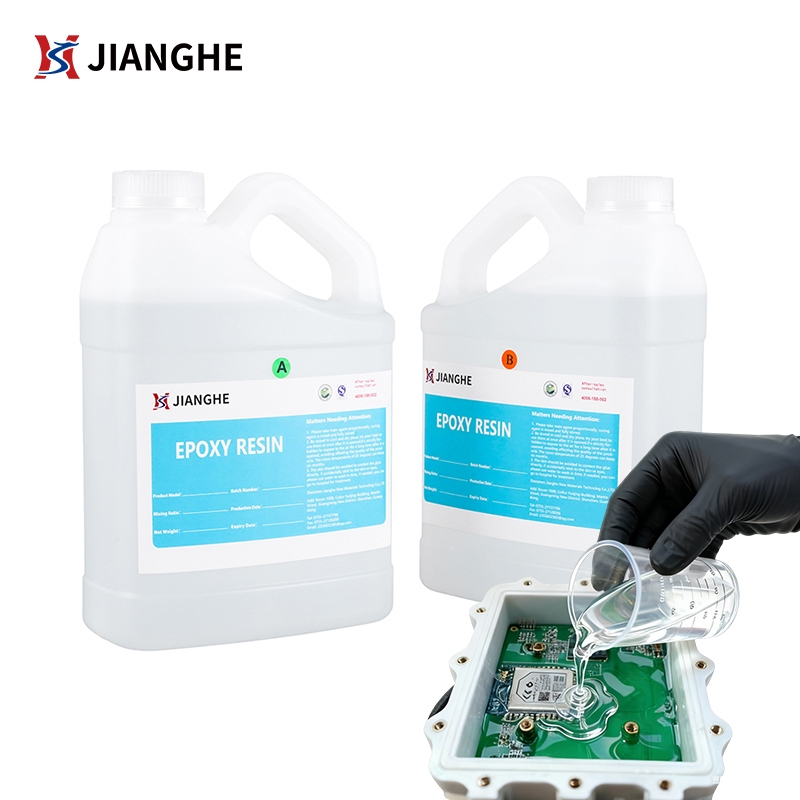
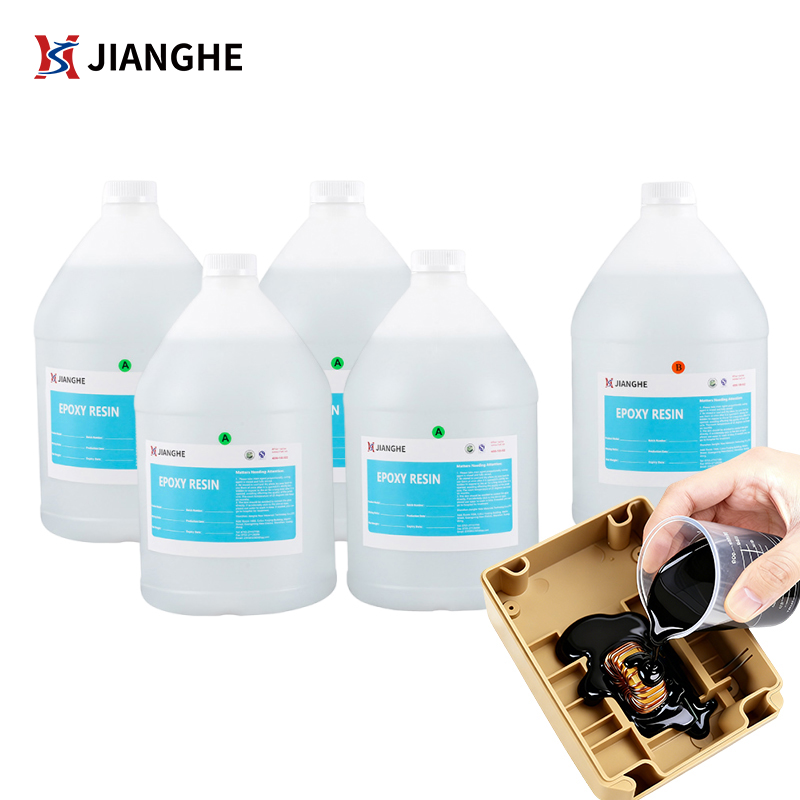
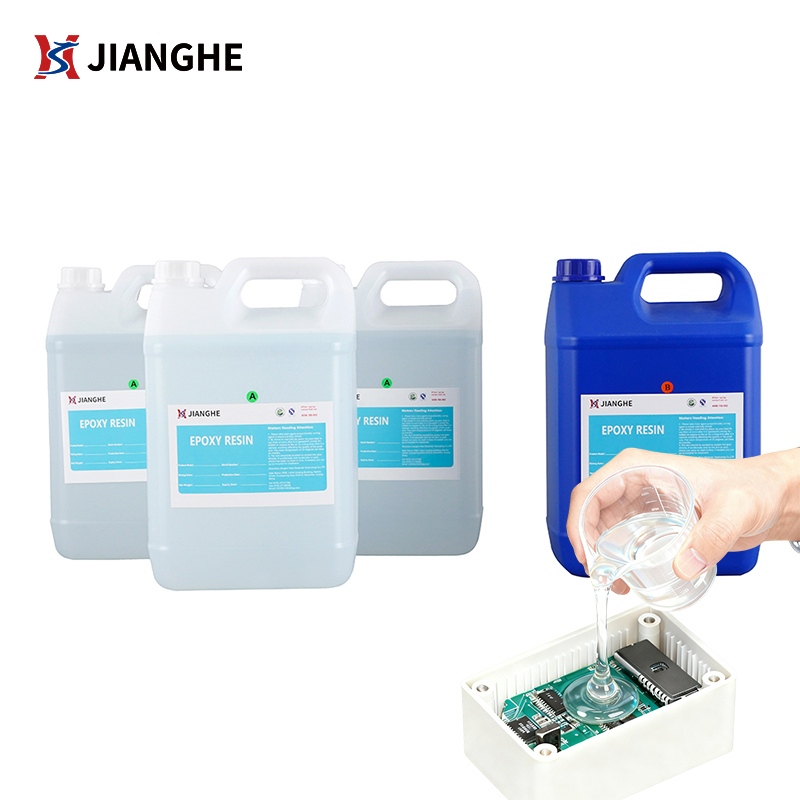
Electrically conductive potting compound represents a revolutionary material solution designed to provide both mechanical protection and electrical conductivity for sensitive electronic components. This specialized compound combines the protective qualities of traditional potting materials with enhanced electrical properties, making it an essential component in modern electronics manufacturing. The electrically conductive potting compound serves multiple critical functions in electronic assemblies, primarily offering encapsulation protection while maintaining electrical pathways between components. Unlike conventional potting compounds that act as insulators, this innovative material allows controlled electrical flow while shielding components from environmental hazards such as moisture, vibration, thermal stress, and chemical exposure. The technological features of electrically conductive potting compound include carefully engineered formulations that incorporate conductive fillers such as silver particles, carbon nanotubes, or copper flakes within a polymer matrix. These conductive elements create pathways for electrical current while the polymer base provides structural integrity and environmental protection. The compound typically exhibits excellent adhesion properties, ensuring secure bonding to various substrates including metals, ceramics, and plastics. Temperature stability represents another crucial technological aspect, with many formulations capable of withstanding extreme operating conditions from -40°C to +150°C without losing conductivity or mechanical properties. Applications for electrically conductive potting compound span numerous industries and electronic devices. In automotive electronics, this material protects sensitive sensors and control modules while maintaining signal integrity in harsh operating environments. Aerospace applications utilize the compound for satellite components and avionics systems where reliability and performance are paramount. Consumer electronics benefit from its use in smartphone components, tablet assemblies, and wearable devices where space constraints demand multifunctional materials. Industrial automation systems rely on electrically conductive potting compound for protecting motor controllers, sensors, and communication devices in factory environments. Medical device manufacturers incorporate this material in implantable devices and diagnostic equipment where both biocompatibility and electrical performance are essential. The compound's versatility extends to renewable energy applications, including solar panel junction boxes and wind turbine control systems, where long-term reliability and weather resistance are critical requirements.

Popular Products

The electrically conductive potting compound offers numerous practical benefits that directly address common challenges faced by electronics manufacturers and designers. One primary advantage involves simultaneous protection and conductivity, eliminating the need for separate protective enclosures and conductive pathways. This dual functionality reduces assembly complexity, decreases component count, and streamlines manufacturing processes while maintaining superior performance standards. Cost efficiency emerges as a significant benefit when manufacturers implement electrically conductive potting compound in their designs. By combining protective and conductive functions in a single material, companies reduce procurement costs, inventory requirements, and assembly time. The streamlined manufacturing process translates to faster production cycles and reduced labor expenses, ultimately improving profit margins and competitive positioning in the marketplace. Reliability enhancement represents another crucial advantage of electrically conductive potting compound. Traditional electronic assemblies often suffer from connection failures due to thermal cycling, vibration, and environmental exposure. The compound creates robust electrical connections while providing mechanical stability, significantly reducing failure rates and extending product lifespan. This improved reliability reduces warranty claims, maintenance costs, and customer satisfaction issues, creating long-term value for both manufacturers and end users. Design flexibility increases dramatically when engineers incorporate electrically conductive potting compound into their projects. The material allows for innovative packaging solutions, enabling smaller form factors and more complex geometries that would be impossible with traditional protection methods. Designers can create custom electrical pathways, integrate multiple functions within limited space, and develop products that meet specific performance requirements without compromising protection or conductivity. Environmental resistance stands out as a major practical benefit for applications exposed to harsh conditions. The electrically conductive potting compound provides excellent protection against moisture ingress, chemical corrosion, salt spray, and temperature extremes while maintaining electrical performance. This protection ensures consistent operation in challenging environments such as marine applications, outdoor installations, and industrial settings where traditional materials might fail. Manufacturing efficiency improves significantly when companies adopt electrically conductive potting compound technology. The material can be applied using standard dispensing equipment, requires minimal curing time, and integrates easily into existing production lines. Quality control becomes more straightforward as manufacturers can test both mechanical and electrical properties simultaneously, reducing inspection time and ensuring consistent product quality. The compound's shelf stability and handling characteristics further enhance manufacturing efficiency by reducing material waste and storage requirements.

Latest News

How Does Anti-Yellowing Resin Maintain Long-Term Visual Clarity?

17

Dec

How Does Anti-Yellowing Resin Maintain Long-Term Visual Clarity?

The Importance of Visual Stability in Modern Epoxy Applications Anti-Yellowing Resin has become a critical material choice in epoxy systems where long-term appearance, transparency, and color consistency are as important as mechanical performance. In...
View More
What Advantages Does Floor Coating Epoxy Offer in Warehouses and Factories?

23

Dec

What Advantages Does Floor Coating Epoxy Offer in Warehouses and Factories?

Advantages of Floor Coating Epoxy for Warehouses and Factories Maintaining durable, safe, and efficient flooring in warehouses and factories is a constant challenge. Heavy machinery, forklift traffic, and chemical exposure put extreme stress on concr...
View More
What Factors Limit the Service Life of Mold Making Silicone?

16

Jan

What Factors Limit the Service Life of Mold Making Silicone?

Understanding the Service Life of Mold Making Silicone Mold making silicone is widely used by manufacturers, artisans, and industrial professionals for its flexibility, durability, and precision. Despite its many advantages, the service life of mold ...
View More
Why Is Floor Coating Epoxy Suitable for Chemical Plants and Warehouses?

22

Jan

Why Is Floor Coating Epoxy Suitable for Chemical Plants and Warehouses?

The Advantages of Floor Coating Epoxy in Industrial Environments Floor coating epoxy has become a preferred choice for chemical plants, warehouses, and other industrial facilities due to its durability, chemical resistance, and ease of maintenance. I...
View More

Get a Free Quote

Our representative will contact you soon.
Email
Name
Company Name
Message
0/1000

electrically conductive potting compound

Superior Electromagnetic Interference Shielding Capability

Superior Electromagnetic Interference Shielding Capability

The electrically conductive potting compound delivers exceptional electromagnetic interference shielding performance that sets it apart from conventional protective materials in critical electronic applications. This advanced material creates a continuous conductive barrier around sensitive components, effectively blocking unwanted electromagnetic radiation while maintaining desired electrical connections. The shielding effectiveness typically ranges from 40 to 80 decibels across frequencies from 1 MHz to 18 GHz, providing robust protection against both conducted and radiated electromagnetic interference. This superior shielding capability proves essential in modern electronic devices where multiple high-frequency circuits operate in close proximity, potentially causing signal interference and performance degradation. The conductive matrix within the potting compound forms a Faraday cage effect around encapsulated components, redirecting electromagnetic energy away from sensitive circuits and preventing signal corruption. This protection becomes increasingly important as electronic devices become more compact and operate at higher frequencies, creating greater potential for electromagnetic compatibility issues. In telecommunications equipment, the electrically conductive potting compound ensures clear signal transmission by preventing cross-talk between adjacent circuits and blocking external interference sources. Automotive applications benefit significantly from this shielding capability, as modern vehicles contain numerous electronic systems that must operate reliably despite the electromagnetic noise generated by ignition systems, motors, and wireless communications. The compound's shielding properties remain stable across wide temperature ranges and extended operating periods, ensuring consistent protection throughout the product lifecycle. Military and aerospace applications particularly value this shielding capability, as equipment must function flawlessly in environments with intense electromagnetic activity from radar systems, communication equipment, and electronic warfare devices. The electrically conductive potting compound provides this critical protection while adding minimal weight and volume to the overall assembly, meeting strict size and weight requirements in these demanding applications. Medical device manufacturers rely on this shielding performance to ensure their equipment operates correctly in hospital environments filled with various electromagnetic sources, protecting both device functionality and patient safety.
Exceptional Thermal Management Properties

Exceptional Thermal Management Properties

The electrically conductive potting compound excels in thermal management applications, providing superior heat dissipation capabilities that protect electronic components from thermal damage while maintaining electrical conductivity throughout the operating temperature range. This dual thermal and electrical performance addresses one of the most significant challenges in modern electronics design, where increasing power densities and miniaturization create substantial heat management requirements. The compound's thermal conductivity typically ranges from 2 to 20 watts per meter-kelvin, depending on the specific formulation and filler content, allowing efficient heat transfer from heat-generating components to heat sinks or ambient environment. This thermal performance prevents hot spots that could cause component failure, performance degradation, or reduced product lifespan. The material's ability to conduct heat while maintaining electrical pathways eliminates the need for separate thermal interface materials, simplifying assembly processes and reducing overall system complexity. In high-power LED applications, the electrically conductive potting compound simultaneously provides electrical connections and thermal pathways, ensuring optimal light output and extended LED lifespan by preventing thermal degradation. Power electronics benefit tremendously from this thermal management capability, as switching devices generate substantial heat that must be removed efficiently to maintain performance and reliability. The compound creates intimate thermal contact with component surfaces, eliminating air gaps that impede heat transfer and ensuring consistent thermal performance across the entire assembly. Automotive power modules utilize this thermal management capability to handle the extreme heat generated by electric vehicle inverters and charging systems while maintaining electrical functionality in demanding operating conditions. The compound's thermal expansion coefficient closely matches common electronic materials, preventing thermal stress that could damage components or create reliability issues during temperature cycling. Industrial motor controllers and power supplies rely on this thermal management performance to operate safely at high power levels while maintaining compact form factors required by modern equipment designs. The electrically conductive potting compound's thermal stability ensures consistent performance across temperature ranges from -55°C to +200°C, making it suitable for applications in extreme environments where traditional materials might fail or degrade.
Outstanding Chemical and Environmental Resistance

Outstanding Chemical and Environmental Resistance

The electrically conductive potting compound demonstrates remarkable chemical and environmental resistance properties that ensure long-term reliability and performance in the most challenging operating conditions. This exceptional resistance stems from carefully engineered polymer matrices that maintain their protective and conductive properties despite exposure to harsh chemicals, extreme temperatures, humidity variations, and mechanical stress. The compound resists degradation from common industrial chemicals including oils, solvents, acids, bases, and cleaning agents, making it ideal for applications in chemical processing plants, manufacturing facilities, and outdoor installations where chemical exposure is unavoidable. Salt spray resistance meets or exceeds MIL-STD-810 requirements, ensuring reliable operation in marine environments where traditional materials quickly corrode and fail. This chemical resistance extends the operational lifespan of electronic assemblies significantly, reducing maintenance requirements and replacement costs while improving overall system reliability. UV radiation resistance prevents degradation when the electrically conductive potting compound is exposed to sunlight in outdoor applications such as solar installations, telecommunications equipment, and automotive systems. The material maintains its electrical and mechanical properties even after extended exposure to intense UV radiation, preventing cracking, discoloration, or loss of conductivity that could compromise system performance. Moisture resistance provides excellent protection against water ingress, vapor transmission, and condensation effects that typically cause electrical failures in sensitive electronic components. The compound creates an effective barrier that maintains its integrity even under high humidity conditions or direct water exposure, ensuring consistent electrical performance in challenging environments. Vibration and shock resistance characteristics make the electrically conductive potting compound particularly valuable in transportation and industrial applications where mechanical stress could damage conventional protective materials. The flexible yet durable formulation absorbs mechanical energy while maintaining electrical connections, preventing failure modes common in rigid encapsulation materials. Thermal cycling resistance ensures stable performance during repeated temperature changes that typically cause expansion and contraction stress in electronic assemblies. The compound accommodates these thermal movements without cracking or losing adhesion, maintaining both protective and conductive functions throughout numerous thermal cycles. Oil and fuel resistance makes this material essential in automotive and aerospace applications where exposure to various petroleum products is common, ensuring reliable operation in engines, fuel systems, and hydraulic equipment where traditional materials might swell, soften, or lose their protective properties.

Get Samples & Support

Email
Name
Company Name
Country/Region
What Are You Making
Single Choice
Estimated Monthly Usage
Single Choice
Message
0/1000