Premium Potting Compound for Electronic Components - Ultimate Protection Solutions

All Categories

Get a Tailored Solution

Provide your details below, and our material experts will contact you with a competitive quote and technical support within 24 hours.
Email
Name
Company Name
Message
0/1000

potting compound for electronic components

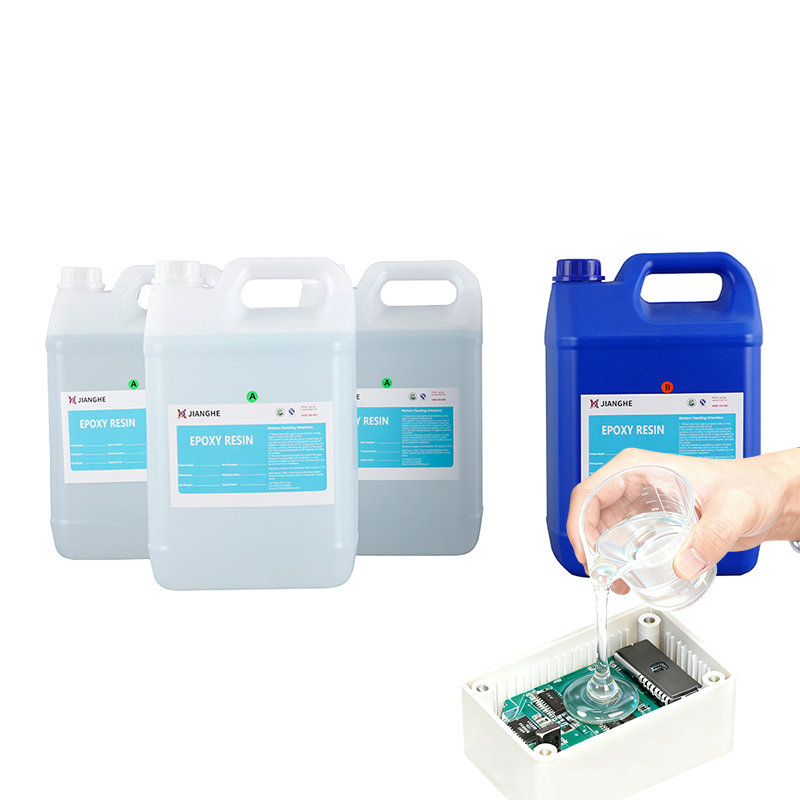
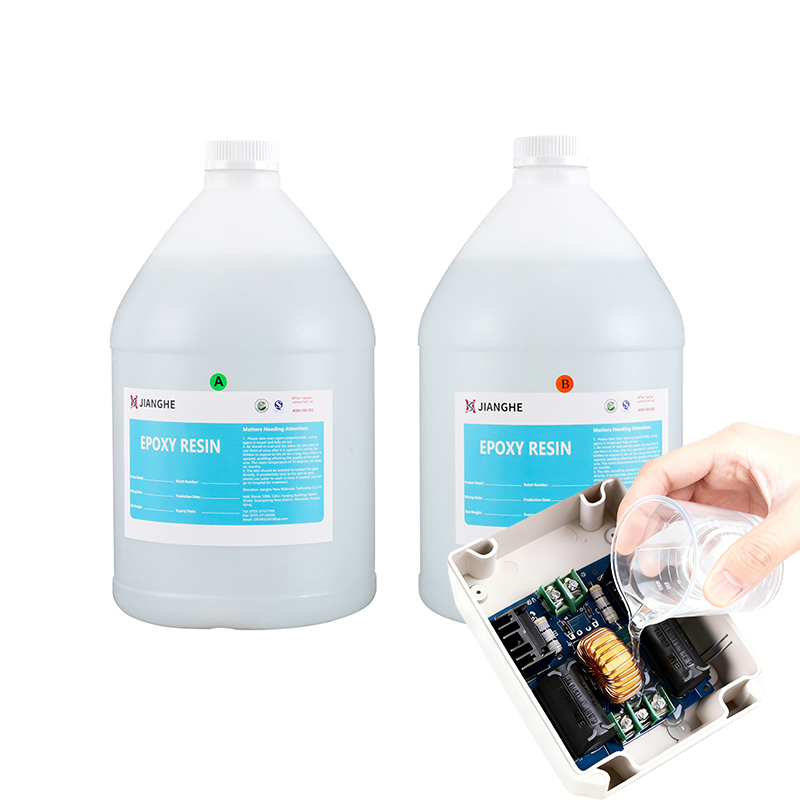
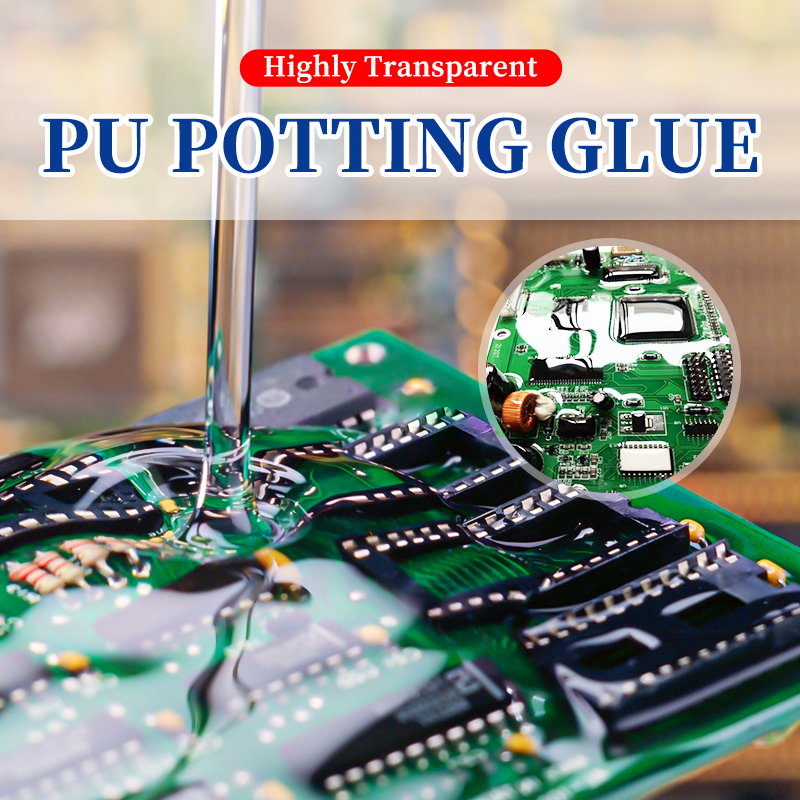
Potting compound for electronic components represents a critical protective solution designed to safeguard sensitive electronic assemblies from environmental hazards and mechanical stress. This specialized encapsulation material creates a permanent barrier around electronic circuits, transforming vulnerable components into robust, weatherproof units capable of withstanding harsh operating conditions. The potting compound for electronic components serves as both a physical shield and chemical barrier, preventing moisture ingress, dust contamination, and corrosive substances from compromising circuit integrity. Modern formulations utilize advanced polymer chemistry, incorporating epoxy resins, silicone elastomers, or polyurethane matrices that cure to form durable protective shells. These materials exhibit exceptional dielectric properties, maintaining electrical insulation while dissipating heat generated during operation. The potting compound for electronic components also provides mechanical reinforcement, reducing vibration-induced failures and component displacement in demanding applications. Manufacturing processes involve precise dispensing systems that ensure complete coverage without air voids or contamination. Curing mechanisms vary from room temperature vulcanization to elevated temperature cross-linking, allowing flexibility in production environments. Quality potting compound for electronic components demonstrates excellent adhesion to various substrates including printed circuit boards, metal housings, and ceramic components. Thermal management capabilities enable effective heat transfer while maintaining protective barriers. Chemical resistance ensures long-term stability in automotive, aerospace, marine, and industrial environments where exposure to oils, solvents, and cleaning agents occurs regularly. The potting compound for electronic components undergoes rigorous testing for electrical properties, mechanical strength, and environmental durability before deployment in critical applications.

New Product Recommendations

The potting compound for electronic components delivers exceptional moisture protection that significantly extends operational lifespan in humid environments. This waterproof barrier prevents corrosion of metal traces, component leads, and solder joints that commonly cause premature failure in unprotected circuits. Users benefit from reduced maintenance costs and improved reliability in outdoor installations, marine applications, and industrial settings where moisture exposure is inevitable. The thermal management properties of potting compound for electronic components enable efficient heat dissipation while maintaining protective coverage. This dual functionality eliminates the need for separate cooling solutions in many applications, reducing system complexity and manufacturing costs. Engineers appreciate the design flexibility that allows optimization of thermal pathways without compromising environmental protection. Vibration resistance provided by potting compound for electronic components prevents component fatigue and solder joint cracking in mobile equipment, automotive systems, and machinery installations. The encapsulation creates a unified structure that distributes mechanical stress evenly, eliminating stress concentration points that lead to failure. This mechanical reinforcement extends operational life in challenging environments while reducing warranty claims and field service requirements. Chemical resistance ensures stable performance when exposed to cleaning solvents, hydraulic fluids, fuel vapors, and industrial chemicals commonly encountered in working environments. The potting compound for electronic components maintains its protective properties without degradation, swelling, or loss of adhesion when subjected to these harsh conditions. Manufacturing efficiency improves through automated dispensing systems that provide consistent application without manual intervention. The curing process eliminates complex assembly procedures while creating permanent bonds that cannot be accidentally disturbed during subsequent manufacturing steps. Cost savings accumulate through reduced rework, improved yield rates, and elimination of secondary protection methods. Quality control becomes more predictable as the potting compound for electronic components creates uniform protection levels across production batches. The encapsulation process also provides tamper evidence and intellectual property protection by making reverse engineering more difficult. Long-term storage stability allows manufacturers to maintain inventory without degradation concerns, improving supply chain flexibility and reducing waste from expired materials.

Practical Tips

How Is Liquid Silicone Rubber Used in Professional Mold Making?

24

Dec

How Is Liquid Silicone Rubber Used in Professional Mold Making?

Practical Applications of Liquid Silicone Rubber in Professional Manufacturing Liquid Silicone Rubber plays a central role in professional making environments where precision, repeatability, and material reliability are critical. In contrast to hobby...
View More
How Can Buyers Assess Long-Term Reliability of a Resin Manufacturer?

11

Dec

How Can Buyers Assess Long-Term Reliability of a Resin Manufacturer?

Building Confidence in a Sustainable Manufacturing Partner Selecting a reliable Resin Manufacturer is a strategic decision that directly affects product quality, delivery stability, and long-term cooperation efficiency. For buyers sourcing epoxy resi...
View More
What Advantages Does Floor Coating Epoxy Offer in Warehouses and Factories?

23

Dec

What Advantages Does Floor Coating Epoxy Offer in Warehouses and Factories?

Advantages of Floor Coating Epoxy for Warehouses and Factories Maintaining durable, safe, and efficient flooring in warehouses and factories is a constant challenge. Heavy machinery, forklift traffic, and chemical exposure put extreme stress on concr...
View More
What Factors Limit the Service Life of Mold Making Silicone?

16

Jan

What Factors Limit the Service Life of Mold Making Silicone?

Understanding the Service Life of Mold Making Silicone Mold making silicone is widely used by manufacturers, artisans, and industrial professionals for its flexibility, durability, and precision. Despite its many advantages, the service life of mold ...
View More

Get a Free Quote

Our representative will contact you soon.
Email
Name
Company Name
Message
0/1000

potting compound for electronic components

Superior Environmental Sealing Technology

Superior Environmental Sealing Technology

The potting compound for electronic components employs advanced sealing technology that creates an impermeable barrier against environmental contaminants while maintaining optimal electrical performance. This sophisticated protection system utilizes molecular-level bonding mechanisms that form permanent seals around individual components and circuit pathways. The encapsulation process eliminates microscopic gaps where moisture, dust, and corrosive gases could penetrate and cause gradual degradation of sensitive electronics. Unlike traditional conformal coatings that provide surface protection only, potting compound for electronic components creates three-dimensional protective matrices that surround components completely. The sealing effectiveness extends beyond simple moisture resistance to include protection against salt spray, industrial chemicals, and atmospheric pollutants that commonly compromise electronic reliability. Advanced formulations incorporate hydrophobic additives that actively repel water molecules while maintaining flexibility to accommodate thermal expansion and contraction cycles. This environmental sealing capability proves especially valuable in automotive under-hood applications where temperature fluctuations, vibration, and chemical exposure create challenging operating conditions. Marine electronics benefit significantly from the salt-resistant properties that prevent galvanic corrosion and electrolytic degradation of metal components. Industrial control systems operating in manufacturing environments rely on this protection to maintain functionality despite exposure to cleaning solvents, lubricants, and process chemicals. The potting compound for electronic components also provides UV radiation resistance that prevents polymer degradation and maintains protective properties in outdoor installations. Quality testing protocols verify sealing effectiveness through accelerated aging tests, thermal cycling, and chemical immersion studies that simulate decades of real-world exposure. The result is a protection system that maintains integrity throughout the intended service life while preserving electrical specifications and mechanical stability.
Exceptional Thermal Management Capabilities

Exceptional Thermal Management Capabilities

The thermal management capabilities of potting compound for electronic components represent a breakthrough in heat dissipation technology that addresses the growing challenge of power density in modern electronic systems. These advanced materials combine high thermal conductivity with excellent electrical insulation properties, creating efficient heat transfer pathways that prevent component overheating while maintaining circuit protection. The thermal interface formed by potting compound for electronic components eliminates air gaps that typically impede heat flow, establishing direct conductive paths from heat-generating components to external cooling surfaces. Specialized fillers including aluminum oxide, boron nitride, and thermally conductive ceramics enhance heat transfer capabilities without compromising electrical isolation or mechanical properties. This thermal engineering approach enables higher power operation in compact form factors while extending component lifespan through reduced operating temperatures. Power electronics applications benefit tremendously from thermal management provided by potting compound for electronic components, as switching devices and transformers generate substantial heat that must be efficiently dissipated to prevent thermal runaway and performance degradation. LED lighting systems utilize these thermal properties to maintain optimal junction temperatures that preserve light output and color consistency throughout extended operating periods. Automotive electronics subjected to extreme temperature variations rely on thermal buffering effects that moderate temperature swings and reduce thermal stress on sensitive components. The potting compound for electronic components also provides thermal shock resistance that protects against rapid temperature changes encountered during power cycling or environmental transitions. Thermal expansion matching ensures that encapsulated components experience minimal stress during heating and cooling cycles, preventing mechanical failures associated with differential expansion rates. Advanced testing methodologies measure thermal impedance, heat capacity, and long-term thermal stability to verify performance under extreme conditions. Manufacturing processes optimize thermal pathway formation through controlled dispenser patterns that maximize heat transfer efficiency while ensuring complete component coverage and protection.
Advanced Chemical and Mechanical Durability

Advanced Chemical and Mechanical Durability

The chemical and mechanical durability of potting compound for electronic components establishes new standards for long-term protection in aggressive operating environments where conventional protection methods fail. This comprehensive durability encompasses resistance to chemical attack, mechanical stress, and environmental aging that commonly compromise electronic system integrity over extended service periods. The cross-linked polymer structure of potting compound for electronic components creates stable molecular networks that resist degradation from organic solvents, acids, bases, and oxidizing agents encountered in industrial and automotive applications. Mechanical properties including tensile strength, impact resistance, and fatigue endurance ensure that encapsulated components remain protected despite vibration, shock loading, and thermal cycling stresses. This durability advantage proves critical in transportation applications where constant motion, road vibration, and shock loading create demanding mechanical environments. Aerospace electronics benefit from the ability to withstand pressure cycling, temperature extremes, and chemical exposure to aircraft fluids and cleaning agents. The potting compound for electronic components maintains adhesion strength throughout environmental exposure cycles, preventing delamination that could compromise protective barriers. Chemical inertness prevents plasticizer migration, catalyst poisoning, and other degradation mechanisms that affect neighboring materials and components. Accelerated aging tests demonstrate retention of protective properties after simulated decades of exposure to elevated temperatures, humidity, and chemical environments. The mechanical reinforcement provided by potting compound for electronic components distributes stress loads across entire assemblies rather than concentrating forces at vulnerable connection points. This stress distribution prevents wire bond failures, component cracking, and solder joint fatigue that commonly occur in unprotected circuits subjected to mechanical stress. Quality assurance protocols include chemical compatibility testing with materials commonly encountered in target applications, ensuring that protective properties remain stable throughout the intended service environment. The resulting durability profile enables deployment in harsh industrial environments, underground installations, and marine applications where component replacement is difficult or impossible.

Get Samples & Support

Email
Name
Company Name
Country/Region
What Are You Making
Single Choice
Estimated Monthly Usage
Single Choice
Message
0/1000