
 EN
EN
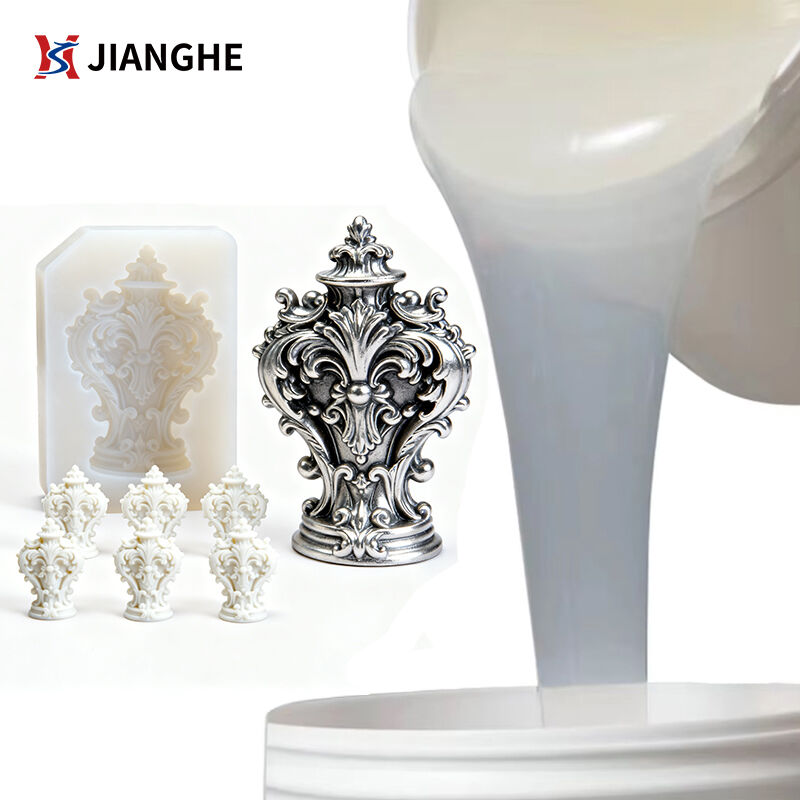
Understanding the Service Life of Mold Making Silicone
Mold making silicone is widely used by manufacturers, artisans, and industrial professionals for its flexibility, durability, and precision. Despite its many advantages, the service life of mold making silicone is not unlimited. Over time, silicone molds can degrade, lose elasticity, or develop defects that affect the quality of replicated parts. Understanding the factors that influence the longevity of mold making silicone helps users optimize production, maintain consistent results, and reduce material waste. By considering chemical, environmental, and usage-related influences, professionals can extend the effective lifespan of their silicone molds while achieving high-quality outcomes.
Key Factors Affecting the Longevity of Mold Making Silicone
Chemical Composition and Quality of Silicone
The formulation of mold making silicone plays a critical role in its durability. High-quality silicone with optimized crosslink density and low filler content tends to resist tearing, deformation, and aging better than low-grade alternatives. The presence of certain additives can also impact the longevity, influencing factors like flexibility, heat resistance, and compatibility with casting materials. Selecting premium mold making silicone ensures reliable performance and longer service life.
Environmental Exposure and Storage Conditions
Environmental factors such as temperature, humidity, and exposure to UV light significantly influence the lifespan of mold making silicone. Prolonged exposure to direct sunlight or high temperatures can accelerate degradation and hardening, while excessive moisture may cause surface changes or microbial growth in certain formulations. Proper storage in cool, dry, and UV-protected environments can substantially extend mold longevity.
Mechanical Stress and Usage Frequency
Frequent demolding, stretching, or high-pressure casting can gradually wear down silicone molds. Complex shapes with undercuts or intricate details may experience faster wear due to repeated stress. Monitoring usage frequency, avoiding over-stretching, and supporting delicate molds during demolding are practical steps to prevent premature damage.
Effects of Casting Materials on Mold Making Silicone
Compatibility with Resin and Plaster
Casting materials directly affect the service life of mold making silicone. Certain resins or plasters may contain chemicals that react with silicone, causing surface tackiness, softening, or discoloration. Understanding the chemical compatibility of the chosen casting material with mold making silicone is essential for maintaining mold integrity.
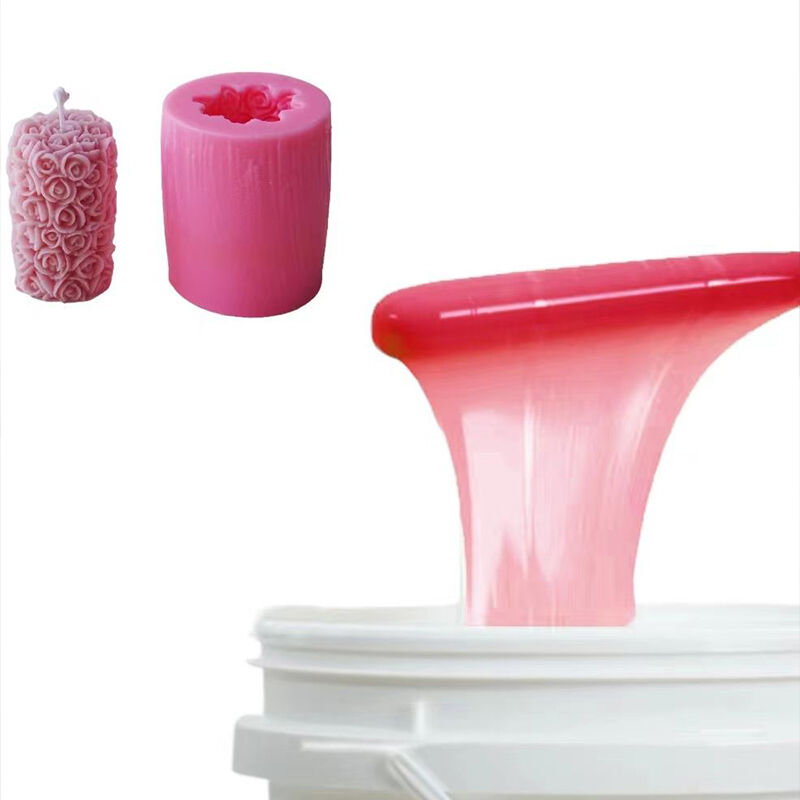
Heat-Sensitive Casting Materials
Materials that require high curing temperatures can compromise the structural stability of mold making silicone. Excessive heat may accelerate oxidation or cause the silicone to lose flexibility. Using silicone grades rated for high-temperature applications can mitigate these effects and ensure longer mold usability.
Release Agents and Surface Protection
Applying appropriate release agents is a crucial factor in preserving mold making silicone. These agents reduce friction, prevent sticking, and minimize mechanical stress during demolding. Selecting release agents that are compatible with both the silicone mold and the casting material helps maintain surface quality and mold longevity.
Maintenance Practices for Prolonging Mold Making Silicone Life
Cleaning and Storage Procedures
Regular cleaning of mold making silicone molds prevents residue buildup that could degrade the surface over time. Mild, non-abrasive cleaners and careful handling are recommended. Storing molds in a flat, protected environment away from UV light, extreme temperatures, and sharp objects ensures minimal physical stress and deformation.
Avoiding Mechanical Damage
Handling molds gently during production is essential. Avoid bending, tearing, or stretching the silicone excessively, particularly around fine details and edges. Supporting molds with backing materials or frames can reduce mechanical strain and prolong service life.
Inspection and Repair Techniques
Frequent inspection for small tears, cracks, or discoloration allows early intervention. Minor damages can often be repaired using compatible silicone or patching techniques, extending the functional lifespan of the mold. Maintaining a proactive approach to mold care ensures consistent results and cost-effective production.
FAQ
How long does mold making silicone typically last
The service life of mold making silicone varies depending on quality, usage, and environmental conditions. High-quality silicone molds used under optimal conditions can last hundreds of production cycles, while lower-grade or heavily stressed molds may degrade more quickly.
What environmental factors reduce the life of mold making silicone
Exposure to UV light, high temperatures, and excessive moisture can accelerate aging and degradation of silicone molds. Storing molds in controlled conditions helps maintain their performance and longevity.
How do casting materials affect mold making silicone
Certain casting materials can react with silicone, causing surface changes or reduced elasticity. Heat-sensitive or chemically reactive materials may shorten mold life unless compatible silicone grades and protective measures are used.
Can mold making silicone be repaired if damaged
Minor tears or surface defects can often be repaired using compatible silicone adhesives or patching techniques. Regular maintenance and careful handling reduce the need for frequent repairs.