polyurethane potting compound for electronics
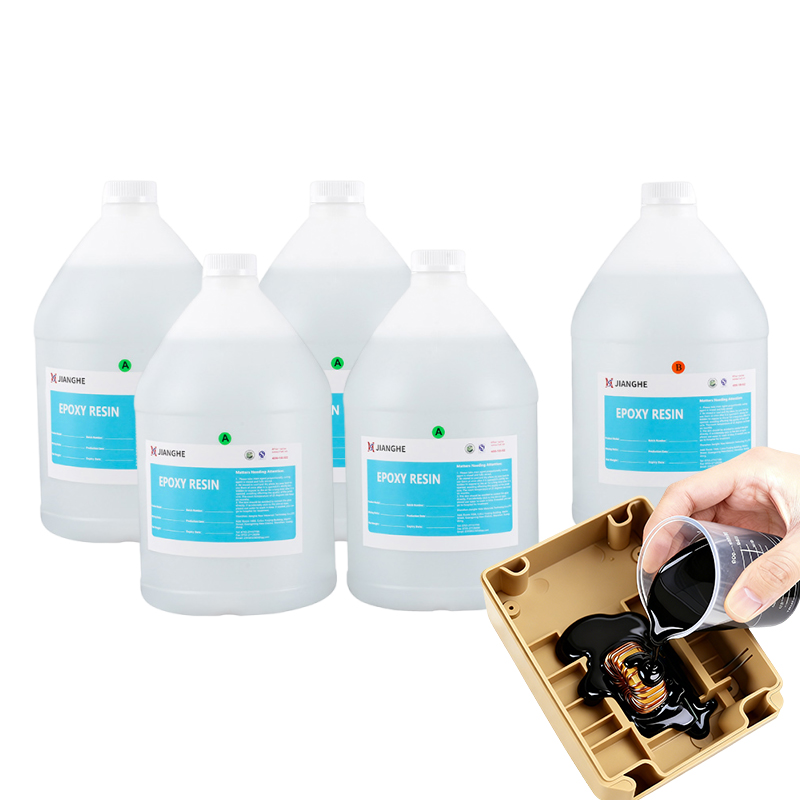
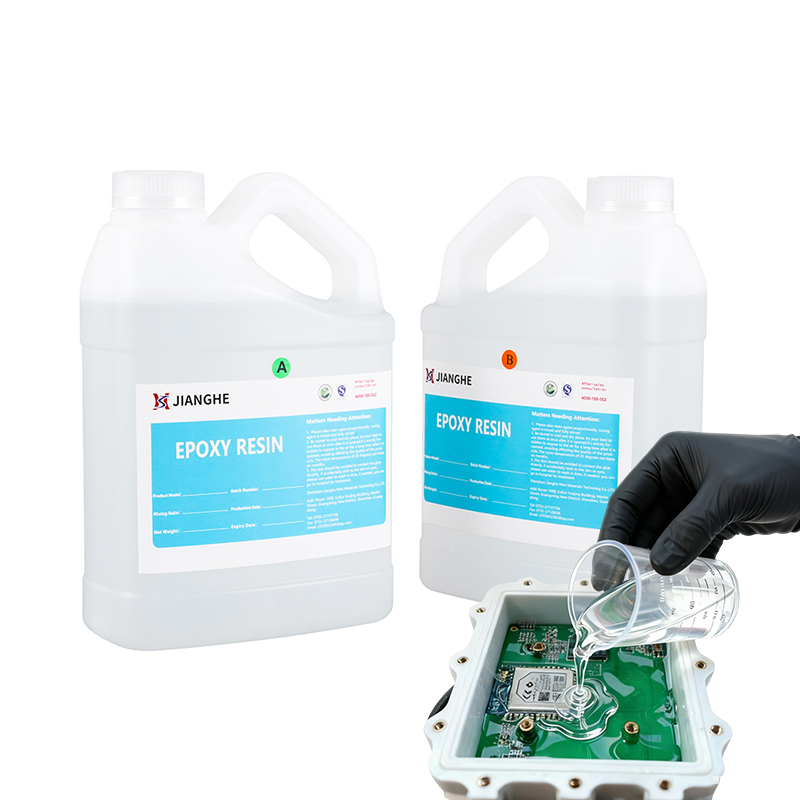
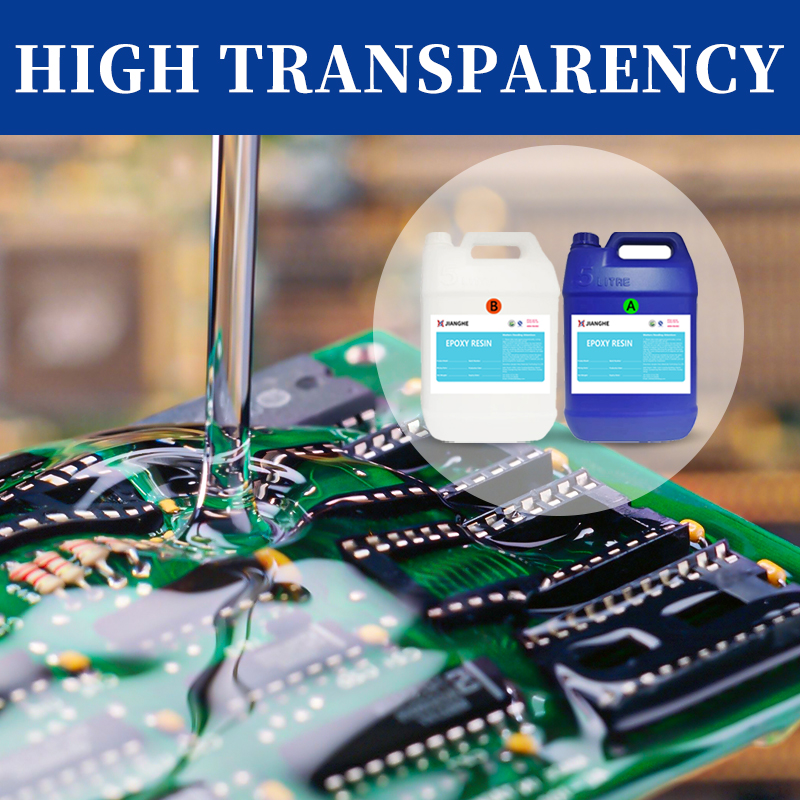
Polyurethane potting compound for electronics represents a critical protective solution designed to safeguard sensitive electronic components from environmental damage, mechanical stress, and operational failures. This specialized polyurethane potting compound for electronics creates a protective encapsulation layer that shields circuit boards, connectors, and delicate semiconductor devices from moisture, dust, chemicals, and thermal fluctuations. The primary function of polyurethane potting compound for electronics involves creating a durable, insulating barrier that maintains electrical integrity while providing mechanical protection during manufacturing, transport, and deployment. Technologically, polyurethane potting compound for electronics features low exotherm properties, ensuring minimal heat generation during the curing process that could damage nearby components. The compound exhibits excellent adhesion characteristics, bonding seamlessly to various substrate materials including fiberglass, ceramic, and metal surfaces. Modern polyurethane potting compound for electronics formulations offer flexibility, allowing for thermal expansion and contraction cycles without cracking or separation. Applications extend across automotive electronics, industrial control systems, renewable energy installations, telecommunications equipment, and consumer electronic devices. The potting compound remains serviceable across extreme temperature ranges, typically from -40°C to +130°C, maintaining performance in demanding operational environments. Industries increasingly rely on polyurethane potting compound for electronics to meet stringent reliability standards, including military specifications, aerospace certifications, and marine environment requirements. This versatile material combines superior protection with manufacturing efficiency, making it an indispensable component in modern electronics production.

 EN
EN