
 EN
EN
Building Confidence in a Sustainable Manufacturing Partner
Selecting a reliable Resin Manufacturer is a strategic decision that directly affects product quality, delivery stability, and long-term cooperation efficiency. For buyers sourcing epoxy resins, functional polymers, or customized resin systems, reliability is not defined by size alone. Instead, it reflects a manufacturer’s ability to deliver consistent quality, respond flexibly to demand changes, and maintain stable operations over time.
For medium-sized source factories, long-term reliability often comes from focused production capabilities, controlled supply chains, and close customer collaboration rather than mass-standardized output. Buyers assessing a Resin Manufacturer must therefore evaluate not only current capacity but also operational discipline, technical depth, and partnership mindset that support sustainable cooperation.
Organizational Stability and Business Structure
Ownership Transparency and Management Continuity
A reliable Resin Manufacturer typically demonstrates clear ownership structure and stable management teams. Medium-scale manufacturers with direct factory ownership often benefit from faster decision-making and consistent strategic direction. Management continuity allows production standards, supplier relationships, and customer service processes to mature over time.
Buyers should review company background information, operational history, and leadership structure to understand how decisions are made and how risks are managed internally.
Long-Term Market Positioning Strategy
Rather than competing on volume alone, many dependable Resin Manufacturer operations position themselves within specific application segments. This focused strategy supports stable demand, predictable production planning, and controlled expansion.
Manufacturers that clearly articulate their long-term positioning are more likely to maintain consistent investment in equipment, personnel, and quality systems that support reliability.
Production Capability and Operational Discipline
Controlled Manufacturing Scale and Process Consistency
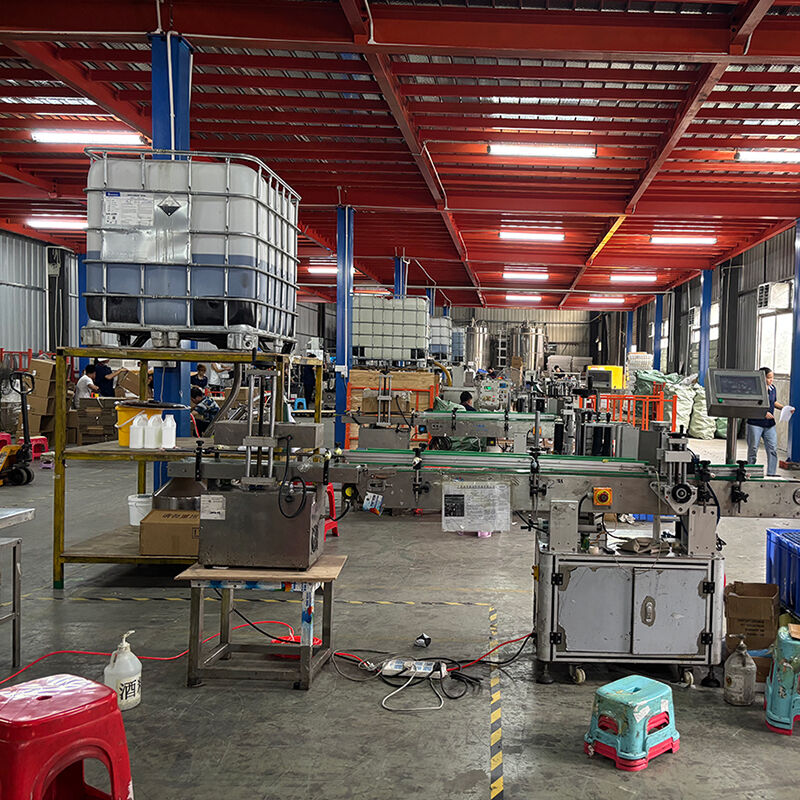
For a Resin Manufacturer, controlled scale is often an advantage. Medium-sized facilities can maintain tighter control over formulations, batch consistency, and process parameters. This reduces variability and improves traceability across production runs.
Buyers should examine whether manufacturing processes are standardized, documented, and repeatable. Stable production routines are strong indicators of long-term reliability.
Equipment Maintenance and Process Redundancy
Well-maintained reactors, mixing systems, and curing equipment contribute directly to consistent output. A reliable Resin Manufacturer invests in preventive maintenance rather than reactive repairs.
While medium-scale factories may not operate massive redundant lines, responsible manufacturers implement backup planning for critical steps to minimize production interruptions and delivery risks.
Quality Control and Internal Verification Systems
Practical Quality Management Systems
Effective quality management is not defined solely by certificates but by daily execution. A reliable Resin Manufacturer applies quality control at raw material intake, in-process stages, and final inspection.
Buyers should evaluate how quality standards are implemented on the shop floor, how deviations are handled, and how corrective actions are documented and tracked.
In-House Testing and Batch Validation
In-house testing capabilities allow a Resin Manufacturer to verify product performance quickly and consistently. Common tests include viscosity, gel time, thermal behavior, and application performance indicators.
Batch-level testing enhances reliability by ensuring that every shipment meets agreed specifications, reducing downstream risk for buyers.
Supply Chain Control and Raw Material Management
Direct Sourcing and Supplier Relationships
A dependable Resin Manufacturer maintains long-term relationships with qualified raw material suppliers. Direct sourcing reduces dependency on intermediaries and improves material traceability.
Buyers should assess how raw material risks are managed and whether alternative sourcing plans exist to support continuity during market fluctuations.
Inventory Planning and Material Stability
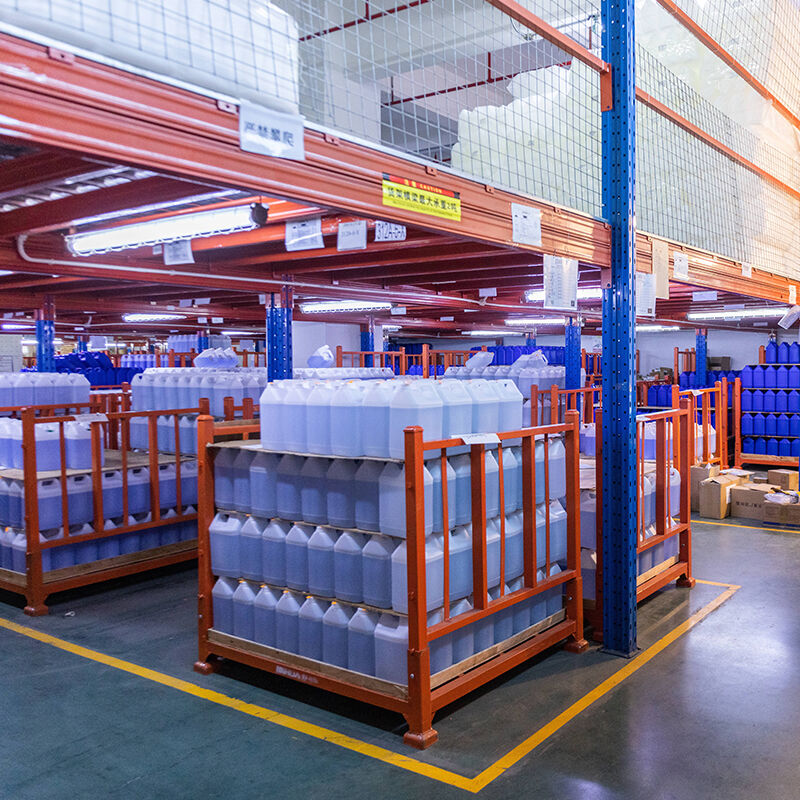
Balanced inventory management ensures production continuity without compromising material freshness. Medium-sized Resin Manufacturer operations often excel in inventory discipline due to closer coordination between procurement and production teams.
Well-managed storage conditions also protect material performance consistency over time.
Technical Capability and Customization Support
Application Knowledge and Formulation Flexibility
A reliable Resin Manufacturer understands how its products perform in real applications. This knowledge supports better formulation selection, processing guidance, and performance optimization.
Manufacturers that offer formulation adjustments demonstrate flexibility and technical depth, which are critical for long-term cooperation.
Collaborative Development and Problem Resolution
Long-term reliability is strengthened when a Resin Manufacturer actively supports customer development cycles. Technical feedback loops, sample testing, and joint troubleshooting reduce risks and improve mutual efficiency.
This collaborative approach often differentiates medium-scale source factories from standardized mass producers.
Communication Efficiency and Service Reliability
Order Management and Delivery Coordination
Consistent communication regarding production schedules and delivery timelines is essential. A reliable Resin Manufacturer provides realistic lead times and proactive updates when conditions change.
Transparent order handling supports better planning and reduces operational uncertainty for buyers.
Responsiveness and Accountability
Medium-sized Resin Manufacturer teams often offer direct access to decision-makers. This short communication chain allows faster responses and clearer accountability when issues arise.
Responsiveness is a strong indicator of a manufacturer’s commitment to long-term partnership rather than short-term transactions.
Compliance Awareness and Operational Responsibility
Regulatory Alignment and Documentation Control
Reliable manufacturers operate within applicable regulatory frameworks and maintain proper documentation for materials, safety, and transport. Consistent compliance reduces supply disruption risks.
Buyers should confirm that a Resin Manufacturer understands export requirements and industry-specific regulations relevant to their applications.
Operational Responsibility and Risk Awareness
Responsible production practices protect both workers and downstream users. A reliable Resin Manufacturer demonstrates awareness of safety, environmental impact, and operational risks, even without large-scale corporate sustainability programs.
This practical responsibility contributes to stable long-term operations.
Long-Term Partnership Value for Buyers
Stability Over Volume-Driven Expansion
For many buyers, reliability means predictability rather than aggressive expansion. A focused Resin Manufacturer that grows steadily while maintaining quality control often delivers better long-term value.
Buyers benefit from suppliers that prioritize consistency, communication, and continuous improvement.
Alignment with Buyer Growth and Market Changes
A reliable Resin Manufacturer adapts alongside its customers. Scalable production planning, formulation flexibility, and open communication allow both parties to manage growth and market changes effectively.
This alignment supports durable supply relationships.
FAQ
What indicators best reflect a Resin Manufacturer’s long-term reliability
Consistent production processes, stable management, controlled growth strategy, and strong quality execution are key indicators of long-term reliability.
How can buyers assess reliability without relying on company size
Buyers should focus on process control, technical capability, communication quality, and operational discipline rather than production scale alone.
Why do medium-sized Resin Manufacturer factories often offer better flexibility
Medium-scale manufacturers typically have shorter decision chains, closer customer interaction, and greater willingness to customize formulations and service processes.
How important is communication in evaluating a Resin Manufacturer
Clear and responsive communication directly affects delivery stability, issue resolution, and overall partnership success, making it a critical reliability factor.
Table of Contents
- Building Confidence in a Sustainable Manufacturing Partner
- Organizational Stability and Business Structure
- Production Capability and Operational Discipline
- Quality Control and Internal Verification Systems
- Supply Chain Control and Raw Material Management
- Technical Capability and Customization Support
- Communication Efficiency and Service Reliability
- Compliance Awareness and Operational Responsibility
- Long-Term Partnership Value for Buyers
- FAQ