Leading Silicone Raw Material Suppliers - Quality Materials & Custom Solutions

All Categories

Get a Tailored Solution

Provide your details below, and our material experts will contact you with a competitive quote and technical support within 24 hours.
Email
Name
Company Name
Message
0/1000

silicone raw material suppliers

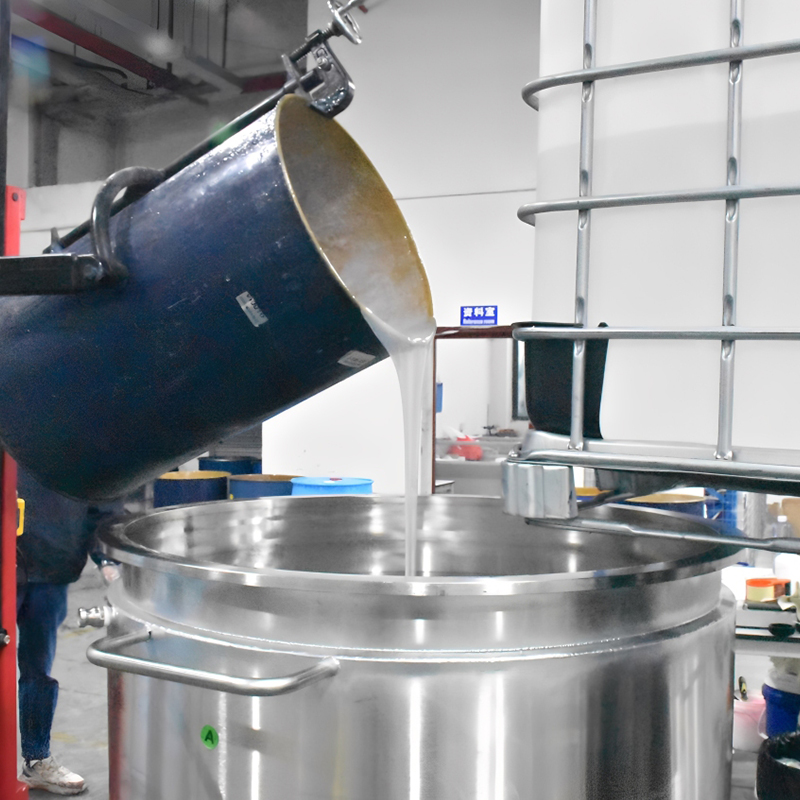
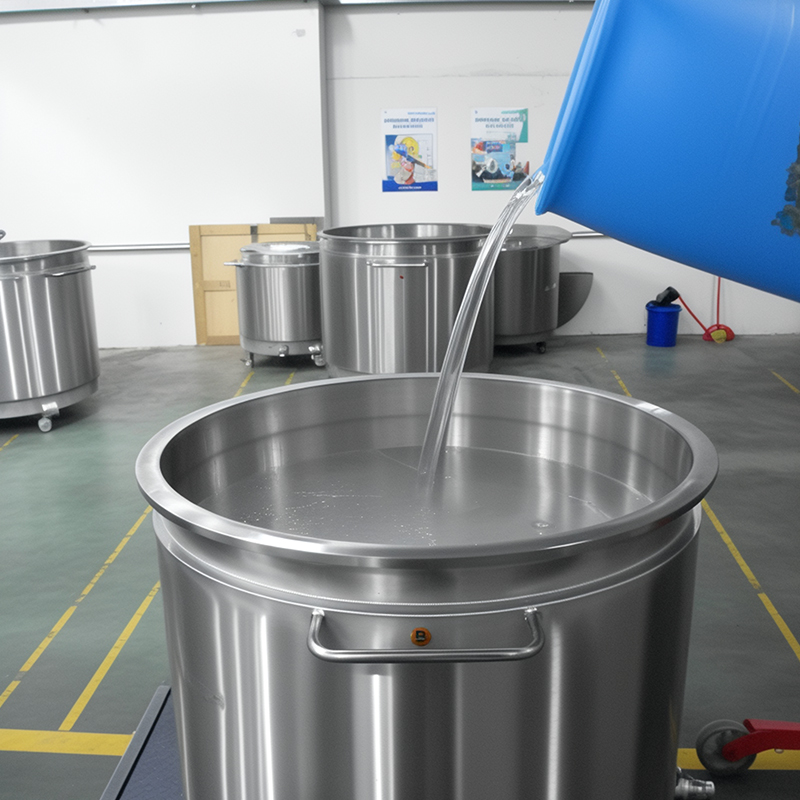
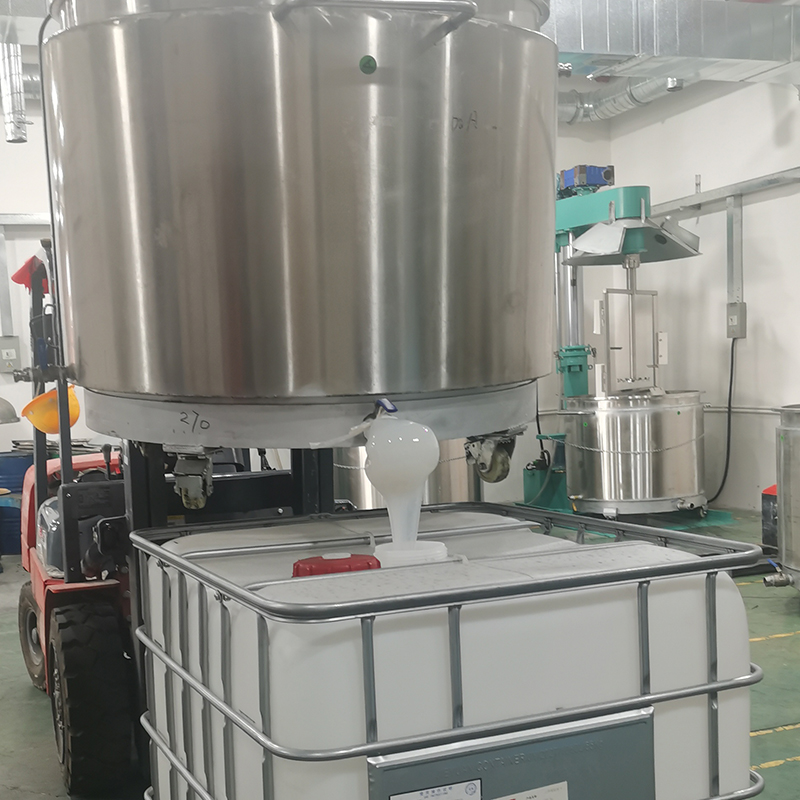
Silicone raw material suppliers serve as the backbone of numerous industries by providing essential compounds that form the foundation of countless applications. These specialized companies manufacture and distribute various forms of silicone materials, including silicone oils, elastomers, resins, and specialty compounds that meet diverse industrial requirements. The primary function of silicone raw material suppliers involves transforming basic silicon-containing compounds into high-performance materials through advanced chemical processes. Their technological capabilities encompass precise molecular engineering, quality control systems, and innovative formulation techniques that ensure consistent product performance across different applications. Modern silicone raw material suppliers utilize state-of-the-art manufacturing facilities equipped with automated production lines, sophisticated testing equipment, and environmental monitoring systems. These suppliers maintain strict quality standards through comprehensive testing protocols that evaluate thermal stability, chemical resistance, mechanical properties, and purity levels. The technological features of leading suppliers include custom formulation services, technical support teams, and research and development capabilities that enable them to create tailored solutions for specific customer needs. Applications for materials from silicone raw material suppliers span across automotive, electronics, healthcare, construction, aerospace, and consumer goods industries. In automotive applications, these materials contribute to gaskets, seals, adhesives, and protective coatings that enhance vehicle performance and durability. Electronics manufacturers rely on silicone compounds for encapsulation materials, thermal interface compounds, and insulation systems that protect sensitive components. Healthcare applications include medical-grade silicones for implants, catheters, and pharmaceutical processing equipment. Construction industry utilizes weatherproof sealants, structural glazing compounds, and waterproofing materials sourced from these suppliers. The aerospace sector depends on high-temperature resistant silicone materials for critical applications where performance under extreme conditions is essential.

New Product Recommendations

Partnering with established silicone raw material suppliers delivers numerous practical benefits that directly impact your business operations and product quality. These suppliers offer extensive product portfolios that eliminate the need to work with multiple vendors, streamlining your procurement process and reducing administrative overhead. You gain access to consistent material quality through their rigorous testing procedures and quality management systems, ensuring your end products meet specifications every time. Technical expertise represents another significant advantage, as experienced suppliers provide valuable guidance on material selection, application methods, and troubleshooting support that helps optimize your manufacturing processes. Cost effectiveness emerges through their bulk purchasing power and efficient production methods, allowing them to offer competitive pricing while maintaining superior quality standards. Reliable supply chain management ensures timely delivery of materials, preventing production delays and maintaining your operational schedule. Many suppliers offer flexible ordering options, including just-in-time delivery and customized packaging solutions that align with your specific requirements. Innovation support comes through their ongoing research and development efforts, giving you early access to new formulations and improved materials that can enhance your product performance. Environmental compliance becomes easier when working with suppliers who maintain proper certifications and follow sustainable manufacturing practices, helping you meet regulatory requirements. Quality documentation and traceability systems provide complete material history and certification records that support your own quality assurance programs. Technical training and application support help your team maximize the potential of silicone materials, improving processing efficiency and reducing waste. Global distribution networks enable consistent material supply regardless of your manufacturing locations, supporting business expansion and international operations. Custom formulation services allow you to develop unique materials tailored to your specific applications, providing competitive advantages in your market. Long-term partnerships with silicone raw material suppliers often result in preferential pricing, priority allocation during supply constraints, and collaborative development opportunities that drive mutual success.

Practical Tips

How Can Buyers Assess Long-Term Reliability of a Resin Manufacturer?

11

Dec

How Can Buyers Assess Long-Term Reliability of a Resin Manufacturer?

Building Confidence in a Sustainable Manufacturing Partner Selecting a reliable Resin Manufacturer is a strategic decision that directly affects product quality, delivery stability, and long-term cooperation efficiency. For buyers sourcing epoxy resi...
View More
What Makes River Table Epoxy Suitable for Deep-Pour Applications?

24

Dec

What Makes River Table Epoxy Suitable for Deep-Pour Applications?

Understanding the Advantages of River Table Epoxy for Deep-Pour Applications River tables are a striking fusion of natural wood and clear epoxy resin, creating a visually stunning centerpiece. The use of deep-pour epoxy is critical in achieving thick...
View More
Why Is Clear Epoxy Resin More Prone to Yellowing?

10

Jan

Why Is Clear Epoxy Resin More Prone to Yellowing?

Understanding the Yellowing of Clear Epoxy Resin Clear epoxy resin is widely used in flooring, furniture, art, and industrial applications due to its transparency, durability, and glossy finish. However, one common challenge faced by manufacturers, a...
View More
How Does River Table Epoxy Control Exothermic Reaction and Cracking?

28

Jan

How Does River Table Epoxy Control Exothermic Reaction and Cracking?

Managing Exothermic Reactions and Cracking in River Table Epoxy River Table Epoxy has become a favorite material for designers and artisans who create stunning river tables, countertops, and artistic pieces. Its clarity, durability, and versatility m...
View More

Get a Free Quote

Our representative will contact you soon.
Email
Name
Company Name
Message
0/1000

silicone raw material suppliers

Advanced Quality Control Systems

Advanced Quality Control Systems

Leading silicone raw material suppliers implement comprehensive quality control systems that set industry standards for material consistency and performance reliability. These sophisticated systems begin with raw material inspection, where incoming silicon-containing compounds undergo rigorous testing to verify purity levels, chemical composition, and physical properties before entering the production process. Advanced analytical equipment, including gas chromatography, infrared spectroscopy, and nuclear magnetic resonance systems, enables precise characterization of molecular structures and identification of potential contaminants. During production, automated monitoring systems continuously track critical parameters such as temperature, pressure, viscosity, and cure rates to ensure optimal processing conditions. Statistical process control methods help identify trends and variations that could affect product quality, enabling proactive adjustments before defects occur. Final product testing involves comprehensive evaluation of mechanical properties, thermal stability, electrical characteristics, and chemical resistance using standardized test methods and customer-specific requirements. Quality management systems typically follow international standards such as ISO 9001, ensuring consistent documentation, traceability, and continuous improvement practices. Many suppliers maintain dedicated quality laboratories staffed by experienced chemists and materials scientists who develop new testing methods and validate existing procedures. Customer-specific testing protocols can be implemented to address unique application requirements, providing additional assurance that materials will perform as expected in end-use applications. Batch-to-batch consistency is maintained through strict adherence to formulation recipes, controlled storage conditions, and comprehensive record-keeping systems that track every aspect of the manufacturing process. These quality control systems provide customers with detailed certificates of analysis, material safety data sheets, and technical data packages that support their own quality assurance programs and regulatory compliance efforts.
Custom Formulation Capabilities

Custom Formulation Capabilities

Professional silicone raw material suppliers distinguish themselves through extensive custom formulation capabilities that address unique customer requirements and specialized applications. These capabilities begin with comprehensive application analysis, where technical teams work closely with customers to understand specific performance requirements, operating conditions, and processing constraints. Experienced formulation chemists utilize their deep knowledge of silicone chemistry to design materials with precisely tailored properties such as hardness, flexibility, temperature resistance, electrical conductivity, or biocompatibility. State-of-the-art laboratory facilities equipped with mixing equipment, curing ovens, and testing instruments enable rapid development and evaluation of prototype formulations. The formulation process involves systematic adjustment of base polymers, crosslinking agents, fillers, and additives to achieve desired performance characteristics while maintaining processability and cost effectiveness. Accelerated aging tests and environmental exposure studies help predict long-term performance and identify potential degradation mechanisms under actual use conditions. Pilot-scale production capabilities allow for larger sample quantities and preliminary manufacturing trials that validate scalability before full commercial production. Technical documentation packages include detailed formulation specifications, processing guidelines, and performance data that support customer product development and manufacturing implementation. Intellectual property protection ensures that custom formulations remain confidential and exclusive to the requesting customer, providing competitive advantages in their respective markets. Ongoing technical support throughout the development process includes troubleshooting assistance, process optimization recommendations, and performance enhancement suggestions based on field experience. Many suppliers maintain extensive databases of previous formulation work, enabling rapid identification of existing solutions or starting points for new development projects. Collaborative partnerships often extend beyond initial formulation development to include continuous improvement programs, cost reduction initiatives, and new application exploration that drives long-term business success.
Global Supply Chain Excellence

Global Supply Chain Excellence

Established silicone raw material suppliers operate sophisticated global supply chain networks that ensure reliable material availability and consistent service delivery across international markets. These comprehensive networks begin with strategically located manufacturing facilities that utilize advanced production technologies and maintain substantial inventory levels to support customer demand fluctuations. Distribution centers positioned in key geographic regions provide local storage capabilities and reduce shipping times while maintaining product quality through proper handling and storage procedures. Sophisticated logistics management systems coordinate transportation, inventory tracking, and delivery scheduling to optimize efficiency and minimize costs while ensuring on-time performance. Supply chain resilience is built through diversified sourcing strategies, backup manufacturing capabilities, and strategic inventory positioning that protects against disruptions from natural disasters, geopolitical events, or unexpected demand spikes. Advanced forecasting systems analyze historical consumption patterns, market trends, and customer projections to optimize inventory levels and production planning, reducing the risk of stockouts or excess inventory. Quality maintenance throughout the supply chain involves temperature-controlled storage, proper packaging materials, and handling procedures that preserve material properties during transportation and storage. Regulatory compliance management ensures that all materials meet local requirements for safety, environmental impact, and product registration in each market served. Customer service teams located in different time zones provide responsive support for order placement, shipment tracking, and technical assistance in local languages. Electronic data interchange systems enable seamless integration with customer procurement systems, automated order processing, and real-time visibility into inventory levels and shipment status. Sustainability initiatives throughout the supply chain include optimization of transportation routes, reduction of packaging waste, and implementation of environmentally responsible manufacturing practices. Risk management programs continuously monitor potential supply chain vulnerabilities and develop contingency plans to maintain service continuity during challenging circumstances.

Get Samples & Support

Email
Name
Company Name
Country/Region
What Are You Making
Single Choice
Estimated Monthly Usage
Single Choice
Message
0/1000