
 EN
EN
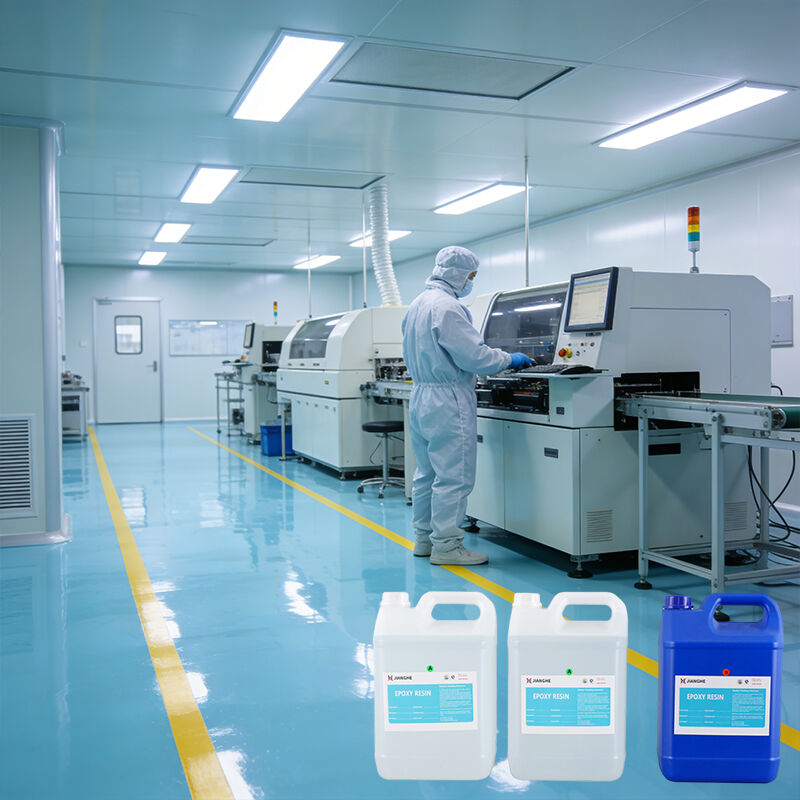
The Advantages of Floor Coating Epoxy in Industrial Environments
Floor coating epoxy has become a preferred choice for chemical plants, warehouses, and other industrial facilities due to its durability, chemical resistance, and ease of maintenance. Industrial environments often require flooring solutions that can withstand heavy machinery, frequent foot traffic, and exposure to chemicals or spills. Floor coating epoxy meets these demands by providing a robust, protective layer that preserves the integrity of the underlying concrete. Its combination of strength, aesthetics, and long-term performance makes it an ideal solution for maintaining safe and efficient operations.
Durability and Strength of Floor Coating Epoxy
High Impact and Abrasion Resistance
Floor coating epoxy offers exceptional resistance to impact and abrasion, which is crucial in warehouses and chemical plants. Forklifts, pallet jacks, and heavy equipment can cause significant wear on unprotected floors. Epoxy coatings provide a tough surface that reduces damage and extends the life of the flooring, ensuring continuous operation with minimal maintenance.
Long-Term Performance Under Heavy Loads
Industrial environments often involve continuous heavy loads, and floor coating epoxy is engineered to withstand these stresses. Its high compressive and tensile strength prevents cracking, chipping, and surface degradation, maintaining a stable and safe work environment for years. This property is particularly valuable in high-traffic areas such as warehouse aisles and chemical storage zones.
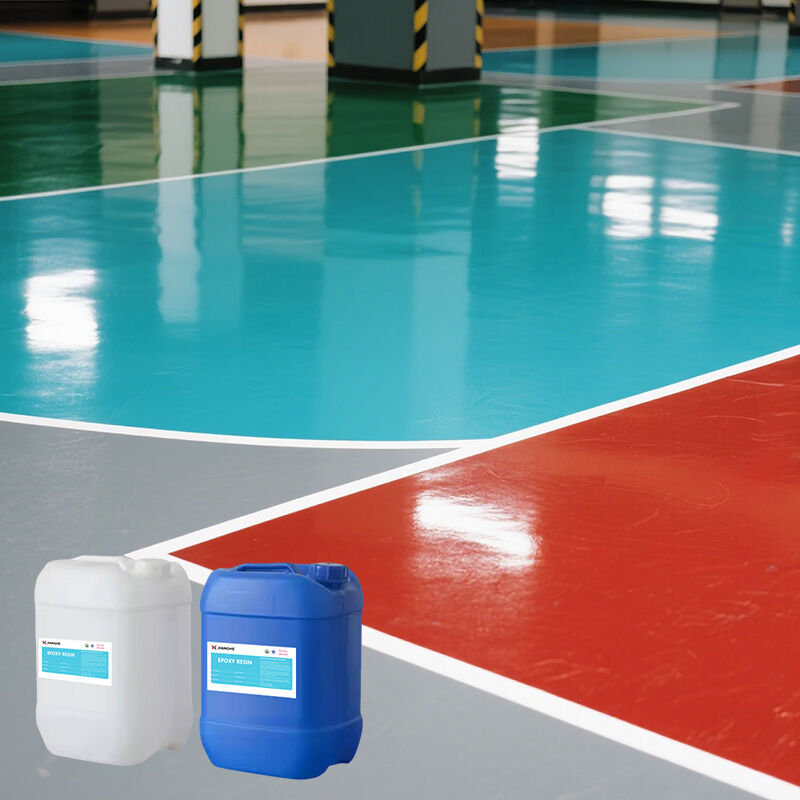
Enhanced Adhesion and Seamless Finish
Epoxy floor coatings bond effectively to concrete surfaces, forming a seamless layer that prevents dirt accumulation and reduces cleaning efforts. The strong adhesion ensures that the coating remains intact even under harsh industrial conditions, minimizing downtime and costly repairs.
Chemical and Environmental Resistance
Resistance to Corrosive Chemicals
One of the primary advantages of floor coating epoxy in chemical plants is its chemical resistance. Spills of acids, alkalis, solvents, and other industrial chemicals do not compromise the integrity of the epoxy layer. This resistance protects both the concrete substrate and personnel, ensuring a safer working environment.
Protection Against Moisture and Stains
Epoxy coatings form a non-porous barrier that prevents moisture penetration, reducing the risk of mold, mildew, and corrosion. This feature is particularly beneficial in warehouses where spills or condensation may occur, maintaining a hygienic and safe flooring surface.
UV and Temperature Stability
Certain epoxy formulations are resistant to UV light and temperature fluctuations, making them suitable for both indoor and semi-outdoor industrial areas. Maintaining clarity and structural integrity under varying conditions ensures long-lasting performance and minimal maintenance requirements.
Practical Applications of Floor Coating Epoxy
Chemical Plants and Processing Facilities
Floor coating epoxy is ideal for chemical processing plants where spills and chemical exposure are frequent. Its resistance to corrosion, heat, and heavy foot traffic makes it a reliable solution for maintaining safety and operational efficiency. By applying epoxy coatings, facilities can reduce repair costs, prevent accidents, and extend the life of the concrete flooring.
Warehouses and Logistics Centers
In warehouses, epoxy coatings enhance durability under constant forklift and pallet traffic. Their seamless and easy-to-clean surfaces simplify maintenance while improving the appearance and professionalism of the facility. Epoxy floors also reduce dust generation, contributing to a cleaner and safer environment for employees and stored goods.
Industrial Workshops and Manufacturing Units
Workshops and manufacturing units benefit from floor coating epoxy’s resistance to oils, lubricants, and mechanical wear. Coated floors minimize downtime for repairs and cleaning, ensuring continuous operations and consistent productivity. The versatility of epoxy allows customization for anti-slip textures and safety markings.
Installation and Maintenance Considerations
Proper Surface Preparation
To ensure maximum adhesion and longevity, floor coating epoxy requires thorough surface preparation. Concrete floors must be clean, dry, and free from contaminants such as grease, dust, or old coatings. Proper surface treatment ensures that the epoxy bonds effectively, reducing the risk of peeling or delamination.
Curing and Environmental Controls
Epoxy coatings require controlled curing conditions to achieve optimal hardness and chemical resistance. Following manufacturer guidelines for temperature, humidity, and curing time is essential for long-term performance. Improper curing can compromise durability and reduce the service life of the floor coating epoxy.
Routine Maintenance Practices
Although epoxy floors are highly durable, routine maintenance helps preserve their appearance and functionality. Regular cleaning with non-abrasive methods and inspection for minor damages prevents deterioration. Applying additional protective layers in high-stress areas can further extend the lifespan of the epoxy coating.
FAQ
How does floor coating epoxy improve safety in warehouses
Floor coating epoxy provides a seamless, slip-resistant surface that reduces the risk of accidents. It also prevents chemical spills from penetrating the floor, creating a safer environment for employees and equipment.
Can epoxy floors withstand chemical spills in industrial plants
Yes, floor coating epoxy is highly resistant to a wide range of industrial chemicals, including acids, solvents, and alkalis, protecting both the concrete substrate and personnel.
How long does a properly installed epoxy floor last
With correct installation, curing, and maintenance, floor coating epoxy can last 10–20 years in industrial environments, depending on traffic intensity and chemical exposure.
Are epoxy floors easy to maintain
Yes, epoxy floors are non-porous and seamless, making them easy to clean. Routine maintenance and inspection help prevent damage and maintain their protective properties for extended periods.