liquid silicone for molds
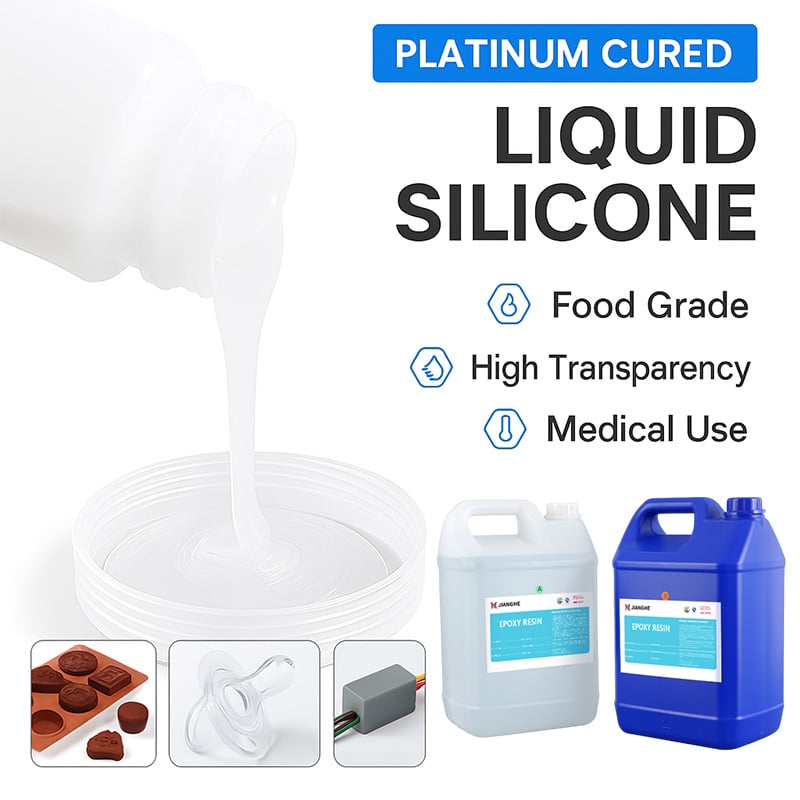
Liquid silicone for molds represents a revolutionary material solution for modern manufacturing and production industries. Liquid silicone for molds is a versatile, two-part elastomeric compound that transforms into flexible, durable molds through vulcanization. This sophisticated material combines exceptional performance with practical usability, making it an ideal choice for businesses seeking reliable mold solutions.
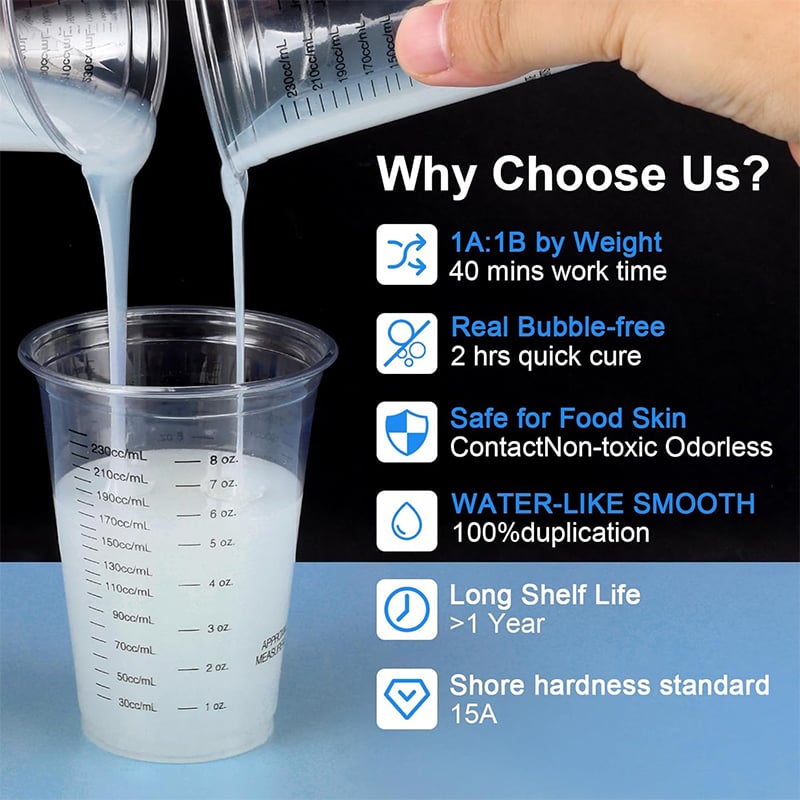
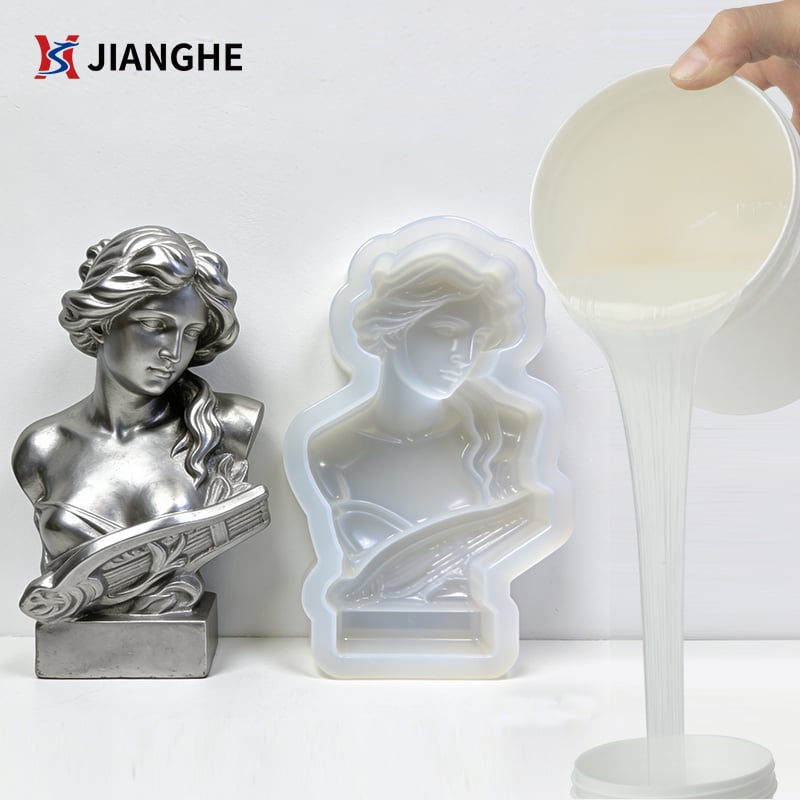
The primary function of liquid silicone for molds is to create high-quality replicas and production molds with remarkable precision. Liquid silicone for molds offers superior dimensional accuracy, capturing intricate details and complex geometries that traditional molding materials cannot match. The material flows effortlessly into tight spaces, ensuring complete mold coverage and eliminating air bubbles that compromise quality.
Key technological features distinguish liquid silicone for molds from conventional alternatives. The material exhibits excellent tear resistance, flexibility, and thermal stability across wide temperature ranges. Liquid silicone for molds remains stable during storage and demonstrates consistent performance throughout its operational lifespan. The low exothermic reaction during curing prevents heat-related damage to surrounding materials and components.
Applications of liquid silicone for molds span numerous industries including jewelry manufacturing, dental prosthetics, automotive components, electronics, and decorative arts. Professionals utilize liquid silicone for molds to produce master patterns, prototype components, and production-grade replicas with exceptional fidelity. The material works effectively with ceramics, metals, plastics, and composite materials, providing unmatched versatility for diverse manufacturing needs.

 EN
EN