Premium Liquid Silicone Rubber for Molds - Professional Grade Molding Solutions

All Categories

Get a Tailored Solution

Provide your details below, and our material experts will contact you with a competitive quote and technical support within 24 hours.
Email
Name
Company Name
Message
0/1000

liquid silicone rubber for molds

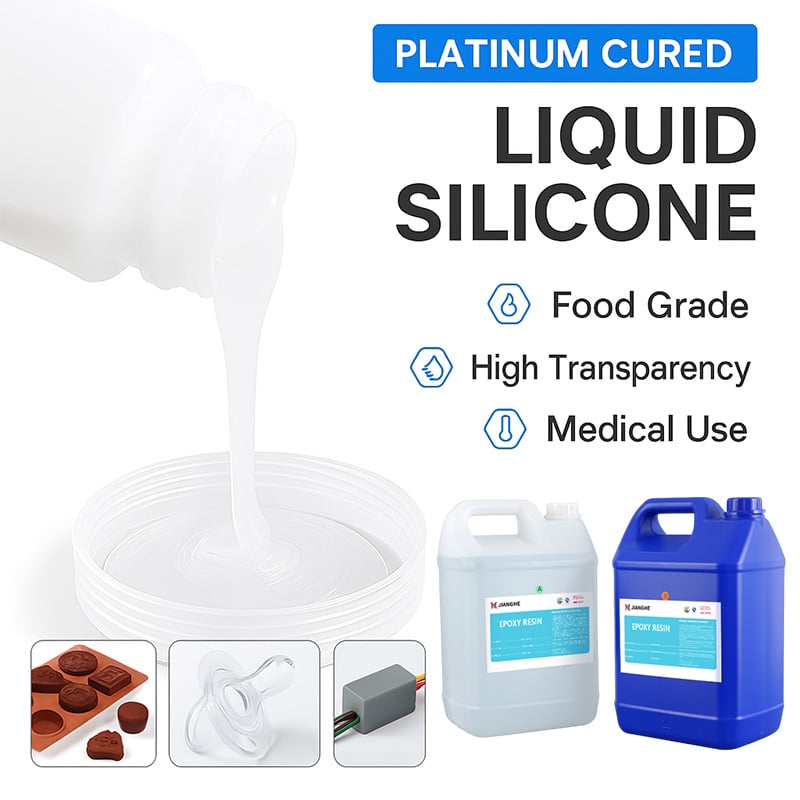
Liquid silicone rubber for molds represents a revolutionary material solution that has transformed manufacturing processes across numerous industries. This specialized elastomeric compound offers exceptional versatility and precision for creating detailed molds and prototypes. Unlike traditional molding materials, liquid silicone rubber for molds provides superior flexibility, durability, and chemical resistance that makes it ideal for both industrial applications and creative projects. The material consists of platinum-catalyzed silicone compounds that cure at room temperature or with minimal heat application, forming a flexible yet strong mold surface. Key technological features include excellent tear strength, dimensional stability, and the ability to capture intricate details with remarkable accuracy. The curing process creates a non-porous surface that releases finished products easily without requiring additional release agents. Temperature resistance ranges from -65°F to 400°F, allowing liquid silicone rubber for molds to withstand extreme conditions during production cycles. The material exhibits outstanding chemical inertness, making it safe for food-grade applications and medical device manufacturing. Applications span automotive parts production, aerospace component prototyping, consumer goods manufacturing, architectural modeling, jewelry casting, and artistic sculpture creation. The versatility of liquid silicone rubber for molds extends to electronics encapsulation, where its electrical insulation properties protect sensitive components. Manufacturing facilities utilize this material for producing gaskets, seals, and custom-shaped products that require consistent quality and dimensional accuracy. Research laboratories employ liquid silicone rubber for molds when creating test specimens and experimental prototypes that demand precise replication. The material's biocompatibility makes it suitable for prosthetics manufacturing and medical implant development, where safety and reliability are paramount concerns.

Popular Products

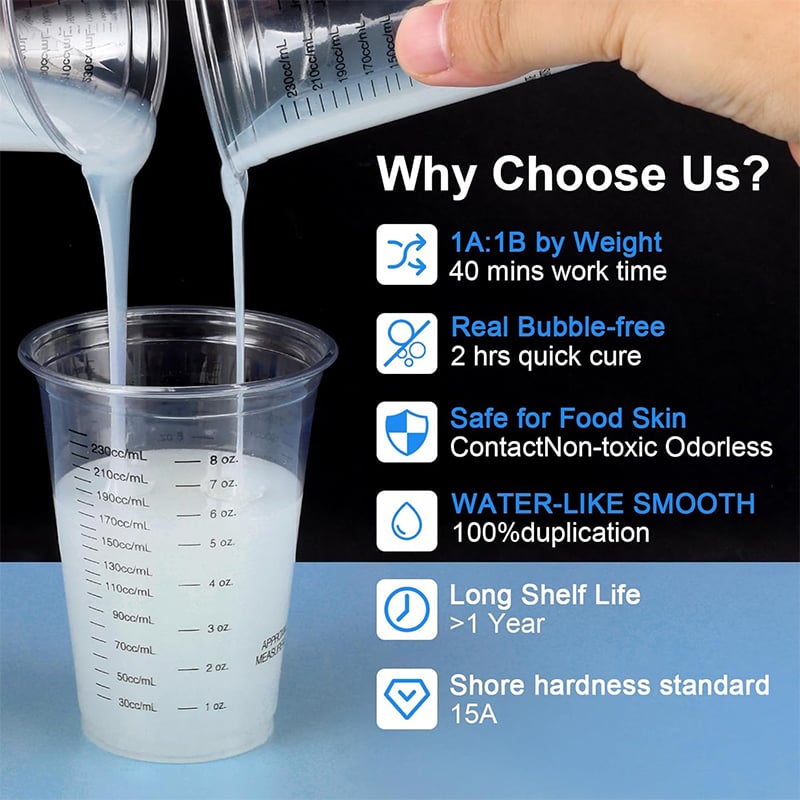
The primary advantage of liquid silicone rubber for molds lies in its exceptional ease of use, requiring minimal equipment and expertise to achieve professional results. Users can mix the two-component system at room temperature without specialized heating equipment or complex machinery. This accessibility makes liquid silicone rubber for molds an economical choice for small businesses, educational institutions, and individual craftspeople. The material flows smoothly into complex geometries, eliminating air bubbles and ensuring complete coverage of detailed surfaces. Curing times are predictable and controllable, allowing operators to plan production schedules efficiently. The resulting molds demonstrate remarkable longevity, withstanding hundreds of casting cycles without degradation or loss of detail. Chemical resistance ensures compatibility with various casting materials including resins, plasters, waxes, and low-temperature metals. Liquid silicone rubber for molds maintains dimensional stability across temperature fluctuations, preventing warping or distortion that could compromise product quality. The material's inherent flexibility allows easy demolding of complex shapes with undercuts and intricate features that would damage rigid molds. Cleanup procedures are straightforward, requiring only soap and water for uncured material and simple mechanical removal for cured excess. Storage requirements are minimal, with unopened containers maintaining viability for extended periods under normal conditions. Cost-effectiveness emerges from the material's ability to produce multiple identical parts with consistent quality, reducing waste and rework expenses. The non-toxic nature of cured liquid silicone rubber for molds eliminates health concerns associated with some traditional molding compounds. Production flexibility allows operators to modify mold properties by adjusting mixing ratios or adding specialized additives for specific applications. Quality control becomes simplified through the material's predictable behavior and consistent performance characteristics. Time savings result from rapid setup procedures and the elimination of complex mold preparation steps required by alternative materials.

Latest News

How Can Buyers Assess Long-Term Reliability of a Resin Manufacturer?

11

Dec

How Can Buyers Assess Long-Term Reliability of a Resin Manufacturer?

Building Confidence in a Sustainable Manufacturing Partner Selecting a reliable Resin Manufacturer is a strategic decision that directly affects product quality, delivery stability, and long-term cooperation efficiency. For buyers sourcing epoxy resi...
View More
How Does Anti-Yellowing Resin Maintain Long-Term Visual Clarity?

17

Dec

How Does Anti-Yellowing Resin Maintain Long-Term Visual Clarity?

The Importance of Visual Stability in Modern Epoxy Applications Anti-Yellowing Resin has become a critical material choice in epoxy systems where long-term appearance, transparency, and color consistency are as important as mechanical performance. In...
View More
Why Do Mold Makers Choose Liquid Silicone for Complex Mold Projects?

04

Jan

Why Do Mold Makers Choose Liquid Silicone for Complex Mold Projects?

Liquid Silicone in Modern Mold Making Liquid silicone has become the material of choice for mold makers seeking precision, flexibility, and durability in their projects. Its unique properties allow manufacturers to produce complex molds that traditio...
View More
How Does River Table Epoxy Control Exothermic Reaction and Cracking?

28

Jan

How Does River Table Epoxy Control Exothermic Reaction and Cracking?

Managing Exothermic Reactions and Cracking in River Table Epoxy River Table Epoxy has become a favorite material for designers and artisans who create stunning river tables, countertops, and artistic pieces. Its clarity, durability, and versatility m...
View More

Get a Free Quote

Our representative will contact you soon.
Email
Name
Company Name
Message
0/1000

liquid silicone rubber for molds

Superior Detail Reproduction and Surface Quality

Superior Detail Reproduction and Surface Quality

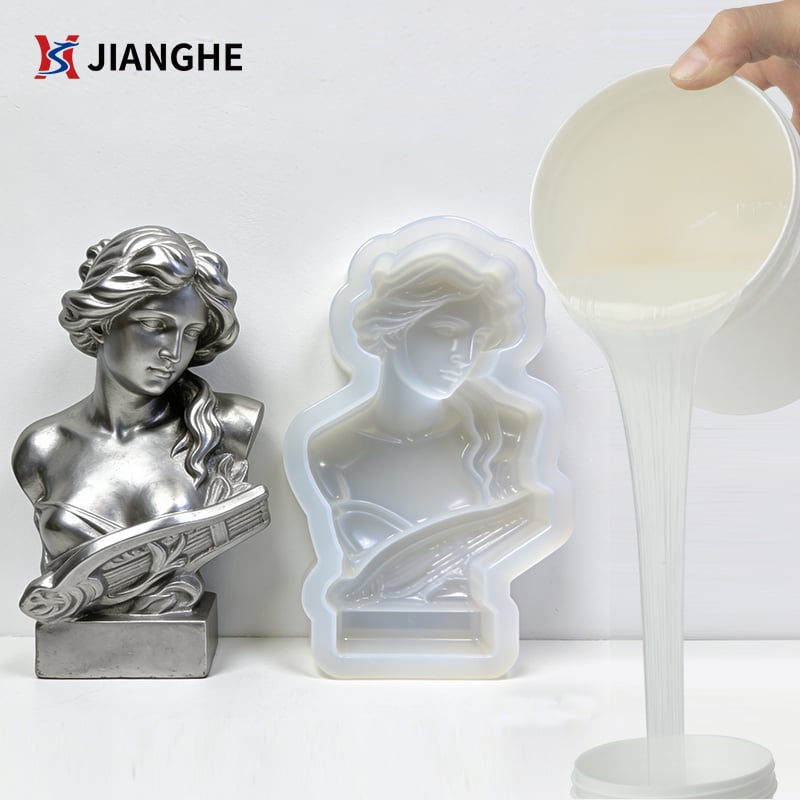
The exceptional detail reproduction capability of liquid silicone rubber for molds sets it apart from conventional molding materials, offering unmatched precision for capturing fine surface textures and intricate geometries. This advanced material can replicate details as small as 0.001 inches, making it invaluable for applications requiring exact dimensional accuracy and surface finish quality. The molecular structure of liquid silicone rubber for molds allows it to flow into microscopic surface irregularities, creating perfect negative impressions that translate into flawless positive reproductions. This characteristic proves particularly beneficial in jewelry manufacturing, where intricate filigree patterns and detailed engravings must be preserved exactly. Automotive manufacturers rely on this precision when creating prototype parts that require exact fit and finish specifications. The smooth surface finish achieved with liquid silicone rubber for molds eliminates the need for post-processing operations, reducing production time and costs significantly. Unlike plaster or rigid molding compounds that may chip or wear during use, the flexible nature of this material maintains sharp detail definition throughout extended production runs. Surface quality remains consistent across multiple casting cycles, ensuring that the first part produced matches the hundredth in terms of dimensional accuracy and finish quality. The material's ability to capture complex undercuts and re-entrant angles without mechanical locks makes it ideal for producing parts that would be impossible to manufacture using traditional molding techniques. Medical device manufacturers particularly value this capability when creating custom prosthetics or implant components that must match patient-specific anatomical features precisely. The non-porous surface of cured liquid silicone rubber for molds prevents contamination and simplifies sterilization procedures, making it suitable for clean room environments and sterile manufacturing processes.
Exceptional Chemical Resistance and Durability

Exceptional Chemical Resistance and Durability

The remarkable chemical resistance of liquid silicone rubber for molds provides unparalleled versatility in material compatibility, allowing manufacturers to cast a wide variety of substances without mold degradation or contamination. This chemical inertness stems from the stable siloxane backbone structure that resists attack from acids, bases, solvents, and other aggressive chemicals commonly encountered in manufacturing processes. Unlike polyurethane or latex molds that may swell, crack, or dissolve when exposed to certain chemicals, liquid silicone rubber for molds maintains its integrity and dimensional stability across diverse chemical environments. This resistance enables the production of parts using aggressive casting materials such as polyester resins, epoxy compounds, and even some metals without compromising mold life or part quality. The durability advantage extends beyond chemical resistance to include exceptional tear strength and abrasion resistance that allows liquid silicone rubber for molds to withstand mechanical stresses during demolding operations. Production facilities report mold lives exceeding 500 cycles when properly maintained, representing significant cost savings compared to disposable or short-lived alternatives. The material's resistance to UV radiation and ozone exposure ensures that molds stored in various environmental conditions maintain their properties over extended periods. Temperature cycling, which destroys many conventional molding materials, has minimal impact on liquid silicone rubber for molds due to its stable polymer structure and low glass transition temperature. This thermal stability allows continuous operation across wide temperature ranges without performance degradation. The self-healing properties of the material enable minor surface scratches to disappear during normal use, extending mold life and maintaining part quality standards. Cleaning procedures can employ aggressive solvents and detergents without damaging the mold surface, ensuring thorough contamination removal between production runs. Food processing applications benefit from this chemical resistance, as liquid silicone rubber for molds can withstand sanitization procedures using bleach solutions, steam treatment, and other aggressive cleaning protocols required for food safety compliance.
Cost-Effective Production and Environmental Safety

Cost-Effective Production and Environmental Safety

The economic advantages of liquid silicone rubber for molds extend far beyond initial material costs, creating comprehensive value propositions that benefit both small-scale operations and large manufacturing facilities. Initial investment requirements remain minimal compared to traditional molding systems, as the material requires no specialized equipment, heating systems, or complex mixing apparatus. Simple hand mixing or basic mechanical stirring produces consistent results, eliminating the capital expenditure associated with heated mold presses or injection molding equipment. The room temperature curing characteristic of liquid silicone rubber for molds reduces energy consumption significantly, contributing to lower operational costs and reduced environmental impact. Waste reduction occurs naturally through the material's ability to produce parts with minimal flash or excess material, and any uncured mixture can be easily cleaned up and disposed of safely. The extended mold life characteristic of liquid silicone rubber for molds translates directly into lower per-part costs, as a single mold can produce hundreds of parts before replacement becomes necessary. Labor costs decrease through simplified demolding procedures that require no mechanical assistance or complex extraction techniques. Storage costs remain low due to the material's stability and long shelf life, allowing bulk purchasing strategies that further reduce unit costs. Environmental safety represents a critical advantage, as liquid silicone rubber for molds contains no volatile organic compounds, heavy metals, or other hazardous substances that require special handling or disposal procedures. Worker safety improves through the elimination of toxic fumes, skin sensitizers, and other health hazards associated with alternative molding materials. The biocompatible nature of cured liquid silicone rubber for molds makes it suitable for direct food contact applications and medical device manufacturing, expanding market opportunities for manufacturers. Recycling possibilities exist for end-of-life molds, as the material can be ground and used as filler in other silicone applications, further reducing environmental impact. Quality consistency eliminates the costs associated with part rejection and rework, as liquid silicone rubber for molds produces parts within specification limits consistently throughout its service life.

Get Samples & Support

Email
Name
Company Name
Country/Region
What Are You Making
Single Choice
Estimated Monthly Usage
Single Choice
Message
0/1000