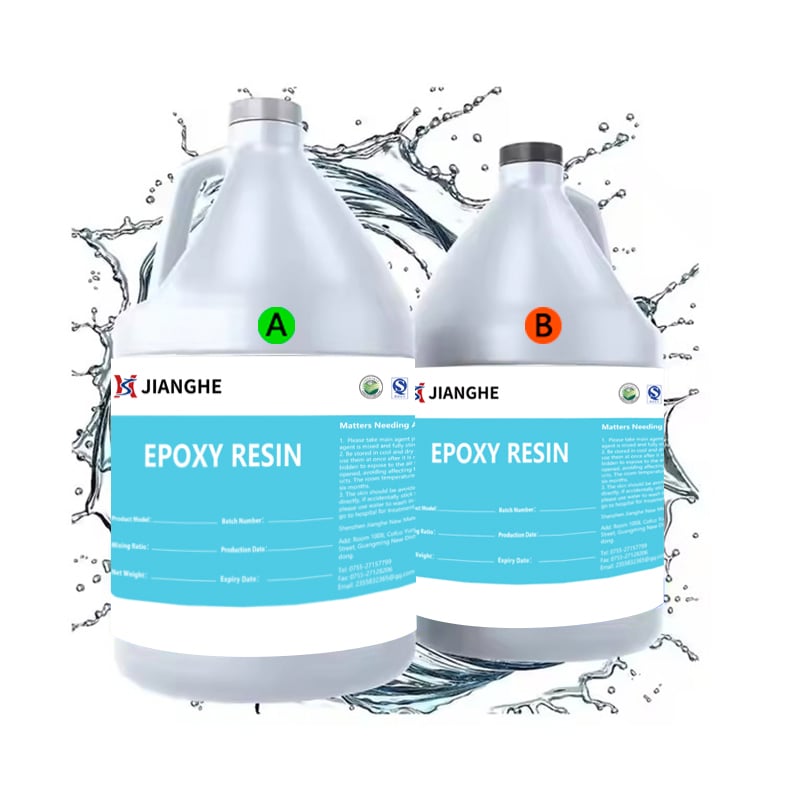
Premium Epoxy Resin Solutions: Superior Strength, Chemical Resistance, and Versatile Applications

All Categories

Get a Tailored Solution

Provide your details below, and our material experts will contact you with a competitive quote and technical support within 24 hours.
Email
Name
Company Name
Message
0/1000

epoxy resin

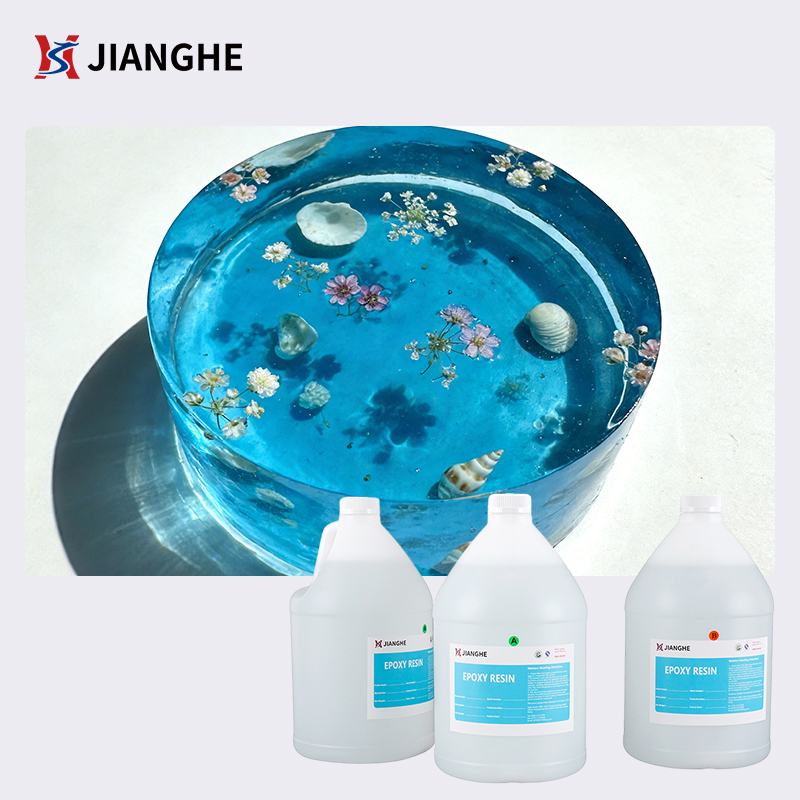
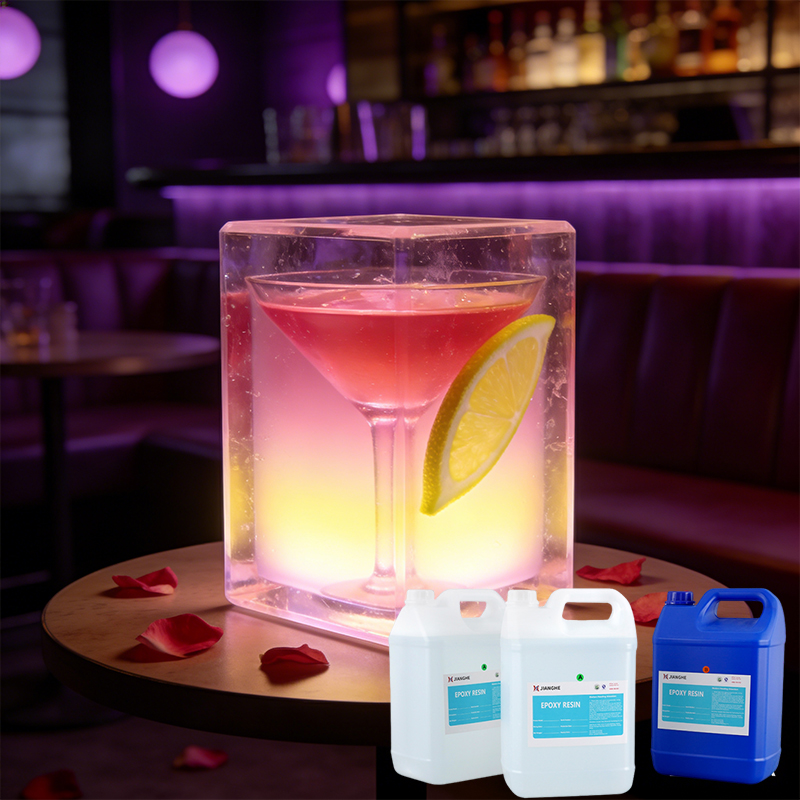
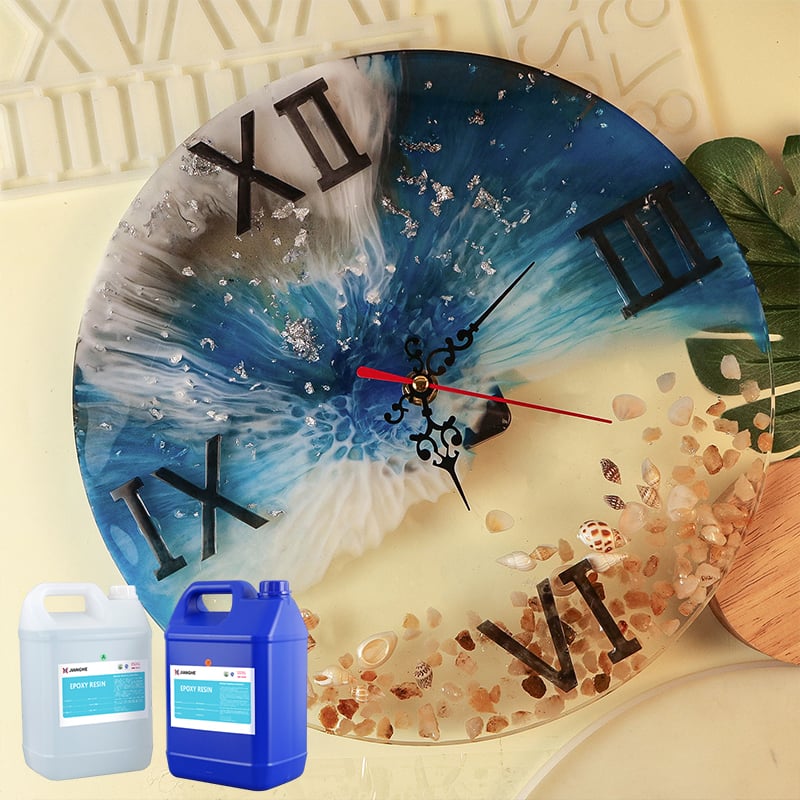
Epoxy resin stands as one of the most versatile and reliable thermosetting polymers in modern manufacturing and construction industries. This synthetic polymer forms through a chemical reaction between epoxide groups and various curing agents, creating a three-dimensional cross-linked network that delivers exceptional performance characteristics. The primary function of epoxy resin centers on providing superior adhesion, mechanical strength, and chemical resistance across diverse applications. Its molecular structure enables strong bonding to multiple substrates including metals, concrete, wood, glass, and various plastics. The technological features that distinguish epoxy resin include its low shrinkage during curing, excellent dimensional stability, and outstanding electrical insulation properties. These characteristics make epoxy resin an ideal choice for applications requiring precision and reliability. The curing process can occur at room temperature or elevated temperatures, depending on the specific formulation and desired properties. Temperature resistance varies significantly based on the curing agent used, with some formulations maintaining structural integrity at temperatures exceeding 200°C. The applications for epoxy resin span numerous industries, from aerospace and automotive manufacturing to electronics and marine construction. In the construction sector, epoxy resin serves as a high-performance coating for floors, walls, and infrastructure repairs. The electronics industry relies heavily on epoxy resin for encapsulating components, creating printed circuit boards, and manufacturing semiconductors. Marine applications benefit from its exceptional water resistance and ability to withstand harsh environmental conditions. Industrial maintenance uses epoxy resin for equipment repairs, pipe lining, and protective coatings. The versatility extends to artistic applications where epoxy resin creates stunning decorative surfaces, jewelry, and sculptural pieces.

New Product Releases

The advantages of epoxy resin make it a preferred material choice for professionals across multiple industries. Superior adhesion strength represents one of its most significant benefits, allowing it to bond effectively with virtually any clean, prepared surface. This adhesive capability eliminates the need for mechanical fasteners in many applications, reducing assembly time and improving overall structural integrity. The chemical resistance of epoxy resin protects against acids, bases, solvents, and other corrosive substances, making it invaluable in harsh industrial environments. This resistance translates to longer service life and reduced maintenance costs for end users. Durability stands as another key advantage, with properly applied epoxy resin lasting decades without significant degradation. The material resists impact, abrasion, and wear better than many traditional coatings and adhesives. Processing flexibility allows users to modify working time, cure speed, and final properties by selecting appropriate hardeners and additives. This adaptability enables customization for specific project requirements without compromising performance. The low volatile organic compound content of many epoxy resin formulations makes them environmentally friendly compared to solvent-based alternatives. Users benefit from improved workplace safety and compliance with environmental regulations. Electrical insulation properties make epoxy resin essential for electronic applications where preventing current leakage is critical. The material maintains these properties across wide temperature ranges, ensuring reliable performance in varying conditions. Cost effectiveness emerges when considering the total lifecycle value, as the durability and performance of epoxy resin often justify higher initial costs through reduced replacement and maintenance expenses. Easy application methods accommodate both professional contractors and DIY enthusiasts, with formulations available for brush, roller, spray, or pour applications. The ability to achieve smooth, seamless finishes eliminates joints and seams that could harbor contaminants or fail over time. Rapid curing options enable faster project completion and quicker return to service, minimizing downtime in commercial and industrial settings.

Latest News

What Makes River Table Epoxy Suitable for Deep-Pour Applications?

24

Dec

What Makes River Table Epoxy Suitable for Deep-Pour Applications?

Understanding the Advantages of River Table Epoxy for Deep-Pour Applications River tables are a striking fusion of natural wood and clear epoxy resin, creating a visually stunning centerpiece. The use of deep-pour epoxy is critical in achieving thick...
View More
Why Do Mold Makers Choose Liquid Silicone for Complex Mold Projects?

04

Jan

Why Do Mold Makers Choose Liquid Silicone for Complex Mold Projects?

Liquid Silicone in Modern Mold Making Liquid silicone has become the material of choice for mold makers seeking precision, flexibility, and durability in their projects. Its unique properties allow manufacturers to produce complex molds that traditio...
View More
What Factors Limit the Service Life of Mold Making Silicone?

16

Jan

What Factors Limit the Service Life of Mold Making Silicone?

Understanding the Service Life of Mold Making Silicone Mold making silicone is widely used by manufacturers, artisans, and industrial professionals for its flexibility, durability, and precision. Despite its many advantages, the service life of mold ...
View More
Why Is Floor Coating Epoxy Suitable for Chemical Plants and Warehouses?

22

Jan

Why Is Floor Coating Epoxy Suitable for Chemical Plants and Warehouses?

The Advantages of Floor Coating Epoxy in Industrial Environments Floor coating epoxy has become a preferred choice for chemical plants, warehouses, and other industrial facilities due to its durability, chemical resistance, and ease of maintenance. I...
View More

Get a Free Quote

Our representative will contact you soon.
Email
Name
Company Name
Message
0/1000

epoxy resin

Exceptional Mechanical Strength and Structural Performance

Exceptional Mechanical Strength and Structural Performance

The mechanical strength characteristics of epoxy resin set it apart from conventional adhesives and coatings, delivering performance that exceeds industry standards across multiple stress scenarios. Tensile strength typically ranges from 5,000 to 12,000 PSI, depending on the specific formulation, which surpasses most traditional bonding materials by significant margins. This exceptional tensile strength means epoxy resin can withstand pulling forces that would cause other materials to fail, making it ideal for structural applications where safety and reliability are paramount. Compressive strength often exceeds 15,000 PSI, enabling the material to support substantial loads without deformation or failure. This characteristic proves invaluable in applications such as concrete repair, structural bonding, and load-bearing assemblies. The flexural strength of epoxy resin allows it to bend without breaking, accommodating thermal expansion and contraction cycles that occur in real-world applications. This flexibility prevents crack formation and maintains bond integrity over extended periods, even under dynamic loading conditions. Shear strength performance ensures that bonded joints resist forces attempting to slide components past each other, critical for applications involving vibration or lateral loads. The cross-linked molecular structure created during curing distributes stresses evenly throughout the material, preventing stress concentrations that could lead to premature failure. Impact resistance enables epoxy resin to absorb sudden shock loads without catastrophic failure, protecting both the bond and the substrates being joined. This characteristic becomes particularly important in automotive, aerospace, and marine applications where sudden impacts are possible. The modulus of elasticity can be tailored through formulation adjustments, allowing engineers to match the stiffness characteristics of epoxy resin to specific application requirements. This tunability ensures optimal stress transfer between bonded components while maintaining structural integrity. Temperature cycling tests demonstrate that epoxy resin maintains its mechanical properties across wide temperature ranges, from cryogenic conditions to elevated service temperatures exceeding 150°C in standard formulations.
Superior Chemical Resistance and Environmental Durability

Superior Chemical Resistance and Environmental Durability

The chemical resistance properties of epoxy resin provide unmatched protection against environmental degradation, ensuring long-term performance in the most challenging conditions. This resistance stems from the dense cross-linked network structure that prevents penetration of aggressive chemicals, acids, bases, and solvents that would quickly degrade other materials. Acid resistance makes epoxy resin suitable for applications in chemical processing plants, battery manufacturing, and laboratory environments where exposure to strong acids is common. The material maintains its integrity when exposed to sulfuric acid, hydrochloric acid, and other corrosive substances that would rapidly attack metal surfaces or degrade organic coatings. Alkali resistance protects against strong bases, cleaning chemicals, and alkaline solutions frequently encountered in industrial cleaning operations and concrete environments. This resistance prevents the swelling, softening, and eventual failure that affects many polymer systems when exposed to high pH conditions. Solvent resistance enables epoxy resin to withstand exposure to hydrocarbons, alcohols, ketones, and other organic solvents without dissolution or significant property loss. This characteristic proves essential in fuel handling systems, chemical storage tanks, and manufacturing processes involving organic solvents. UV stability, when properly formulated with appropriate additives, prevents degradation from sunlight exposure that causes yellowing, chalking, and property loss in many polymer systems. Enhanced UV-resistant formulations maintain color stability and mechanical properties even under continuous outdoor exposure. Moisture resistance prevents water absorption that could lead to bond line failure, dimensional changes, or property degradation in humid environments. The low water absorption rate of cured epoxy resin maintains electrical properties and prevents osmotic blistering that affects other coating systems. Salt spray resistance makes epoxy resin ideal for marine applications where continuous exposure to salt water and salt-laden air would quickly corrode metal surfaces or degrade other protective systems. Thermal cycling resistance ensures that repeated heating and cooling cycles do not create stress cracks or bond line failures that compromise long-term performance.
Versatile Processing and Application Methods

Versatile Processing and Application Methods

The processing versatility of epoxy resin enables successful application across diverse project scales, from precision electronic assembly to large-scale industrial construction, accommodating various skill levels and equipment capabilities. Room temperature curing formulations eliminate the need for expensive heating equipment, making epoxy resin accessible for field repairs, maintenance operations, and applications where heat application is impractical or impossible. These ambient cure systems provide extended working times that allow for careful positioning and adjustment of components before the material begins to harden. Elevated temperature curing options accelerate the process when rapid turnaround is essential, with some formulations achieving full cure in minutes rather than hours. This flexibility enables production scheduling optimization and faster project completion when time constraints are critical. Mixing ratio tolerance in many epoxy resin systems accommodates minor measurement variations without significantly compromising final properties, reducing waste and rework costs associated with mixing errors. Some formulations offer wide latitude in mixing ratios, allowing users to adjust working time and cure speed within limits. Viscosity options range from water-thin penetrating sealers to thixotropic pastes that stay in place on vertical surfaces without sagging. Low-viscosity formulations penetrate deep into cracks and porous substrates, providing thorough sealing and reinforcement. High-viscosity formulations build thickness in single applications and bridge gaps between irregular surfaces. Application methods accommodate virtually any project requirement, from precision dispensing systems for electronic assembly to large-scale spray application for industrial coatings. Brush and roller application methods suit maintenance and repair operations where specialized equipment is unavailable. Injection techniques enable repair of internal cracks and voids without destructive disassembly. Surface preparation requirements are generally straightforward, typically involving cleaning and light abrasion to achieve optimal adhesion. This simplicity reduces preparation time and labor costs compared to materials requiring extensive surface treatments. Working time adjustability through hardener selection allows matching the cure speed to project requirements, ambient conditions, and available labor resources.

Get Samples & Support

Email
Name
Company Name
Country/Region
What Are You Making
Single Choice
Estimated Monthly Usage
Single Choice
Message
0/1000