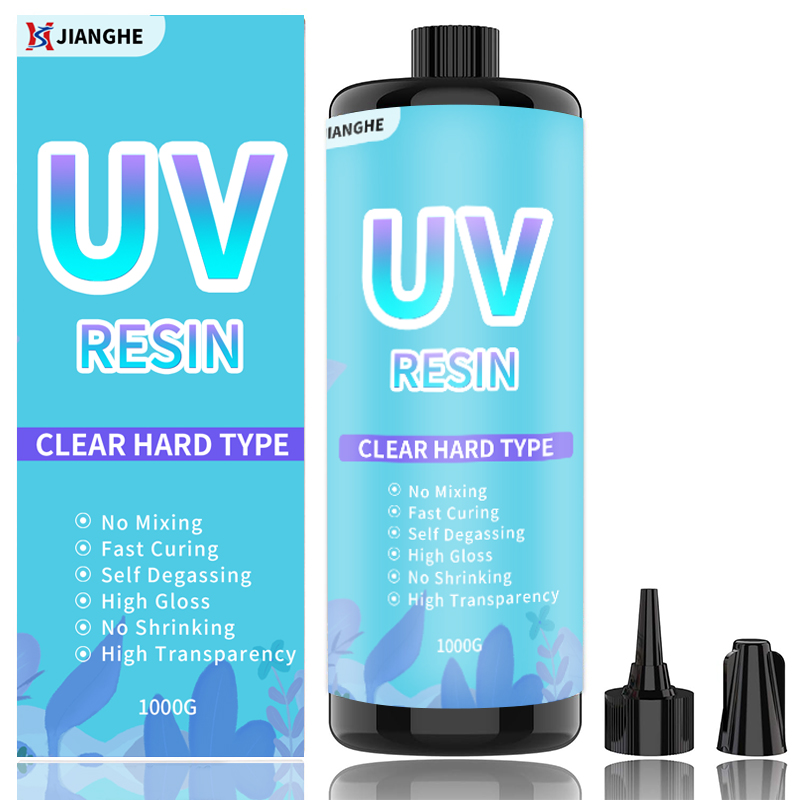
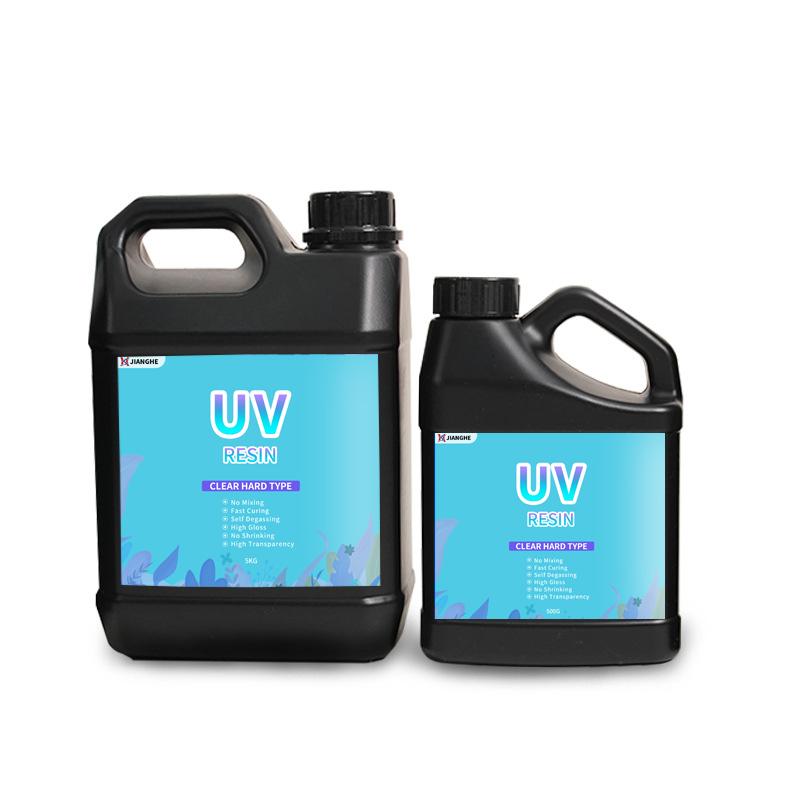
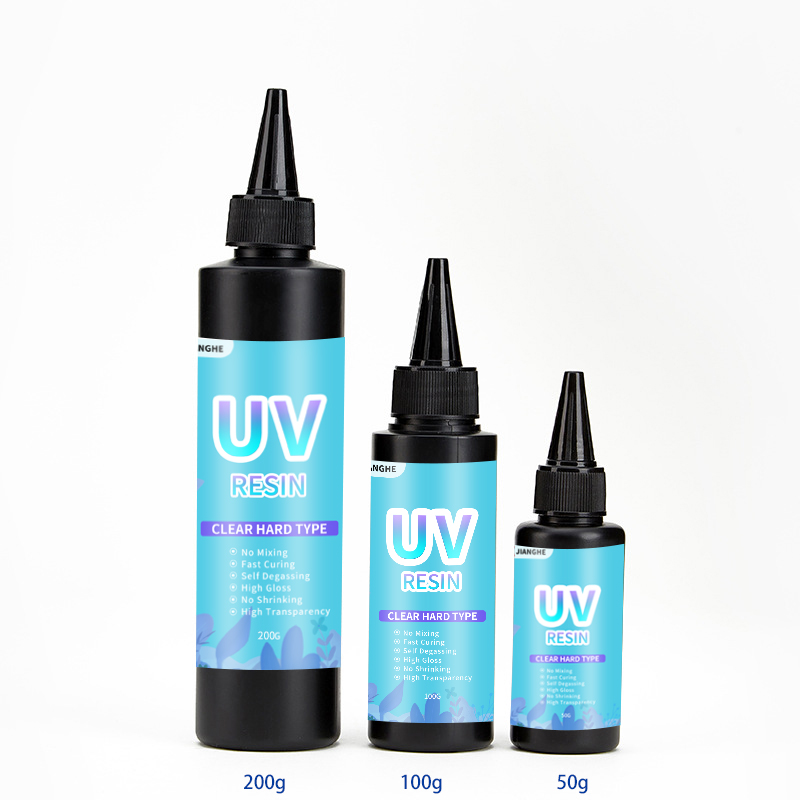
uv coating resin
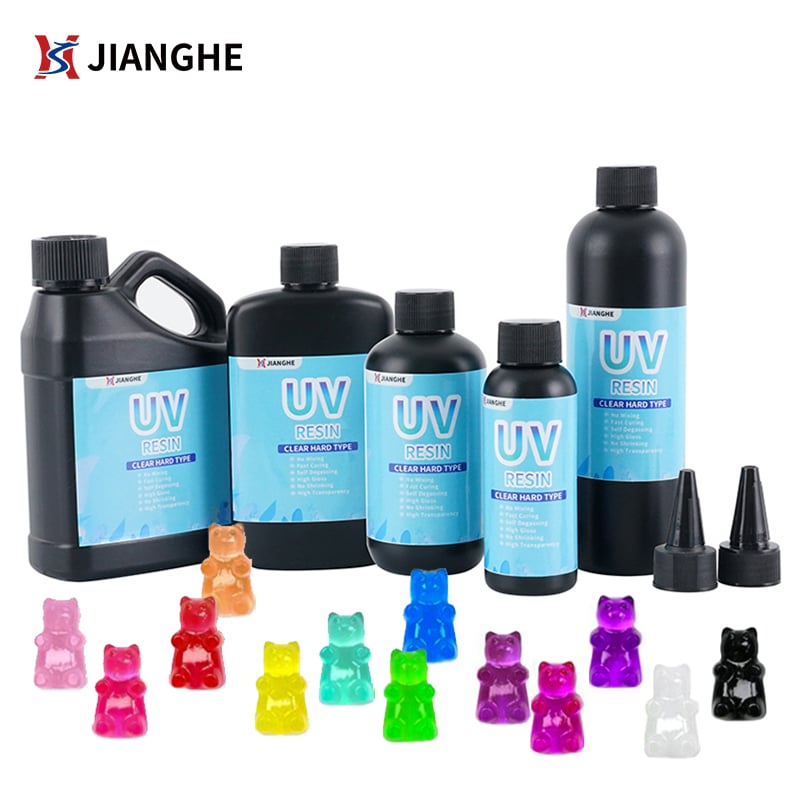
UV coating resin represents a revolutionary protective solution that transforms surfaces through advanced light-curing technology. This specialized formulation delivers exceptional durability and aesthetic enhancement for countless applications across multiple industries. Understanding UV coating resin fundamentals helps professionals and businesses make informed decisions about their protective coating needs.
The primary function of UV coating resin involves creating a hard, transparent protective layer that bonds permanently to substrate surfaces when exposed to ultraviolet light. This uv coating resin technology harnesses photopolymerization, a chemical process where UV radiation triggers molecular cross-linking, resulting in instantaneous curing without requiring heat or solvents. The uv coating resin cures rapidly, typically within seconds to minutes, dramatically reducing production timelines and manufacturing costs.
Key technological features distinguish UV coating resin from conventional alternatives. The formulation includes specialized photoinitiators that respond to specific UV wavelengths, oligomers providing structural integrity, and monomers enabling flexibility and adhesion. UV coating resin demonstrates superior scratch resistance, chemical resilience, and gloss retention compared to traditional coating methods. The technology produces minimal volatile organic compounds, making it environmentally responsible while maintaining worker safety standards.
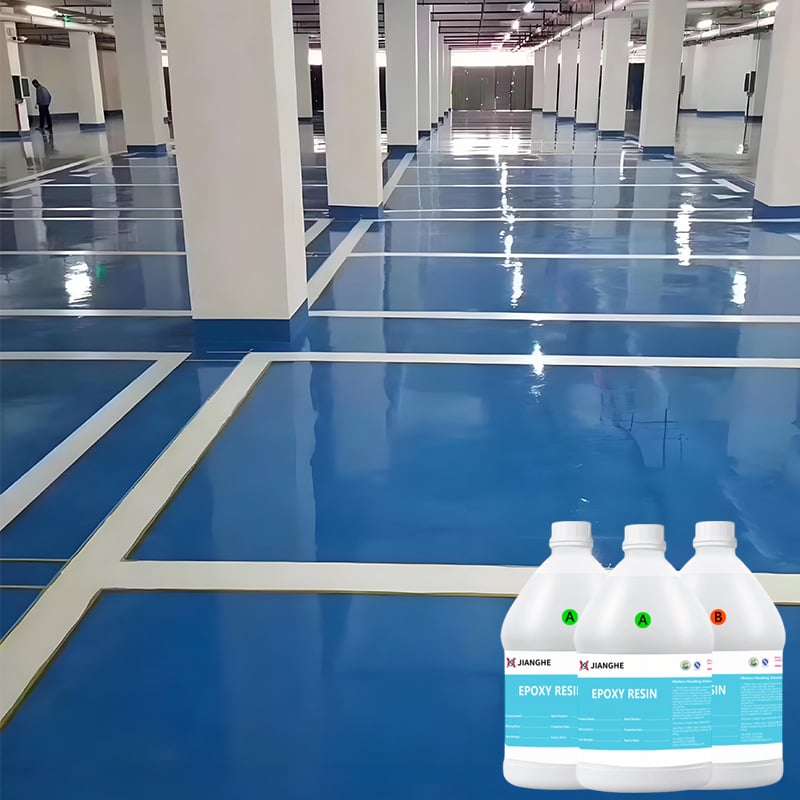
Applications for UV coating resin span diverse sectors including wood finishing, plastic protection, metal safeguarding, and paper lamination. Electronics manufacturers utilize UV coating resin for circuit board protection and component shielding. The automotive industry benefits from uv coating resin for paint enhancement and protective clear coats. Flooring professionals apply UV coating resin to create durable, aesthetically pleasing surfaces. Furniture manufacturers choose uv coating resin for superior finish quality and extended product longevity. This versatile protective solution continues gaining adoption across industries seeking reliable, efficient coating solutions.

 EN
EN