
 EN
EN
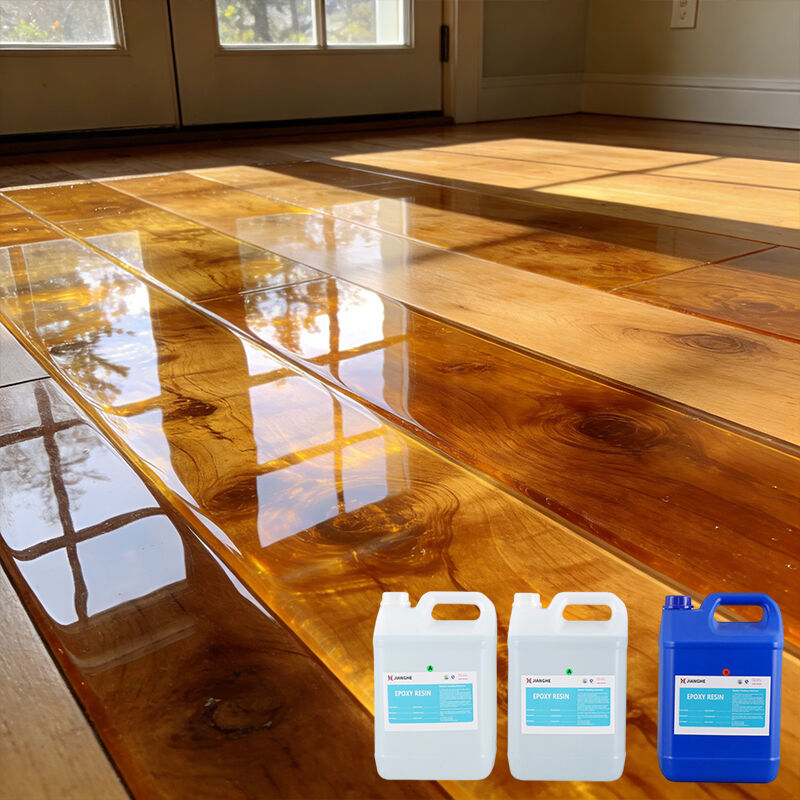
Understanding the Yellowing of Clear Epoxy Resin
Clear epoxy resin is widely used in flooring, furniture, art, and industrial applications due to its transparency, durability, and glossy finish. However, one common challenge faced by manufacturers, artists, and hobbyists is yellowing over time. Yellowing can affect both the aesthetics and perceived quality of the final product, making it crucial to understand the factors that contribute to this change. By exploring the chemical properties, environmental influences, and usage conditions, mold makers and resin users can take effective steps to minimize yellowing and maintain clarity.
Factors Contributing to Yellowing in Clear Epoxy Resin
Chemical Composition of Epoxy Resin
The chemical structure of clear epoxy resin makes it inherently susceptible to discoloration. Many epoxies contain aromatic compounds that, when exposed to heat or light, undergo oxidation reactions. These reactions lead to a gradual yellowing effect. Understanding the resin’s formulation helps manufacturers choose high-quality, low-yellowing products suitable for long-term applications.
Environmental Exposure and UV Light
Clear epoxy resin is particularly vulnerable to ultraviolet (UV) light. Continuous exposure to sunlight or artificial UV sources accelerates the breakdown of chemical bonds within the resin, causing yellowing. Even epoxy resins labeled as UV-resistant may slowly discolor over prolonged exposure. Proper surface coatings or protective layers can reduce UV impact and maintain clarity.
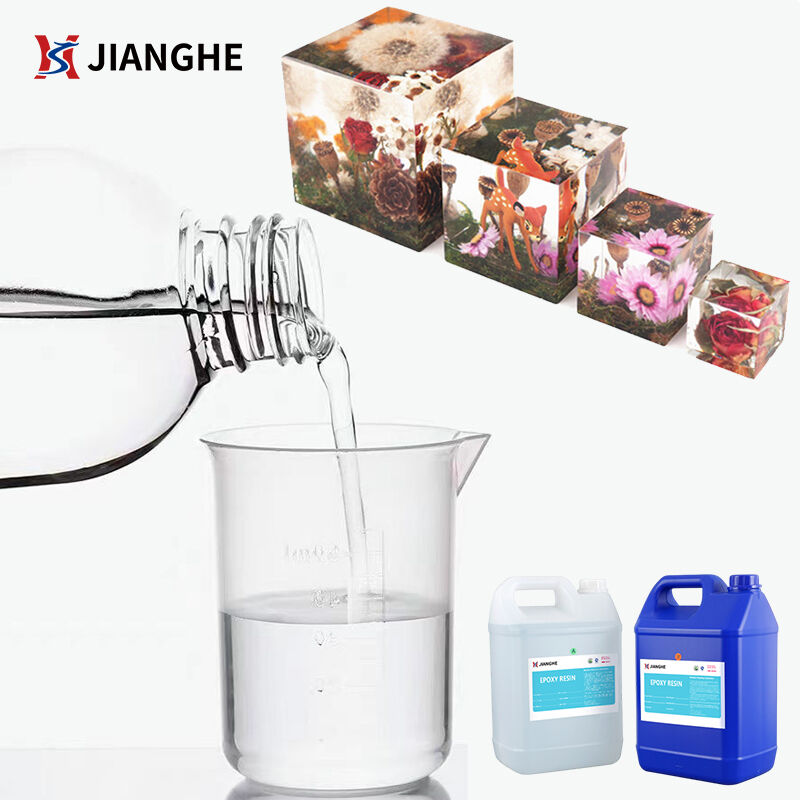
Heat and Oxidation Effects
High temperatures during curing or in operational environments can speed up oxidation, one of the primary causes of yellowing in clear epoxy resin. Additionally, thermal stress can trigger chemical reactions within the resin matrix, affecting transparency. Monitoring temperature and following manufacturer guidelines for curing can significantly reduce the risk of discoloration.
Applications of Clear Epoxy Resin and Yellowing Concerns
Artistic and Decorative Uses
Clear epoxy resin is popular for creating tabletops, jewelry, and artistic objects. Yellowing can compromise the visual appeal of these pieces, particularly in projects that rely on absolute transparency. Artists often combine clear epoxy resin with UV stabilizers or additives to prolong clarity and preserve the original aesthetic.
Industrial and Structural Applications
In industrial applications such as flooring, coatings, and protective layers, clear epoxy resin’s yellowing may affect product quality perception rather than structural integrity. Manufacturers often select high-grade, low-yellowing resins to meet client expectations and maintain professional standards.
Marine and Outdoor Applications
Clear epoxy resin used in boats, outdoor furniture, or signage faces constant UV and moisture exposure. Yellowing in such environments can be accelerated, highlighting the importance of additives, protective coatings, and regular maintenance to extend the lifespan and appearance of epoxy-based products.
Preventing and Managing Yellowing in Clear Epoxy Resin
Choosing Low-Yellowing Epoxy Resins
Selecting high-quality clear epoxy resin formulated with low-yellowing properties is the first step to prevent discoloration. Advanced formulations with UV inhibitors or modified aromatic content offer better long-term clarity, making them ideal for applications where appearance is critical.
Proper Curing and Environmental Controls
Adhering to recommended curing temperatures and avoiding excessive heat during the process helps minimize yellowing. Controlling environmental conditions such as light exposure and humidity during both curing and storage further protects the resin.
Protective Coatings and UV Stabilizers
Applying a UV-resistant topcoat or incorporating stabilizers directly into the clear epoxy resin can dramatically slow the yellowing process. For decorative surfaces, furniture, and outdoor installations, protective layers preserve both aesthetics and functional properties.
Maintenance and Cleaning Practices
Regular cleaning using non-abrasive, chemical-free methods ensures that surface contaminants do not accelerate yellowing. Avoiding harsh chemicals and using mild cleaners can help maintain the clear epoxy resin’s original transparency and glossy finish.
FAQ
What causes yellowing in clear epoxy resin
Yellowing in clear epoxy resin is primarily caused by oxidation, UV exposure, heat, and the chemical composition of the resin. Aromatic compounds in the resin are prone to degradation, resulting in gradual discoloration.
How can yellowing of clear epoxy resin be minimized
Using low-yellowing epoxy formulations, following proper curing procedures, applying UV-resistant coatings, and controlling environmental exposure are effective ways to reduce yellowing.
Is yellowing reversible in clear epoxy resin
Yellowing is generally irreversible because it results from chemical changes in the resin. Preventive measures and protective coatings are the most effective solutions to maintain clarity.
Are all clear epoxy resins prone to yellowing
Not all clear epoxy resins yellow at the same rate. High-quality resins with UV stabilizers, low aromatic content, and optimized formulations exhibit much slower yellowing compared to standard or low-cost resins.