metallic epoxy resin floor
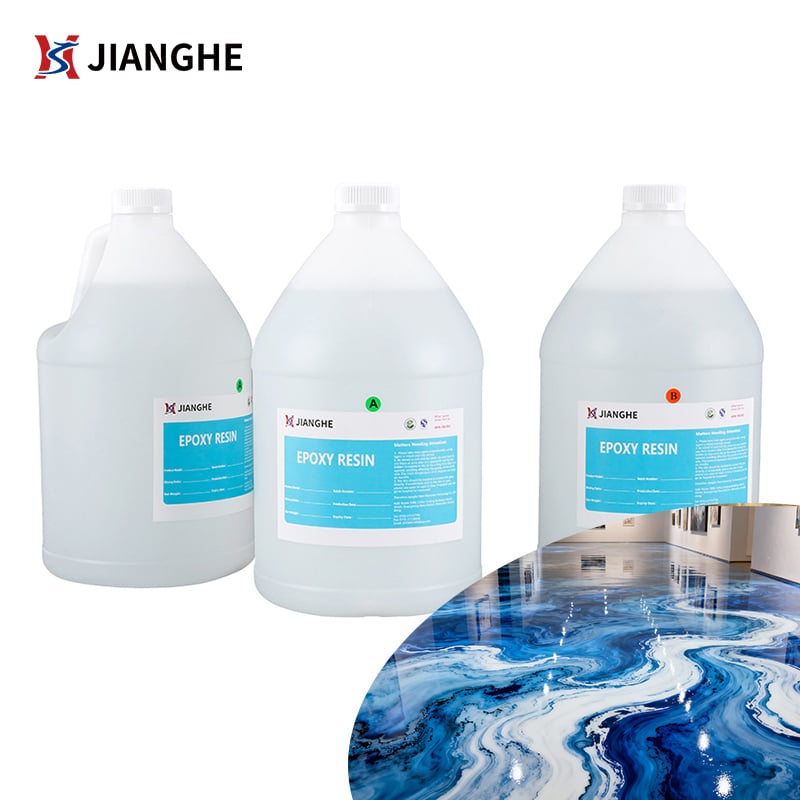
A metallic epoxy resin floor represents a sophisticated flooring solution that combines durability with aesthetic appeal. This innovative flooring system features a liquid coating composed of epoxy resin infused with metallic pigments that create stunning, three-dimensional visual effects. The metallic epoxy resin floor transforms ordinary concrete surfaces into luxurious, flowing designs that catch and reflect light, producing depth and movement across the entire floor.
The metallic epoxy resin floor functions as a protective barrier while delivering exceptional visual impact. Technologically, this system utilizes advanced resin chemistry that ensures rapid curing times and superior adhesion to concrete substrates. The metallic particles within the epoxy create unique color variations and iridescent patterns, making each metallic epoxy resin floor installation completely distinctive. These floors incorporate UV-stable resins that prevent yellowing and maintain their brilliant appearance for years.
Applications for metallic epoxy resin floors span numerous industries and commercial settings. Retail environments benefit from the eye-catching appeal that attracts customers and enhances brand presentation. Showrooms, galleries, and high-end residences utilize metallic epoxy resin floors to create dramatic focal points. Industrial facilities appreciate the protective qualities, while restaurants and hospitality venues leverage the sophisticated aesthetic. The versatility of metallic epoxy resin floor designs accommodates various color schemes, from rich jewel tones to subtle earth hues, making them suitable for diverse architectural styles and design preferences.

 EN
EN