deep pour epoxy resin
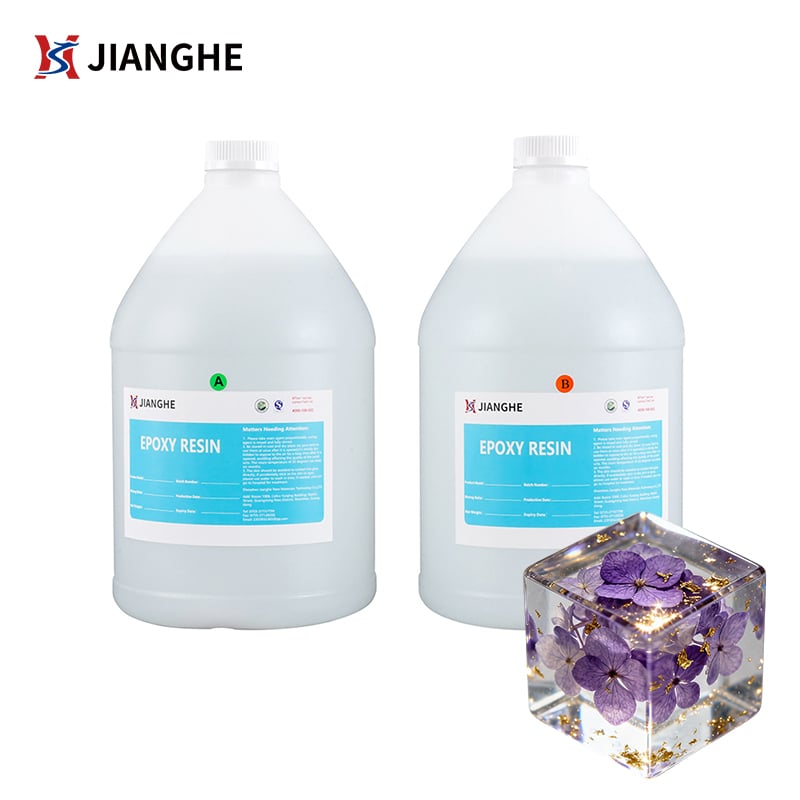
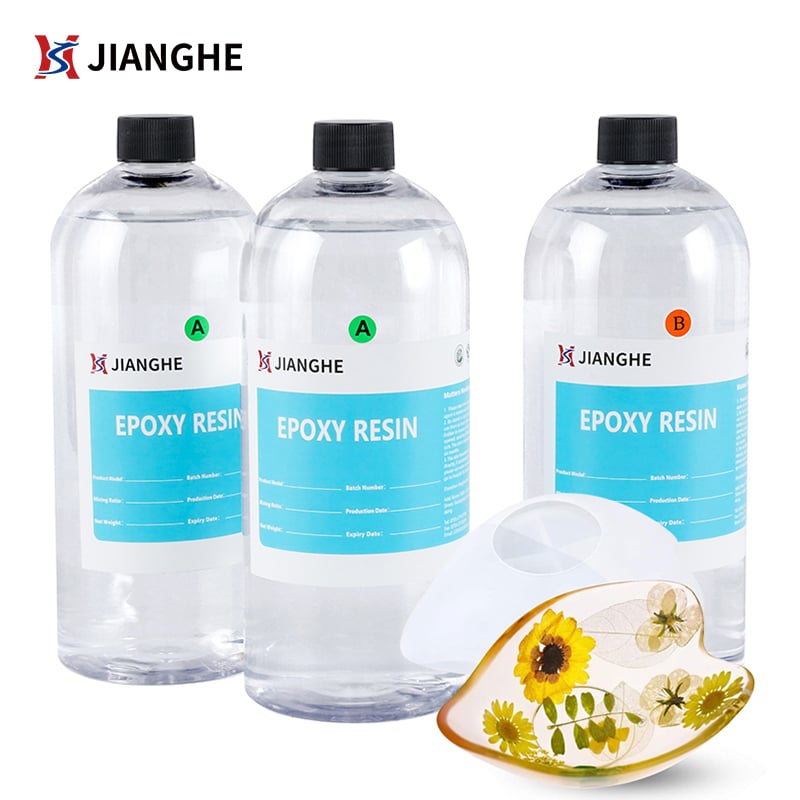
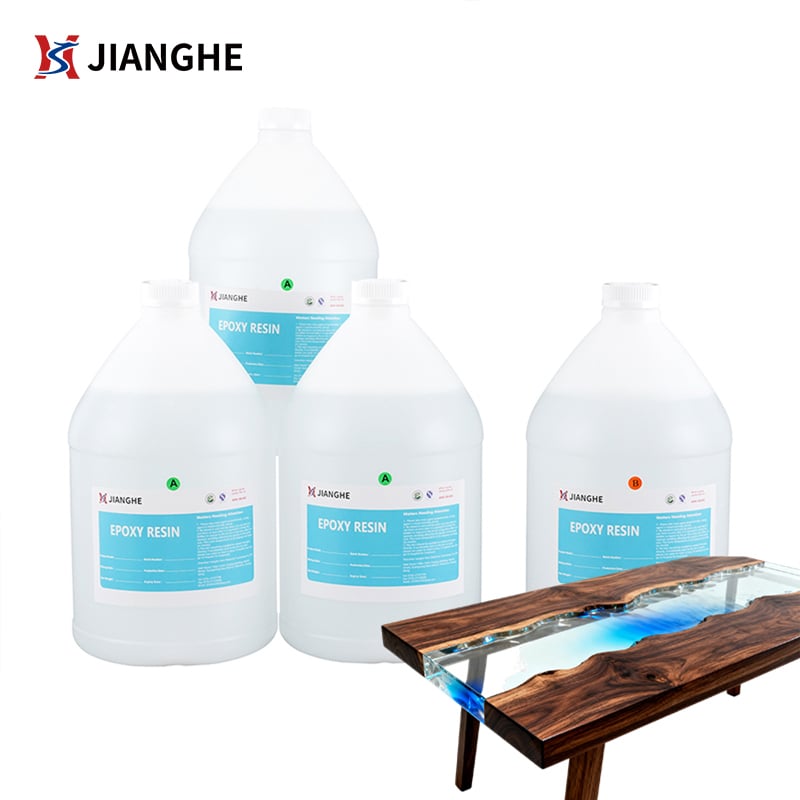
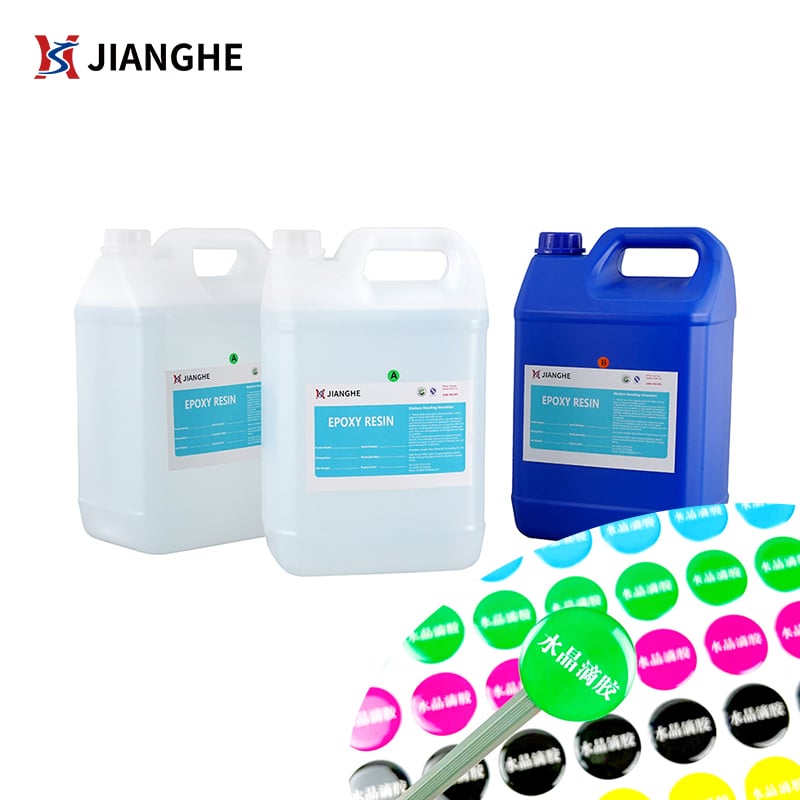
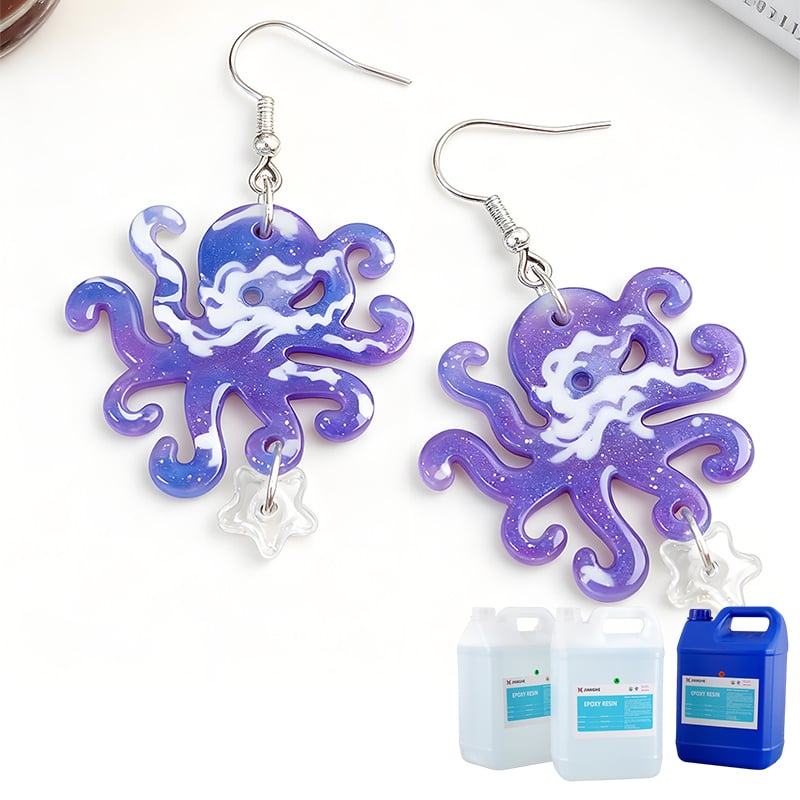
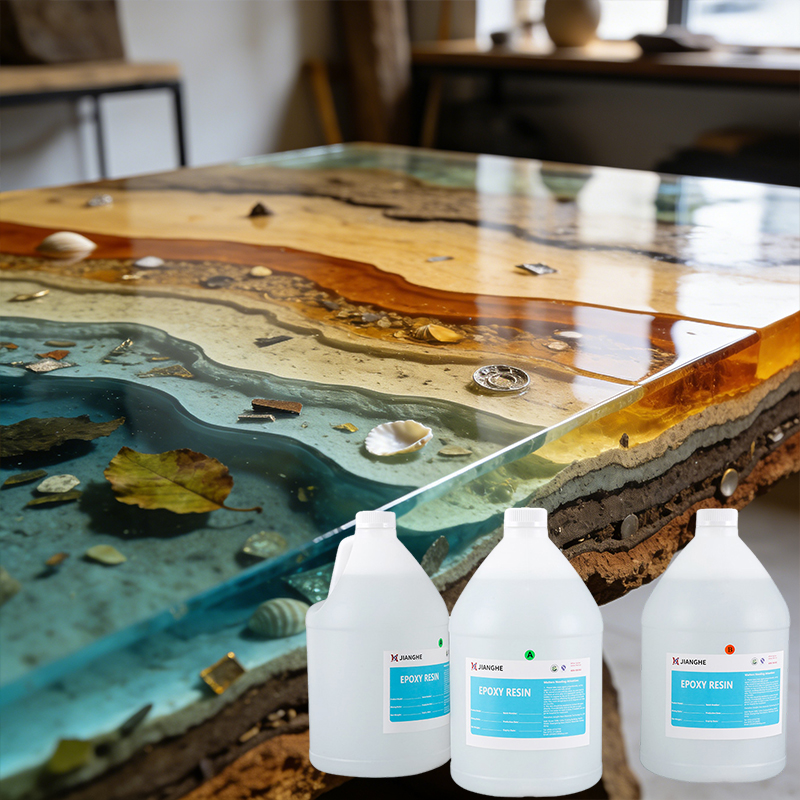
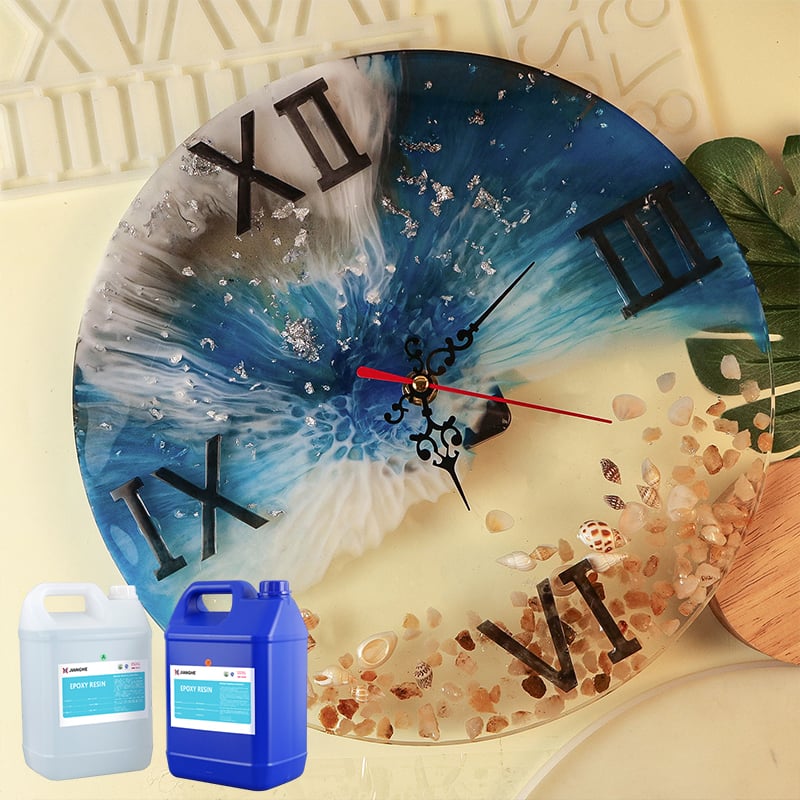
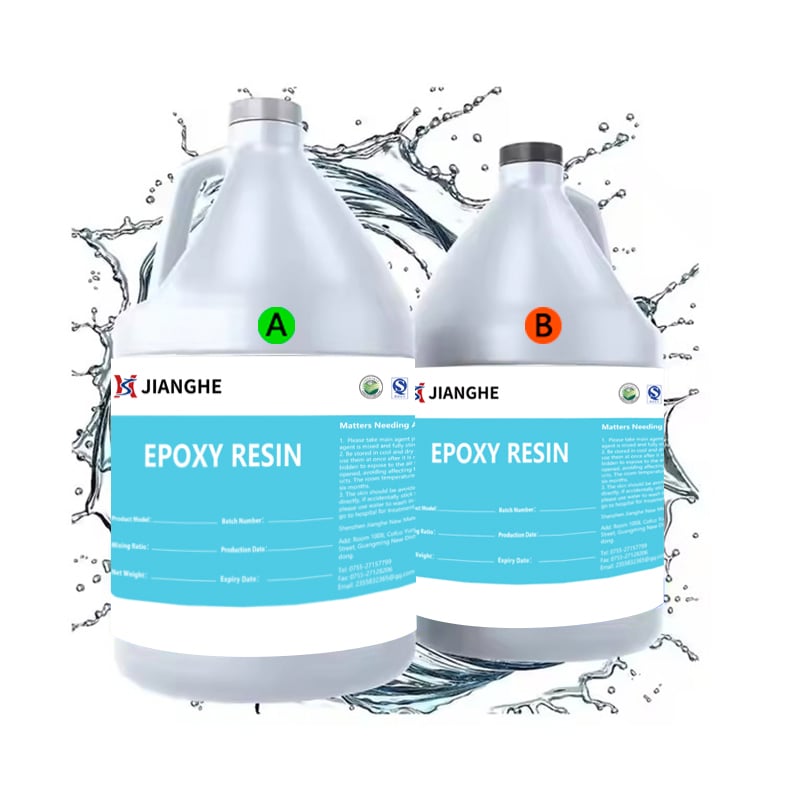
Deep pour epoxy resin is a specialized two-part polymer compound designed specifically for creating thick, clear castings without the complications typically associated with traditional epoxy applications. This advanced formulation allows craftspeople and professionals to pour depths of up to two inches or more in a single application, eliminating the need for multiple layering techniques. The deep pour epoxy resin maintains exceptional clarity throughout the curing process, making it ideal for encapsulating objects, creating jewelry, and producing artistic installations. The formulation features low exotherm properties, meaning it generates minimal heat during the curing process, which prevents yellowing, bubbling, and internal stress fractures that plague standard epoxy resins. Deep pour epoxy resin contains specialized additives that dramatically reduce trapped air bubbles, resulting in glass-like transparency and professional-quality finishes. The material cures to a hard, durable surface that resists UV damage and maintains its pristine appearance for years. Deep pour epoxy resin works with various additives, including pigments, dyes, and metallic powders, allowing unlimited creative possibilities. Whether you're a hobbyist exploring resin art or a professional manufacturer requiring bulk quantities, deep pour epoxy resin delivers consistent, predictable results. The product's extended working time gives you ample opportunity to position embedded objects precisely before the material solidifies, ensuring professional outcomes every time.

 EN
EN