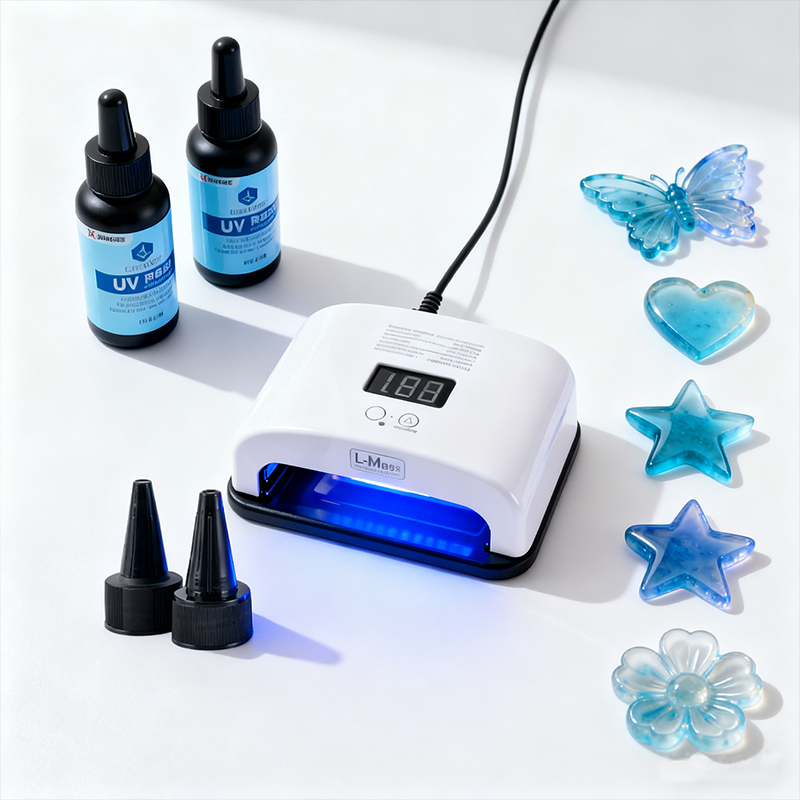
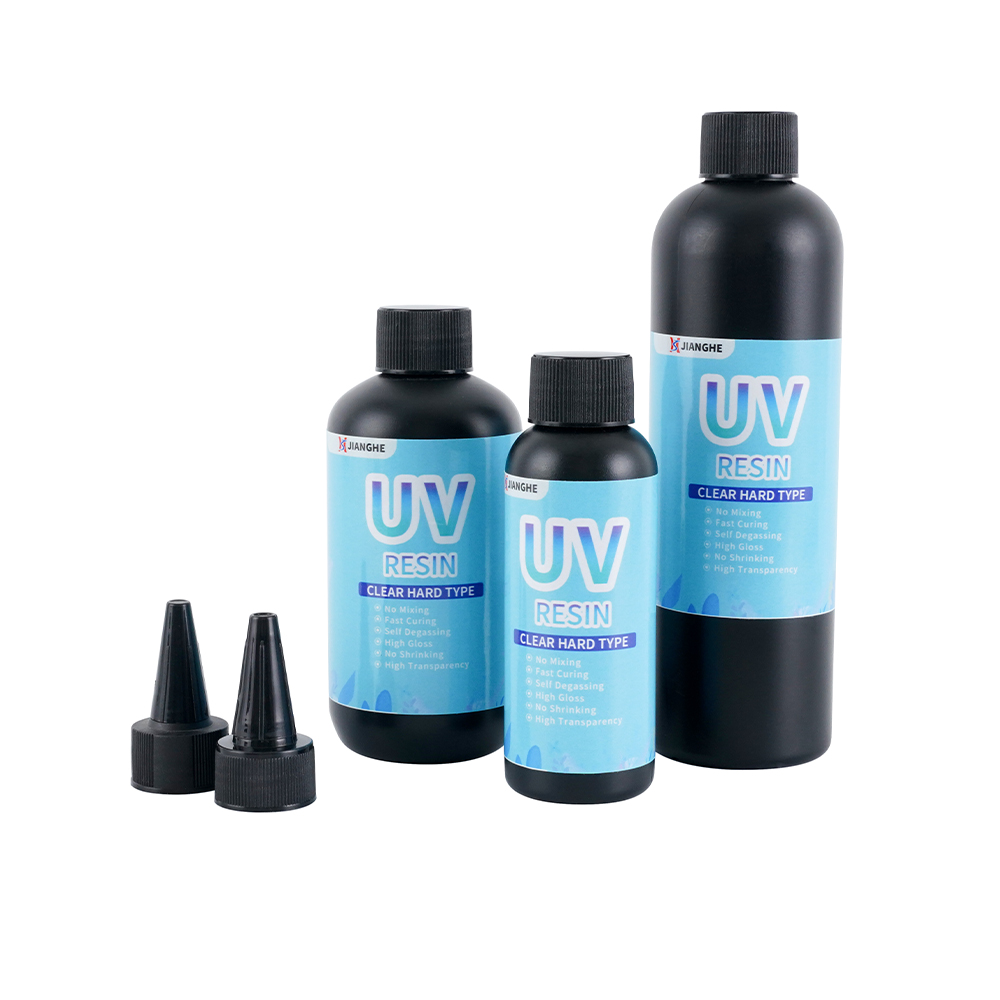
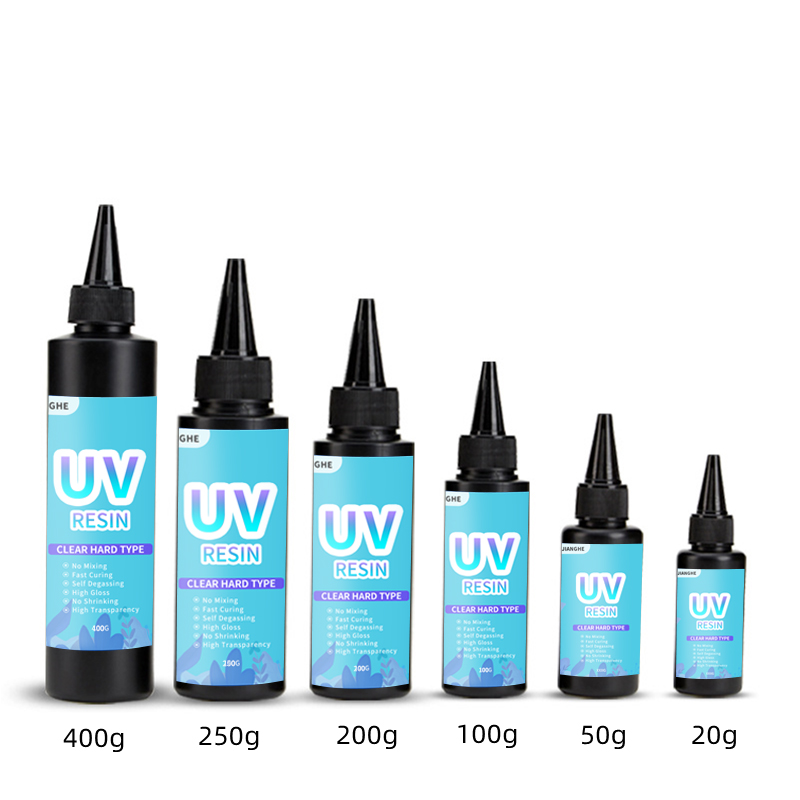
Professional UV Resin Solutions: Fast-Curing, Durable & Eco-Friendly Coatings

All Categories

Get a Tailored Solution

Provide your details below, and our material experts will contact you with a competitive quote and technical support within 24 hours.
Email
Name
Company Name
Message
0/1000

uv resin

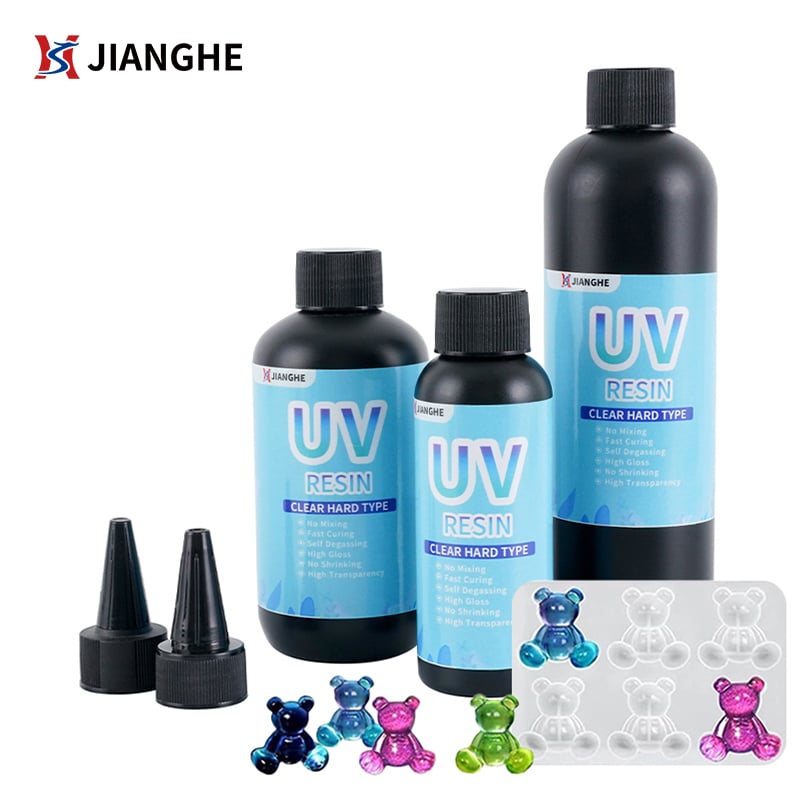
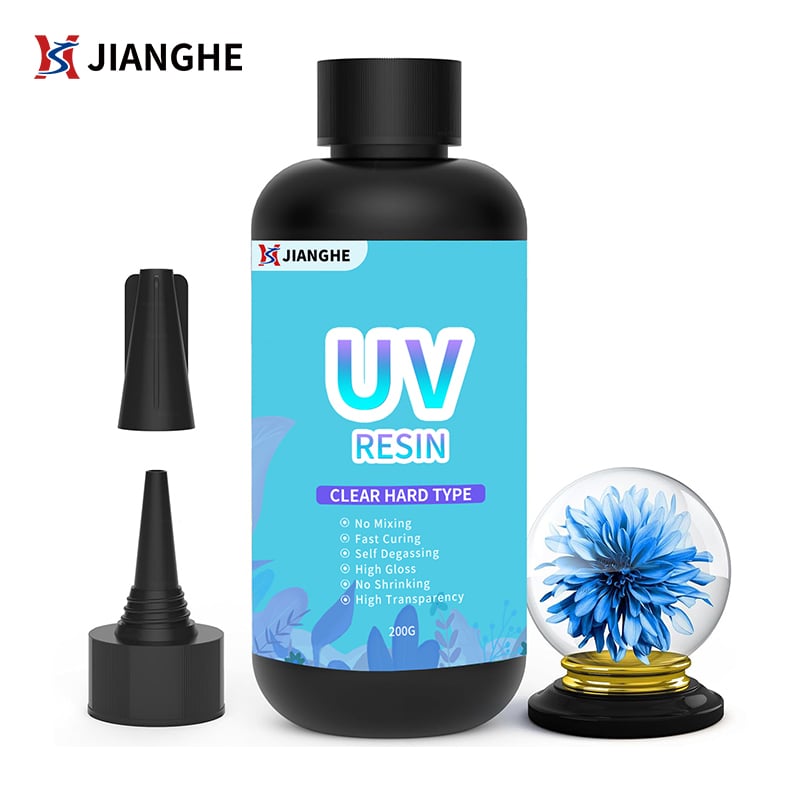
UV resin represents a revolutionary advancement in photopolymer technology, offering unprecedented versatility and performance across numerous industries. This innovative material undergoes rapid curing when exposed to ultraviolet light, transforming from a liquid state to a solid, durable finish within seconds or minutes. The primary function of UV resin centers on its ability to create high-quality coatings, adhesives, and three-dimensional objects through controlled photopolymerization processes. Technological features include exceptional adhesion properties, superior chemical resistance, and remarkable durability that surpasses traditional coating solutions. The curing mechanism relies on photoinitiators that activate under specific UV wavelengths, typically ranging from 280 to 400 nanometers, ensuring consistent results across various environmental conditions. Applications span automotive manufacturing, electronics production, medical device assembly, jewelry creation, and architectural finishing projects. The automotive sector utilizes UV resin for protective coatings on exterior components, while electronics manufacturers depend on its insulating properties for circuit board protection. Medical applications leverage its biocompatible formulations for dental restorations and surgical instrument coatings. Jewelry artisans appreciate the crystal-clear finish achievable with UV resin, enabling intricate designs and professional-grade results. Architectural projects benefit from weather-resistant properties that maintain aesthetic appeal over extended periods. Advanced formulations incorporate specialized additives for enhanced flexibility, impact resistance, or specific optical properties. The technology enables precise control over curing depth, surface hardness, and final appearance characteristics. Modern UV resin systems accommodate various viscosity requirements, from thin coatings to thick casting applications, providing remarkable versatility for diverse manufacturing needs. Environmental considerations favor UV resin due to reduced volatile organic compound emissions compared to solvent-based alternatives, supporting sustainable manufacturing practices while delivering superior performance outcomes.

New Product Recommendations

UV resin delivers exceptional speed advantages that transform manufacturing workflows and production timelines significantly. Traditional curing methods require hours or days for complete polymerization, while UV resin achieves full cure within seconds to minutes under appropriate light exposure. This rapid processing capability increases throughput, reduces inventory holding costs, and enables just-in-time production strategies that enhance operational efficiency. The speed factor becomes particularly valuable in high-volume manufacturing environments where every minute saved translates to substantial cost reductions and improved competitiveness. Energy efficiency represents another compelling advantage, as UV resin curing systems consume significantly less power compared to thermal curing ovens or prolonged ambient curing processes. The targeted energy application eliminates waste heat generation and reduces facility cooling requirements, contributing to lower operational expenses and environmental impact. Quality consistency stands out as a major benefit, with UV resin providing predictable, repeatable results that minimize defect rates and rework requirements. The controlled curing process eliminates variables associated with ambient temperature, humidity, or air circulation that can affect traditional materials. This consistency translates to improved product reliability, reduced quality control costs, and enhanced customer satisfaction levels. Workspace flexibility emerges as a practical advantage, since UV resin requires minimal specialized infrastructure compared to systems requiring heated curing chambers or controlled atmosphere environments. Standard manufacturing spaces accommodate UV curing equipment easily, enabling rapid deployment and scalability without major facility modifications. Safety benefits include reduced exposure to harmful solvents and volatile compounds, creating healthier work environments for operators and surrounding personnel. The elimination of flammable solvents reduces fire hazards and insurance costs while simplifying storage and handling procedures. Cost-effectiveness becomes apparent through reduced material waste, eliminated solvent disposal fees, and decreased labor requirements for application and cleanup processes. Long-term durability ensures extended service life for finished products, reducing maintenance requirements and replacement costs for end users while building brand reputation for reliability and performance excellence.

Tips And Tricks

How Is Liquid Silicone Rubber Used in Professional Mold Making?

24

Dec

How Is Liquid Silicone Rubber Used in Professional Mold Making?

Practical Applications of Liquid Silicone Rubber in Professional Manufacturing Liquid Silicone Rubber plays a central role in professional making environments where precision, repeatability, and material reliability are critical. In contrast to hobby...
View More
How Does Anti-Yellowing Resin Maintain Long-Term Visual Clarity?

17

Dec

How Does Anti-Yellowing Resin Maintain Long-Term Visual Clarity?

The Importance of Visual Stability in Modern Epoxy Applications Anti-Yellowing Resin has become a critical material choice in epoxy systems where long-term appearance, transparency, and color consistency are as important as mechanical performance. In...
View More
What Makes River Table Epoxy Suitable for Deep-Pour Applications?

24

Dec

What Makes River Table Epoxy Suitable for Deep-Pour Applications?

Understanding the Advantages of River Table Epoxy for Deep-Pour Applications River tables are a striking fusion of natural wood and clear epoxy resin, creating a visually stunning centerpiece. The use of deep-pour epoxy is critical in achieving thick...
View More
How Does River Table Epoxy Control Exothermic Reaction and Cracking?

28

Jan

How Does River Table Epoxy Control Exothermic Reaction and Cracking?

Managing Exothermic Reactions and Cracking in River Table Epoxy River Table Epoxy has become a favorite material for designers and artisans who create stunning river tables, countertops, and artistic pieces. Its clarity, durability, and versatility m...
View More

Get a Free Quote

Our representative will contact you soon.
Email
Name
Company Name
Message
0/1000

uv resin

Instant Curing Technology for Maximum Productivity

Instant Curing Technology for Maximum Productivity

The instant curing capability of UV resin revolutionizes production efficiency by eliminating traditional waiting periods that slow manufacturing processes. When exposed to ultraviolet light sources, UV resin undergoes immediate photopolymerization, transitioning from liquid to solid state in mere seconds. This breakthrough technology enables manufacturers to achieve complete curing within 10 to 60 seconds, depending on layer thickness and specific formulation characteristics. The rapid transformation allows continuous production flows without bottlenecks caused by extended curing times. Production lines can maintain consistent speeds while achieving superior quality outcomes, dramatically increasing daily output volumes. The instant curing process provides immediate handling strength, enabling parts to proceed directly to subsequent manufacturing stages or packaging operations. This eliminates intermediate storage requirements and reduces work-in-process inventory levels significantly. Quality control benefits emerge from the predictable curing behavior, as operators can verify cure completion immediately through tactile testing or optical inspection methods. The technology accommodates various part geometries and sizes without modification to curing parameters, providing remarkable flexibility for diverse product portfolios. Complex assemblies benefit from selective curing capabilities, where specific areas receive targeted UV exposure while maintaining uncured regions for subsequent processing steps. The instant curing advantage extends to repair and maintenance applications, where rapid restoration of protective coatings minimizes equipment downtime and operational disruptions. Field applications particularly benefit from portable UV curing systems that enable on-site repairs with professional-grade results. The technology supports lean manufacturing principles by eliminating non-value-added waiting time and reducing batch processing requirements. Continuous improvement opportunities arise from real-time process monitoring and immediate feedback on curing effectiveness, enabling rapid optimization of production parameters for enhanced efficiency and quality outcomes.
Superior Durability and Chemical Resistance Performance

Superior Durability and Chemical Resistance Performance

UV resin demonstrates exceptional durability characteristics that surpass conventional coating and adhesive solutions across demanding operational environments. The fully cured polymer matrix exhibits remarkable resistance to chemical exposure, including acids, bases, solvents, and aggressive industrial compounds that typically degrade traditional materials. This superior chemical resistance stems from the dense crosslinked network structure formed during photopolymerization, creating molecular barriers that prevent penetration and degradation. Extended exposure testing confirms long-term stability under harsh conditions, including elevated temperatures, humidity cycling, and corrosive atmosphere exposure. The durability advantage translates to extended service life for protected components, reducing maintenance frequency and replacement costs significantly. Automotive applications demonstrate UV resin performance under extreme weather conditions, maintaining gloss retention and color stability after thousands of hours of UV exposure and temperature cycling. The material resists impact damage and abrasion wear that commonly affect softer coating systems, preserving surface integrity throughout operational life cycles. Thermal stability enables UV resin applications in high-temperature environments where traditional polymers fail or degrade rapidly. The cured resin maintains mechanical properties across wide temperature ranges, from sub-zero conditions to elevated operating temperatures exceeding 200 degrees Celsius in specialized formulations. Electrical insulation properties remain stable over time, making UV resin ideal for electronic applications requiring long-term reliability and safety compliance. The superior durability reduces life-cycle costs by minimizing recoating requirements and extending maintenance intervals substantially. Environmental stress crack resistance prevents failure modes common in brittle materials, ensuring structural integrity under mechanical loading and thermal expansion cycles. Advanced testing protocols validate performance under accelerated aging conditions, providing confidence for long-term applications and warranty support. The durability advantage becomes particularly valuable in critical applications where failure consequences are severe, including medical devices, aerospace components, and safety-critical automotive systems requiring proven reliability and performance consistency.
Environmentally Conscious and Safe Application Process

Environmentally Conscious and Safe Application Process

UV resin technology promotes environmental responsibility and workplace safety through its solvent-free formulation and clean application process. Unlike traditional coating systems that release volatile organic compounds into the atmosphere, UV resin contains minimal or zero VOC content, supporting air quality improvement and regulatory compliance initiatives. This environmental advantage eliminates the need for expensive exhaust systems and air pollution control equipment while reducing environmental permitting requirements and associated costs. The clean application process generates minimal waste streams, as UV resin can be applied with nearly 100 percent transfer efficiency using appropriate application methods. Overspray reduction minimizes material consumption and eliminates disposal costs associated with contaminated solvents and cleanup materials. Worker safety benefits significantly from reduced exposure to harmful vapors and toxic solvents commonly present in conventional systems. The absence of flammable solvents eliminates fire and explosion risks, reducing insurance premiums and safety equipment requirements substantially. Simplified storage and handling procedures result from the stable, non-hazardous nature of uncured UV resin formulations. Standard warehouse conditions accommodate UV resin storage without special ventilation or temperature control systems required for solvent-based materials. The application process requires minimal personal protective equipment compared to systems involving hazardous solvents, improving worker comfort and productivity. Cleanup procedures become straightforward, typically requiring only soap and water for equipment maintenance rather than expensive organic solvents. Waste disposal costs decrease dramatically due to the non-hazardous classification of cured UV resin materials, which often qualify for standard industrial waste streams rather than hazardous waste disposal requirements. Indoor air quality improvements benefit facility occupants beyond direct production personnel, creating healthier work environments and potentially reducing health-related absence rates. Regulatory compliance becomes simpler as UV resin systems typically exceed environmental performance standards without additional control measures. The sustainable technology aligns with corporate environmental stewardship goals while delivering superior technical performance, enabling companies to achieve both environmental and business objectives simultaneously. Long-term environmental benefits include reduced carbon footprint from eliminated solvent transportation and processing requirements, supporting comprehensive sustainability initiatives and stakeholder satisfaction.

Get Samples & Support

Email
Name
Company Name
Country/Region
What Are You Making
Single Choice
Estimated Monthly Usage
Single Choice
Message
0/1000