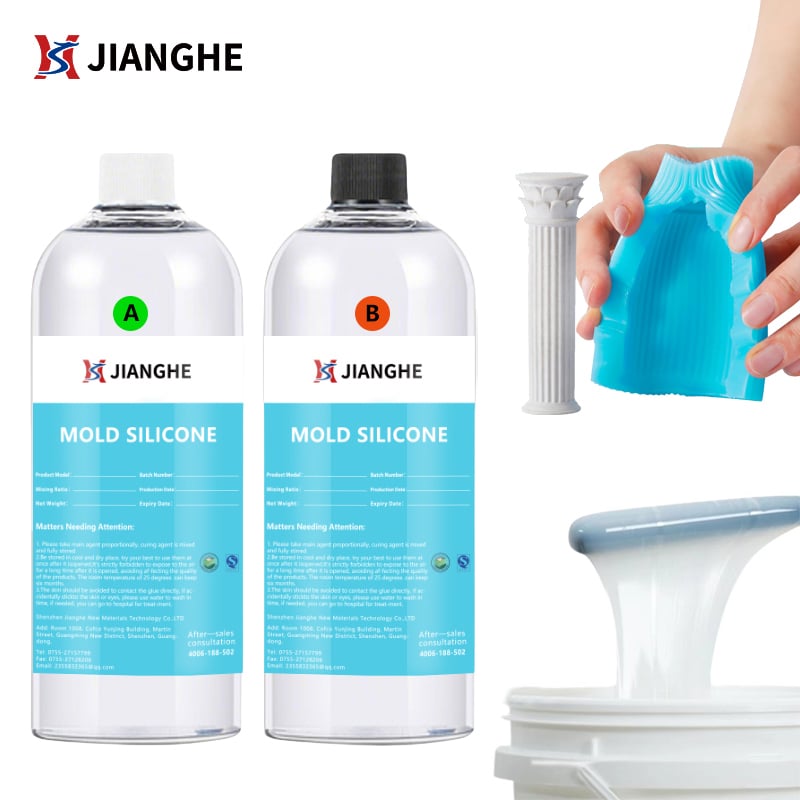
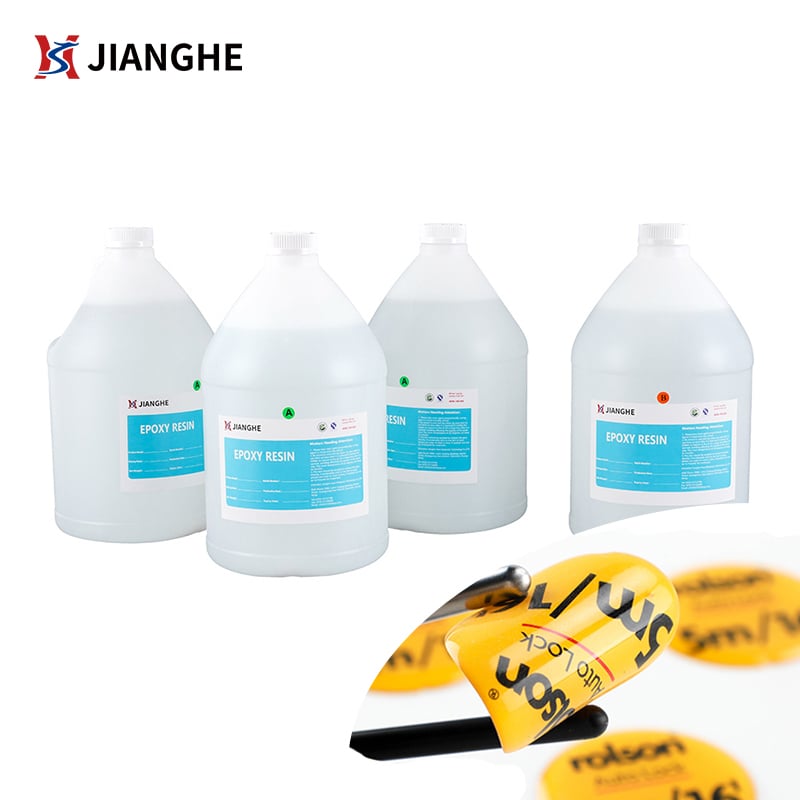
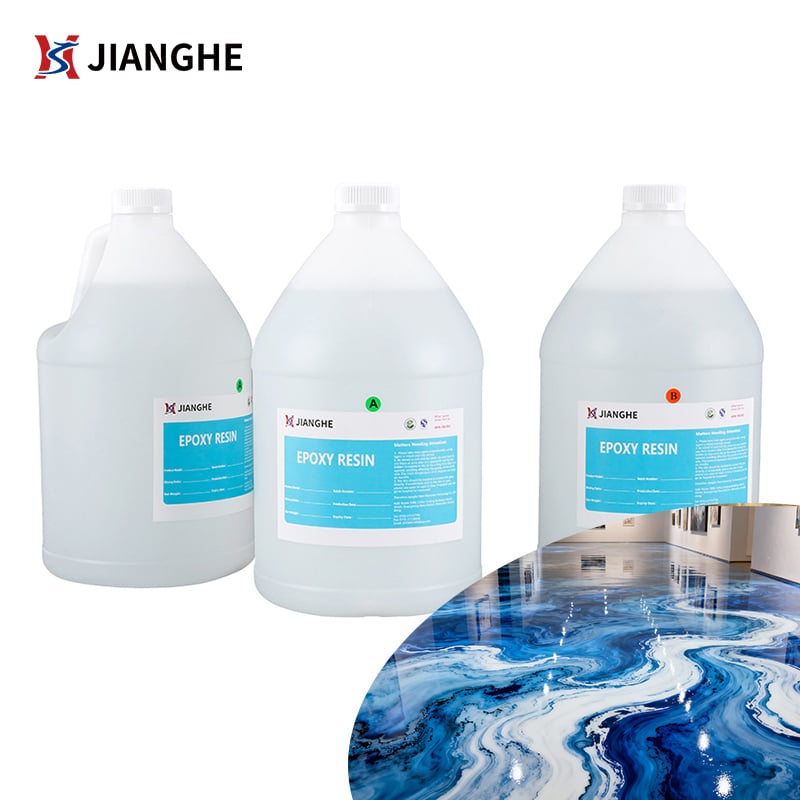
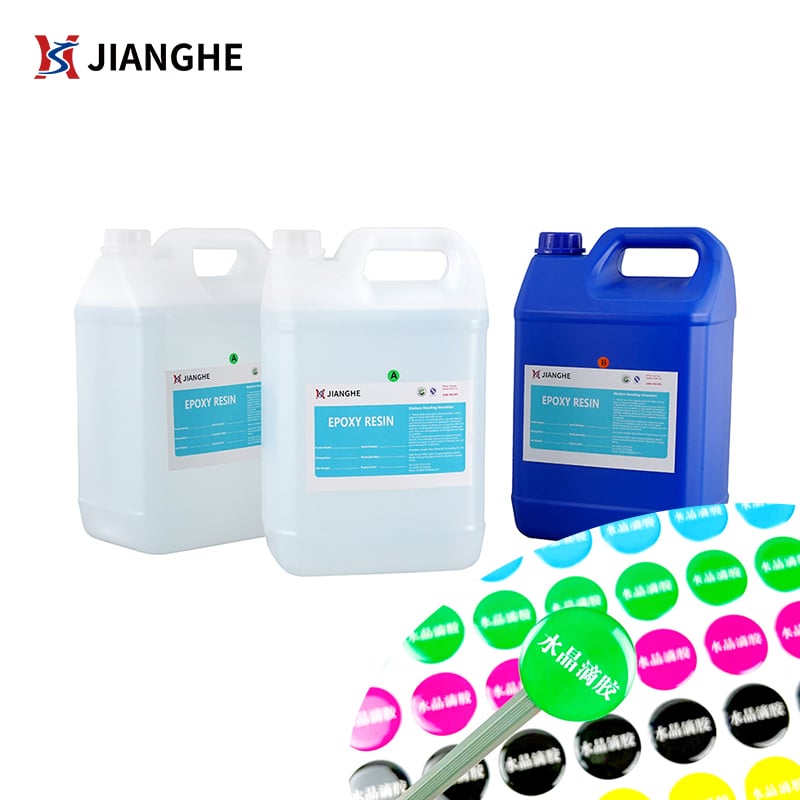
oem resin manufacturer
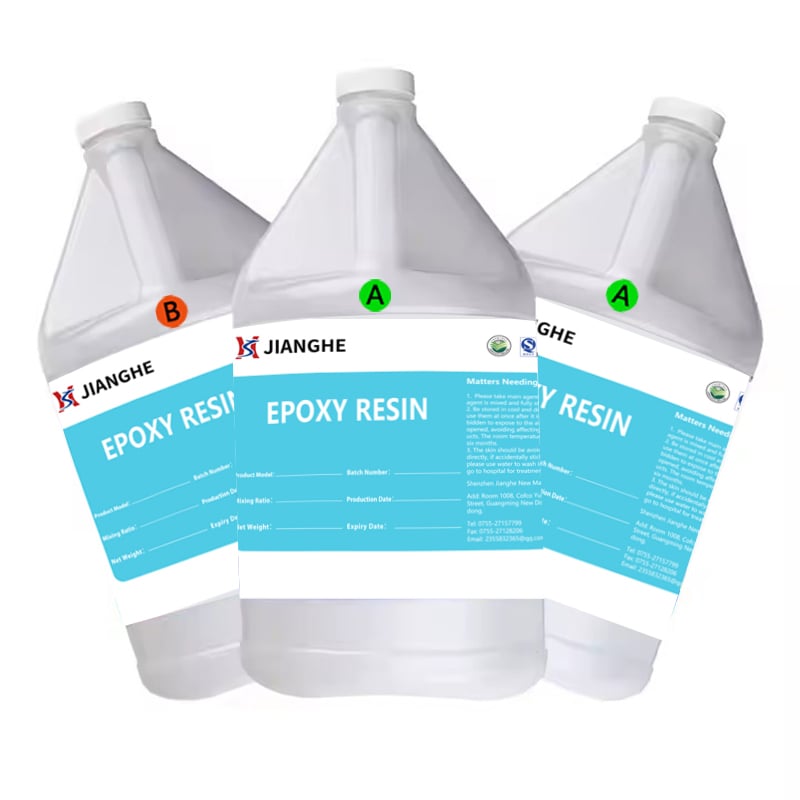
An OEM resin manufacturer specializes in producing high-quality synthetic resins designed for original equipment manufacturers across diverse industries. These specialized producers create customized resin solutions that serve as fundamental building blocks for countless applications. An OEM resin manufacturer delivers engineered compounds tailored to specific client requirements, ensuring optimal performance in final products.
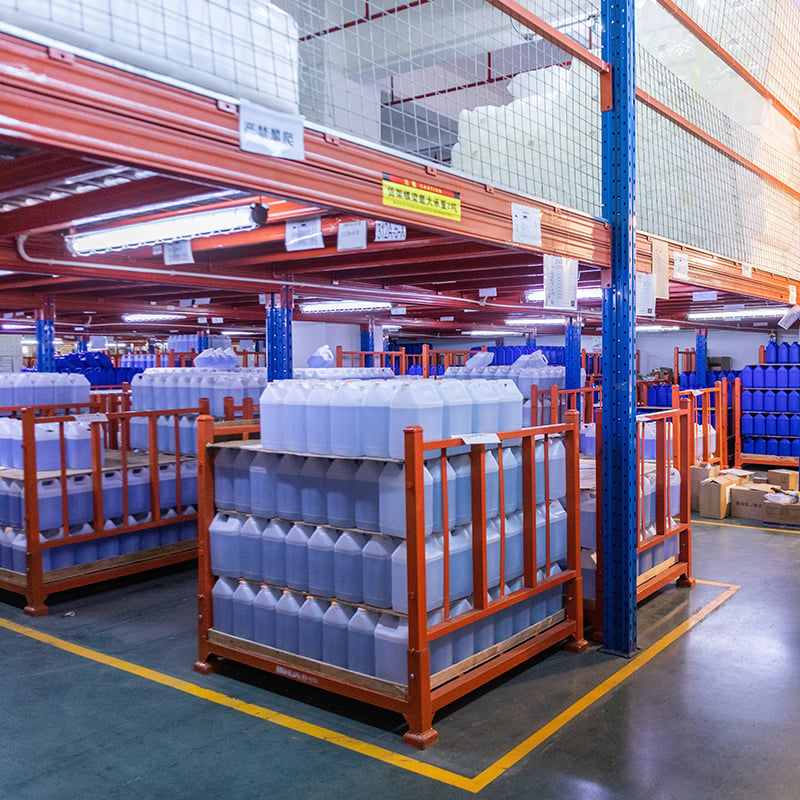
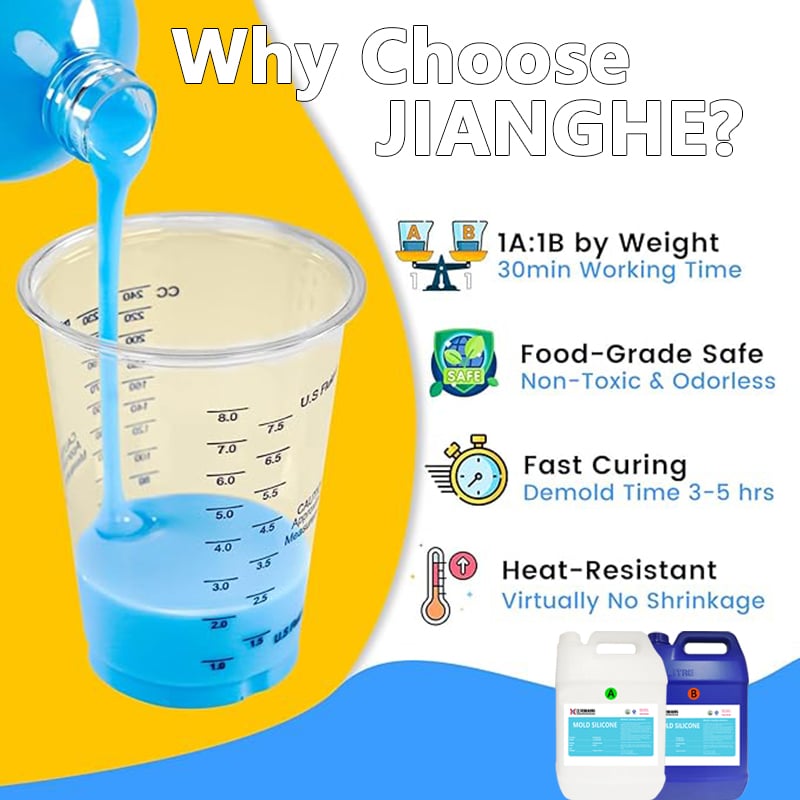
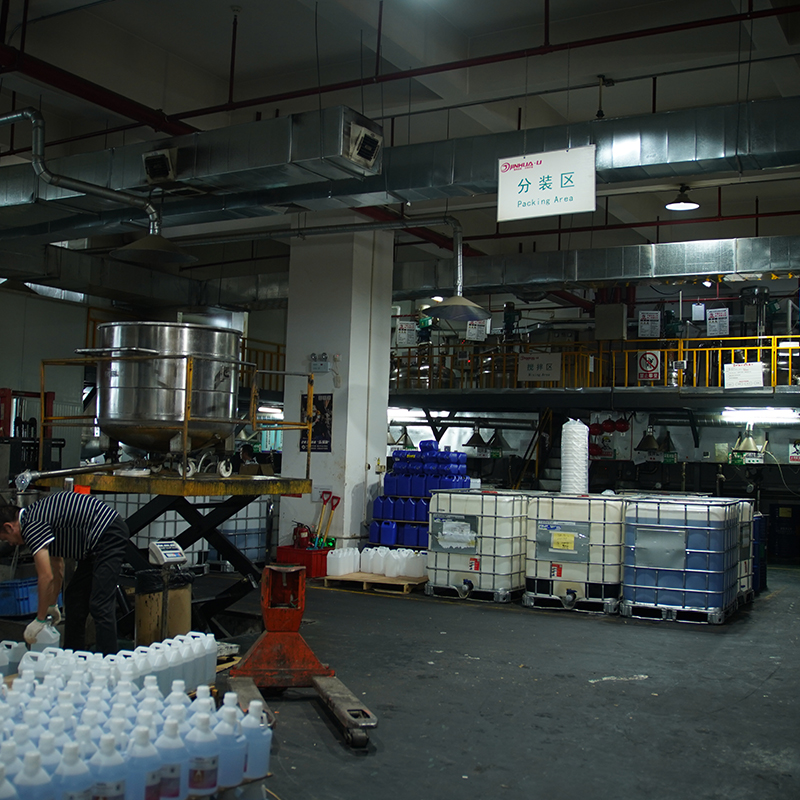
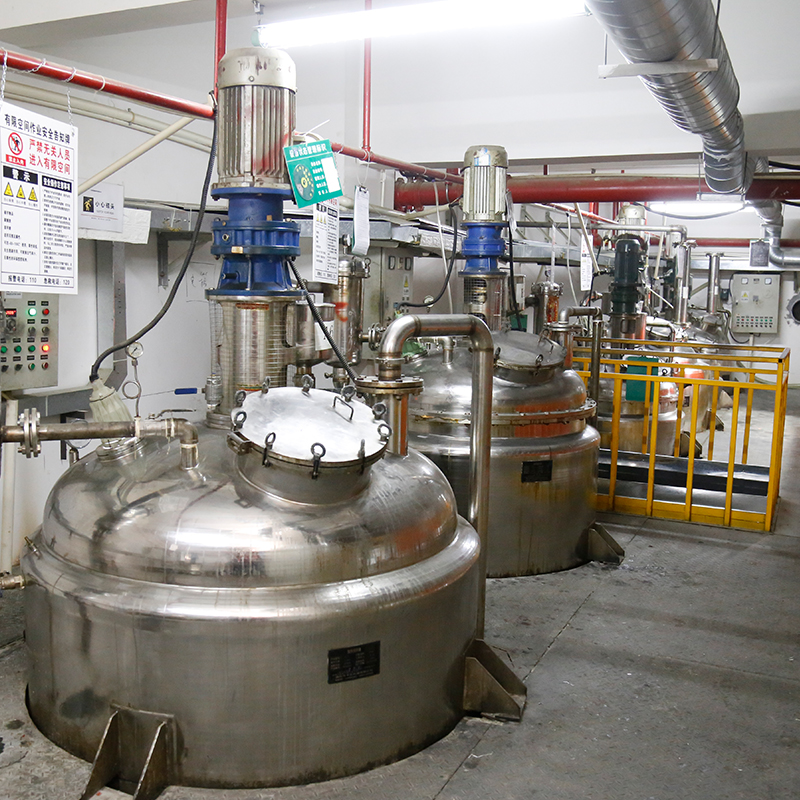
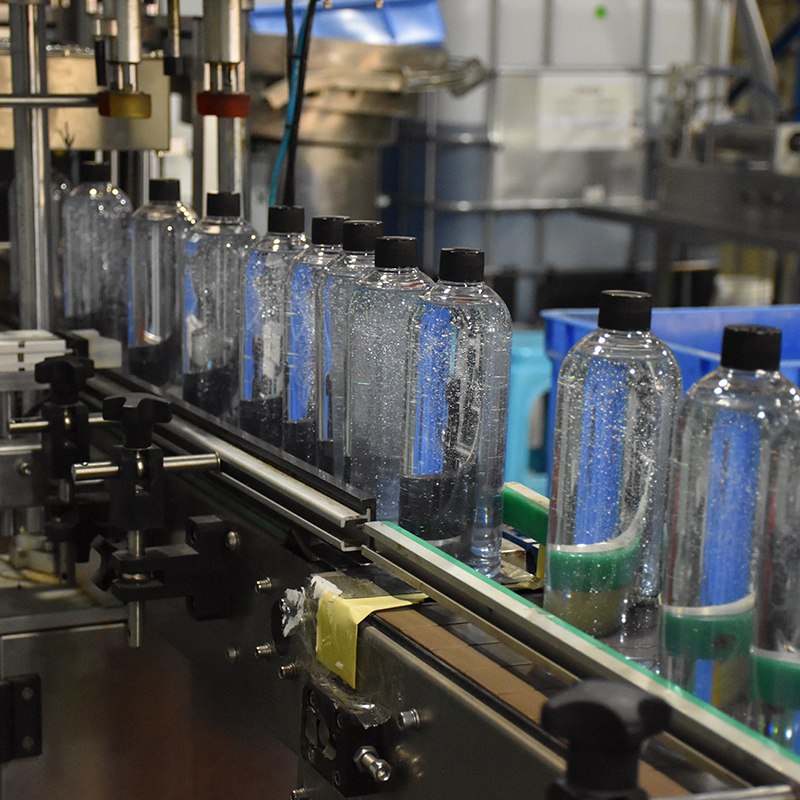
The primary function of an OEM resin manufacturer involves formulating, processing, and supplying resin materials that meet stringent industry standards. These manufacturers work closely with clients to develop resins with precise specifications regarding viscosity, curing time, color, and chemical resistance. The OEM resin manufacturer utilizes advanced mixing, blending, and quality control technologies to ensure consistency and reliability across production batches.
Technological features distinguish professional OEM resin manufacturers in competitive markets. Modern facilities employ sophisticated equipment for temperature control, particle analysis, and chemical composition verification. These manufacturers invest in research and development to create innovative resin formulations that address emerging market demands and environmental considerations.
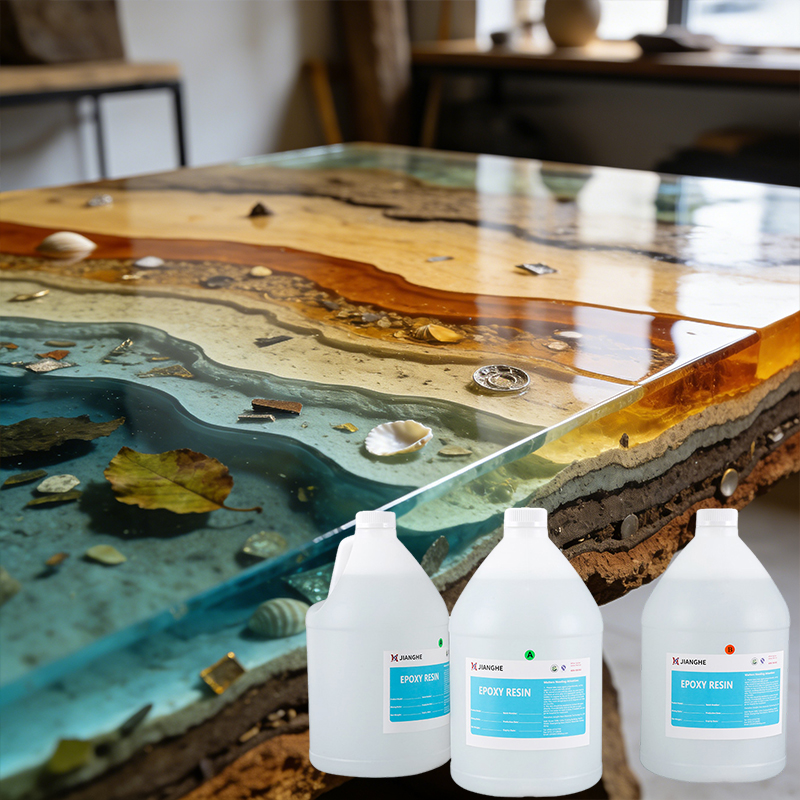
Applications for products from an OEM resin manufacturer span multiple sectors including automotive, aerospace, electronics, construction, and consumer goods industries. Manufacturers producing composite materials, adhesives, coatings, and specialty compounds depend on reliable resin suppliers. The OEM resin manufacturer supports production of electrical insulators, structural components, protective coatings, and precision-engineered parts requiring superior material properties and consistent performance standards.

 EN
EN