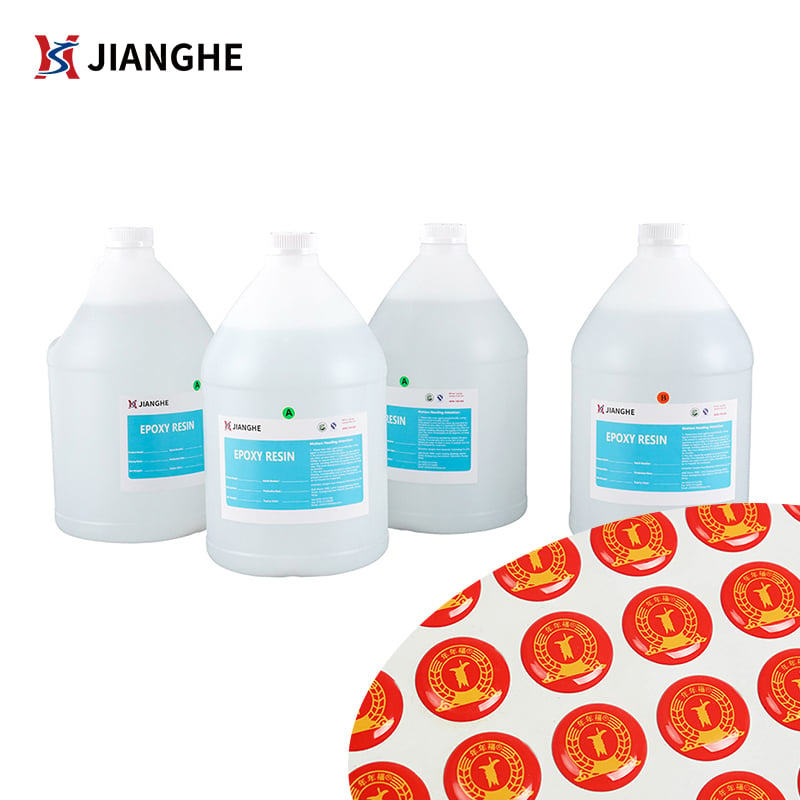
epoxy resin garage floor
An epoxy resin garage floor is a durable protective coating system that transforms ordinary concrete surfaces into high-performance flooring solutions. This innovative flooring system consists of epoxy resin mixed with hardeners and aggregates, creating a seamless, resilient surface that bonds directly to concrete substrates. The epoxy resin garage floor technology combines aesthetic appeal with exceptional functional capabilities.
The main functions of an epoxy resin garage floor include protecting concrete from damage, chemical spills, moisture penetration, and mechanical wear. The technological features distinguish this flooring solution through its chemical resistance, impact absorption, and superior adhesion properties. An epoxy resin garage floor creates a non-porous surface that prevents staining and contamination from penetrating the concrete below.
Applications for epoxy resin garage floor systems span residential garages, commercial workshops, industrial facilities, and retail spaces. Homeowners appreciate how an epoxy resin garage floor withstands vehicle traffic, tool storage, and regular maintenance activities. The epoxy resin garage floor's versatility extends to showrooms, storage facilities, and manufacturing environments where durability matters.
Key technological features include UV resistance, thermal stability, and rapid curing formulations. The surface finish options range from high-gloss reflective coatings to textured safety surfaces. Installation involves surface preparation, primer application, and multiple epoxy resin garage floor coating layers. The result is a professional-grade flooring system that enhances space functionality while providing lasting protection against the demanding conditions garage environments present.

 EN
EN