Premium Epoxy Resin for Moulds - Superior Quality Casting Solutions

All Categories

Get a Tailored Solution

Provide your details below, and our material experts will contact you with a competitive quote and technical support within 24 hours.
Email
Name
Company Name
Message
0/1000

epoxy resin for moulds

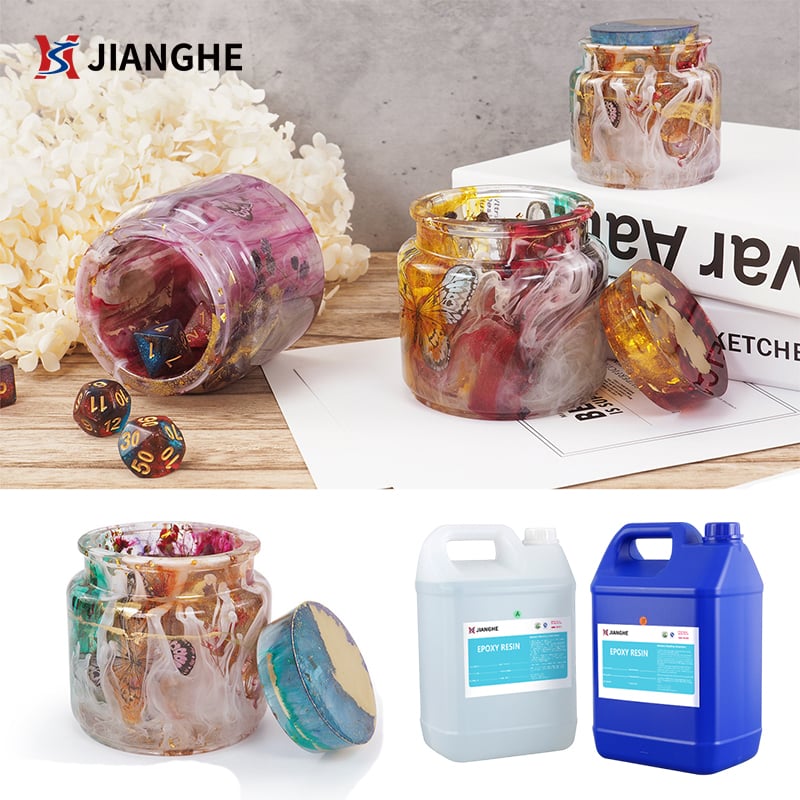
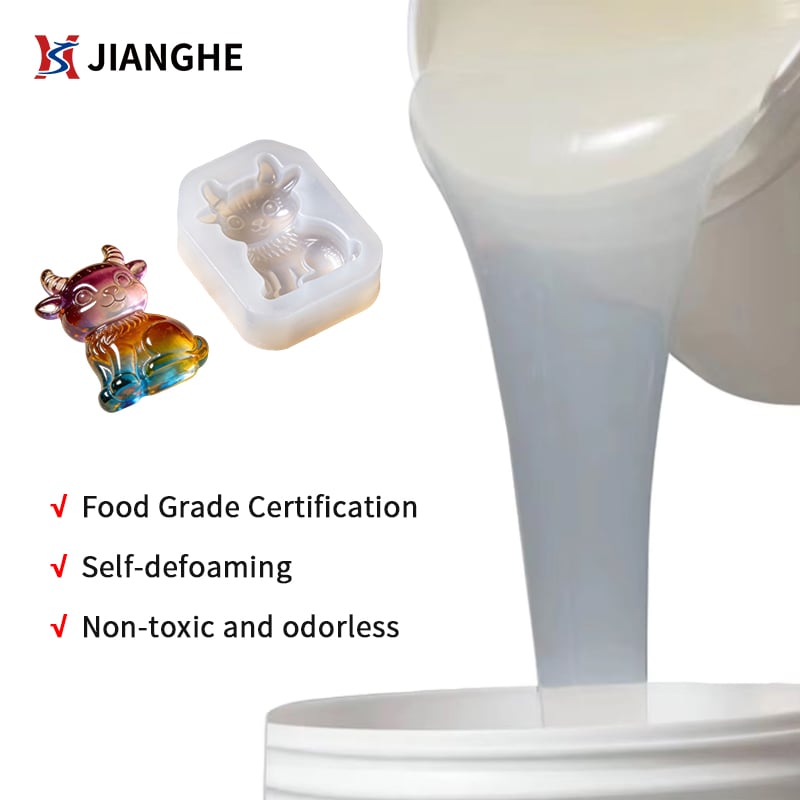
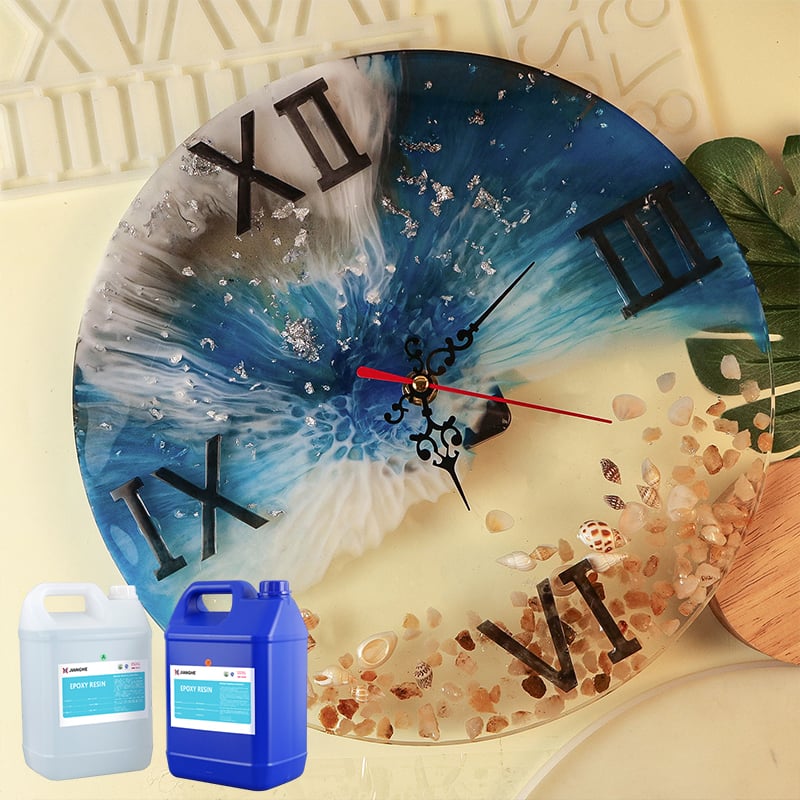
Epoxy resin for moulds represents a cutting-edge solution in manufacturing and crafting industries, delivering exceptional performance for creating precise, durable casting forms. This specialized resin system combines advanced polymer chemistry with practical functionality, making it an indispensable tool for professionals and enthusiasts alike. The primary function of epoxy resin for moulds centers on providing a reliable medium for reproducing complex shapes with remarkable accuracy and surface finish quality. Modern epoxy resin for moulds incorporates sophisticated cross-linking technology that ensures dimensional stability throughout the curing process. The technological features include superior flow characteristics, allowing the material to capture intricate details while maintaining structural integrity. Temperature resistance properties enable these moulds to withstand repeated use cycles without degradation. The chemical composition provides excellent adhesion properties while maintaining easy release characteristics when properly prepared. Applications span across multiple industries, from automotive prototyping to architectural elements, jewelry making, and artistic sculptures. In manufacturing environments, epoxy resin for moulds serves as a cost-effective alternative to traditional metal tooling, particularly for short-run production cycles. The aerospace industry utilizes these moulds for creating lightweight composite components, while the marine sector relies on them for hull sections and deck components. Artists and designers favor epoxy resin for moulds due to its ability to reproduce fine textures and complex geometries that would be impossible with conventional materials. The versatility extends to food-safe applications when appropriate formulations are selected, enabling culinary professionals to create unique serving pieces and decorative elements. Educational institutions employ epoxy resin for moulds in teaching environments, allowing students to explore three-dimensional design concepts with tangible results.

Popular Products

Epoxy resin for moulds offers remarkable cost efficiency compared to traditional mould-making materials, significantly reducing initial investment while delivering superior performance characteristics. Manufacturers save substantial amounts by eliminating expensive machining processes typically required for metal moulds, while achieving comparable precision levels. The material exhibits exceptional dimensional accuracy, maintaining tolerances within micrometers even after multiple casting cycles. This precision translates directly into reduced waste and improved product quality for end users. The lightweight nature of epoxy resin for moulds simplifies handling and transportation, reducing labor costs and workplace injury risks associated with heavy tooling. Setup times decrease dramatically as these moulds require minimal preparation compared to conventional alternatives. The versatility of epoxy resin for moulds accommodates various casting materials including plastics, metals, ceramics, and composites without compromising performance. Temperature stability ensures consistent results across different environmental conditions, while chemical resistance prevents degradation from aggressive casting materials. The smooth surface finish achieved with epoxy resin for moulds eliminates secondary finishing operations in many applications, streamlining production workflows. Repair capabilities allow users to extend mould life through simple patching procedures, further enhancing economic benefits. The rapid curing characteristics enable faster project completion, improving overall productivity metrics. Customization options allow formulators to adjust properties such as hardness, flexibility, and thermal expansion to match specific application requirements. Storage requirements remain minimal as epoxy resin for moulds maintains stability in standard warehouse conditions without special environmental controls. The material demonstrates excellent demolding characteristics, reducing cycle times and preventing damage to cast parts. Quality consistency remains high throughout the mould's operational life, ensuring uniform product output. The learning curve for working with epoxy resin for moulds is relatively shallow, enabling quick workforce training and implementation.

Practical Tips

How Can Buyers Assess Long-Term Reliability of a Resin Manufacturer?

11

Dec

How Can Buyers Assess Long-Term Reliability of a Resin Manufacturer?

Building Confidence in a Sustainable Manufacturing Partner Selecting a reliable Resin Manufacturer is a strategic decision that directly affects product quality, delivery stability, and long-term cooperation efficiency. For buyers sourcing epoxy resi...
View More
What Advantages Does Floor Coating Epoxy Offer in Warehouses and Factories?

23

Dec

What Advantages Does Floor Coating Epoxy Offer in Warehouses and Factories?

Advantages of Floor Coating Epoxy for Warehouses and Factories Maintaining durable, safe, and efficient flooring in warehouses and factories is a constant challenge. Heavy machinery, forklift traffic, and chemical exposure put extreme stress on concr...
View More
What Makes River Table Epoxy Suitable for Deep-Pour Applications?

24

Dec

What Makes River Table Epoxy Suitable for Deep-Pour Applications?

Understanding the Advantages of River Table Epoxy for Deep-Pour Applications River tables are a striking fusion of natural wood and clear epoxy resin, creating a visually stunning centerpiece. The use of deep-pour epoxy is critical in achieving thick...
View More
Why Do Mold Makers Choose Liquid Silicone for Complex Mold Projects?

04

Jan

Why Do Mold Makers Choose Liquid Silicone for Complex Mold Projects?

Liquid Silicone in Modern Mold Making Liquid silicone has become the material of choice for mold makers seeking precision, flexibility, and durability in their projects. Its unique properties allow manufacturers to produce complex molds that traditio...
View More

Get a Free Quote

Our representative will contact you soon.
Email
Name
Company Name
Message
0/1000

epoxy resin for moulds

Superior Detail Reproduction and Surface Quality

Superior Detail Reproduction and Surface Quality

The exceptional detail reproduction capability of epoxy resin for moulds stems from its unique molecular structure and advanced formulation chemistry. When properly mixed and applied, this material flows into the smallest crevices and surface irregularities of master patterns, capturing details down to microscopic levels that other mould materials simply cannot achieve. The low viscosity during the working period allows complete pattern wetting, eliminating air entrapment that could compromise surface quality. Advanced degassing techniques further enhance this capability, ensuring bubble-free surfaces that translate into flawless cast parts. The curing mechanism creates a cross-linked network that locks in these fine details permanently, maintaining dimensional stability throughout countless production cycles. Temperature cycling tests demonstrate that epoxy resin for moulds retains surface fidelity even under extreme thermal stress, making it suitable for high-temperature casting applications. The resulting surface finish often eliminates post-processing requirements, saving both time and material costs while improving overall part quality. Chemical compatibility with various release agents ensures consistent demolding without surface damage or detail loss. The material's ability to reproduce complex undercuts and intricate geometries opens new design possibilities previously limited by traditional mould-making constraints. Professional craftspeople particularly value this characteristic when creating artistic pieces or precision components where surface quality directly impacts final product value. Quality control measurements consistently show surface roughness values comparable to machined metal moulds, validating the material's precision capabilities. The durability of these fine surface details throughout extended production runs makes epoxy resin for moulds an economically viable solution for both prototype and production applications.
Exceptional Durability and Longevity Performance

Exceptional Durability and Longevity Performance

The durability characteristics of epoxy resin for moulds surpass conventional expectations through sophisticated polymer engineering and optimized curing chemistry. Laboratory testing demonstrates resistance to mechanical wear, chemical attack, and thermal cycling that extends operational life far beyond competitive materials. The cross-linked molecular structure creates exceptional tear resistance, preventing crack propagation even under high-stress demolding operations. Impact resistance testing shows superior performance compared to traditional mould materials, reducing replacement frequency and associated downtime costs. Thermal stability enables continuous operation at elevated temperatures without dimensional changes or surface degradation, making these moulds suitable for challenging industrial applications. Chemical resistance profiles indicate compatibility with aggressive casting materials including acids, bases, and organic solvents commonly encountered in manufacturing environments. Fatigue testing simulating thousands of mould cycles confirms maintained performance characteristics throughout extended operational periods. The material's inherent flexibility prevents catastrophic failure modes typical of brittle mould materials, instead exhibiting gradual wear patterns that allow predictive maintenance scheduling. UV stability formulations prevent degradation in outdoor applications or high-illumination work environments. Storage stability ensures moulds maintain performance characteristics during extended idle periods without special preservation requirements. Repair compatibility allows localized damage correction using compatible repair compounds, extending operational life beyond initial specifications. Quality tracking data from industrial users consistently report mould lifespans exceeding cost projections by significant margins. The combination of chemical inertness and mechanical strength makes epoxy resin for moulds particularly valuable in corrosive environments where metal alternatives would fail rapidly. Environmental stress crack resistance ensures reliable performance in varying humidity and temperature conditions typical of manufacturing facilities.
Versatile Application Range and Processing Flexibility

Versatile Application Range and Processing Flexibility

The remarkable versatility of epoxy resin for moulds enables applications across diverse industries and manufacturing processes, from delicate jewelry casting to large-scale industrial component production. This adaptability stems from formulation flexibility that allows property modification to match specific application requirements while maintaining core performance characteristics. Temperature range capabilities extend from cryogenic applications to high-heat processing environments, accommodating virtually any casting material or process condition. The material demonstrates compatibility with casting processes including gravity pour, vacuum assist, pressure forming, and injection molding techniques. Substrate adhesion properties enable direct application to various master pattern materials including wood, metal, plastic, and composite surfaces without specialized primers or surface treatments. Mixing ratio flexibility allows field adjustment of working time and final properties to match specific production requirements or environmental conditions. The self-leveling characteristics simplify application on complex geometries, reducing labor requirements and skill levels needed for successful mould fabrication. Pot life variations accommodate both rapid production needs and extended working time requirements through appropriate catalyst selection. Demolding characteristics can be optimized for specific casting materials, ensuring easy part removal while maintaining mould integrity. Scale flexibility enables applications from miniature precision components to large architectural elements using identical material systems. Color customization options facilitate organization and identification in high-volume production environments while maintaining performance standards. Processing equipment requirements remain minimal, eliminating capital investment barriers that limit access to alternative mould-making technologies. Quality control procedures integrate easily into existing manufacturing systems, ensuring consistent results without disrupting established workflows. The material's forgiving nature accommodates varying skill levels while delivering professional results, making epoxy resin for moulds accessible to both experienced technicians and newcomers to mould-making processes.

Get Samples & Support

Email
Name
Company Name
Country/Region
What Are You Making
Single Choice
Estimated Monthly Usage
Single Choice
Message
0/1000