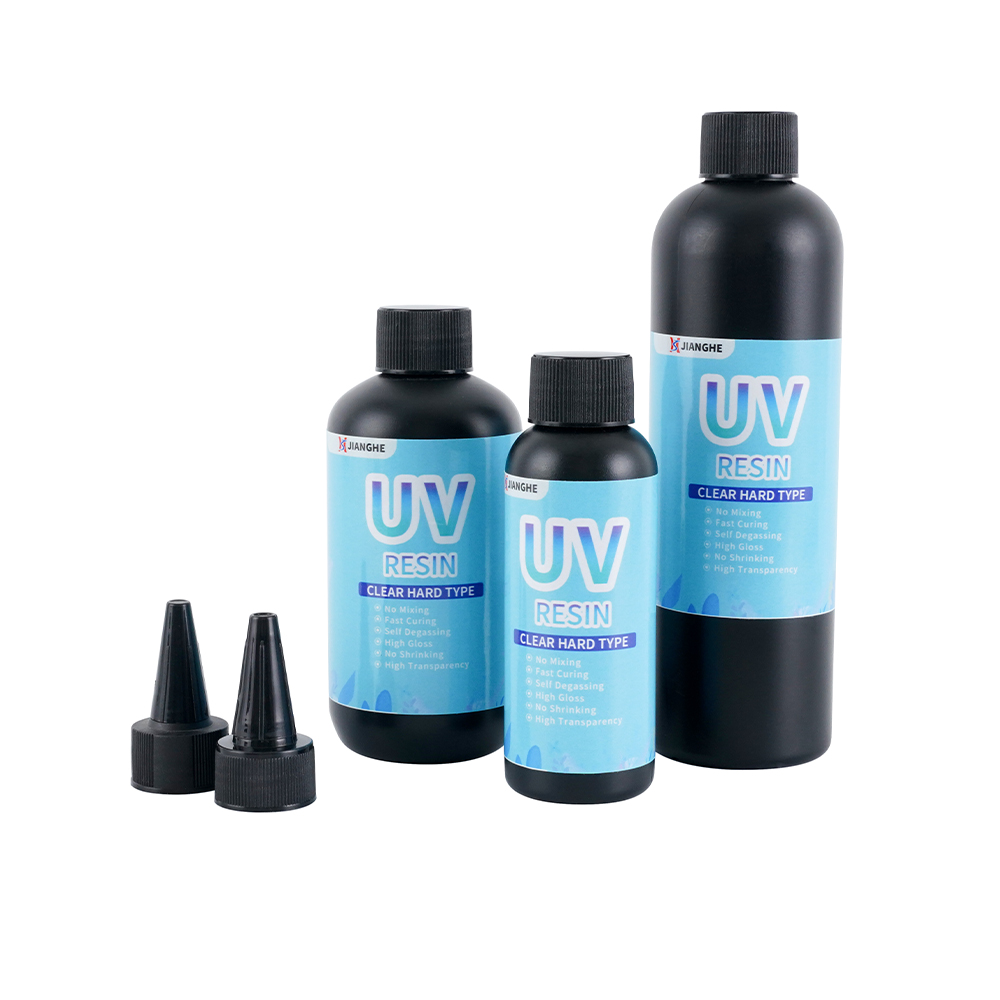
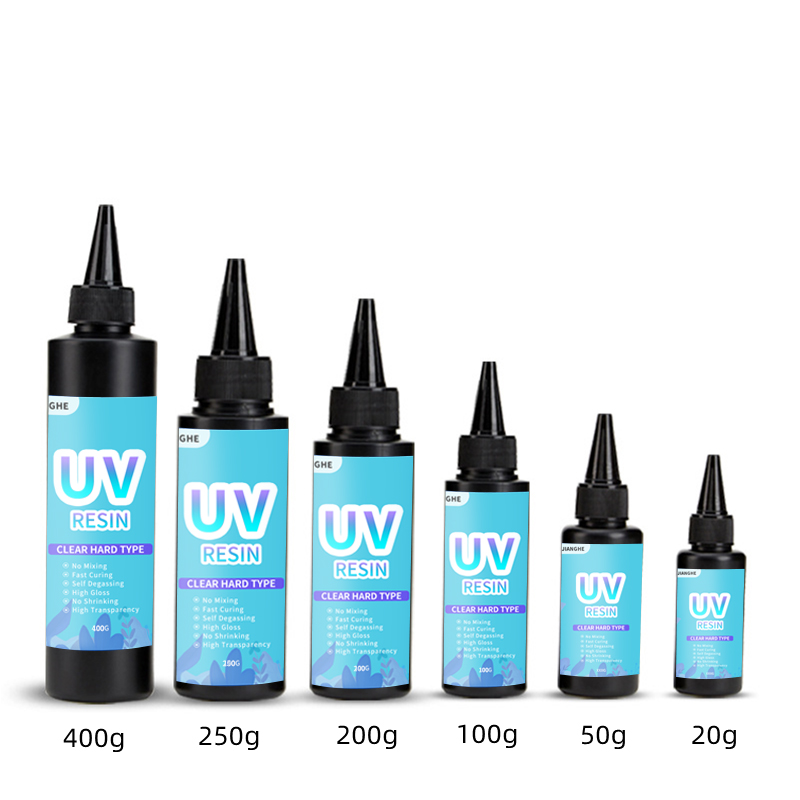
Premium UV Resistant Resin - Advanced Protection for Long-Lasting Durability

All Categories

Get a Tailored Solution

Provide your details below, and our material experts will contact you with a competitive quote and technical support within 24 hours.
Email
Name
Company Name
Message
0/1000

uv resistant resin

UV resistant resin represents a revolutionary advancement in polymer technology, engineered specifically to withstand the damaging effects of ultraviolet radiation from sunlight and artificial light sources. This specialized material combines traditional resin properties with enhanced photostabilizers and UV-blocking additives, creating a durable solution that maintains structural integrity and aesthetic appeal even under prolonged exposure to harsh environmental conditions. The primary function of UV resistant resin lies in its ability to prevent photodegradation, a process that typically causes conventional plastics and resins to become brittle, discolored, and weakened over time. The technological foundation of UV resistant resin centers around the incorporation of sophisticated stabilizing compounds, including hindered amine light stabilizers (HALS) and benzotriazole derivatives, which work synergistically to absorb harmful UV wavelengths and neutralize free radicals generated during exposure. These additives are molecularly integrated into the polymer matrix during manufacturing, ensuring uniform distribution and long-lasting protection throughout the material's lifespan. Modern UV resistant resin formulations also feature advanced cross-linking mechanisms that enhance dimensional stability and mechanical properties under thermal cycling conditions. The material exhibits excellent chemical resistance, making it suitable for environments where exposure to various solvents, acids, and alkaline substances is common. Applications for UV resistant resin span numerous industries, from automotive exterior components and marine equipment to outdoor furniture, architectural elements, and solar panel encapsulation. In the construction sector, this material serves as an ideal choice for window frames, roofing materials, and decorative panels that require long-term weatherability. The aerospace industry utilizes UV resistant resin for non-critical exterior components where weight reduction and durability are paramount. Additionally, the material finds extensive use in 3D printing applications, particularly for outdoor sculptures, architectural models, and functional prototypes that must withstand environmental stresses. The manufacturing process involves precise temperature control and specialized mixing techniques to ensure optimal dispersion of UV-blocking additives while maintaining the base resin's inherent properties.

New Products

UV resistant resin offers exceptional longevity that translates directly into significant cost savings for businesses and consumers alike. Unlike standard resins that deteriorate rapidly when exposed to sunlight, this advanced material maintains its original properties for decades, reducing replacement frequency and associated labor costs. The superior weather resistance means products manufactured with UV resistant resin retain their structural integrity, color stability, and surface finish throughout their extended service life, eliminating the need for frequent repairs or refinishing procedures. This durability advantage becomes particularly valuable in large-scale installations where replacement costs include not only material expenses but also substantial downtime and accessibility challenges. The material demonstrates remarkable dimensional stability across wide temperature ranges, preventing warping, cracking, or dimensional changes that commonly plague inferior alternatives. This stability ensures consistent performance in applications where precise tolerances are critical, such as optical components or mechanical assemblies. UV resistant resin maintains excellent mechanical properties even after prolonged exposure, with tensile strength, impact resistance, and flexural modulus remaining within acceptable parameters throughout the material's operational lifespan. The chemical inertness of UV resistant resin provides additional protection against environmental contaminants, making it suitable for applications in aggressive chemical environments or areas prone to acid rain and industrial pollutants. Processing advantages include excellent flowability during molding operations, reduced cycle times due to optimized cure characteristics, and compatibility with various manufacturing techniques including injection molding, compression molding, and additive manufacturing. The material exhibits superior adhesion properties with various substrates, facilitating multi-material assemblies and composite structures. Quality control benefits emerge from the material's consistent performance characteristics, reducing variability in finished products and minimizing quality-related issues. UV resistant resin also offers excellent electrical insulation properties that remain stable under UV exposure, making it ideal for outdoor electrical enclosures and components. The material's low moisture absorption prevents dimensional changes and property degradation in humid environments, maintaining performance consistency across diverse climatic conditions. Environmental benefits include reduced waste generation due to extended product lifecycles and compatibility with recycling processes, supporting sustainable manufacturing practices and circular economy principles.

Latest News

How Can Buyers Assess Long-Term Reliability of a Resin Manufacturer?

11

Dec

How Can Buyers Assess Long-Term Reliability of a Resin Manufacturer?

Building Confidence in a Sustainable Manufacturing Partner Selecting a reliable Resin Manufacturer is a strategic decision that directly affects product quality, delivery stability, and long-term cooperation efficiency. For buyers sourcing epoxy resi...
View More
How Does Anti-Yellowing Resin Maintain Long-Term Visual Clarity?

17

Dec

How Does Anti-Yellowing Resin Maintain Long-Term Visual Clarity?

The Importance of Visual Stability in Modern Epoxy Applications Anti-Yellowing Resin has become a critical material choice in epoxy systems where long-term appearance, transparency, and color consistency are as important as mechanical performance. In...
View More
Why Is Clear Epoxy Resin More Prone to Yellowing?

10

Jan

Why Is Clear Epoxy Resin More Prone to Yellowing?

Understanding the Yellowing of Clear Epoxy Resin Clear epoxy resin is widely used in flooring, furniture, art, and industrial applications due to its transparency, durability, and glossy finish. However, one common challenge faced by manufacturers, a...
View More
Why Is Floor Coating Epoxy Suitable for Chemical Plants and Warehouses?

22

Jan

Why Is Floor Coating Epoxy Suitable for Chemical Plants and Warehouses?

The Advantages of Floor Coating Epoxy in Industrial Environments Floor coating epoxy has become a preferred choice for chemical plants, warehouses, and other industrial facilities due to its durability, chemical resistance, and ease of maintenance. I...
View More

Get a Free Quote

Our representative will contact you soon.
Email
Name
Company Name
Message
0/1000

uv resistant resin

Advanced Photostabilization Technology

Advanced Photostabilization Technology

The cornerstone of UV resistant resin technology lies in its sophisticated photostabilization system, which represents a quantum leap beyond conventional UV protection methods. This advanced system incorporates multiple layers of defense against photodegradation, beginning with primary UV absorbers that intercept harmful wavelengths before they can initiate chemical reactions within the polymer matrix. These specialized compounds, typically benzophenone or benzotriazole derivatives, are molecularly engineered to absorb UV radiation in the critical 290-400 nanometer range, converting this energy into harmless heat that dissipates safely. The secondary protection layer consists of hindered amine light stabilizers that function as radical scavengers, neutralizing any free radicals that might form despite the primary UV barrier. This dual-action approach ensures comprehensive protection against both direct photochemical damage and indirect oxidative degradation. The photostabilization technology extends beyond simple additive incorporation, featuring chemically bonded stabilizers that cannot migrate or leach from the material over time, ensuring permanent protection throughout the product's lifespan. Advanced formulations include nano-scale stabilizer particles that provide enhanced UV screening while maintaining optical clarity, making the material suitable for transparent applications where both protection and visibility are required. The technology also incorporates thermal stabilizers that work synergistically with UV stabilizers to prevent degradation during high-temperature processing and service conditions. This comprehensive approach results in UV resistant resin that maintains its original properties even under extreme exposure conditions, including high-altitude environments with intense UV radiation or tropical climates with combined heat and humidity stress. The photostabilization system is designed to be self-renewing, with certain stabilizer components regenerating through catalytic processes, extending the effective protection period far beyond what conventional additives can achieve. Quality testing protocols verify the effectiveness of this technology through accelerated weathering tests that simulate decades of real-world exposure in compressed timeframes, ensuring reliable performance predictions.
Superior Color Retention and Aesthetic Durability

Superior Color Retention and Aesthetic Durability

UV resistant resin excels in maintaining vibrant colors and pristine surface appearance throughout extended exposure periods, addressing one of the most visible and commercially significant aspects of material degradation. Traditional resins suffer from rapid color fading, yellowing, and surface chalking when exposed to UV radiation, creating unsightly appearances that necessitate frequent refinishing or replacement. UV resistant resin's advanced formulation includes specialized chromophore stabilizers that protect organic and inorganic colorants from photochemical breakdown, ensuring that deep blues remain rich, bright reds retain their intensity, and subtle pastels maintain their delicate hues year after year. The material's surface chemistry is engineered to resist the formation of micro-cracks and surface roughening that typically occur during UV exposure, maintaining the smooth, glossy finish that characterizes newly manufactured products. This surface stability prevents dirt accumulation and facilitates easy cleaning, reducing maintenance requirements and preserving aesthetic appeal with minimal effort. The resin's molecular structure includes crosslinking agents that strengthen surface layers against erosion and weathering, creating a durable barrier that protects underlying material from environmental damage. Advanced testing demonstrates that UV resistant resin maintains over 95 percent of its original color intensity after 5,000 hours of accelerated UV exposure, equivalent to approximately 10-15 years of typical outdoor service. The material's optical properties remain stable, preventing the haziness or transparency loss that affects inferior alternatives. Gloss retention exceeds industry standards, with surfaces maintaining their original luster and reflective properties throughout their service life. The aesthetic durability extends to texture preservation, with molded-in patterns, textures, and surface details remaining sharp and well-defined despite prolonged exposure. This comprehensive aesthetic protection makes UV resistant resin the preferred choice for architectural applications, automotive trim components, outdoor signage, and consumer products where visual appeal directly impacts marketability and customer satisfaction. The material's ability to maintain consistent appearance across large installations ensures uniform visual presentation without the patchwork effect common with conventional materials that age at different rates.
Versatile Processing and Application Flexibility

Versatile Processing and Application Flexibility

UV resistant resin demonstrates exceptional adaptability across diverse manufacturing processes and application requirements, making it an ideal choice for industries seeking reliable performance without compromising production flexibility. The material's rheological properties are carefully optimized to ensure excellent flow characteristics during molding operations, enabling the production of complex geometries with intricate details while maintaining consistent wall thickness and surface quality. Processing temperatures can be adjusted across a wide range without compromising UV protection effectiveness, allowing manufacturers to optimize cycle times and energy consumption based on their specific equipment and production requirements. The resin exhibits excellent compatibility with various reinforcement materials, including glass fibers, carbon fibers, and mineral fillers, enabling the creation of composite structures with enhanced mechanical properties tailored to specific application demands. Injection molding applications benefit from the material's low viscosity and rapid cure characteristics, facilitating high-volume production with minimal waste and consistent part quality. Compression molding processes achieve superior surface finishes due to the resin's excellent flow and wetting properties, making it ideal for decorative applications where aesthetic quality is paramount. The material's versatility extends to additive manufacturing applications, where its controlled cure kinetics and low shrinkage properties enable the production of accurate, dimensionally stable parts suitable for functional prototypes and end-use components. UV resistant resin can be formulated in various hardness levels, from flexible elastomeric grades for gaskets and seals to rigid structural grades for load-bearing applications, providing design engineers with comprehensive material options within a single, proven system. The material accepts a wide range of colorants and additives without compromising its UV resistance properties, enabling customization for specific aesthetic or functional requirements. Post-processing operations such as machining, bonding, and surface treatment are facilitated by the material's stable chemical structure and predictable mechanical properties. Quality control advantages include consistent processing behavior that reduces variability in finished products and enables tight dimensional tolerances. The material's shelf stability and processing window tolerance provide manufacturing flexibility, reducing waste and improving production efficiency while maintaining the high-performance characteristics that distinguish UV resistant resin from conventional alternatives.

Get Samples & Support

Email
Name
Company Name
Country/Region
What Are You Making
Single Choice
Estimated Monthly Usage
Single Choice
Message
0/1000