polyurethane pu resin
Polyurethane PU resin represents a versatile synthetic polymer that transforms industrial manufacturing and construction applications. This advanced polyurethane PU resin combines exceptional durability with flexibility, making it an ideal choice for businesses seeking reliable material solutions. Polyurethane PU resin functions as a binding agent, protective coating, and structural component across multiple industries.
The technological features of polyurethane PU resin include rapid curing capabilities, superior adhesion properties, and resistance to moisture, chemicals, and temperature fluctuations. Polyurethane PU resin demonstrates excellent mechanical strength while maintaining elasticity, enabling it to withstand demanding environmental conditions. The formulation allows for customization based on specific application requirements, delivering tailored performance characteristics.
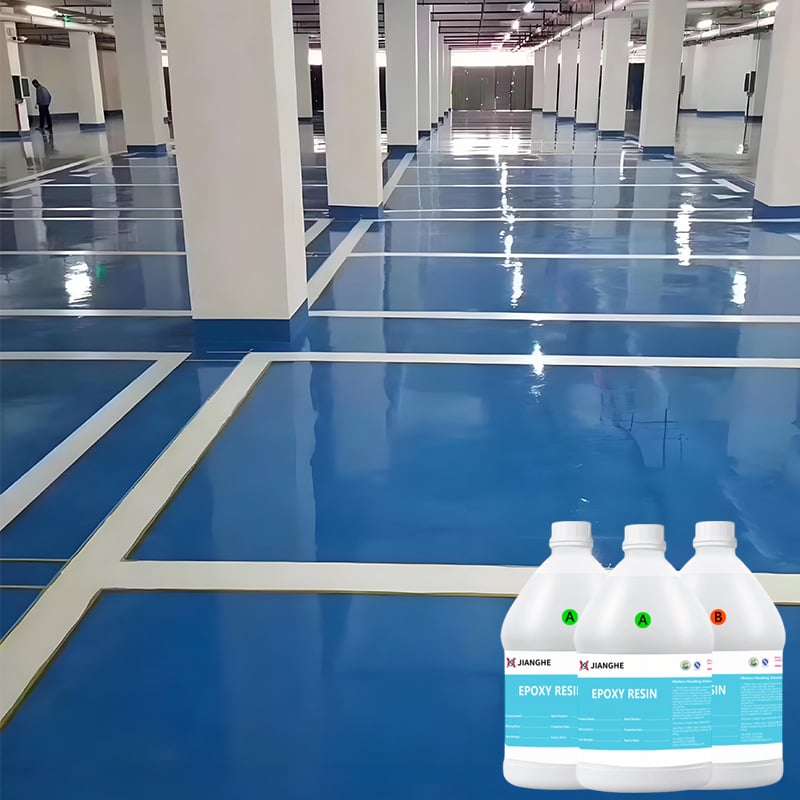
Applications for polyurethane PU resin span automotive manufacturing, construction, electronics, furniture production, and marine industries. Polyurethane PU resin serves as adhesives, sealants, coatings, foam components, and composite materials. In automotive sectors, it provides lightweight structural solutions that reduce fuel consumption while maintaining safety standards. Construction professionals utilize polyurethane PU resin for waterproofing, insulation, and protective finishes that extend building lifespan. The electronics industry benefits from its electrical insulation properties and thermal stability, ensuring component reliability and longevity in sophisticated equipment applications.

 EN
EN