Room 1008, Building 1, Cofco Yunjing, Martin Street, Heshui Kou Community, Guangming +86-13418798686 [email protected]
Selecting epoxy flooring resin for a project involves more than choosing a colour or comparing prices per kilogram. The condition of the concrete, the type of traffic, the required finish, and the installation environment all affect which flooring system is suitable.
A coating that performs well in a showroom may not be appropriate for a warehouse with forklift traffic. Similarly, a decorative floor designed for appearance may not provide the surface texture or chemical resistance required in an industrial workshop.
For contractors and distributors, understanding these differences before preparing a quotation can prevent material mismatches, unnecessary costs, and problems during installation.
This guide covers the main points to consider when specifying epoxy flooring resin, from checking the concrete substrate to comparing flooring systems and confirming requirements with a supplier.
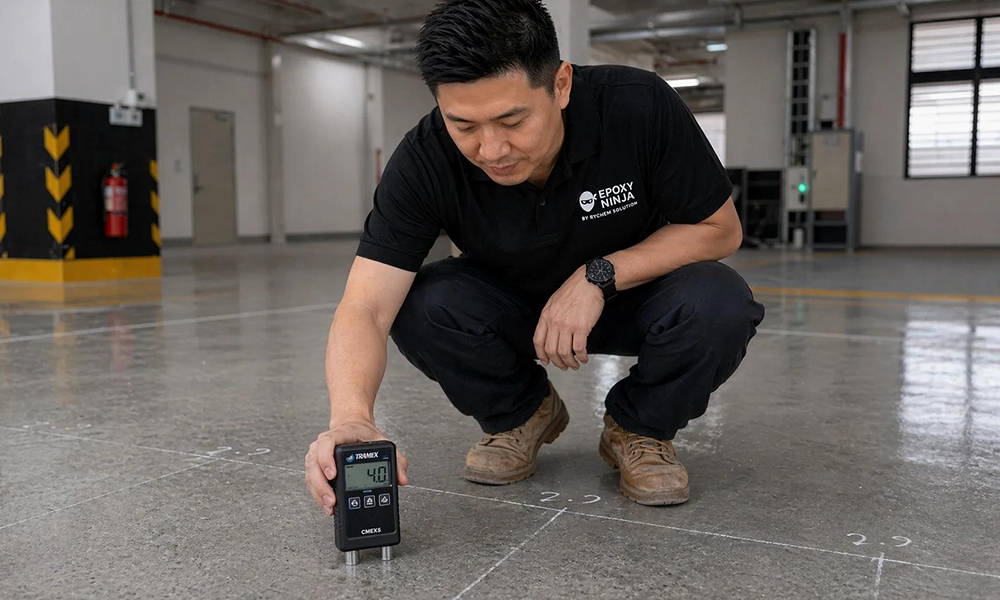
Before selecting a flooring product, assess the condition of the existing concrete. Even a well-formulated epoxy coating can have adhesion problems if the substrate has not been properly prepared.
There are three areas that deserve particular attention.
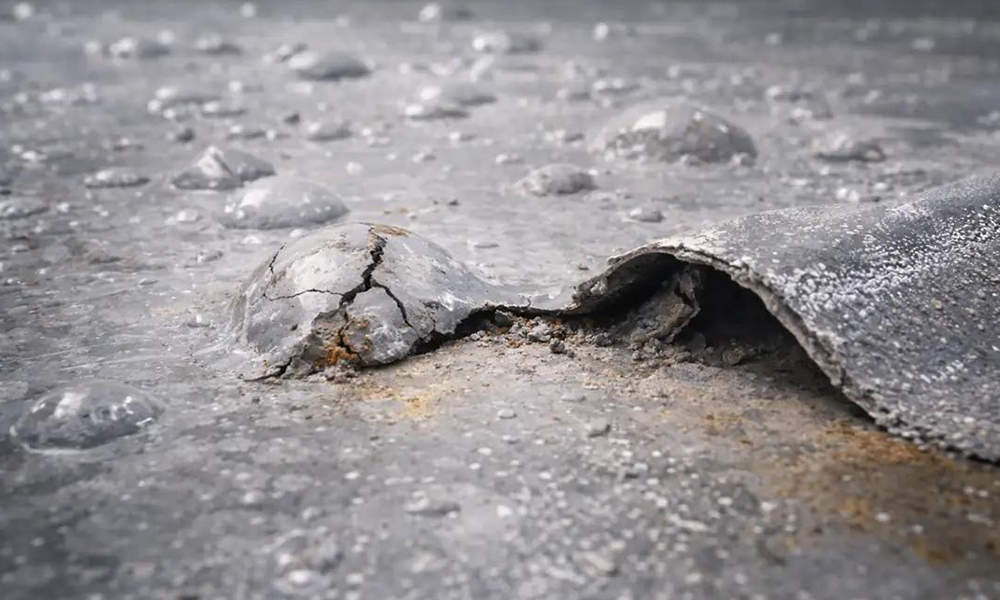
Concrete may look dry on the surface while still containing moisture below. If moisture moves through the slab after the coating has been applied, it can contribute to blistering, bubbling, or loss of adhesion.
For smaller projects, a plastic sheet test following ASTM D4263 can provide an initial indication of moisture-related concerns. However, it does not replace quantitative moisture testing. For larger or more demanding projects, in-situ relative humidity testing under ASTM F2170 may provide more useful information about conditions inside the slab.
The test method and acceptance limits should be agreed upon before installation. If moisture levels are outside the limits permitted by the selected flooring system, a suitable moisture-control primer or vapour mitigation system may be required. In some cases, another flooring solution may be more appropriate.
Do not assume that a coating described as moisture-tolerant can be applied to any damp concrete surface. Always check the manufacturer's requirements for the specific product and substrate.
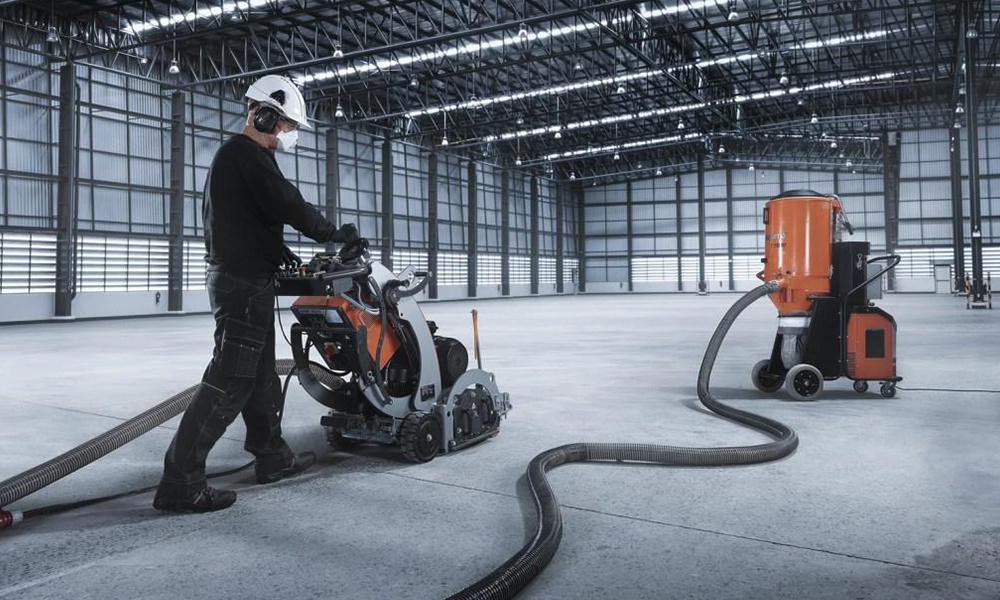
Epoxy flooring relies on proper adhesion to the concrete. Dust, oil, curing compounds, old coatings, weak surface layers, and other contaminants can interfere with bonding.
Mechanical preparation methods such as diamond grinding and shot blasting are commonly used to remove weak material and create a suitable surface profile. The preparation method should be selected according to the existing floor condition and the requirements of the coating system.
Acid etching alone may not provide an adequate surface profile on dense, power-floated, sealed, or contaminated concrete.
For projects where adhesion is particularly important, a pull-off adhesion test following ASTM D7234 may be considered. The required test method and acceptance criteria should be established by the project specification.
Inspect the slab for cracks, spalled concrete, weak surface layers, uneven areas, and remnants of previous coatings.
These conditions should be addressed before applying the flooring system. A self-levelling epoxy coating can help create a smoother finished surface, but it should not be expected to correct major structural defects or significant changes in floor level.
For example, a large height difference or damaged concrete section may require separate repair and levelling work before the coating is installed.
The condition of the substrate should therefore be included in the project quotation rather than treated as a minor installation detail.
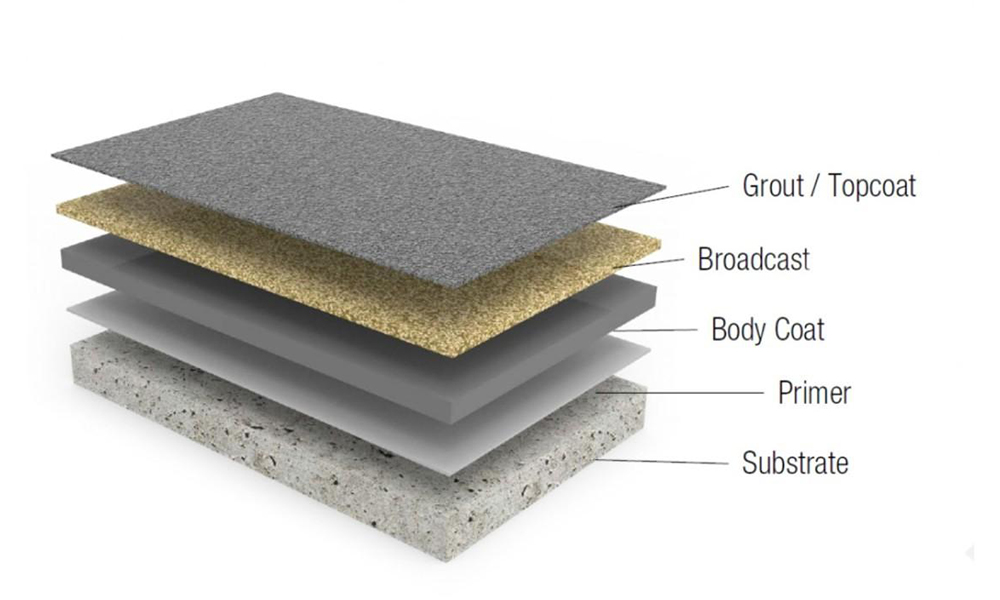
Epoxy flooring is often requested as a single product, but many commercial and industrial floors are built from several layers. Each layer has a specific purpose, and the complete system needs to be selected according to the intended use.
| Layer | Main function | What to consider |
|---|---|---|
| Primer | Seals the substrate and provides a bonding layer | Concrete condition, porosity, and moisture requirements |
| Body coat or screed | Builds thickness and provides the main flooring layer | Traffic, thickness, and surface requirements |
| Aggregate or colour sand layer | Creates texture, colour, and decorative effects | Slip resistance, aggregate size, and appearance |
| Topcoat or seal coat | Provides the final surface finish and additional protection | Chemical exposure, cleaning, wear, and UV exposure |
Not every project requires all four layers. The system may be simpler or more complex depending on the substrate, finish, and performance requirements.
Thickness also needs to be considered at the system level. A light-duty commercial floor and a warehouse used by forklifts will not necessarily require the same build-up. Confirm the recommended thickness for each layer using the relevant product technical data sheet rather than estimating material requirements from a general coverage figure.
Two additional points are worth checking during specification.
UV exposure: Standard epoxy coatings can change colour when exposed to sunlight over time. If the floor is in an area with direct sunlight or significant natural light, check the product's UV performance and whether a UV-stable polyurethane or aliphatic polyurea topcoat is required.
Recoat intervals: Each coating system has a recommended recoat window. Applying the next layer too early or too late can affect intercoat adhesion. If the specified window has been exceeded, additional surface preparation may be necessary before recoating.
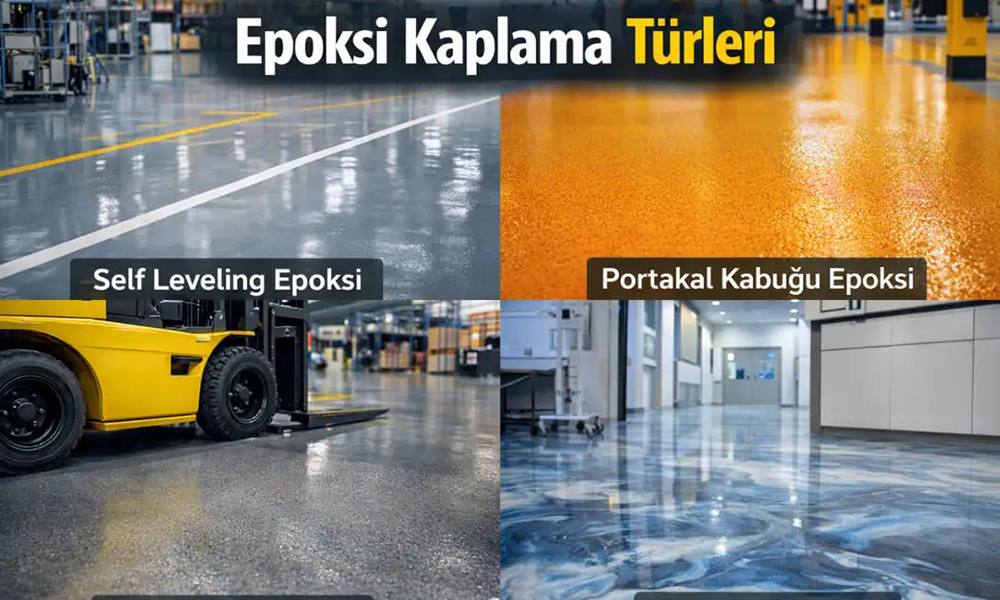
Jianghe's flooring material range covers several different flooring directions. They serve different purposes, so the choice should be based on the required appearance, traffic conditions, installation method, and available working time.
Self-levelling epoxy is commonly used where a smooth, seamless appearance is required. It can produce a high-gloss finish and is suitable for selected showrooms, retail spaces, commercial interiors, and light industrial areas.
The substrate needs to be properly prepared and sufficiently level for the intended finish. Because the coating flows during application, unevenness in the concrete can affect the final appearance.
When specifying this type of floor, consider the required thickness, colour, gloss level, and exposure to sunlight or chemicals.
Colour sand flooring uses coloured sand or aggregate within a resin-based flooring system to create a textured decorative surface.
It is used in areas such as workshops, warehouses, commercial facilities, schools, and other spaces where both appearance and surface texture matter.
The final result depends on the aggregate, resin system, broadcast method, and sealing layer. The texture can be adjusted according to the application, but slip resistance should be evaluated under the actual wet or dry conditions expected at the site.
For contractors, it is important to confirm the aggregate specification and the amount of material required before preparing the quotation.
Gravel flooring uses resin together with selected stones or aggregates to create a more pronounced stone-like appearance.
It can be considered for decorative commercial areas, outdoor spaces, landscape-related surfaces, and projects where the aggregate itself forms an important part of the finished design.
The aggregate size, resin compatibility, layer thickness, and surface sealing method all affect the finished floor. These systems may also require more material and different installation arrangements compared with conventional self-levelling epoxy.
The intended location matters. Outdoor exposure, drainage, temperature changes, and pedestrian use should be considered before selecting the system.
Polyurea is a different coating chemistry from epoxy, rather than another type of epoxy flooring resin.
Some polyurea formulations are designed for rapid curing and can be useful when installation time is limited. Depending on the formulation, they may also offer particular advantages in UV resistance or application at lower temperatures.
However, fast curing leaves less time for mixing, spreading, and finishing. This can create difficulties on large areas or projects with limited labour and equipment.
Moisture tolerance and application temperature also vary between formulations. Confirm the manufacturer's requirements instead of assuming that all polyurea coatings can be applied under the same conditions.
The best system is not necessarily the one with the fastest curing time or the highest stated performance. It is the one that the installation team can apply correctly and that meets the requirements of the finished floor.
A flooring system needs to suit the environment in which it will be used. Before selecting a product, discuss the following conditions with the project owner or site manager.
A vehicle maintenance workshop, food processing facility, and chemical storage area may all require different chemical resistance.
Do not rely on a general description such as "chemical resistant." Identify the actual chemicals, their concentrations, contact times, and cleaning procedures. Then compare those conditions with the chemical resistance information available for the selected coating.
If the project involves regular exposure to solvents, oils, cleaning chemicals, or other aggressive substances, obtain confirmation from the supplier before specifying the product.
Temperature affects both the application process and the performance of the finished coating.
Some floors may be exposed to hot tyres, steam cleaning, heated equipment, or repeated changes between hot and cold conditions. These situations can place additional stress on the coating.
If thermal shock or elevated service temperatures are expected, check the product's temperature limitations and whether the complete flooring system is suitable.
The type of traffic is just as important as the number of people or vehicles using the floor.
Foot traffic, pallet trucks, forklifts, steel-wheeled trolleys, and dropped tools place different demands on the coating. Racking legs and heavy equipment can also create concentrated loads.
For a warehouse with regular forklift movement, the flooring specification should consider abrasion resistance, system thickness, substrate strength, and the condition of traffic lanes.
A coating selected only on the basis of its appearance or hardness may not provide the performance required for the site.
A smooth, glossy floor may be appropriate for some dry commercial areas but unsuitable for a wet production environment.
Where slip resistance is important, the surface texture and aggregate system should be specified before installation. The required finish may affect cleaning, appearance, and maintenance as well as safety.
Do not leave this decision until after the floor has been installed. Agree on the required surface characteristics and any applicable project standards in advance.
Temperature, relative humidity, and dew point can influence the application and curing of epoxy flooring.
Condensation on the concrete surface can interfere with coating adhesion and curing. Some industry guidance uses a substrate temperature at least 3°C above the dew point as a general precaution during application. However, the exact requirements should follow the product technical data sheet and the relevant project specification.
This is particularly important in cold warehouses, unheated buildings, and areas where temperatures change significantly between day and night.
A supplier can give a more useful recommendation when the project details are clear. A request that only states "epoxy flooring resin, 2,000 kg" does not explain what the floor needs to do.
For a more accurate quotation, prepare the following information:
Project location and type: Warehouse, workshop, showroom, factory, commercial building, or outdoor area.
Substrate condition: Concrete age, surface condition, previous coatings, cracks, and known moisture issues.
Project area: Total square metres and whether the work will be completed in separate sections.
Required finish: Self-levelling epoxy, colour sand flooring, gravel flooring, or polyurea coating.
System requirements: Target thickness, number of layers, surface texture, and expected performance.
Service conditions: Traffic type, chemical exposure, temperature, cleaning method, and sunlight exposure.
Installation arrangements: Available equipment, crew experience, and expected installation schedule.
Delivery requirements: Required quantity, packaging, destination, and expected delivery date.
Technical documentation: TDS, SDS, COA, and any project-specific compliance documents.
With this information, a supplier can assess the application and discuss a suitable flooring system rather than simply quoting a product name.
It also makes quotations easier to compare. Two suppliers may offer products under the same general category while proposing different layer structures, thicknesses, or application conditions.
For distributors and contractors handling larger projects, product consistency is an important purchasing consideration.
Imagine a warehouse floor being installed in several sections over different days. If the colour or surface appearance changes noticeably between batches, the difference may be visible after the entire floor is completed.
For repeat orders, ask the supplier how the material is controlled during production and how batches are identified.
Useful questions include:
Are incoming raw materials checked against approved specifications?
Are production parameters and formulation records maintained?
Can the delivered product be traced to a specific production batch?
Are finished products checked for relevant properties such as appearance, colour, and viscosity?
Are retained samples available for quality investigations?
Can the supplier work to an agreed product specification for repeat orders?
For Jianghe, published manufacturing information describes incoming material verification, production process control, in-process monitoring, finished-product testing, batch traceability, and retained samples. Buyers should confirm the specific inspection items and documentation available for the flooring grade they intend to purchase.
Packaging should also be discussed before ordering. The pack size needs to suit the mixing equipment, installation area, and working time of the material.
For example, an oversized kit may be inconvenient for a small installation team if the material cannot be used within its working time after mixing. On the other hand, too many small packages may increase handling and packaging costs on a large project.
The right packaging arrangement should take both site conditions and material handling into account.
Many flooring problems are related to substrate preparation, material selection, or application conditions. Reviewing these issues before work begins can help reduce avoidable rework.
| Problem | Possible cause | What to review |
|---|---|---|
| Blistering | Moisture in the substrate or trapped vapour | Moisture test results and primer selection |
| Delamination | Poor surface preparation or contamination | Mechanical preparation and substrate condition |
| Pinholes | Air release from concrete or trapped air in the coating | Concrete condition, application method, and environmental changes |
| Colour variation | Differences between batches or inconsistent application | Batch identification, colour standards, and mixing |
| Poor intercoat adhesion | Recoating outside the recommended window or surface contamination | Recoat interval and surface preparation |
| Amine blush | Moisture and temperature conditions affecting certain amine-cured epoxy systems | Surface inspection and preparation before recoating |
| Soft or uncured coating | Incorrect mixing ratio, incomplete mixing, or unsuitable application conditions | Mixing procedure, material ratio, and curing conditions |
| UV yellowing | Exposure to sunlight beyond the coating's UV performance | Topcoat selection and exposure conditions |
| Premature wear | Insufficient system thickness or an unsuitable system for the traffic | Traffic assessment and system specification |
| Uneven finish | Substrate irregularities or inconsistent application | Concrete preparation, levelling, and installation technique |
The same visible defect can have more than one possible cause. For example, blistering may be associated with moisture, contamination, or other site conditions. A proper investigation should consider the substrate, the material, and the application records rather than immediately attributing the problem to one product.
Before confirming a flooring material order, make sure the main project requirements have been agreed upon.
| Item | What to confirm |
|---|---|
| Substrate | Concrete condition and moisture test results |
| Surface preparation | Preparation method and required surface profile |
| Flooring system | Primer, body coat, aggregate layer, and topcoat where applicable |
| Finish | Self-levelling, colour sand, gravel, or polyurea |
| Thickness | Target thickness for each layer |
| Service conditions | Traffic, chemical exposure, temperature, and cleaning |
| UV exposure | Whether a UV-stable topcoat is required |
| Slip resistance | Required texture and test or project criteria |
| Application conditions | Temperature, humidity, dew point, and recoat intervals |
| Colour | Approved sample, colour reference, and batch-matching requirements |
| Packaging | Kit size and mixing requirements |
| Documentation | TDS, SDS, COA, and applicable project documents |
| Supply | MOQ, price basis, production lead time, and shipping destination |
| Quality requirements | Batch identification and agreed acceptance criteria |
| After-sales process | Procedure for reporting and investigating quality deviations |
Having these details confirmed in writing helps both the buyer and supplier understand what is being purchased and what the material is expected to do.
When selecting epoxy flooring resin, begin with the concrete substrate and the conditions the finished floor will face. Then determine the appropriate system structure, finish, thickness, and application requirements.
A self-levelling epoxy floor, a colour sand system, a gravel flooring system, and a polyurea coating are designed for different purposes. Comparing them only by price per kilogram does not give a complete picture of the project cost or expected performance.
For contractors, a clear specification makes it easier to prepare accurate quotations and plan installation. For distributors, understanding the customer's application helps avoid recommending a product that does not match the project.
Jianghe supplies flooring materials for decorative and industrial applications, including epoxy flooring resin, colour sand flooring resin, gravel flooring resin, and polyurea floor coating.
If you are preparing a flooring project or sourcing materials for distribution, share the project area, concrete condition, required finish, traffic conditions, and installation environment with our team. We can review the requirements and discuss suitable material options for sample evaluation.
Contact Jianghe to discuss your flooring material requirements and request product information.
Explore our Flooring Materials range and learn more about our OEM and customization services.
 Hot News
Factory-backed material solutions for manufacturers, brands and distributors worldwide. We specialize in liquid silicone rubber, epoxy resin, flooring materials and related products, providing reliable manufacturing, OEM customization and stable global supply.
Copyright © 2026 Shenzhen Jianghe New Materials Technology Co., Ltd.All rights reserved. Privacy Policy
 EN