Room 1008, Building 1, Cofco Yunjing, Martin Street, Heshui Kou Community, Guangming +86-13418798686 [email protected]
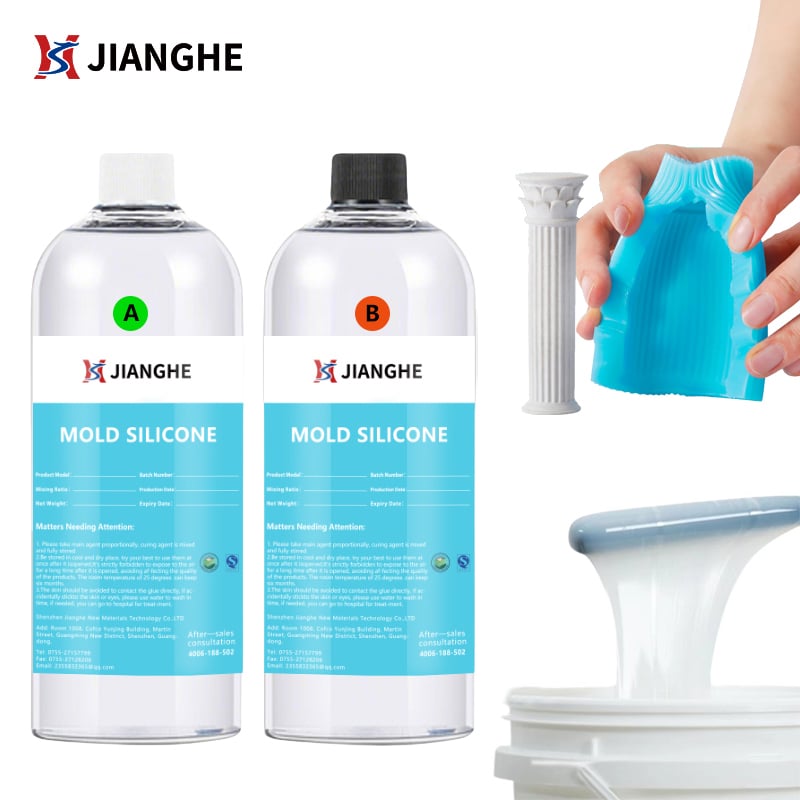
In the rapidly evolving field of advanced materials, platinum-cured silicone is redefining industry standards with its exceptional safety, durability, and environmental compatibility. As a key application of platinum catalysis, mold-making silicone has become the preferred material for food-grade molds, artistic master models, and industrial precision casting—thanks to its accurate reproduction, easy demolding, high-temperature resistance, and low shrinkage. This article provides an in-depth analysis of the global platinum silicone market, focusing on growth drivers, emerging trends, and the transformative impact on the mold manufacturing industry.
1. Market Landscape: Steady Growth with Structural Opportunities
According to industry research, the global platinum silicone market was valued at approximately USD 1.8 billion in 2023 and is projected to grow at a CAGR of 7.2% through 2030, surpassing USD 3 billion. This growth is fueled not only by demand in healthcare and baby care sectors but also by the industrial sector's pursuit of high-performance mold materials. Notably, the Asia-Pacific region is emerging as the fastest-growing market, with China, India, and Southeast Asian countries driving demand through upgrades in food processing, creative industries, and automotive manufacturing.
Health and safety standards drive material upgrades. Increasingly stringent food contact regulations—such as EU LFGB certification, FDA standards, and China's GB 4806 series—have set high benchmarks for materials in contact with food. Platinum-cured silicone, with its platinum-based catalysis system, contains no peroxide residues, is odorless and non-toxic, and releases no harmful substances across a temperature range of -50℃ to 230℃. This makes it the ideal choice for food-contact silicone molds, including chocolate molds, cake pans, ice trays, and baking mats. Compared to traditional tin-catalyzed silicones, platinum systems ensure superior purity and food safety—a distinction that has become a key competitive advantage for premium food brands and export-oriented businesses.
Medical-grade quality penetrates industrial applications. As end-users demand higher product quality, more industrial manufacturers are adopting medical-grade platinum silicone for precision molds. Whether for replicating artistic candles, restoring cultural relics fragments, or producing industrial prototypes, platinum silicone's low shrinkage (typically below 0.1%) and excellent tear strength ensure longer mold life and higher reproduction accuracy. In practical applications, a high-quality platinum mold can last 3–5 times longer than traditional tin-cured molds, significantly reducing overall production costs over the long term.

2. Emerging Trends Reshaping the Market: Technology, Sustainability, and Regional Expansion
Trend 1: Intelligent and Customized Mold Making
The deep integration of 3D printing with platinum silicone is transforming low-volume custom manufacturing. Designers can 3D-print a master model and then rapidly replicate it using platinum silicone molds, enabling cost-effective production of complex geometries. This process is widely used in jewelry wax models, movie props, figurative sculptures, and architectural decorations. Platinum silicone's excellent flowability allows it to capture every detail of the master model—whether it's a 0.1mm texture or complex undercuts—with perfect precision.
Trend 2: Sustainability as an Industry Consensus
Amid global carbon neutrality goals, manufacturers are paying unprecedented attention to sustainable materials. Platinum silicone lasts 3–5 times longer than traditional rubber materials. In mold making, this means a single silicone mold can be reused dozens or even hundreds of times, significantly reducing production waste. Additionally, the platinum-curing process consumes less energy, and the material itself is recyclable, aligning fully with carbon reduction policies in the EU and China. A growing number of brand owners now include "use of environmentally friendly materials" as a key component of their ESG reports, further driving the adoption of platinum silicone throughout the supply chain.
Trend 3: Regional Market Acceleration and Localization
Asia-Pacific is emerging as a global hub for mold manufacturing. China, as the world's factory, boasts a complete industrial supply chain; India and Southeast Asian countries, with their labor cost advantages and favorable policies, are absorbing significant manufacturing capacity transfers. The continuous upgrading of food industries, creative sectors, and automotive manufacturing in these regions is driving demand for high-precision, heat-resistant, and easy-to-use mold-making silicones. To seize market opportunities, leading silicone suppliers are establishing production bases and technical service centers in Asia, offering faster delivery and localized technical support.
3. Technological Innovations and Industry Challenges: Progress Amid Hurdles
Current technological breakthroughs in platinum silicone focus on three areas:
1.High Tear Strength & Addition-Cure Formulations: New formulations improve tear resistance by over 30% while maintaining flexibility—a critical improvement for molds with complex structures or thin walls that are prone to tearing.
2.Fast Room-Temperature Curing Technology: Silicone that cures completely at room temperature without heating shortens mold production cycles, facilitating on-site work and rapid prototyping. Some advanced formulations achieve initial cure within 30 minutes and demolding within 2 hours.
3.Hydrophobic & Anti-Stain Surface Treatments: Through molecular-level surface modification, improved mold silicones offer better hydrophobicity and stain resistance, making them easier to clean and less prone to bacterial growth—ideal for food-grade applications.
However, challenges remain. As a precious metal, platinum's price volatility directly impacts raw material costs, making platinum silicone 20–50% more expensive than traditional tin-cured silicones. In some price-sensitive low-end markets, traditional silicones or even inferior alternatives are still used. However, a growing number of brand owners and exporters recognize that the costs of customer complaints and order cancellations caused by surface defects, dimensional deviations, or odor from inferior molds far outweigh the material price difference. The long-term value of quality upgrades is being re-evaluated by the market.
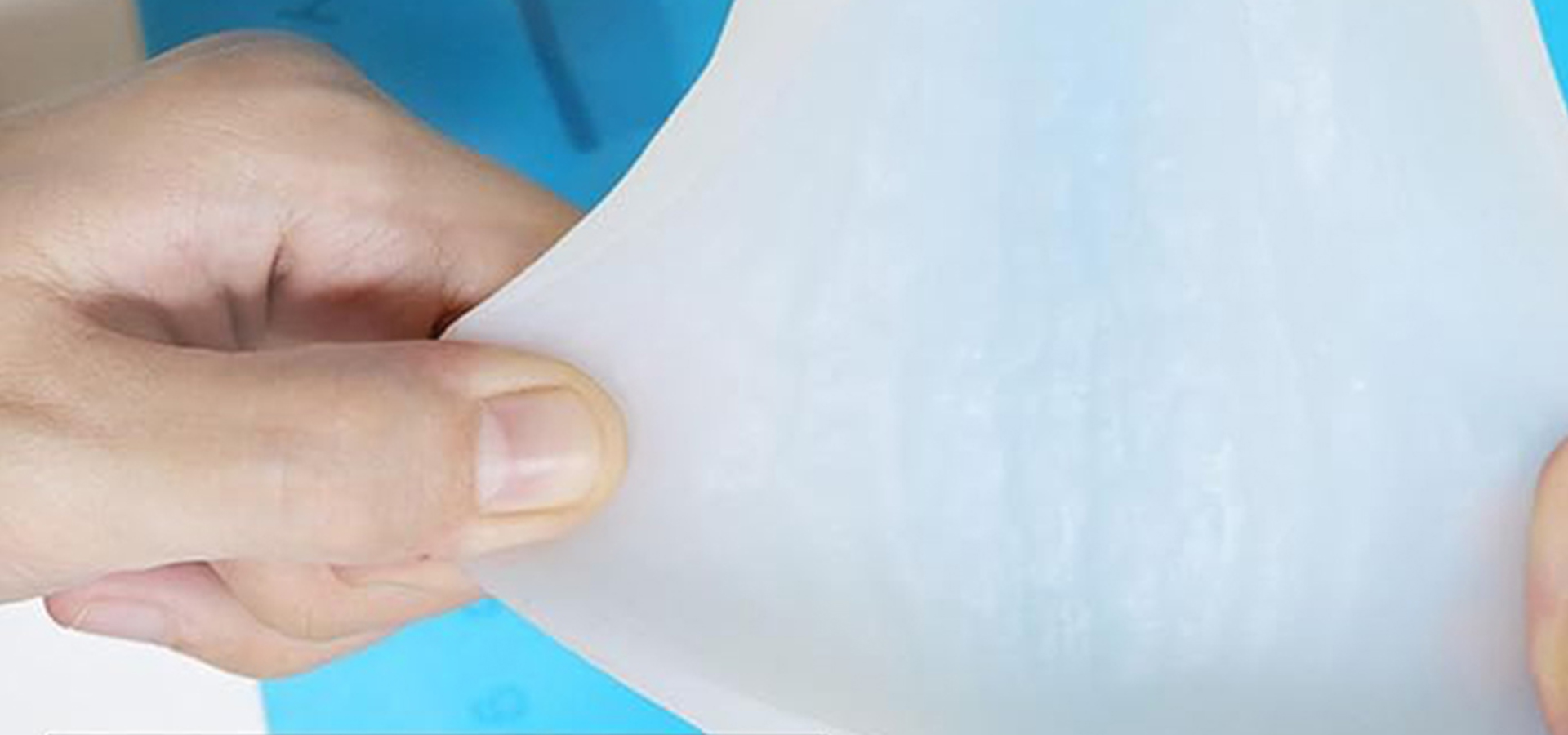
4. Future Outlook: New Frontiers for Mold-Making Silicone
Looking ahead, the application boundaries of platinum mold-making silicone will continue to expand, with several emerging areas worth watching:
Conclusion: Embracing the New Era of Advanced Mold Materials
Platinum silicone is no longer just a "baby pacifier material" or "medical material"—it has become a cornerstone of modern mold manufacturing, driving product upgrades across food, creative, industrial, and medical sectors. As a specialized supplier of platinum mold-making silicone, we are committed to bringing medical-grade material standards to every mold-making workshop, helping our clients produce higher-quality, more durable, and more competitive products.
We will continue to monitor industry trends, optimize our formulations, and enhance our technical services, partnering with you to embrace the new era of advanced mold materials. For any questions or needs regarding platinum mold-making silicone applications, please feel free to contact us for professional technical support and sample testing services.
 Hot News
2025-12-29
2025-11-25
2025-11-23
2025-11-22
Factory-backed material solutions for manufacturers, brands and distributors worldwide. We specialize in liquid silicone, epoxy resin, flooring materials and related products, providing reliable manufacturing, OEM customization and stable global supply.
Copyright © 2026 Shenzhen Jianghe New Materials Technology Co., Ltd.All rights reserved. Privacy Policy
 EN
EN