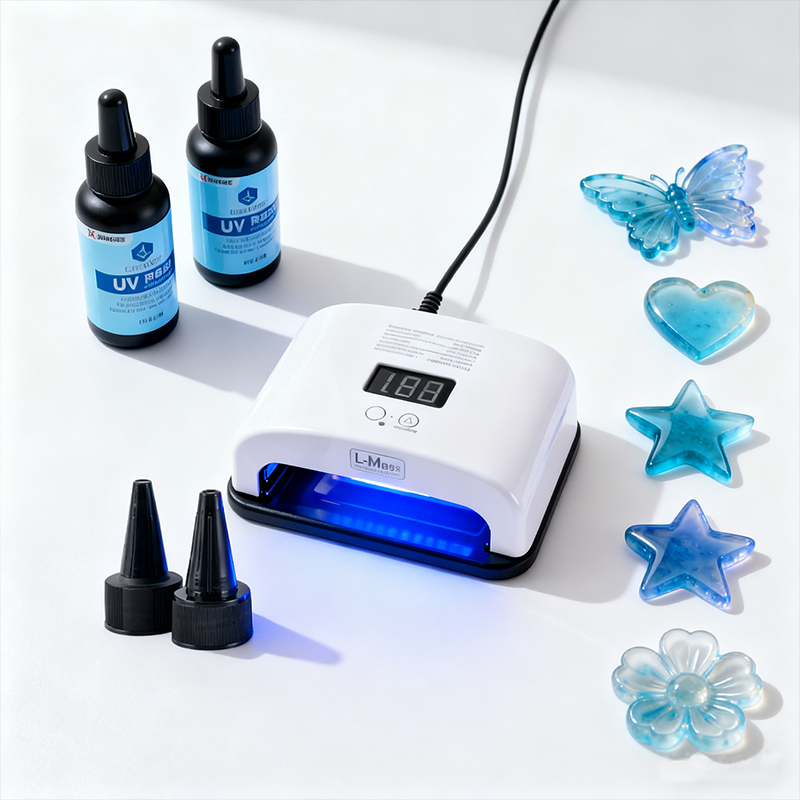
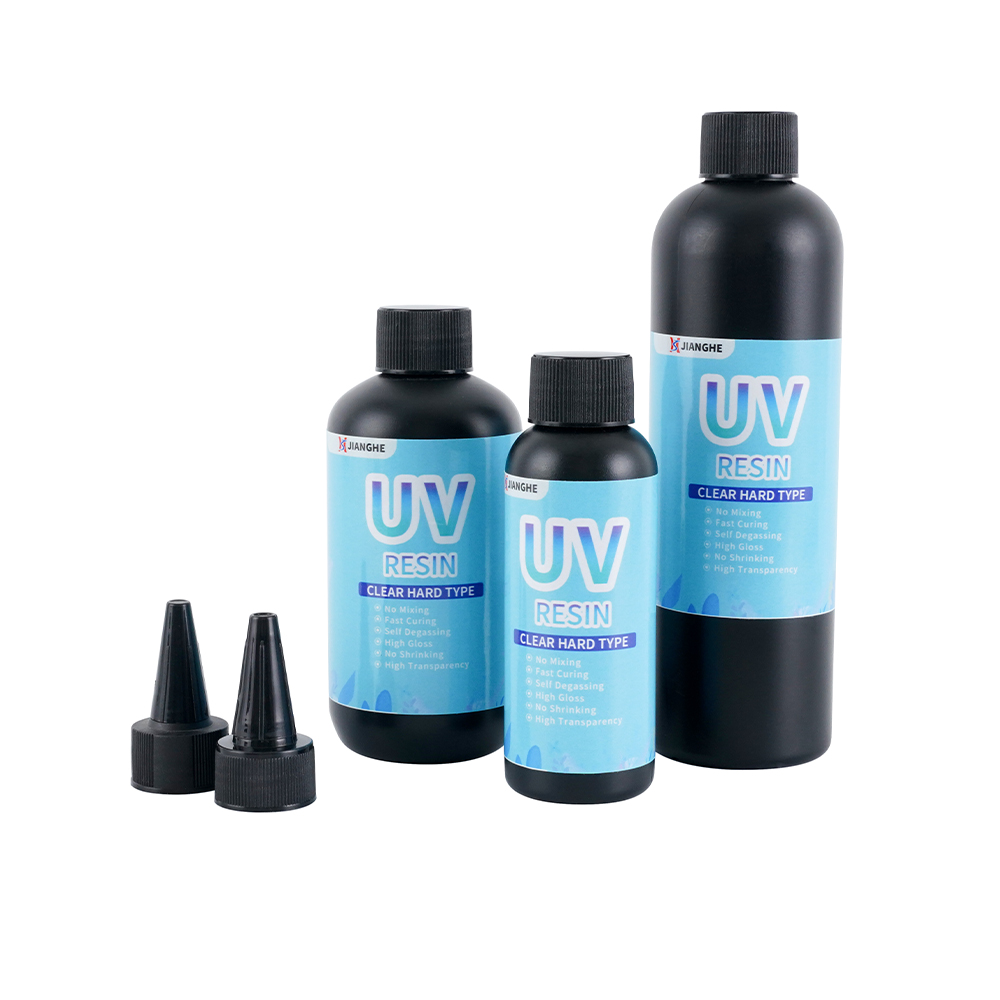
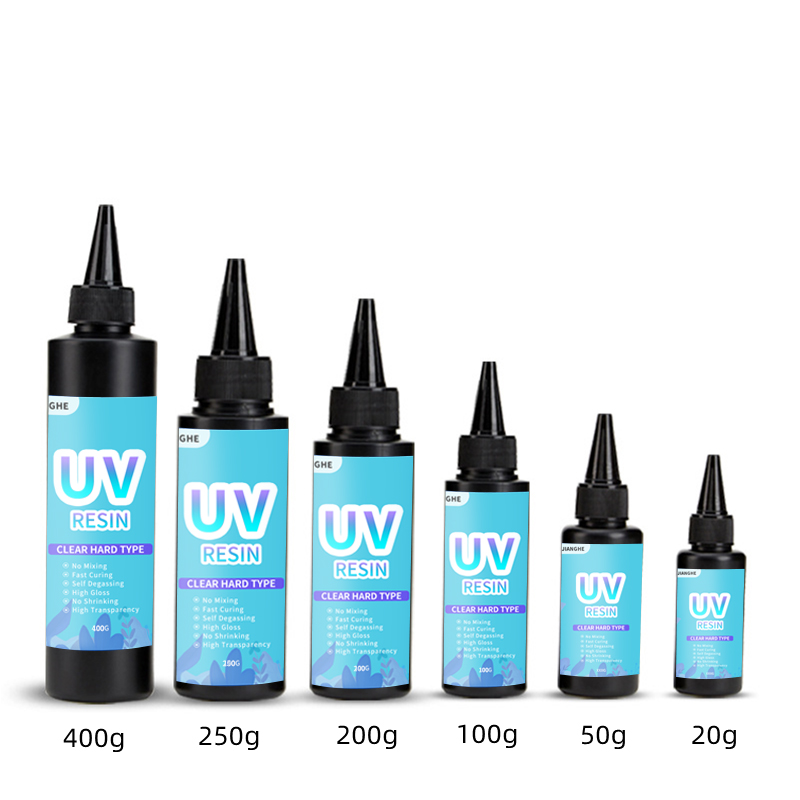
hard uv resin glue
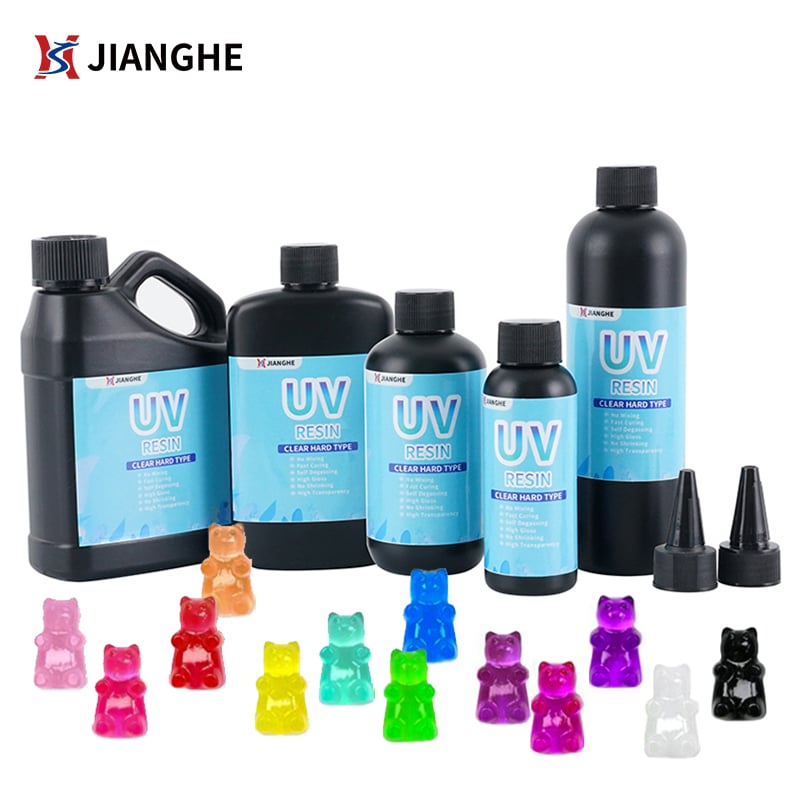
Hard UV resin glue represents a revolutionary adhesive solution that combines ultraviolet light activation with exceptional bonding strength. This specialized hard UV resin glue formulation uses photoinitiators that cure instantly when exposed to UV light, creating permanent, durable bonds within seconds. The hard UV resin glue technology offers superior performance compared to traditional adhesives by eliminating curing time delays and providing consistent results across various applications.
The primary function of hard UV resin glue is to create strong, permanent joints between materials such as glass, ceramics, plastics, and metals. When exposed to ultraviolet light, the hard UV resin glue undergoes rapid polymerization, transforming from a liquid state into a solid, glass-like bond that maintains exceptional clarity and strength. This instant-curing capability makes hard UV resin glue ideal for precision applications requiring immediate handling.
Key technological features of hard UV resin glue include its crystal-clear formulation, high refractive index, and resistance to yellowing over extended periods. The hard UV resin glue maintains optical transparency while delivering structural integrity that surpasses many conventional adhesives. Additionally, hard UV resin glue exhibits excellent resistance to moisture, heat, and chemical exposure, ensuring long-lasting performance in demanding environments. Its low viscosity allows for easy application through various methods, including brushing, dispensing, or injection techniques. The hard UV resin glue formula produces minimal shrinkage during curing, reducing joint stress and maintaining dimensional accuracy in critical assemblies.

 EN
EN