Room 1008, Building 1, Cofco Yunjing, Martin Street, Heshui Kou Community, Guangming +86-13418798686 [email protected]
Developing a private-label epoxy or silicone product range involves more than selecting a formula and putting your logo on the packaging. Product specifications, packaging, labelling, regulatory documentation, order quantities, and future supply arrangements all need to be considered before production begins.
For brand owners, wholesalers, distributors, and ecommerce businesses, these decisions can affect product quality, customer experience, and the cost of managing inventory. A product may perform well in its initial sample evaluation but still create problems later if the packaging is unsuitable, the label contains incorrect information, or repeat batches do not match the approved specifications.
This guide covers the main points to discuss with an OEM or private-label resin manufacturer before placing your first production order.
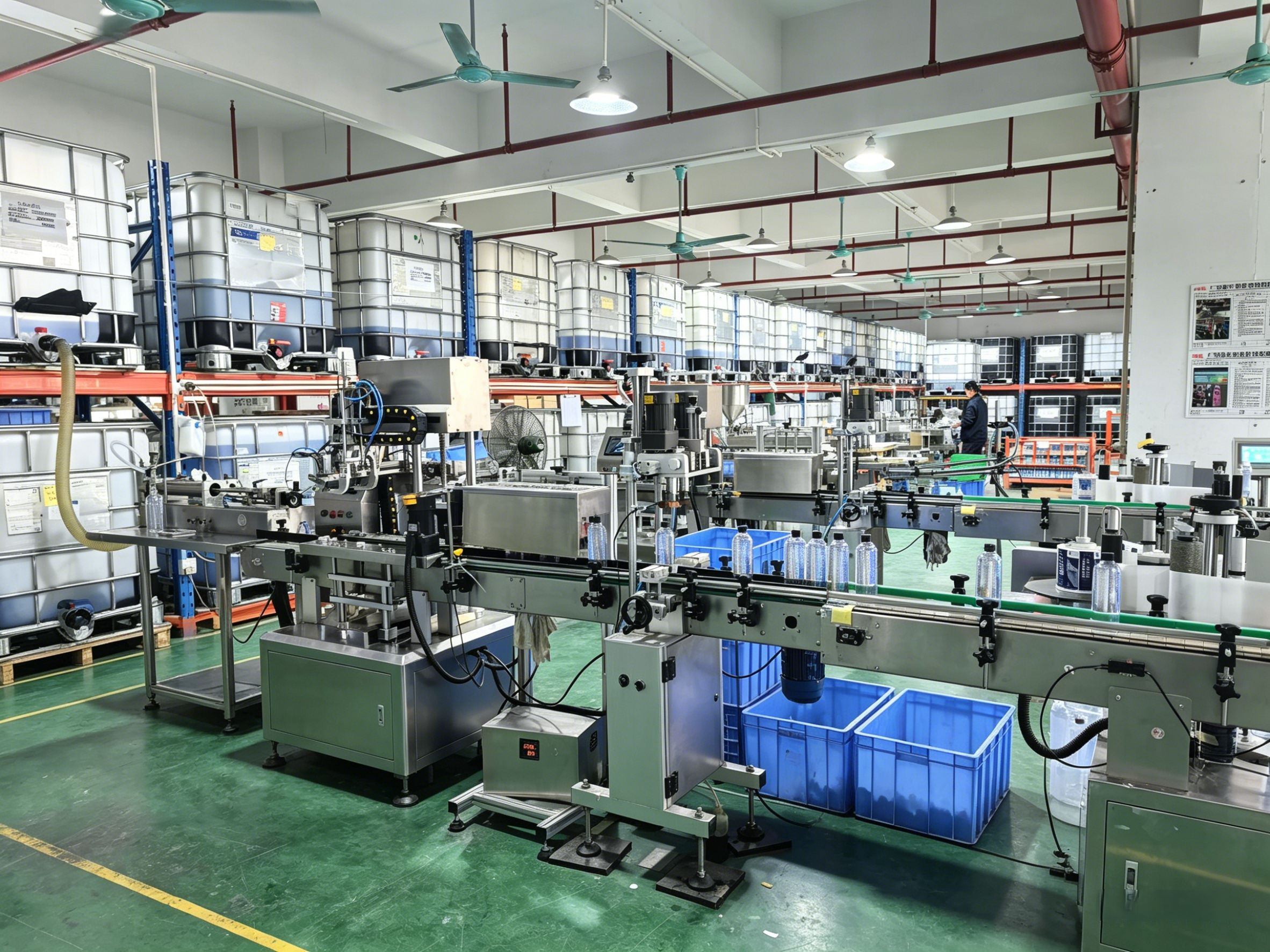
One common mistake when launching a private-label range is starting with too many products. A large catalogue may look attractive, but every additional SKU brings more requirements for packaging, labelling, documentation, inventory, and quality control.
It is usually more practical to start with products that serve clearly defined customer needs.
For an epoxy and silicone range, the initial product selection might include:
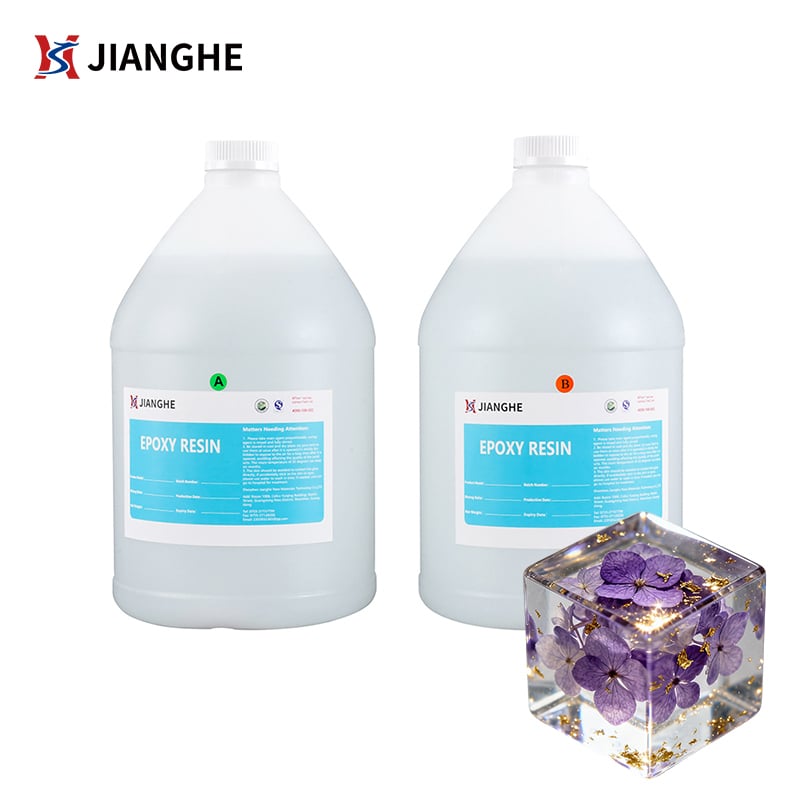
A clear casting epoxy resin for general casting applications.
A deeper-pour epoxy system if your customers regularly work with thicker castings.
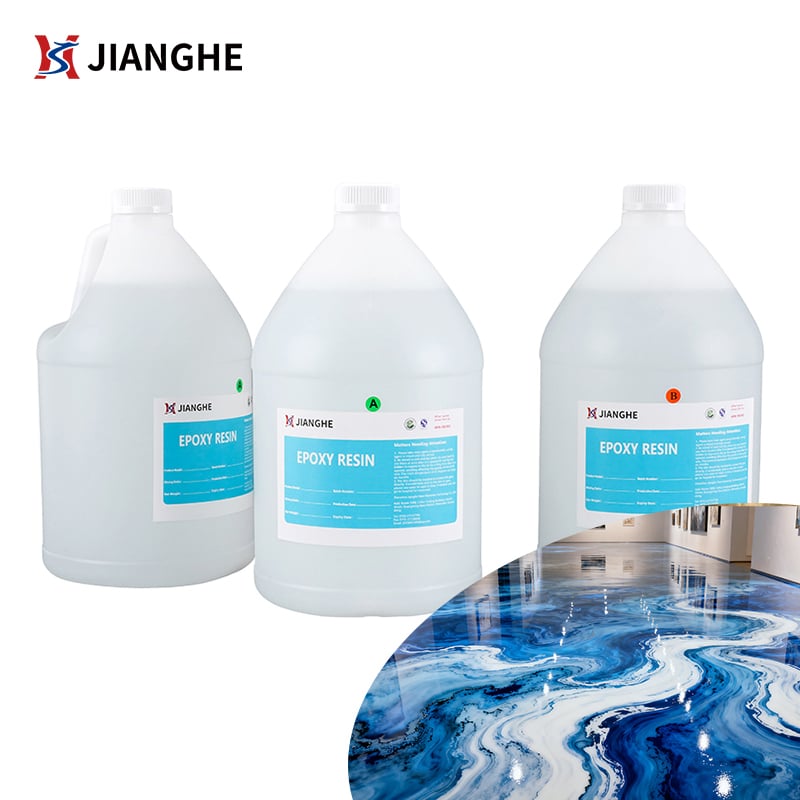
An epoxy coating or flooring product if you serve commercial or industrial buyers.
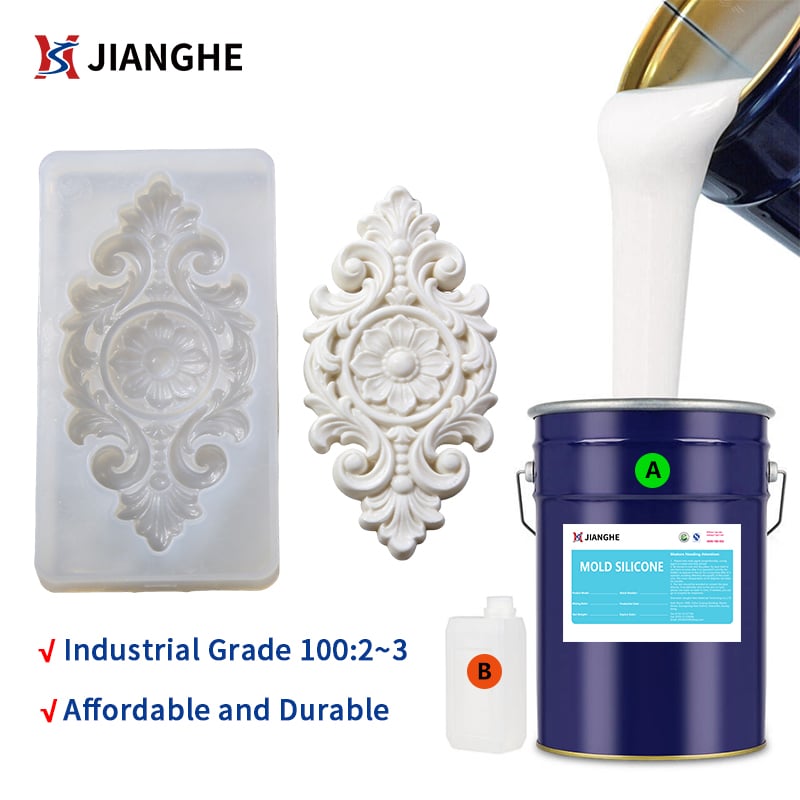
Liquid silicone rubber for customers who manufacture their own molds.
Colourants or pigments that are compatible with the main resin or silicone products.
The exact range will depend on your target market. A distributor supplying industrial customers will have different requirements from an ecommerce brand selling smaller resin kits.
Before adding another product, consider whether it serves a different application or customer group. If two products have almost identical uses and specifications, it may be worth reviewing whether both are necessary at launch.
Starting with a focused range also makes it easier to evaluate sales performance and plan repeat orders.
Packaging artwork should not be finalized until the product specifications have been agreed upon. The label needs to reflect the actual product, including its mixing instructions, application information, safety requirements, and storage conditions.
For two-component epoxy or silicone systems, the following information should be confirmed with the manufacturer:
| Specification | What to confirm | Why it matters |
|---|---|---|
| Mixing ratio | By weight, by volume, or both | Determines kit configuration and user instructions |
| Working time | Test temperature and pot life | Affects application instructions and customer expectations |
| Curing schedule | Handling time and full cure conditions | Helps establish accurate product guidance |
| Viscosity | Measured value or range and test conditions | Affects application and processing suitability |
| Colour and clarity | Approved reference and acceptable variation | Supports consistency between orders |
| Silicone hardness | Shore scale and target hardness | Helps define the intended mold-making application |
| Packaging compatibility | Container material, closure, and fill quantity | Helps prevent leakage and storage problems |
Two details deserve particular attention.
Test conditions must be stated. A working time without a corresponding temperature is difficult to compare. The same product may behave differently under different processing conditions. If your customers operate in markets with significant seasonal temperature changes, make sure the technical information reflects the conditions under which the product is intended to be used.
Test methods should be consistent. For example, viscosity results need to be associated with the relevant temperature, spindle, and rotational speed. Without consistent test conditions, comparing results between suppliers or production batches can be misleading.
Once these details have been confirmed, they can be used as the basis for product descriptions, packaging instructions, and future quality checks.
The right packaging format depends on the product, the intended customer, and the way it will be stored and used.
A small trial kit may be suitable for customers testing a material for the first time. Larger kits or bulk containers may be more practical for manufacturers and professional users who purchase regularly.
When planning packaging, consider the following requirements.
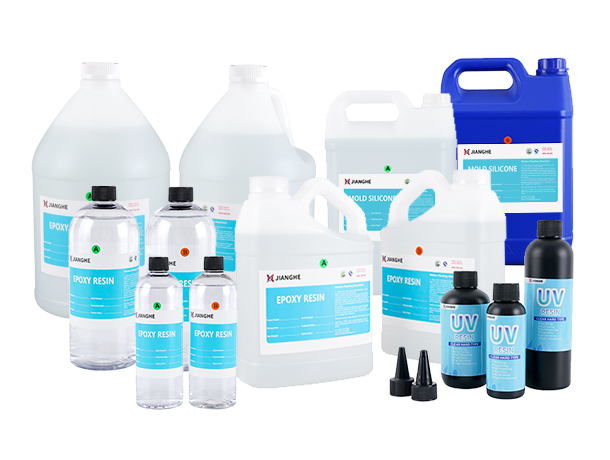
For two-component systems, the quantity of Part A and Part B must match the specified mixing ratio.
If customers are expected to use only part of a kit, the packaging and instructions need to make accurate measuring straightforward. Otherwise, incorrect proportions may lead to curing problems and customer complaints.
You may need different pack sizes for different customer groups. Small kits can support product trials and smaller orders, while larger kits are generally more suitable for production users.
The packaging should also be considered alongside the product's working time and shelf life. A kit that is convenient to ship is not necessarily convenient for the end user.
For two-component products, both components need to remain correctly matched throughout filling, packing, storage, and shipping.
The containers should be clearly identified so customers can distinguish Part A from Part B. The packaging process should also include checks to prevent mismatched components from being packed together.
Mixing instructions and component identification should be easy to find on the label or accompanying documentation.
Not every container is suitable for every epoxy or silicone formulation.
The container material, closure, sealing method, and fill quantity should be evaluated with the actual product. Compatibility testing can help identify potential leakage, deformation, or storage issues.
Shelf-life claims should also be supported by the product's stability information and storage conditions. Agree on how production dates, batch numbers, and expiry or retest information will be displayed where applicable.
Labels need to remain readable throughout transportation, warehouse storage, and normal product handling.
For resin and silicone products, consider possible exposure to humidity, condensation, material spills, and abrasion. If products are shipped through cold or hot environments, the label adhesive and container should be suitable for the expected conditions.
Before approving the final artwork, it is worth checking a printed label on the actual container rather than relying only on a digital design.
A private-label product may be sold under your brand, but that does not mean every regulatory responsibility can be transferred to the manufacturer.
Requirements depend on the product's chemical composition, classification, intended use, and destination market. A document prepared for one product or country should not automatically be used for another.
Before production, discuss the following areas with your supplier.
In the European Union, chemical classification and labelling are governed by the CLP Regulation. In the United States, applicable workplace hazard communication requirements include OSHA's Hazard Communication Standard.
Other markets may implement the Globally Harmonized System (GHS) through their own national requirements.
The classification of the actual product determines the applicable hazard information, pictograms, signal words, and precautionary statements. Different epoxy hardeners, silicone formulations, and UV-curable materials may have different classifications.
Do not copy hazard statements from another product simply because the materials belong to the same product category. The classification and label information should be based on the relevant formulation and applicable requirements.
A Safety Data Sheet (SDS) provides information about a product's hazards, handling, storage, exposure controls, and emergency measures.
Before ordering, confirm which SDS documents are available, whether they cover the exact product grade, and which languages are required for your target markets.
Also clarify who is responsible for preparing, reviewing, and updating the documents. A translated document should be checked for technical and regulatory accuracy rather than treated as a simple language conversion.
Some markets and applications have additional requirements relating to restricted substances or product composition.
For example, REACH requirements may be relevant when placing chemical products on the EU market. RoHS may be relevant to certain electrical and electronic applications.
If you intend to make a compliance claim, confirm which product it applies to and request supporting documentation. A certificate or test report for one grade does not automatically cover an entire product range.
Food-contact applications require particular attention.
For example, 21 CFR 177.2600 is a US regulatory provision covering certain rubber articles intended for repeated use. Its applicability depends on the material, intended conditions of use, and relevant requirements.
General-purpose silicone should not automatically be described as suitable for food contact. Likewise, avoid using broad claims such as "FDA approved" without a clear regulatory basis for the exact product and intended use.
If the product will be marketed for food-contact, skin-contact, or another regulated application, confirm the applicable requirements and supporting documents before designing the label.
Some chemical products may be subject to dangerous goods transportation requirements. The classification can affect packaging, markings, shipping documents, and transport arrangements.
Confirm the transport classification of the actual product and check whether the proposed packaging is suitable for the intended shipping method.
Storage conditions, shelf life, and batch identification should also be agreed upon before the first production run.
Colour consistency is particularly important for clear epoxy resin, coloured silicone, and products sold in a range of shades.
A small colour difference may be noticeable to customers, especially when products are purchased in separate batches or used together in the same project.
To reduce disputes, establish an approved colour reference before production.

A physical sample is more useful than a photograph taken under unknown lighting conditions.
The approved sample should be identified, dated, and stored under suitable conditions. Both the buyer and manufacturer should understand which reference is used when evaluating future batches.
For products where colour consistency is important, discuss whether an agreed measurement method and tolerance can be established.
A numerical colour difference value may be useful when the product and measurement method support it. However, the appropriate tolerance depends on the material, appearance, application, and measurement conditions.
For transparent products, clarity and colour should also be evaluated under consistent lighting and with suitable reference samples.
Pigments that work well in epoxy resin may not behave the same way in liquid silicone rubber.
Compatibility, dispersion, colour development, and resistance to environmental exposure can vary according to the pigment and base material.
If you plan to sell a colour range, evaluate each pigment in the actual formulation rather than selecting colours based only on a printed chart.
Packaging can also influence how customers perceive the colour. For transparent products, check the appearance through the actual container before approving the final presentation.
The commercial details of a private-label project should be discussed before the first order. Some decisions can affect the cost of every future order, so they should not be left to informal conversations.
Confirm how the minimum order quantity (MOQ) is calculated.
Is it based on each product, each pack size, each colour, or the total production batch?
For example, a range containing several products in different packaging sizes may require separate production arrangements. Understanding the MOQ structure helps you calculate the initial investment and avoid ordering more stock than your market can absorb.
Discuss who is responsible for label design, printing, packaging materials, and any setup costs.
If printing plates, molds, or other dedicated tooling are required, clarify who owns them and whether they can be transferred if the business relationship changes.
If the project involves a customized formulation, agree in writing how the formula and related development work will be handled.
Clarify whether the formulation is exclusive, whether there are restrictions on supplying similar products to other customers, and what happens to the development records if the cooperation ends.
Do not assume that a customized product is automatically exclusive to your brand. The terms need to be agreed upon by both parties.
Changes to raw material sources, pigments, formulations, containers, or closures can affect the product's appearance or performance.
Ask how the manufacturer manages changes that may affect the approved specification. Where appropriate, require advance notification and an evaluation or approval process before the change is introduced into your orders.
Confirm the quotation basis, validity period, production lead time, and shipping arrangements.
For a private-label range, it is also useful to agree on a standard reorder process. This helps you plan inventory and reduces the risk of running out of stock when demand increases.
Before placing an order, use the following checklist to review the supplier's capabilities and the details of the proposed cooperation.
| Area | Questions to confirm |
|---|---|
| Product specification | Can the manufacturer provide a product specification with relevant test methods and acceptance ranges? |
| Sample evaluation | How are samples prepared, and can an approved sample be retained as a reference? |
| Customization | Can viscosity, hardness, working time, colour, or packaging be adjusted? |
| Batch records | Can delivered products be traced to their production batches? |
| Quality control | Which properties are checked during production and before shipment? |
| Change management | Will changes to materials, formulation, or packaging be communicated in advance? |
| Documentation | Which TDS, SDS, COA, and compliance documents are available for each product? |
| Labelling | Who is responsible for hazard labels and market-specific information? |
| Packaging | Can the supplier provide the required container, closure, and fill quantity? |
| Artwork | Who manages label printing and owns any associated printing plates or tooling? |
| MOQ | Is the MOQ calculated per product, pack size, colour, or production batch? |
| Lead time | What are the expected lead times for initial and repeat orders? |
| Production capacity | Can the supplier support changes in order volume? |
| Quality deviations | What process is followed if a delivered batch does not meet the agreed specification? |
For Jianghe, the OEM and customization process includes requirement review, sample and formulation evaluation, testing and approval, packaging and private-label arrangements, followed by production and supply. The available options, MOQ, lead time, and documentation should be confirmed according to the product and order requirements.
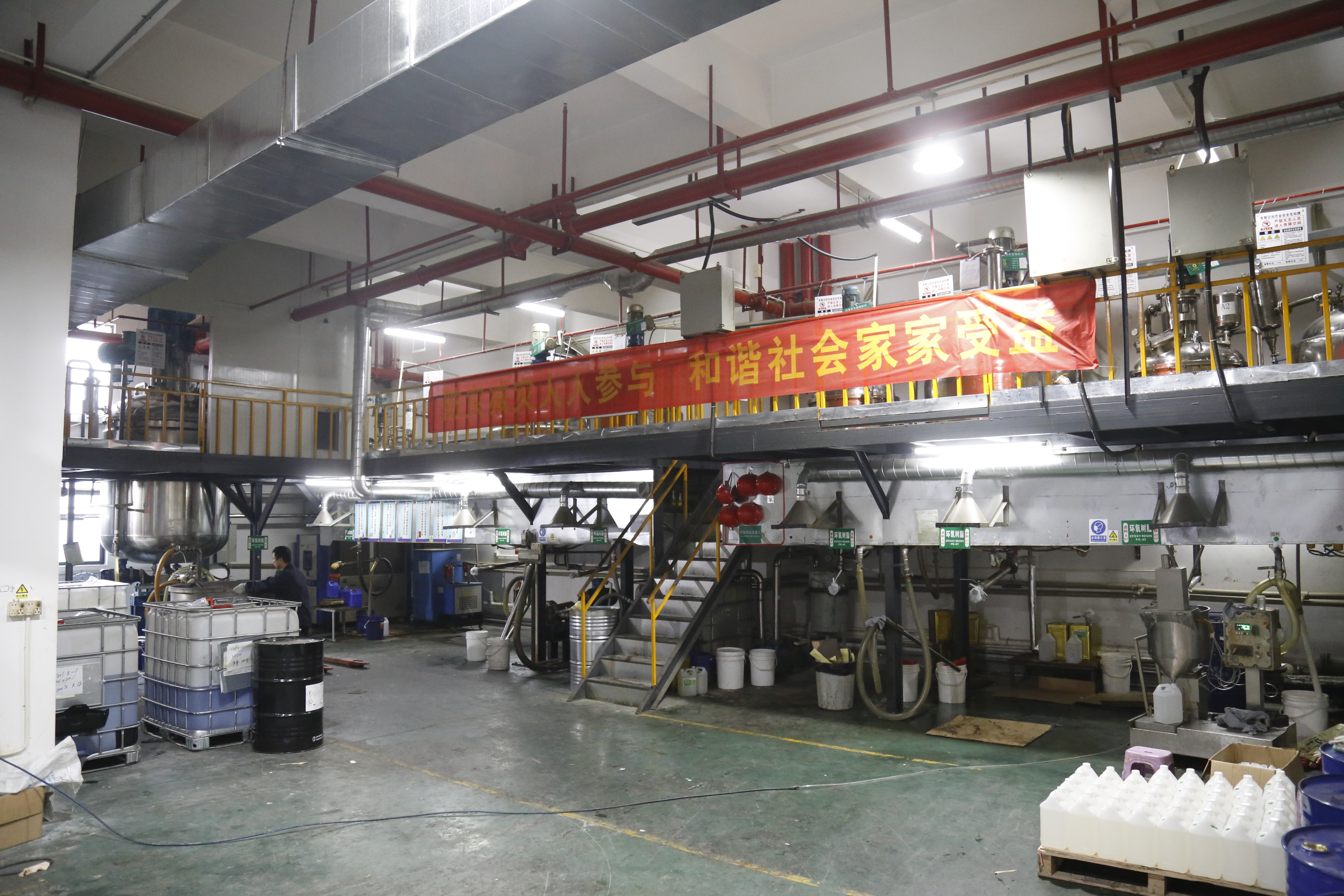
Several issues can be prevented by agreeing on the details before production begins.
These are not just production issues. They affect how reliably a brand can supply its customers over time.
A successful private-label range needs a clear product specification, suitable packaging, accurate documentation, and a supply arrangement that can support future orders.
Before moving into production, decide which products your customers actually need. Confirm the technical requirements, evaluate samples, approve the packaging, and check the relevant regulatory information for each target market.
It is also important to agree on the commercial details, including MOQ, customization options, product ownership arrangements, lead times, and procedures for repeat orders.
Jianghe supplies epoxy resin, liquid silicone rubber, and flooring materials, with OEM and private-label support for suitable products. If you are developing a new brand or expanding an existing product range, share your target products, applications, markets, preferred pack sizes, and estimated order quantities with our team.
We can review your requirements, discuss suitable products from the current range, and arrange sample evaluation before you move forward with packaging and production.
Request an OEM Consultation
Explore our OEM & Customization services and product range.
 Hot News
Factory-backed material solutions for manufacturers, brands and distributors worldwide. We specialize in liquid silicone rubber, epoxy resin, flooring materials and related products, providing reliable manufacturing, OEM customization and stable global supply.
Copyright © 2026 Shenzhen Jianghe New Materials Technology Co., Ltd.All rights reserved. Privacy Policy
 EN