
 EN
EN
Understanding the Demands of Industrial Applications
In the world of industrial manufacturing and construction, the performance of materials is non-negotiable. Epoxy resins are foundational to countless applications, from high-strength coatings and durable flooring to advanced composites and critical adhesives. Maximizing their performance, however, is not simply about choosing any resin; it requires a strategic approach that begins long before the product is applied. Factors such as precise formulation, environmental conditions during curing, and the compatibility of the resin with specific substrates all play a pivotal role in determining the final outcome. For project managers and production engineers, understanding these variables is the first step toward ensuring long-lasting, reliable results that meet rigorous industrial standards.
The Critical Role of Material Selection
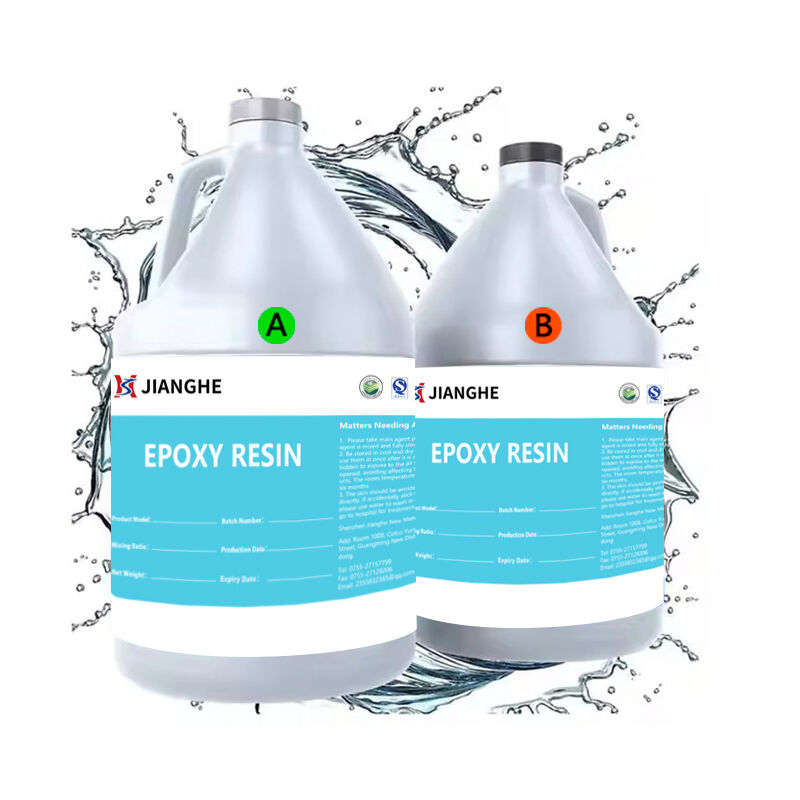
The foundation of any successful industrial project lies in selecting the right base material. Epoxy resins are not a one-size-fits-all solution. Their performance characteristics—such as viscosity, pot life, cure time, and ultimate mechanical strength—can be dramatically altered by adjusting their chemical formulation. This is where partnering with a specialized supplier becomes invaluable. A supplier with deep technical expertise can help you navigate these complexities. For instance, Shenzhen Jianghe specializes in high-performance resin systems and offers extensive Formula & Performance Customization. This means they can fine-tune parameters like hardness, flexibility, and chemical resistance to match the exact demands of your production process, ensuring the material is optimized for efficiency and durability from the very start.
Precision in Mixing and Application
Even the most expertly formulated resin will underperform if not handled correctly. Achieving maximum performance relies heavily on precise mixing ratios and thorough blending. For many industrial epoxies, even minor deviations from the specified mix ratio can lead to incomplete curing, tacky surfaces, or significantly reduced structural integrity. Furthermore, the application environment must be carefully controlled. Temperature and humidity directly influence the curing kinetics and the final cross-linked density of the resin. Implementing strict quality control protocols during the mixing and application phases is essential. This includes using calibrated equipment, ensuring ambient conditions are within the manufacturer's recommended range, and training personnel on proper techniques to avoid introducing air bubbles or contaminants that could act as failure points.
Optimizing the Curing Process
The curing process is where the magic of epoxy happens, transforming a liquid mixture into a solid, high-performance material. Maximizing performance means optimizing this cure cycle. This goes beyond simply waiting for the resin to harden. It involves managing the exothermic reaction, especially in large-volume pours, to prevent overheating which can cause cracking or yellowing. In industrial settings, sometimes heat curing or post-curing is employed to accelerate the process or achieve a higher glass transition temperature, enhancing the material's thermal and mechanical properties. Understanding the specific cure profile of your chosen epoxy system is key to unlocking its full potential. Suppliers can offer crucial data on the optimal cure schedule to achieve the desired balance of properties for your application.
Leveraging Expert Partnerships for Custom Solutions
For truly challenging industrial projects, a standard product may not suffice. This is where the value of a technical partnership becomes clear. By working directly with a manufacturer who offers comprehensive customization services, you can move beyond off-the-shelf limitations. A company like Shenzhen Jianghe, with its commitment to tailored solutions, can be instrumental in this process. They cater to a wide range of clients, from manufacturers needing reliable raw materials to distributors seeking competitive B2B pricing. Their OEM/ODM Customization Services allow for complete control over the final product, from formula adjustment and performance optimization to color matching and even private labeling of ready-to-sell kits. This end-to-end support ensures that the resin system is not only a perfect technical fit but also aligns with your business and branding objectives, ultimately delivering superior performance and market advantage.
Ensuring Long-Term Reliability and Compliance
Maximizing performance is not just about the initial installation or production run; it's about ensuring long-term reliability under operational stresses. Industrial projects often require materials to withstand harsh chemicals, extreme temperatures, mechanical wear, and environmental exposure. To guarantee that an epoxy system will perform over its intended lifespan, it must be rigorously tested and certified. Relying on a supplier who provides robust Certification & Compliance Support is crucial. This includes guidance on meeting international standards, providing compliance documentation, and file support. This due diligence builds confidence with end-users and stakeholders, ensuring that the project not only meets immediate performance goals but also complies with necessary regulations, thereby mitigating risk and enhancing the project's overall success.
FAQ
What is the most important factor in maximizing epoxy performance?
While many factors are critical, selecting the correct base formulation for your specific application is paramount. Even with perfect application techniques, an ill-suited resin will fail. Partnering with a supplier that offers formula customization ensures the material's core properties align with your project's mechanical, thermal, and chemical demands.
How does the mixing ratio affect final epoxy properties?
The mixing ratio is chemically determined to achieve complete cross-linking. Using an incorrect ratio leaves unreacted components in the mixture, resulting in a soft, weak, or sticky material with poor chemical and heat resistance. Precision in measuring and mixing is non-negotiable for achieving the manufacturer's stated performance.
Can the working environment impact the curing of industrial epoxy?
Absolutely. Temperature and humidity are the two most influential environmental factors. Low temperatures can slow the cure dramatically or stop it altogether, while high humidity can cause surface blush or interfere with the chemical reaction, leading to compromised physical properties and adhesion.
Why is post-curing sometimes necessary for industrial epoxy projects?
Post-curing involves applying heat after the initial set to drive the chemical reaction to completion. This process can significantly enhance the material's glass transition temperature, strength, stiffness, and chemical resistance. It is often essential for applications that will see high service temperatures or require maximum structural performance.