
 EN
EN
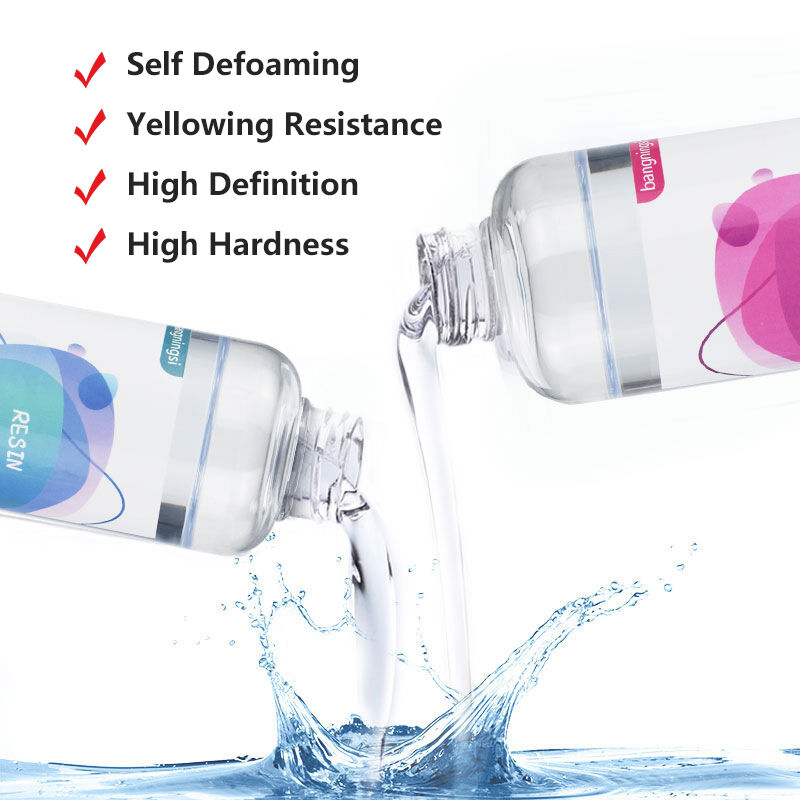
River table epoxy achieves its remarkable transparency and visual clarity through a sophisticated combination of molecular structure, specialized formulation chemistry, and precise curing mechanisms. The transparency that makes river table epoxy so visually stunning is not accidental but results from carefully engineered resin systems designed to minimize light scattering, eliminate optical imperfections, and maintain crystal-clear appearance throughout the curing process. Understanding how river table epoxy achieves this optical excellence requires examining the fundamental chemistry behind epoxy transparency and the specific manufacturing processes that create these exceptional visual properties.
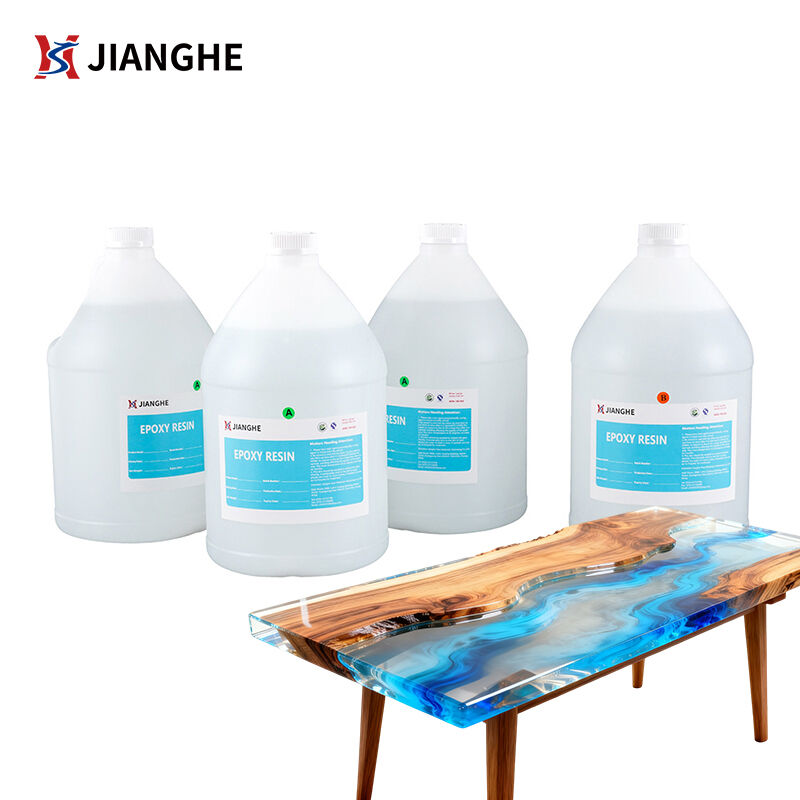
The visual clarity of river table epoxy depends on multiple interconnected factors that work together to create an optically superior material. These factors include the purity of raw materials, the absence of crystalline structures that could scatter light, controlled polymerization reactions that prevent bubble formation, and specific molecular arrangements that allow light to pass through unimpeded. Professional-grade river table epoxy systems are formulated to achieve maximum transparency while maintaining the structural integrity and durability required for furniture applications.
Chemical Foundation of Epoxy Transparency
Molecular Structure and Light Transmission
The transparency of river table epoxy originates from its amorphous molecular structure, which lacks the regular crystalline patterns that typically scatter light in other materials. When epoxy resin cures, it forms a three-dimensional crosslinked network where polymer chains are randomly oriented, creating a homogeneous material with uniform optical properties. This random molecular arrangement allows light waves to pass through the material without encountering regular structural boundaries that would cause refraction or scattering.
The refractive index uniformity throughout the cured river table epoxy is crucial for achieving visual clarity. High-quality formulations maintain consistent density and molecular composition, ensuring that light travels through the material at a constant speed without encountering variations that would distort the optical path. The crosslinked polymer network also prevents the formation of microphases or domains that could create optical inhomogeneities.
Advanced river table epoxy formulations utilize specific resin backbone structures that inherently promote transparency. Bisphenol-A based epoxy resins, commonly used in high-clarity applications, provide excellent optical properties due to their aromatic ring structures and symmetric molecular geometry. These structural features contribute to the material's ability to transmit light efficiently while maintaining mechanical strength.
Raw Material Purity Requirements
The transparency of river table epoxy is directly dependent on the purity of its constituent raw materials. Even trace amounts of impurities can significantly impact optical clarity by introducing light-scattering particles or creating chemical reactions that produce colored byproducts. Premium river table epoxy systems use highly purified resins and hardeners that undergo extensive filtration and purification processes to remove contaminants.
Water content is particularly critical for maintaining transparency in river table epoxy. Moisture can cause cloudiness during curing through hydrolysis reactions or by creating microscopic water droplets within the polymer matrix. Professional formulations include moisture scavengers or are processed under controlled atmospheric conditions to ensure water content remains below critical thresholds.
The hardener component must also meet strict purity standards to achieve optimal transparency. Impurities in the curing agent can lead to incomplete reactions, leaving unreacted components that may crystallize or phase-separate over time. High-purity hardeners ensure complete crosslinking and maintain long-term optical stability in the cured river table epoxy.
Advanced Formulation Techniques for Visual Clarity
Resin System Design
Modern river table epoxy formulations employ sophisticated resin system designs that optimize transparency through careful selection of base resins, reactive diluents, and functional additives. The primary resin component is chosen for its inherent optical properties, while reactive diluents help reduce viscosity without compromising clarity. These diluents become part of the crosslinked network during curing, maintaining the transparency of the final product.
Flexibilizers and toughening agents used in river table epoxy must be carefully selected to avoid compromising optical clarity. Traditional rubber tougheners can create microscopic domains that scatter light, so advanced formulations use clear, compatible toughening systems that maintain transparency while improving impact resistance. These might include specific thermoplastic modifiers or core-shell particles designed for optical applications.
The ratio of resin to hardener is precisely controlled in river table epoxy systems to ensure complete reaction and optimal crosslink density. Stoichiometric imbalances can leave unreacted components that may affect transparency over time. Professional systems often include slight excess of one component to ensure complete consumption of the limiting reactant.
Anti-Foaming and Degassing Technology
Bubble formation represents one of the greatest threats to river table epoxy transparency. Even microscopic air bubbles can significantly impact visual clarity by scattering light and creating optical distortions. Advanced formulations incorporate multiple strategies to prevent and eliminate bubbles, including specialized anti-foaming agents that reduce surface tension and promote bubble coalescence.
Vacuum degassing procedures are essential for achieving maximum transparency in river table epoxy applications. The mixed resin system is subjected to controlled vacuum conditions that allow dissolved gases to escape before the curing reaction progresses too far. The timing and intensity of degassing must be carefully controlled to remove air without causing excessive solvent loss or premature gelation.
Some river table epoxy formulations include self-degassing properties through careful viscosity management and extended working times. Lower viscosity systems allow bubbles to rise naturally to the surface, while extended pot life provides sufficient time for complete degassing before the resin becomes too viscous for bubble movement.
Curing Process Control for Optimal Transparency
Temperature Management During Curing
The curing temperature profile plays a crucial role in achieving maximum transparency in river table epoxy applications. Rapid temperature changes or excessive heat can cause thermal stress that leads to optical distortions or microcracking. Controlled curing schedules gradually increase temperature to promote complete reaction while avoiding thermal shock that could compromise visual clarity.
Exothermic heat generation during curing must be carefully managed to prevent localized overheating that can cause yellowing or create thermal gradients within the river table epoxy. Thick-section pours are particularly susceptible to heat buildup, requiring formulations with controlled reactivity and potentially staged curing processes to manage temperature rise.
Post-cure heating cycles are often employed to achieve maximum crosslink density and optimize optical properties in river table epoxy. These controlled heating cycles help eliminate any residual unreacted components and relieve internal stresses that could affect transparency. The temperature and duration of post-cure treatment are optimized for each specific formulation.
Humidity and Environmental Controls
Environmental conditions during river table epoxy curing significantly impact the final optical properties. High humidity can introduce moisture that interferes with the curing reaction or creates surface defects that compromise transparency. Professional applications require controlled environments with specific humidity levels to ensure optimal curing conditions.
Dust and airborne contaminants must be excluded during the curing process to maintain surface quality and overall transparency of river table epoxy. Clean room conditions or enclosed curing environments prevent particle contamination that could create optical imperfections or require surface refinishing that might affect clarity.
Temperature stability throughout the curing cycle is essential for uniform crosslinking and consistent optical properties. Temperature variations can create density gradients or incomplete curing regions that affect light transmission through the river table epoxy. Controlled curing environments maintain steady conditions throughout the entire process.
Surface Quality and Optical Finishing
Surface Preparation and Mold Release
The surface quality of cured river table epoxy directly affects its apparent transparency and visual clarity. Surface defects, scratches, or irregularities can scatter light and reduce the perceived optical quality even when the bulk material is perfectly clear. Professional applications use high-quality mold surfaces and release agents specifically designed for optical applications.
Mold release agents must be carefully selected to avoid leaving residues that could affect surface quality or interfere with subsequent finishing operations. Some river table epoxy formulations are designed to cure against specific mold surfaces that impart a high-gloss finish directly, eliminating the need for additional polishing operations that could introduce optical distortions.
Surface tension effects during curing can create meniscus formations or other irregularities that affect the final appearance of river table epoxy. Formulations with controlled surface energy and wetting properties help minimize these effects and promote uniform surface formation during the curing process.
Polishing and Optical Enhancement
Even high-quality river table epoxy may require surface polishing to achieve maximum visual clarity and transparency. Progressive polishing sequences using increasingly fine abrasives remove surface imperfections and create optically smooth surfaces that maximize light transmission and minimize reflection losses.
The polishing process must be carefully controlled to avoid introducing subsurface damage that could affect long-term optical stability of river table epoxy. Proper polishing techniques use appropriate pressures, speeds, and coolants to prevent heat generation that could cause thermal damage or stress-induced optical effects.
Final polishing stages often employ specialized compounds designed for optical applications that can achieve surface roughness levels comparable to optical glass. These ultra-fine polishing systems remove even microscopic scratches that could scatter light and compromise the visual clarity of river table epoxy surfaces.
Long-Term Optical Stability
UV Resistance and Clarity Retention
Maintaining transparency over time requires river table epoxy formulations with excellent UV resistance to prevent yellowing and optical degradation. UV stabilizers and light absorbers are incorporated into advanced formulations to protect the polymer matrix from photodegradation that could compromise visual clarity over extended service life.
The selection of UV protection systems must balance effectiveness with optical clarity, as some traditional UV absorbers can introduce slight coloration that affects the crystal-clear appearance of river table epoxy. Modern formulations use advanced stabilizer packages that provide protection without compromising initial transparency.
Accelerated weathering testing is used to evaluate the long-term optical stability of river table epoxy formulations under various exposure conditions. These tests help predict color stability and transparency retention under real-world service conditions, ensuring that the material maintains its visual properties throughout its intended service life.
Chemical Resistance and Clarity Maintenance
Chemical resistance is crucial for maintaining the transparency of river table epoxy in service environments where exposure to cleaning agents, oils, or other chemicals might occur. Chemical attack can cause surface etching, crazing, or other damage that affects optical properties even when the bulk material remains sound.
Advanced river table epoxy formulations incorporate chemical resistance enhancers that protect against common household and commercial chemicals without compromising optical clarity. These protective additives must be carefully balanced to provide resistance while maintaining the transparency and surface quality of the cured resin.
Regular maintenance protocols help preserve the visual clarity of river table epoxy surfaces over time. Appropriate cleaning methods and products prevent the accumulation of residues or the introduction of scratches that could compromise optical performance. Professional-grade systems often include specific maintenance recommendations to ensure long-term visual excellence.
FAQ
What makes some river table epoxy clearer than others?
The clarity of river table epoxy depends primarily on raw material purity, formulation design, and processing conditions. Higher-grade resins with better purification, specialized anti-foaming additives, controlled curing temperatures, and professional mixing and degassing techniques all contribute to superior transparency. Premium formulations also use advanced UV stabilizers and chemical resistance packages that maintain clarity over time.
Can river table epoxy lose its transparency over time?
River table epoxy can experience some transparency loss over extended periods due to UV exposure, chemical contact, or thermal cycling. However, high-quality formulations with proper UV protection and chemical resistance maintain their optical clarity for many years under normal service conditions. Regular maintenance and protection from harsh chemicals help preserve transparency throughout the service life.
Why do some river table epoxy pours develop cloudiness or bubbles?
Cloudiness and bubbles in river table epoxy typically result from inadequate degassing, improper mixing ratios, contaminated materials, or unsuitable environmental conditions during curing. Moisture contamination, rapid temperature changes, or using expired materials can also cause optical defects. Professional application techniques including vacuum degassing, controlled temperatures, and proper material handling prevent these issues.
How does thickness affect river table epoxy transparency?
Thicker sections of river table epoxy can appear less transparent due to increased light absorption and potential optical distortions from thermal stress during curing. Deep pour formulations are specifically designed to maintain clarity in thick sections through controlled exotherm, reduced shrinkage, and optimized optical properties. Proper curing schedules and environmental controls become more critical as thickness increases.