
 EN
EN
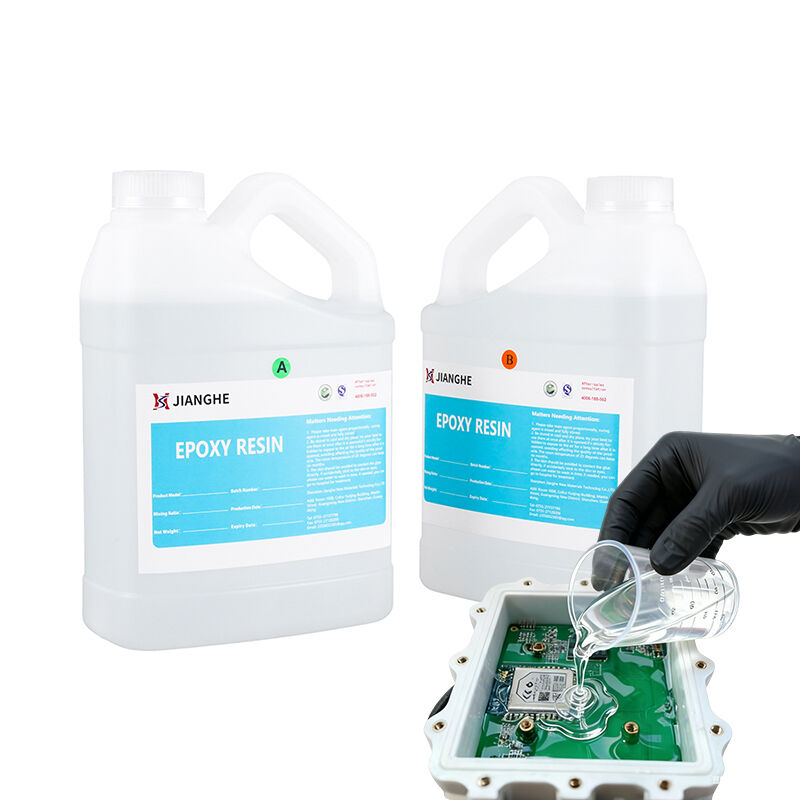
Understanding how river table epoxy maintains stability across varying pour depths requires examining the complex interaction between resin chemistry, thermal management, and curing dynamics. The depth of an epoxy pour significantly impacts its ability to cure evenly, resist cracking, and achieve long-term structural integrity. Professional woodworkers and craftspeople working with river table epoxy must master these depth-related challenges to create stunning pieces that remain stable over time.
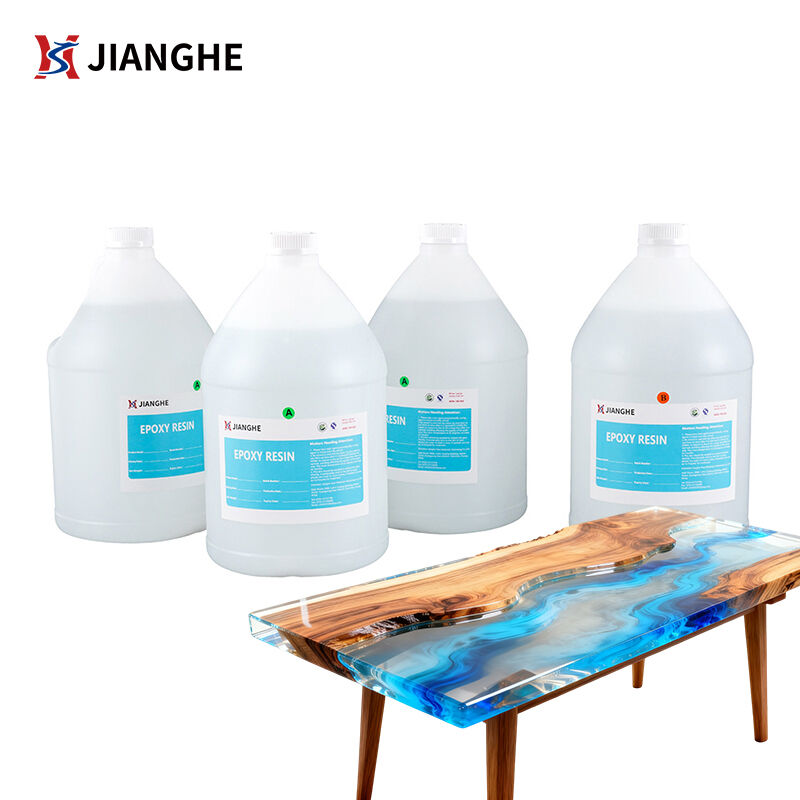
The stability of river table epoxy depends primarily on controlled exothermic reactions and the resin's ability to release heat efficiently during the curing process. When pour depths exceed the manufacturer's recommendations, internal temperatures can spike dramatically, leading to rapid curing, internal stress formation, and potential cracking. Conversely, shallow pours may cure too quickly on the surface while remaining uncured beneath, creating adhesion issues and weak points that compromise the overall stability of the finished piece.
Chemical Mechanisms Behind Depth-Related Stability
Exothermic Reaction Control in Deep Pours
River table epoxy stability fundamentally depends on managing the exothermic heat generated during the curing reaction. As epoxy resin and hardener combine, they release significant thermal energy that must dissipate properly to prevent runaway reactions. In deeper pours, this heat becomes trapped within the resin mass, potentially raising internal temperatures beyond the resin's thermal stability threshold. Professional-grade river table epoxy formulations include specific thermal management additives that help moderate these reactions and extend working time even in thicker applications.
The molecular cross-linking process that creates the final cured structure occurs at different rates throughout the pour depth. Surface layers cure faster due to better heat dissipation and oxygen exposure, while interior sections remain workable longer but face higher internal temperatures. This differential creates internal stress gradients that can manifest as micro-cracks or delamination if not properly managed. Understanding these chemical dynamics allows craftspeople to select appropriate river table epoxy formulations and adjust their pouring techniques accordingly.
Viscosity Changes and Flow Characteristics
The viscosity of river table epoxy changes significantly as curing progresses, and this transformation varies with pour depth. Shallow applications may develop surface tension effects that create uneven thickness, while deep pours can experience convection currents that redistribute pigments and create unwanted patterns. The ideal river table epoxy maintains consistent flow characteristics throughout the curing window, allowing craftspeople to achieve uniform thickness and smooth surfaces regardless of the intended depth.
Temperature-induced viscosity changes become more pronounced in deeper pours where internal heat buildup accelerates the thickening process. This can trap air bubbles that would normally rise to the surface in thinner applications, creating voids that compromise structural integrity. Professional formulations address this challenge through carefully balanced catalyst systems that provide extended working time while maintaining predictable flow properties across various depth ranges.
Thermal Management Strategies for Different Pour Depths
Heat Dissipation Techniques for Shallow Applications
Shallow river table epoxy applications typically range from 1/8 inch to 1/2 inch in depth and present unique thermal management challenges. These thin sections cure rapidly due to their high surface-area-to-volume ratio, which can lead to surface defects if environmental conditions aren't carefully controlled. Effective thermal management for shallow pours involves maintaining consistent ambient temperatures and using slow-cure formulations that prevent surface skinning while allowing complete through-cure.
The rapid heat dissipation in shallow applications can actually work against achieving optimal mechanical properties if the curing temperature drops too quickly. River table epoxy requires sufficient thermal energy to complete the cross-linking process, and premature cooling can leave unreacted components that compromise long-term stability. Craftspeople often use warming techniques such as heat lamps or warm curing environments to maintain optimal cure temperatures throughout the process.
Deep Pour Thermal Control Methods
Deep pour applications, typically exceeding 1 inch in thickness, require sophisticated thermal management to prevent overheating and ensure uniform curing. The key strategy involves using river table epoxy formulations specifically designed for thick sections, which incorporate thermal moderators and extended pot life chemistry. These specialized resins generate heat more gradually and provide longer working windows that allow for better heat dissipation.
Active cooling techniques become essential for very deep pours, where natural heat dissipation cannot keep pace with exothermic generation. This might involve using cooling fans, temperature-controlled curing chambers, or even embedding cooling elements within the pour itself. The goal is maintaining internal temperatures within the optimal range for cross-linking while preventing thermal runaway that leads to cracking, yellowing, or incomplete cure. Professional applications often monitor internal temperatures using embedded sensors to ensure stability throughout the curing process.
Structural Considerations for Optimal Stability
Internal Stress Distribution in Variable Depths
River table epoxy applications often involve varying depths across a single piece, creating complex internal stress patterns that must be carefully managed. Areas of different thickness cure at different rates and experience different shrinkage patterns, potentially creating stress concentrations at transitions between thick and thin sections. Professional installation techniques include gradual thickness transitions and the use of stress-relief features that accommodate these differential movements without compromising the overall structure.
The coefficient of thermal expansion for cured river table epoxy differs from that of wood, creating additional stress considerations when temperature changes occur after installation. Deeper sections have more material to expand and contract, generating greater force against surrounding wood elements. This factor becomes particularly important in applications where the finished piece will experience significant temperature variations, requiring careful selection of epoxy formulations with thermal expansion properties that closely match the wood substrate.
Adhesion Optimization Across Depth Variations
Maintaining strong adhesion between river table epoxy and wood substrates becomes more challenging as pour depths increase due to the greater mechanical forces generated during curing and thermal cycling. Deep sections generate more shrinkage force, which can overcome adhesive bonds if not properly managed. Surface preparation becomes critical, with deep pour applications requiring more aggressive mechanical bonding techniques and possibly the use of primer systems designed specifically for thick-section applications.
The curing process itself affects adhesion quality, as longer cure times in deep pours provide more opportunity for substrate movement or contamination. River table epoxy formulations designed for stability across varying depths often include adhesion promoters that maintain bond strength even under the stress conditions created by thick-section curing. These chemical modifications ensure that the interface between epoxy and wood remains intact throughout the extended curing process and subsequent service life.
Application Techniques for Depth-Dependent Stability
Staged Pouring Methods
Professional craftspeople often employ staged pouring techniques when working with river table epoxy in applications requiring exceptional stability across varying depths. This approach involves applying the resin in multiple layers, allowing each to reach a specific cure stage before adding the next. The technique provides better thermal control by limiting the mass of resin curing at any given time, reducing peak temperatures and allowing more controlled cross-linking throughout the entire depth.
Each stage in a multi-layer pour must be timed precisely to ensure proper inter-layer adhesion while maintaining overall stability. The surface of each layer reaches a tacky state that provides optimal bonding with subsequent pours, creating a monolithic structure despite the staged application. River table epoxy formulations designed for this technique include extended working windows and surface characteristics that promote reliable layer bonding without visible interface lines in the finished piece.
Environmental Control During Application
Maintaining environmental stability during river table epoxy application becomes increasingly critical as pour depths increase. Temperature fluctuations, humidity changes, and air movement all affect cure rates and can create stress patterns that compromise long-term stability. Professional installations often occur in controlled environments where temperature and humidity remain constant throughout the entire curing process, which may extend several days for thick applications.
Dust and contamination control also becomes more important in deep pour applications due to the extended cure times involved. River table epoxy surfaces remain vulnerable to contamination longer in thick sections, and any foreign material that settles during curing can create weak points or aesthetic defects. Covering systems and air filtration help maintain the clean environment necessary for optimal cure quality and structural integrity across all depth variations.
FAQ
What is the maximum depth recommended for a single pour of river table epoxy?
Most river table epoxy formulations can handle single pours up to 2-4 inches deep, depending on the specific product and environmental conditions. Exceeding these limits risks thermal runaway, where internal heat buildup causes rapid, uncontrolled curing that leads to cracking, yellowing, and reduced mechanical properties. For greater depths, staged pouring techniques or specialized deep-pour formulations are recommended.
How does ambient temperature affect river table epoxy stability at different depths?
Ambient temperature significantly impacts cure rates and thermal management, with effects becoming more pronounced in deeper pours. Higher ambient temperatures accelerate curing and reduce working time, while potentially contributing to thermal runaway in thick sections. Lower temperatures slow curing but may prevent complete cross-linking, particularly in shallow applications where heat dissipates rapidly. The optimal ambient temperature range is typically 70-75°F for most river table epoxy applications.
Can different river table epoxy formulations be mixed in the same project for varying depths?
Mixing different river table epoxy formulations within a single project is generally not recommended, as different products may have incompatible chemistry, cure rates, or thermal expansion properties. This can create weak interfaces and stress concentration points that compromise overall stability. Instead, select a single formulation appropriate for the maximum depth required, or use staged pouring techniques with the same product throughout the project.
What are the signs that river table epoxy has lost stability due to improper depth management?
Common signs of stability problems include surface cracking, internal stress fractures, delamination between layers, yellowing or clouding, soft or tacky areas that fail to cure properly, and separation from wood substrates. These issues typically manifest within days to weeks after application and indicate that thermal management, cure control, or application techniques were inadequate for the specific depth and conditions involved.
Table of Contents
- Chemical Mechanisms Behind Depth-Related Stability
- Thermal Management Strategies for Different Pour Depths
- Structural Considerations for Optimal Stability
- Application Techniques for Depth-Dependent Stability
-
FAQ
- What is the maximum depth recommended for a single pour of river table epoxy?
- How does ambient temperature affect river table epoxy stability at different depths?
- Can different river table epoxy formulations be mixed in the same project for varying depths?
- What are the signs that river table epoxy has lost stability due to improper depth management?