
 EN
EN
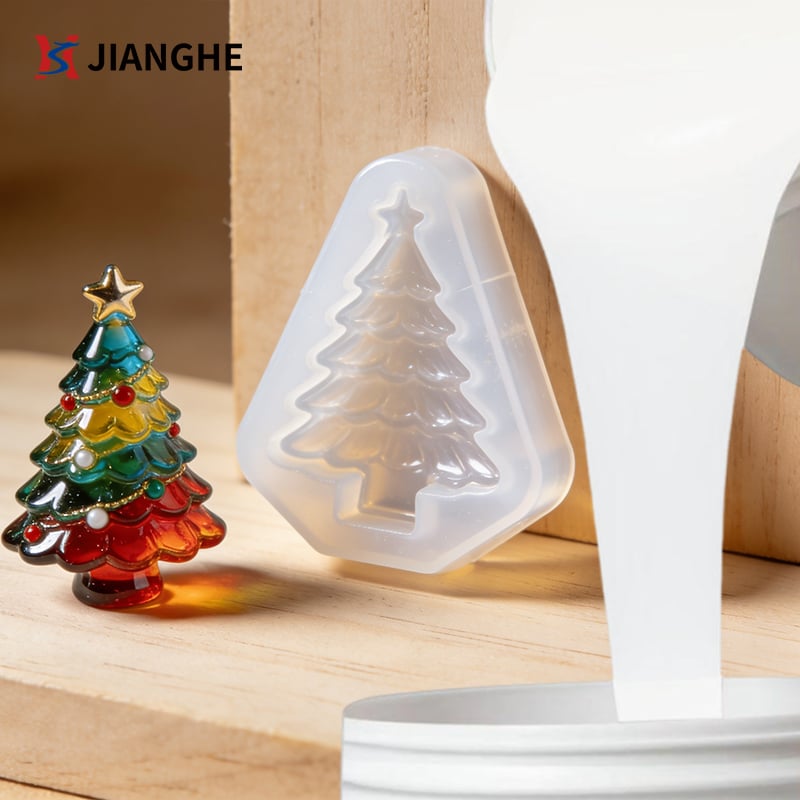
Sculptors and artists worldwide rely on liquid silicone rubber mold making for capturing the finest details of their original artwork. When it comes to replicating intricate sculptures with precision and consistency, liquid silicone rubber mold making stands as the gold standard in the industry. This material choice offers unmatched advantages that traditional mold-making methods simply cannot match, making it the go-to solution for professional artists, studios, and industrial reproduction facilities. Understanding why liquid silicone rubber mold making has become the preferred approach requires examining its unique properties, performance characteristics, and practical benefits for sculpture replication.
The superiority of liquid silicone rubber mold making lies in its chemical composition and molecular structure. Unlike rigid casting materials, liquid silicone rubber mold making provides exceptional flexibility and tear resistance, critical factors when working with complex geometric shapes and delicate surface features. Artists can pour liquid silicone rubber mold making directly into or around original sculptures without risk of permanent deformation, ensuring each replica maintains absolute fidelity to the source. The curing process of liquid silicone rubber mold making is controllable and predictable, allowing creators to manage production timelines while achieving consistent results across multiple casting cycles.
Superior Detail Capture and Precision
Microscopic Surface Fidelity
One of the most compelling reasons for choosing liquid silicone rubber mold making is its extraordinary ability to capture microscopic details. Every brush stroke, texture variation, and three-dimensional contour transfers into the mold with remarkable accuracy. When sculptors employ liquid silicone rubber mold making, they preserve surface characteristics that would be lost with less sophisticated molding techniques. This precision becomes especially valuable for historical art reproduction, heritage conservation, and museum-quality casting projects where authenticity is non-negotiable.
Complex Geometry Handling
Sculptures rarely feature simple, straightforward shapes. Most artistic works include undercuts, deep recesses, and intricate overlapping forms that challenge traditional mold materials. Liquid silicone rubber mold making excels precisely because it conforms naturally to complex geometry without requiring multiple mold sections or sophisticated mold-piece designs. The flowability of liquid silicone rubber mold making allows it to settle into every crevice and hollow, then cure into a cohesive, flexible structure that releases cleanly from the original sculpture. This capability dramatically reduces production complexity and waste.
Material Performance and Durability Advantages
Extended Mold Lifespan
Investment protection matters significantly in sculpture production. Liquid silicone rubber mold making delivers remarkable durability and reusability compared to alternatives like plaster or polyurethane. A single mold made from liquid silicone rubber mold making can produce dozens or hundreds of castings before showing signs of wear. The material resists degradation from repeated demold cycles, storage conditions, and exposure to common casting resins and other release agents. For production facilities that need consistent output over extended periods, liquid silicone rubber mold making represents the most cost-effective long-term solution.
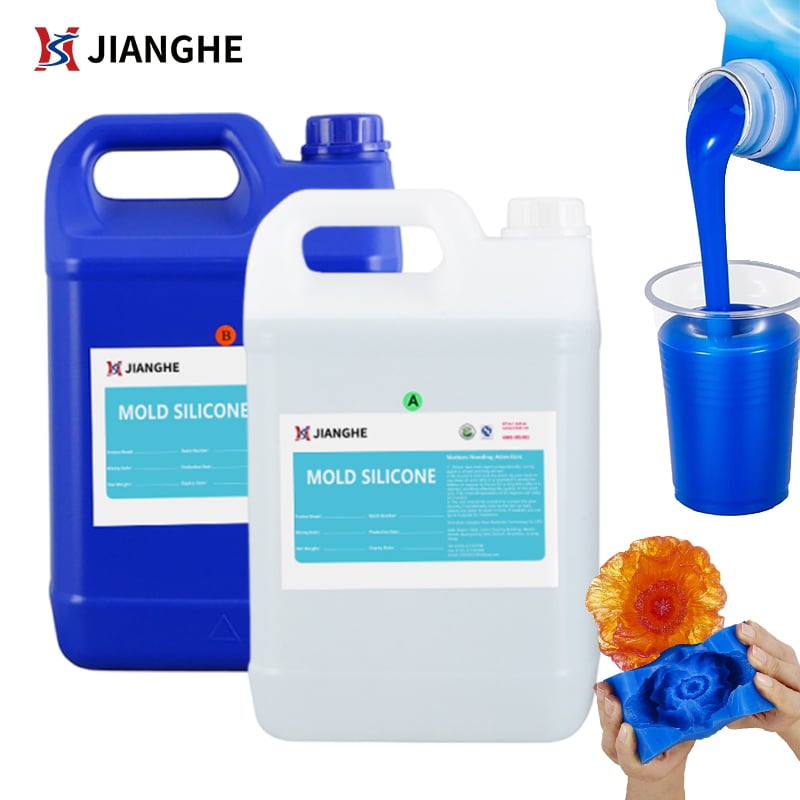
Chemical Resistance and Stability
Different casting projects require exposure to various chemical environments. Liquid silicone rubber mold making demonstrates outstanding resistance to oils, solvents, resins, waxes, and thermal fluctuations that would degrade inferior mold materials. This chemical stability ensures that the mold remains dimensionally accurate and functionally reliable regardless of the casting medium or environmental conditions encountered. When artists work with epoxy resins, polyurethane castings, or cement-based materials, liquid silicone rubber mold making maintains its integrity and performance characteristics throughout the production process.
Production Efficiency and Practical Implementation
Ease of Application and Controllable Curing
Implementing liquid silicone rubber mold making requires minimal specialized equipment or technical expertise compared to other advanced mold-making techniques. The material pours into a mold box surrounding the original sculpture, and controlled curing produces a flexible, ready-to-use mold. Production timelines remain predictable because liquid silicone rubber mold making offers adjustable catalyst systems that allow craftspeople to customize cure speeds based on project requirements. Faster-setting formulations suit time-sensitive production schedules, while slower systems accommodate complex or large-scale sculptures requiring extended working periods.
Reduced Post-Processing Requirements
A major practical advantage of liquid silicone rubber mold making is the minimal post-production work needed to prepare molds for casting. Traditional methods often require extensive trimming, sealing, and reinforcement procedures that consume valuable labor hours. Liquid silicone rubber mold making typically requires only basic mold keys and release-agent preparation before production begins. This efficiency streamlines workflow, reduces labor costs, and accelerates time-to-first-casting. Studios working under tight deadlines or managing high production volumes benefit significantly from this streamlined implementation of liquid silicone rubber mold making.
Industry-Specific Applications and Success Patterns
Fine Art and Heritage Conservation
Museums, cultural institutions, and fine art studios depend on liquid silicone rubber mold making for preservation and reproduction projects. When original sculptures face environmental damage risks or conservation challenges, creating backup molds through liquid silicone rubber mold making protects artistic heritage. The technique enables institutions to produce exhibition-quality reproductions while keeping original artworks in controlled storage. This application demonstrates how liquid silicone rubber mold making serves purposes beyond commercial production, extending into cultural stewardship and educational contexts.
Commercial Sculpture Production
Professional sculpture studios rely heavily on liquid silicone rubber mold making for scaling production to meet market demand. Whether creating decorative pieces, architectural ornaments, or collectible figurines, liquid silicone rubber mold making allows artists to maintain quality consistency across large quantities. The material supports batch production workflows where identical or near-identical pieces emerge from the same mold across multiple casting sessions. This capability transforms studio operations from one-off artistic endeavors into sustainable commercial enterprises capable of reaching broader markets.
FAQ
What makes liquid silicone rubber mold making better than traditional casting molds?
Liquid silicone rubber mold making outperforms traditional materials because it captures finer details, lasts longer through repeated use, resists chemical degradation, and requires minimal post-processing. Unlike plaster or polyurethane alternatives, liquid silicone rubber mold making maintains dimensional accuracy across hundreds of casting cycles, making it far more cost-effective for production applications. The flexibility of molds created through liquid silicone rubber mold making also simplifies release of complex geometries that would damage less resilient mold materials.
How long does a mold created with liquid silicone rubber mold making typically last?
A well-maintained mold made through liquid silicone rubber mold making can produce anywhere from fifty to five hundred castings or more, depending on the casting material, demolding technique, and environmental conditions. Proper storage in cool, dry environments extends mold life significantly. With appropriate care protocols, liquid silicone rubber mold making investments provide years of reliable service, making them exceptional values compared to molds requiring replacement after relatively few uses. The longevity depends partly on the specific formulation and thickness of the liquid silicone rubber mold making material selected for each project.
Is liquid silicone rubber mold making suitable for all sculpture types and materials?
Liquid silicone rubber mold making works exceptionally well for most sculpture types and original materials, including clay, wax, stone, wood, and metal. However, very porous or unstable original materials may require surface preparation or protective sealing before applying liquid silicone rubber mold making. The technique accommodates both small detailed figurines and large-scale architectural sculptures. For specialized applications involving extreme temperatures or highly unusual casting materials, confirming material compatibility ensures liquid silicone rubber mold making delivers optimal performance for your specific project requirements.