
 EN
EN
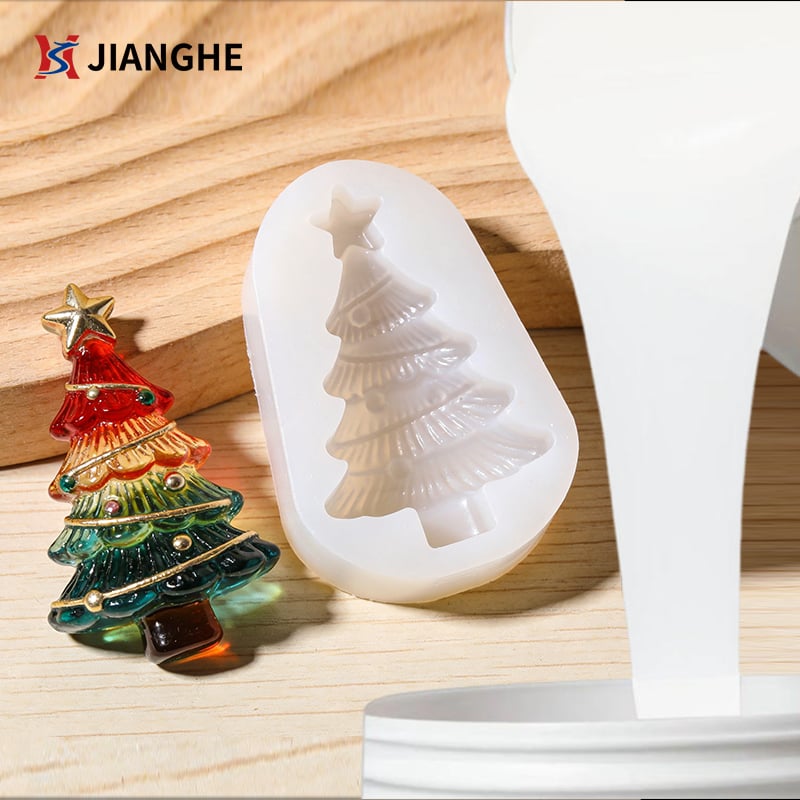
Fine art sculpting demands materials that capture intricate details while maintaining durability and flexibility. Liquid silicone rubber mold making has become the preferred choice for artists and sculptors who need to replicate complex forms, delicate features, and textured surfaces with precision. Unlike traditional casting materials that may crack, degrade, or lose detail over time, liquid silicone rubber mold making offers superior tear resistance, thermal stability, and dimensional accuracy. This advanced material transforms the sculpting workflow, enabling artists to create master molds that withstand hundreds of castings without compromising fine details or surface quality.
The science behind liquid silicone rubber mold making lies in its platinum-catalyzed formulation and high tear strength properties. When poured around an original sculpture or model, the material cures to form a flexible yet incredibly strong mold. Artists benefit from the ability to capture micro-textures, fine undercuts, and complex geometries that other mold materials simply cannot replicate. The result is a reusable mold that maintains its fidelity across multiple casting cycles, allowing sculptors to produce consistent reproductions at scale without re-sculpting or re-mold-making after each use.
Understanding Liquid Silicone Rubber Mold Making for Sculptors
Material Properties That Support Detailed Replication
Liquid silicone rubber mold making material is engineered to deliver exceptional tear resistance and elongation at break. This combination allows the mold to stretch and flex as castings are removed without tearing or permanent deformation. Fine art requires this level of durability because sculptors often work with sharp edges, protruding details, and complex undercuts that stress traditional rigid molds. The elasticity of liquid silicone rubber mold making ensures that even aggressive surface features—such as fine hair strands, delicate facial expressions, or intricate textile patterns—remain perfectly captured through dozens or hundreds of casting cycles.
The platinum-catalyzed chemistry of liquid silicone rubber mold making also provides superior dimensional stability compared to older condensation-cure systems. This means the mold does not shrink excessively during or after curing, preserving the exact proportions and scale of the original sculpture. Artists who have invested months or years in refining a sculpture demand assurance that each cast reproduction will match the master sculpture precisely. Liquid silicone rubber mold making delivers this precision because its formulation minimizes shrinkage and maintains mold memory even after extended storage or repeated use.
Tear Strength and Longevity Benefits
One of the most significant advantages of liquid silicone rubber mold making is its exceptional tear strength compared to polyurethane or urethane elastomers. When demolding a complex sculpture, stress concentrates at sharp edges and re-entrant features. If the mold material lacks sufficient tear propagation resistance, small damage sites can expand into large tears during removal, ruining the mold and wasting the entire liquid silicone rubber mold making investment. Platinum-catalyzed systems are formulated specifically to resist these failure modes, allowing sculptors to demolding with confidence.
Longevity also factors into the economic case for liquid silicone rubber mold making. A high-quality master mold created with the right liquid silicone rubber mold making technique can last for dozens or even hundreds of castings if maintained properly. This reduces the per-unit cost of each reproduction and allows artist studios to scale production without constantly investing in new molds. Studios that cast bronze, resin, or plaster editions from the same sculpture benefit enormously from the extended mold life that quality liquid silicone rubber mold making provides.
The Mold-Making Workflow for Fine Art Applications
Preparation and Mold Architecture Design
Creating a professional mold using liquid silicone rubber mold making begins with thoughtful design and planning. Artists must first identify the parting line—the division where the mold will split to release the casting. Complex sculptures may require multi-part molds to avoid undercuts that would prevent demolding. The liquid silicone rubber mold making process demands that sculptors consider how the material will flow, where air pockets might form, and how the mold will be supported or cased in a rigid outer form. Many artists sketch the mold architecture before pouring, marking gates and vents where liquid silicone rubber mold making will enter and air will escape.
Support infrastructure around the liquid silicone rubber mold making is equally important. A rigid fiberglass or acrylic jacket must contain the poured silicone and prevent it from bulging or deforming under its own weight during cure. For large sculptures or those with intricate undercuts, artists often create a mother mold—an outer rigid shell—that stabilizes the flexible liquid silicone rubber mold making throughout the casting process. This layered approach ensures that the mold retains its shape and produces accurate castings even when filled with dense materials like plaster or bronze investment.
Pouring, Degassing, and Curing Processes
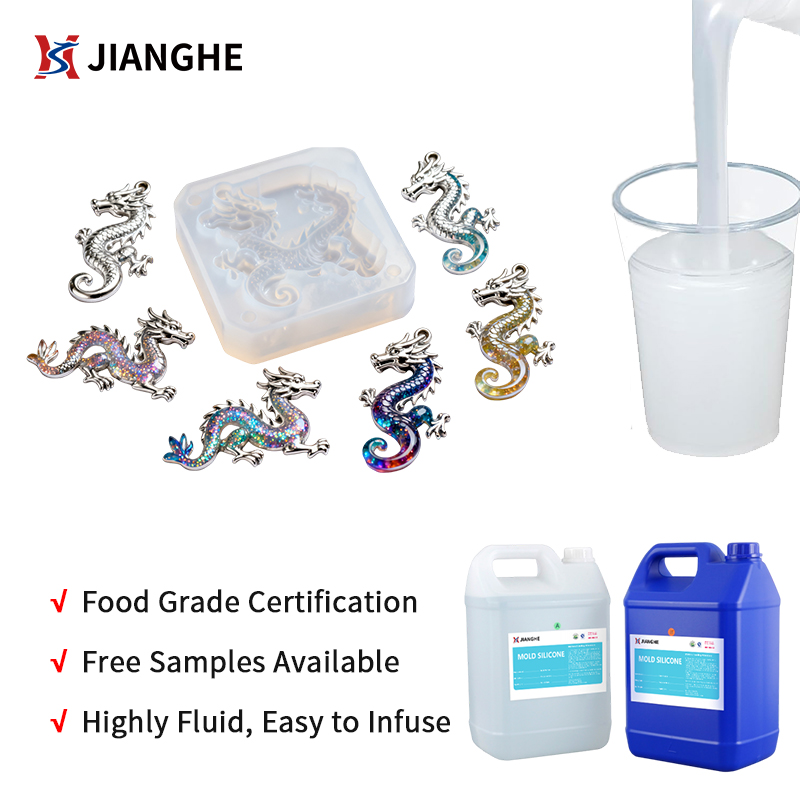
The pouring phase of liquid silicone rubber mold making requires attention to detail and correct technique. The material is mixed in precise ratios by weight or volume, depending on the product formulation. Immediately after mixing, the liquid silicone rubber mold making mixture must be degassed under vacuum to remove air bubbles trapped during blending. These bubbles would create voids in the finished mold, causing casting defects and loss of detail reproduction. Vacuum degassing is an essential step that distinguishes professional liquid silicone rubber mold making operations from amateur attempts.
After degassing, the liquid silicone rubber mold making is carefully poured around the sculpture in a controlled manner. Pouring speed and angle matter because rapid or turbulent pouring traps air, while gentle, steady pouring allows bubbles to escape as the material rises around the original form. Curing times vary by formulation and temperature, typically ranging from eight to twenty-four hours for full strength development. The liquid silicone rubber mold making material continues to cross-link during cure, building the tear strength and elasticity necessary to produce consistent castings. Once fully cured, the mold is carefully demolished from its support structure and is ready for its first casting trial.
Why Fine Artists Prefer Liquid Silicone Rubber Mold Making
Detail Fidelity and Surface Reproduction
Fine artists demand nothing less than perfect reproduction of their original sculptures. Liquid silicone rubber mold making delivers detail fidelity that competitors simply cannot match. The material's low viscosity during pouring allows it to flow into the finest surface features, capturing subtle tool marks, fingerprints, and textural elements that give a sculpture its artistic identity. When a sculptor has carved micro-details or applied glazes and surface treatments, those elements must survive the casting process intact. Liquid silicone rubber mold making preserves these nuances because the material is formulated specifically for high-resolution replication.
Surface finish quality in the final casting depends entirely on mold quality, and liquid silicone rubber mold making produces the cleanest, sharpest surfaces in the industry. Artists who cast bronze know that a poor mold creates a dull, indefinite surface that requires extensive post-casting finishing work. A superior mold made from liquid silicone rubber mold making reduces finishing labor and delivers casts that are closer to the artist's original intent. This efficiency matters when producing limited editions or gallery pieces where consistency and perfection are non-negotiable.
Flexibility for Complex Undercuts and Multi-Part Molds
Many fine art sculptures contain complex undercuts and features that would be impossible to mold with rigid materials. Liquid silicone rubber mold making's inherent flexibility allows artists to create single-piece molds for sculptures with re-entrant shapes, protruding appendages, or asymmetrical forms. This flexibility also makes demolding safer and faster—the mold stretches slightly as the casting is removed, reducing stress on both the mold and the reproduction. Over time, this gentler demolding process extends mold life, making liquid silicone rubber mold making an economical choice for artists producing multiple castings.
For sculptures too complex for a single-piece mold, liquid silicone rubber mold making supports multi-part strategies. Each section can be poured independently, then keys and registration features ensure perfect alignment during casting. This modularity gives artists maximum control over the casting process and allows them to produce consistent reproductions without fighting difficult demolding or risking mold damage. The flexibility of liquid silicone rubber mold making adapts to any sculpture geometry, making it the universal mold solution for fine art applications.
FAQ
What is the typical lifespan of a liquid silicone rubber mold for fine art casting?
A professional liquid silicone rubber mold making mold can typically produce fifty to several hundred accurate castings before showing significant wear, depending on the casting material and demolding technique used. Plaster and resin castings generally result in longer mold life than bronze or other aggressive casting materials. Proper maintenance, including gentle demolding, thorough cleaning, and correct storage in a cool, dark environment, extends the lifespan of liquid silicone rubber mold making molds significantly. Many artists report getting multiple years of use from a single high-quality liquid silicone rubber mold making mold.
Can liquid silicone rubber mold making capture fine surface details like hair or fabric textures?
Yes, liquid silicone rubber mold making is specifically engineered to capture micro-level surface details that other mold materials cannot replicate. The material's low viscosity and high flow characteristics allow it to penetrate into fine hair strands, textile weave patterns, and intricate toolmarks. Once cured, the mold's flexibility allows it to release these delicate features without tearing. This makes liquid silicone rubber mold making the preferred choice for sculptures with complex surface details that must remain sharp and well-defined in every casting.
What casting materials work best with liquid silicone rubber mold making molds?
Liquid silicone rubber mold making molds are compatible with plaster, polyester resin, epoxy resin, polyurethane foam, and various investment casting materials used for bronze production. The silicone material resists most chemicals and curing systems, though artists should always test compatibility with new or unconventional materials before committing to large production runs. Plaster and standard polyester resins offer the longest mold life when used with liquid silicone rubber mold making, while more aggressive casting processes may shorten mold lifespan but remain economically viable due to the initial mold quality and durability.