
 EN
EN
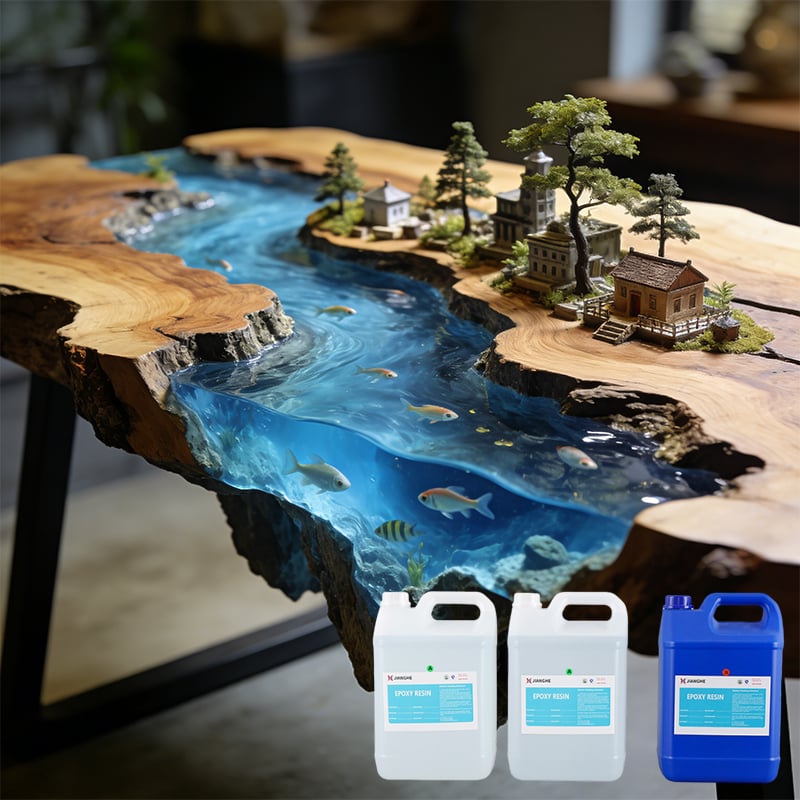
River table epoxy projects have become increasingly popular among woodworkers, furniture makers, and DIY enthusiasts seeking to create stunning, one-of-a-kind pieces. However, despite the apparent simplicity of pouring resin between wood slabs, river table epoxy projects frequently encounter significant challenges that lead to failure, wasted materials, and frustration. Understanding why these projects fail is essential for anyone considering this ambitious undertaking, as the causes often stem from preventable mistakes in preparation, material selection, and execution. The difference between a successful river table epoxy creation and a disappointing outcome typically comes down to knowledge, planning, and attention to detail throughout the entire process.
Many makers discover too late that river table epoxy requires far more technical precision than anticipated. The epoxy resin must be poured correctly, cured under proper conditions, and integrated seamlessly with the wood substrate to achieve a professional appearance. Common failure points include inadequate surface preparation, improper resin mixing ratios, temperature fluctuations during curing, and insufficient containment systems that allow epoxy to leak or cure unevenly. By examining the root causes of these failures, craftspeople can implement preventive strategies and significantly improve their chances of creating beautiful, durable river table epoxy pieces that showcase their woodworking skills.
Inadequate Wood Preparation and Substrate Issues
Surface Preparation Failures in River Table Epoxy Projects
One of the most common reasons river table epoxy projects fail is improper wood preparation. Many makers underestimate how thoroughly the wood surfaces must be cleaned and sealed before pouring river table epoxy. Dust, sawdust, oils, and contaminants on the wood surface prevent proper adhesion between the epoxy and the wood, creating weak bonding points that may delaminate or crack over time. Additionally, wood that has not been properly dried can contain excess moisture, which reacts negatively with epoxy resin and causes bubbling, cloudiness, and adhesion failure during the curing process of river table epoxy applications.
Mold and Containment System Deficiencies
The mold or dam system surrounding the wood pieces is critical to river table epoxy success, yet many projects suffer from poorly designed containment. If the mold is not sealed tightly or supported adequately, epoxy can leak out during pouring, wasting material and creating uneven surfaces. River table epoxy projects require rigid, watertight containment that can support the hydrostatic pressure of liquid resin without bowing or flexing. Makers often use inadequate caulking, weak backing boards, or poorly fitted molds that compromise the integrity of the final piece, resulting in failed river table epoxy casts that cannot be salvaged.
Resin Selection and Mixing Errors
Choosing the Wrong Type of Epoxy Resin
Not all epoxy resins are suitable for river table epoxy projects. Some epoxies are formulated for thin applications, while others work better for deep pours. River table epoxy applications typically require deep-pour or crystal-clear epoxy specifically designed for thick castings. Using standard epoxy that is not engineered for deep casting can result in excessive exothermic reactions, uncontrolled heat generation, and potential yellowing or discoloration that ruins the aesthetic appeal. Furthermore, the viscosity of the resin affects how well it flows and fills the gap between the wood slabs; incorrect viscosity leads to incomplete coverage, air pockets, and structural weaknesses in the finished river table epoxy product.
Mixing Ratio and Technique Mistakes
Accurate mixing is fundamental to successful river table epoxy outcomes. Many projects fail because makers do not adhere to precise mixing ratios specified by the manufacturer. Even small deviations in the epoxy-to-hardener ratio can affect curing time, cure quality, and final hardness. Additionally, improper mixing technique, such as not thoroughly blending the components or trapping excessive air during the mixing process, creates voids and weak spots within the river table epoxy. Some makers also rush the degassing process, which is essential for removing trapped air bubbles before pouring; skipping or abbreviating degassing is a primary cause of bubble-filled, visually compromised river table epoxy castings that look unprofessional and may be structurally flawed.
Temperature, Humidity, and Curing Environment Problems
Environmental Conditions During River Table Epoxy Curing
River table epoxy projects are highly sensitive to environmental factors during the curing process. Temperature fluctuations cause the epoxy to cure unevenly, leading to soft spots, premature hardening, or incomplete polymerization. Ambient temperatures below the recommended range slow curing dramatically, while temperatures above the ideal range accelerate exothermic reactions and can cause the epoxy to overheat, potentially cracking or yellowing the river table epoxy. Humidity levels also play a critical role; if moisture is present during curing, it becomes trapped within the epoxy, creating cloudiness, weak adhesion, or a hazy appearance that degrades the clarity of the finished river table epoxy piece.
Extended Curing Time and Temperature Monitoring Failures
Many river table epoxy projects fail because makers do not allow adequate curing time or do not maintain stable environmental conditions throughout the full cure cycle. Some resin systems require 24 hours or more to fully harden, and moving, sanding, or finishing the piece prematurely results in incomplete curing and permanent softness. Temperature swings during the night or across different days destabilize the molecular structure of the river table epoxy, creating stress points and potential failure zones. Makers who rush to demold, sand, or apply finish coats before the epoxy has fully cured often find that their river table epoxy projects become sticky, cloudy, or structurally compromised, requiring complete removal and restart of the entire river table epoxy casting process.
Design and Aesthetic Expectations Misalignment
Unrealistic Expectations for River Table Epoxy Clarity and Appearance
Many river table epoxy projects disappoint because makers have unrealistic expectations about what the finished product will look like. Achieving perfectly clear, bubble-free river table epoxy is challenging even for experienced professionals. Small air bubbles, trapped moisture, or minor discoloration can occur despite best efforts, and some wood species release tannins or oils that interact with epoxy and alter its appearance. When makers expect flawless results without understanding the limitations of epoxy chemistry and wood interaction, they perceive their river table epoxy as a failure even when it is structurally sound. Additionally, the visual appearance of river table epoxy changes slightly as it cures; what appears crystal clear during curing may develop a slight haze or color shift once fully hardened, surprising makers who did not anticipate these natural changes.
Structural Design and Load-Bearing Challenges
River table epoxy projects sometimes fail functionally rather than aesthetically. Makers may not account for the weight distribution of epoxy resin, which is denser than wood, affecting the balance and stability of the finished table. Without proper reinforcement or careful design, a river table epoxy piece may flex under load, causing cracks at stress points where the epoxy meets the wood. Additionally, the junction between the epoxy and wood experiences different rates of expansion and contraction due to temperature and humidity changes, potentially creating visible gaps or stress fractures over time. Poorly designed river table epoxy projects that do not account for these structural realities often become unstable or develop visible damage that makes them unsafe or unusable as furniture.
FAQ
What is the most common reason river table epoxy projects fail?
Inadequate wood preparation is the leading cause of river table epoxy failure. When wood surfaces are not thoroughly cleaned, sanded, and sealed before pouring epoxy, the resin cannot bond properly to the substrate, leading to delamination, weak adhesion, and ultimately a compromised or failed river table epoxy project. Additionally, moisture in the wood and contaminants on the surface interfere with the curing process of the river table epoxy, creating bubbles, cloudiness, and structural weaknesses that make the finished piece unsuitable.
How long should river table epoxy cure before sanding or handling?
River table epoxy typically requires at least 24 hours of curing time before any handling, and many professional-grade epoxy systems recommend 48 to 72 hours of full curing before sanding or finishing. The exact cure time depends on the specific epoxy formulation, ambient temperature, and humidity levels. Rushing the curing process or moving the project prematurely is a major cause of failed river table epoxy outcomes, as incomplete polymerization leaves the epoxy soft, sticky, or prone to damage. Always follow the manufacturer's specifications for your chosen epoxy product and allow extra time if the ambient temperature is cool.
Can river table epoxy projects be repaired if they fail?
Some river table epoxy failures can be addressed, but the solution depends on the nature and extent of the damage. Minor surface blemishes, small bubbles, or slight discoloration may be sanded out or polished away, though this requires careful technique to avoid damaging the underlying wood. However, major failures such as incomplete curing, significant delamination, or structural cracks in the river table epoxy are typically irreversible and require complete removal of the failed epoxy and recasting of the entire river table epoxy section. Prevention through proper technique, material selection, and environmental control is far more effective and cost-efficient than attempting to repair a failed river table epoxy project.