
 EN
EN
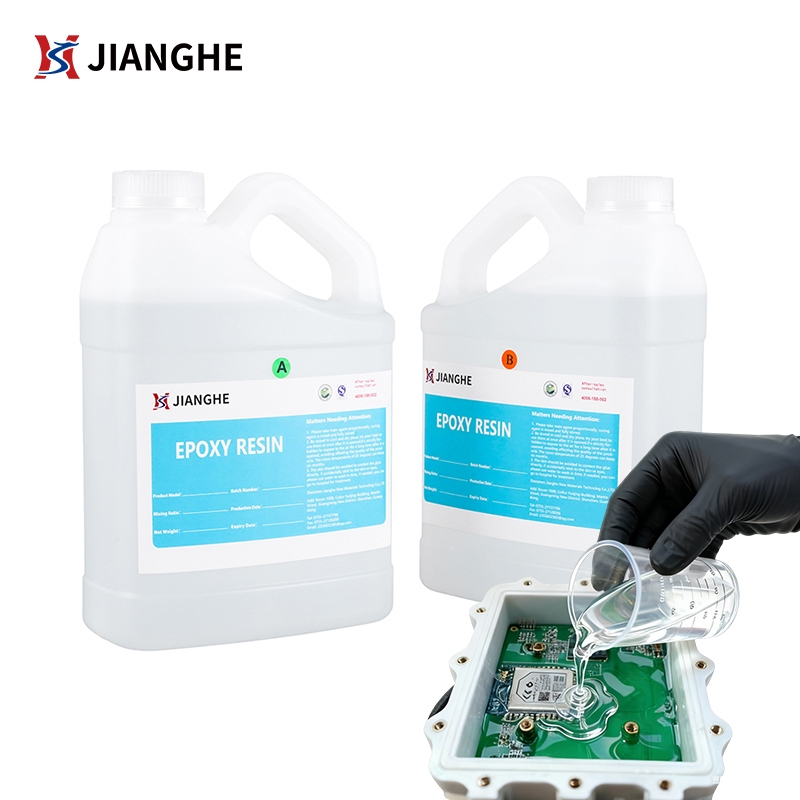
Electronic components face constant mechanical and thermal stress during operation and throughout their service life. Vibration, shock, temperature fluctuations, and physical pressure all threaten the integrity of delicate circuits and connections. A potting compound provides essential protection by encapsulating sensitive assemblies within a protective matrix, but not all potting compounds perform equally. The flexibility of a potting compound determines how effectively it absorbs stress, accommodates movement, and maintains reliable component function under demanding conditions. Understanding how potting compound flexibility benefits electronic components helps engineers select materials that enhance reliability, extend equipment lifespan, and reduce costly failures in the field.
Rigid encapsulation materials may seem protective initially, but their inability to flex with component movement creates internal stress concentrations that ultimately lead to cracking, delamination, and premature failure. A flexible potting compound adapts to thermal expansion and contraction cycles, accommodating the natural movement of circuit boards, component leads, and interconnections. This adaptive characteristic transforms the potting compound into an active stress management system rather than simply a passive barrier, ensuring that components survive real-world operating conditions and extend their operational reliability across thousands of thermal cycles.
Stress Relief Through Flexibility in Potting Compound Materials
Understanding Thermal Stress and Component Movement
Electronic components and their mounting substrates expand and contract at different rates when exposed to temperature changes. A rigid potting compound cannot accommodate these differential movements, creating internal shear forces that accumulate with each thermal cycle. Over time, this mechanical stress initiates micro-cracks at solder joints, component leads, and the interface between the potting compound and the circuit board. A flexible potting compound absorbs these differential movements without creating harmful stress concentrations. The elastic nature of the material allows it to deform slightly during thermal cycling, distributing stress evenly throughout the encapsulation rather than concentrating it at single points of failure. This stress distribution mechanism is fundamental to understanding why potting compound flexibility delivers superior protection compared to rigid alternatives.
Impact on Circuit Board Reliability
Circuit boards experience significant mechanical stress from thermal cycling, vibration during transport and operation, and mechanical shock from impacts or drops. Without flexible protection, components mounted on the board transfer these forces directly to solder joints and component leads, initiating fatigue cracks and eventual electrical discontinuity. When a flexible potting compound surrounds these assemblies, it acts as a mechanical damper that absorbs vibrational energy and distributes shock loads across a larger area. The potting compound flexibility allows the entire assembly to move as a cohesive system rather than forcing individual components to absorb localized stress. This integrated protective approach significantly extends the service life of circuit boards in harsh industrial environments, automotive applications, and aerospace systems where thermal and mechanical stress are constant factors.
Vibration Damping and Shock Absorption Capabilities
How Flexible Encapsulation Reduces Vibration Transmission
Industrial equipment, vehicles, and field devices generate continuous vibration during normal operation. These vibrations transmit directly to mounted electronic components unless the potting compound provides damping characteristics. A rigid potting compound offers minimal vibration damping because it simply transfers vibration directly to the encapsulated assembly. In contrast, a flexible potting compound with appropriate elastic properties absorbs vibration energy and dissipates it harmlessly throughout the material matrix. The potting compound flexibility acts as a mechanical filter that prevents high-frequency vibrations from reaching sensitive components. This damping effect is especially critical in automotive electronics, industrial drives, and power conversion equipment where vibration-induced component failure represents a significant reliability risk and source of costly downtime.
Shock Load Protection and Physical Resilience
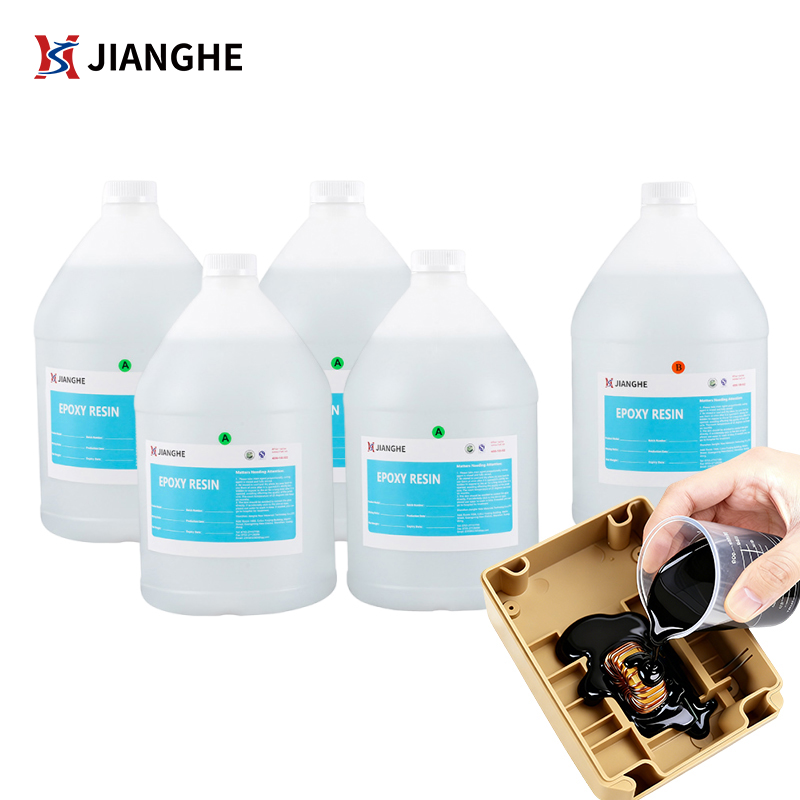
Electronic equipment must withstand mechanical shocks from drops, impacts, and sudden acceleration events without experiencing component failure. A rigid potting compound transmits shock loads directly to components, potentially causing solder joint fractures, component lead breakage, or internal component damage. A flexible potting compound compresses slightly during shock events, extending the duration of impact load application across a longer time interval. This load distribution mechanism significantly reduces peak stress values experienced by components and solder joints. The potting compound flexibility essentially converts a sudden, high-force impact into a more gradual, lower-peak-stress event that components can withstand without damage. Equipment designed with flexible potting compound protection demonstrates measurably better survival rates following drop tests, vibration testing, and mechanical shock scenarios compared to equipment protected by rigid encapsulation materials.
Long-Term Reliability and Service Life Extension
Thermal Cycling Endurance and Component Longevity
Thermal cycling from operating temperature swings to ambient conditions occurs thousands of times during component service life. Each cycle creates expansion and contraction forces that contribute to fatigue crack initiation and propagation in solder joints and component leads. A rigid potting compound cannot accommodate these movements, causing stress accumulation with each thermal cycle until failure occurs after relatively few cycles. A flexible potting compound accommodates thermal expansion and contraction, resetting stress levels after each cycle and preventing fatigue crack accumulation. This mechanism allows equipment with flexible potting compound protection to survive significantly more thermal cycles than equipment using rigid materials. Industrial applications that endure continuous thermal cycling, such as geothermal instruments, deep-sea electronics, and high-altitude aviation systems, depend critically on potting compound flexibility to maintain component integrity and system reliability over extended service periods.
Environmental Stress Factor Mitigation
Real-world electronic equipment operates in environments with combined thermal, mechanical, and moisture stress factors. The potting compound must provide protection against all these hazards simultaneously while accommodating natural material movements. A flexible potting compound maintains adhesion to component surfaces and circuit board substrates while flexing internally, preventing moisture infiltration along internal crack paths. The material remains compliant even at temperature extremes, maintaining protective contact rather than separating and creating voids. The potting compound flexibility also accommodates repeated mechanical stress from equipment operation without developing the fatigue cracks that would eventually expose internal components to environmental contamination. This comprehensive stress management capability makes flexible potting compound the preferred encapsulation choice for outdoor equipment, marine electronics, and systems operating in extreme temperature ranges where component exposure to environmental hazards poses significant reliability risks.
FAQ
What makes potting compound flexibility different from standard encapsulation materials?
Standard rigid encapsulation materials provide physical protection but cannot accommodate thermal expansion, vibration, or mechanical shock without concentrating internal stress. Potting compound with superior flexibility absorbs these stresses elastically, distributing forces throughout the material rather than creating localized failure points. Flexible potting compound maintains protective contact with components even during thermal cycling and vibration, preventing the crack initiation and propagation that plague rigid alternatives. This active stress management capability fundamentally transforms how potting compound protects electronic assemblies from real-world mechanical and thermal hazards.
How does potting compound flexibility improve thermal cycling performance?
Thermal cycling causes components and substrates to expand and contract at different rates, creating internal shear stress. A potting compound without adequate flexibility forces components to bear this stress, initiating micro-cracks in solder joints that grow with each thermal cycle. Flexible potting compound accommodates differential expansion by deforming slightly with the component movements, preventing stress accumulation. This accommodation mechanism allows the potting compound to reset stress levels after each thermal cycle, extending component survival from dozens of cycles to thousands of cycles, which directly translates to years of reliable equipment operation.
What industries benefit most from potting compound flexibility technology?
Automotive electronics, industrial control systems, aerospace components, and marine electronics all depend on potting compound flexibility for survival in harsh operating environments. Any application involving thermal cycling, vibration, mechanical shock, or extreme temperature exposure benefits from flexible potting compound protection. Medical devices, geothermal instruments, power electronics, and downhole tools represent additional sectors where potting compound flexibility determines whether equipment achieves design-life reliability or fails prematurely. The common factor across all these applications is exposure to combined environmental stresses that demand adaptive material properties rather than static protection.