
 EN
EN
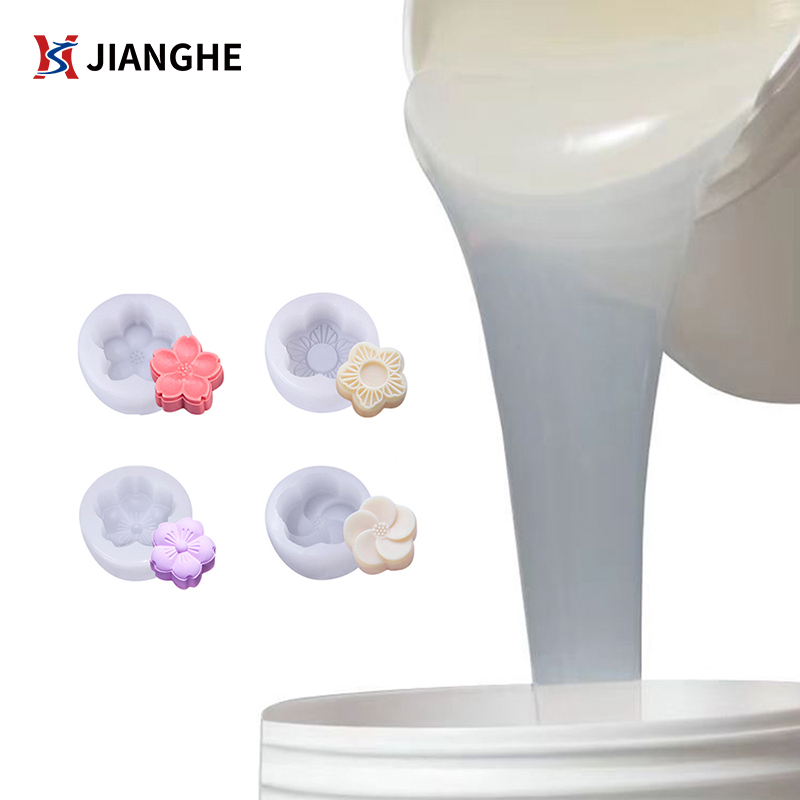
The evolution of mold making silicone has fundamentally reshaped how manufacturers approach prototype development, production tooling, and specialized casting applications across countless industries. Modern mold making silicone formulations now deliver unprecedented precision, durability, and ease of use compared to traditional materials. Understanding the trends influencing mold making silicone applications today is essential for any manufacturing professional seeking competitive advantage and improved product quality.
As industries demand faster turnaround times and higher fidelity molds, mold making silicone continues to evolve with improved cure times, superior surface finishes, and expanded chemical compatibility. The shift toward sustainability, automation integration, and performance optimization defines the current landscape of mold making silicone innovation. These trends reflect broader manufacturing priorities while addressing specific technical challenges that production teams face daily.
Advanced Formulation and Performance Enhancement
Precision and Surface Quality Improvements
Modern mold making silicone formulations prioritize exceptional surface reproduction, enabling manufacturers to capture intricate details without secondary processing. Advanced mold making silicone chemistry now achieves ultra-fine surface finishes that directly reduce post-casting cleanup and part finishing costs. The trend toward platinum-catalyzed systems over tin-based alternatives reflects industry demand for superior dimensional stability and longer shelf life in mold making silicone products. These enhancements mean that mold making silicone can now produce molds suitable for high-volume production runs while maintaining consistent quality across thousands of replicated parts.
Cure Speed and Processing Efficiency
Rapid-setting mold making silicone formulations have become increasingly popular as manufacturers seek to accelerate project timelines without compromising mold integrity. Next-generation mold making silicone systems now achieve full cure in hours rather than days, reducing overall project duration and allowing faster iteration cycles. Extended demold times paired with faster handling make modern mold making silicone ideal for time-critical applications in automotive, aerospace, and consumer product industries. This processing efficiency trend in mold making silicone directly impacts production economics and competitive positioning for manufacturing operations.
Sustainability and Environmental Responsibility
Reduced Volatile Organic Compound Emissions
The mold making silicone industry increasingly emphasizes low-VOC and solvent-free formulations in response to stricter environmental regulations and workplace safety requirements. Modern mold making silicone products now meet stringent emissions standards while maintaining performance characteristics that technicians demand. This sustainability trend in mold making silicone reflects growing corporate responsibility commitments and the financial benefits of reduced ventilation costs and regulatory compliance burdens. Manufacturers choosing eco-conscious mold making silicone solutions strengthen their supply chain resilience while improving employee safety profiles and facility air quality.
Sustainable Raw Material Sourcing
Progressive suppliers of mold making silicone now emphasize transparent sourcing practices and reduced environmental footprints throughout the production chain. The trend toward ethically sourced and responsibly manufactured mold making silicone aligns with corporate sustainability initiatives and customer expectation shifts. Manufacturers investing in premium-grade mold making silicone from committed suppliers often benefit from improved supply chain stability and alignment with their own environmental objectives. This market trend demonstrates how mold making silicone manufacturers respond to both regulatory pressure and genuine customer demand for responsible production practices.
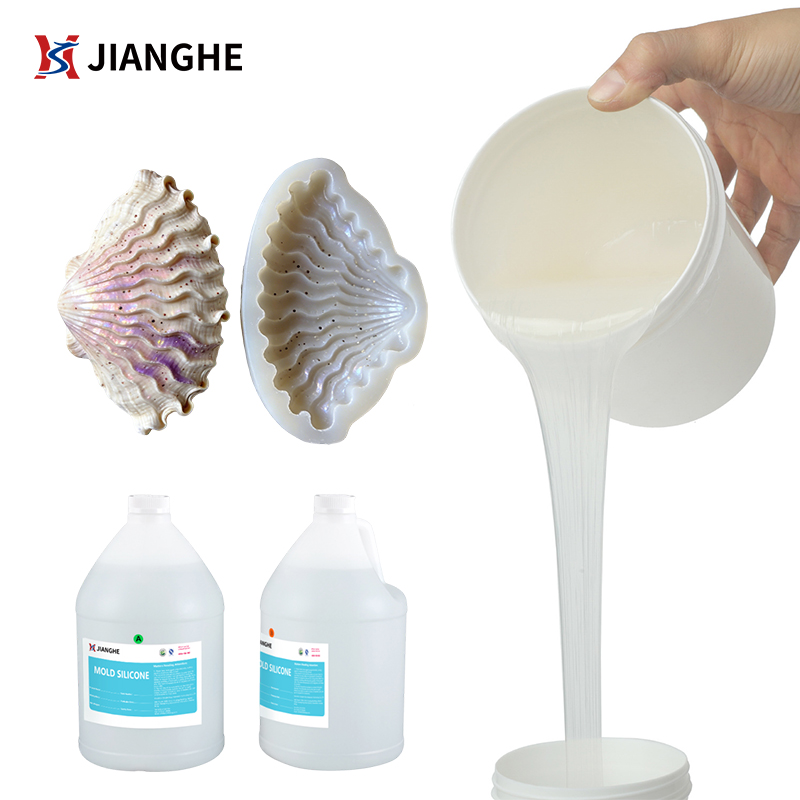
Industry-Specific Applications and Market Expansion
Specialized Mold Making Silicone for Advanced Materials
Contemporary mold making silicone formulations now accommodate the expanding range of advanced materials used in aerospace, medical device, and high-performance composite manufacturing. Specialized mold making silicone chemistry enables successful molding of temperature-sensitive polymers, bio-resins, and engineered elastomers that previous generations of materials could not support. This trend reflects growing technological sophistication in end-use applications and the critical role that mold making silicone plays in enabling innovation across sectors. Industries pushing material boundaries depend increasingly on mold making silicone systems specifically engineered for their unique casting challenges.
Integration with Digital Manufacturing and Automation
The convergence of mold making silicone with digital design tools, robotic dispensing systems, and automated quality control marks a significant trend in modern manufacturing operations. Advanced mold making silicone products now feature properties optimized for automated mixing and pouring, reducing human error and improving consistency across production batches. Digital integration with mold making silicone selection and formulation choice helps manufacturers optimize performance parameters before physical production begins. This trend toward automated workflow integration means that mold making silicone selection now factors into broader digital transformation initiatives within manufacturing facilities.
Key Market Drivers and Future Outlook
Cost Efficiency and Value Optimization
Despite premium pricing for advanced formulations, modern mold making silicone delivers superior cost-per-use value through extended mold life, reduced scrap rates, and faster production cycles. Manufacturers evaluating mold making silicone investments increasingly measure return on investment through total lifecycle costs rather than material price alone. The trend toward performance-based purchasing decisions reflects mature understanding of mold making silicone economics and supply chain optimization. Organizations that strategically select mold making silicone based on application requirements consistently outperform those using generic commodity-grade materials across production metrics.
Regulatory Compliance and Quality Assurance
Evolving industry standards and regulatory requirements shape how manufacturers specify mold making silicone and validate supplier quality assurance programs. Modern mold making silicone suppliers must demonstrate certifications, batch testing documentation, and compliance with ISO standards and application-specific requirements. This regulatory trend in mold making silicone procurement creates competitive advantages for suppliers maintaining rigorous quality control and transparent documentation practices. Organizations source mold making silicone from verified suppliers to ensure product consistency, regulatory alignment, and reduced risk of production disruptions.
FAQ
What makes platinum-catalyzed mold making silicone superior to tin-based alternatives?
Platinum-catalyzed mold making silicone offers significantly longer shelf life, better dimensional stability, and superior resistance to inhibition from contaminating materials compared to tin-catalyzed formulations. The mold making silicone chemistry behind platinum catalysis produces fewer byproducts and maintains consistent cure characteristics across temperature ranges, making it ideal for demanding production environments. Organizations using platinum-catalyzed mold making silicone typically experience fewer batch rejections and more predictable mold performance throughout their production runs.
How do rapid-cure formulations of mold making silicone affect overall production timelines?
Rapid-cure mold making silicone can reduce total project duration by days through faster demolding and immediate mold usability, directly accelerating prototype development and production tooling cycles. Modern mold making silicone fast-set systems maintain all performance characteristics while compressing the waiting period between mold creation and initial casting, enabling faster iteration and market responsiveness. Companies integrating rapid-cure mold making silicone into their workflows report significant competitive advantages through faster time-to-market and improved development flexibility.
Are eco-friendly mold making silicone products as effective as traditional formulations?
Contemporary eco-friendly mold making silicone formulations match or exceed traditional product performance while eliminating VOC emissions and reducing environmental impact, making them genuinely viable for production use. Modern mold making silicone development has proven that sustainability and performance are compatible objectives rather than competing demands in material science. Manufacturers switching to environmentally responsible mold making silicone products consistently report equivalent or improved results alongside enhanced workplace safety and regulatory compliance benefits.