
 EN
EN
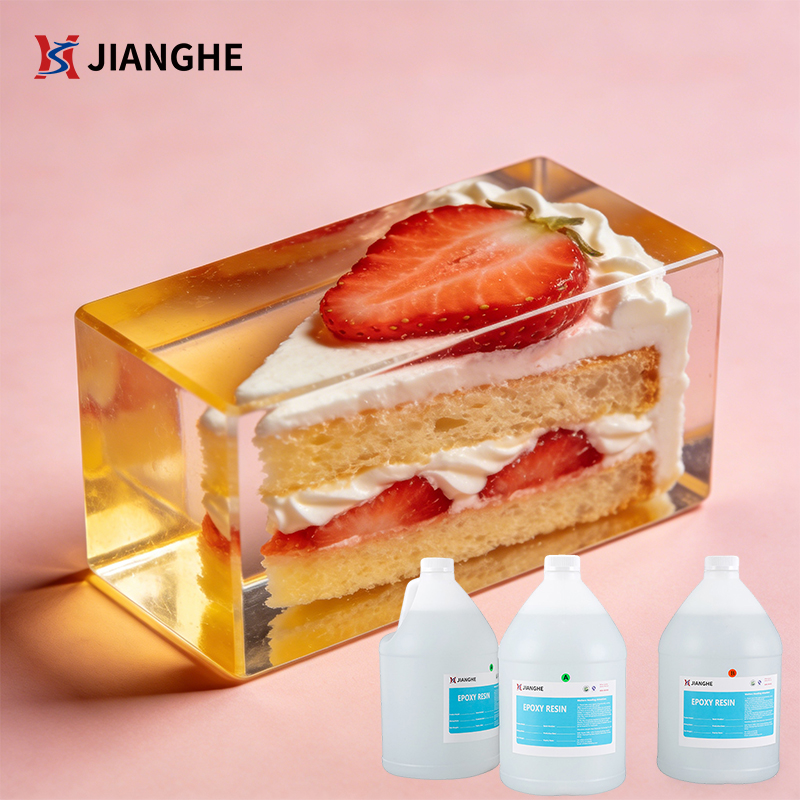
Casting resin has become essential in modern manufacturing, directly shaping the quality of finished products across industries. From decorative items to industrial components, casting resin delivers superior surface finishes, dimensional accuracy, and material consistency that elevate overall product performance. Understanding how casting resin improves product quality reveals why manufacturers increasingly rely on this material for precision work. The relationship between casting resin selection and final product excellence is direct and measurable, affecting both aesthetic appeal and functional durability in ways that customers immediately notice and value.
The role of casting resin extends beyond basic material selection. Casting resin chemistry, curing behavior, and processing characteristics fundamentally influence how finished products perform, look, and age over time. Manufacturers who optimize their casting resin application consistently achieve better market positioning, fewer returns, and stronger customer loyalty. This article explores the specific mechanisms through which casting resin improves product quality, demonstrating why material science investment directly translates to competitive advantage in manufacturing.
How Casting Resin Enhances Surface Finish and Aesthetic Quality
Superior Clarity and Light Transmission
Casting resin provides exceptional optical clarity that directly improves visual product quality. When formulated correctly, casting resin achieves transparency levels that make decorative products, signage, and protective casings visually superior to alternatives. The molecular structure of quality casting resin minimizes internal bubbles and light scattering, resulting in products that appear more premium and refined. Customers evaluate product quality partly through visual inspection, and casting resin delivers the polish and clarity that create immediate positive impressions. Advanced casting resin formulations can achieve crystal-clear finishes that rival glass while remaining lighter, more durable, and easier to mold into complex shapes.
Uniform Color Consistency and Pigmentation
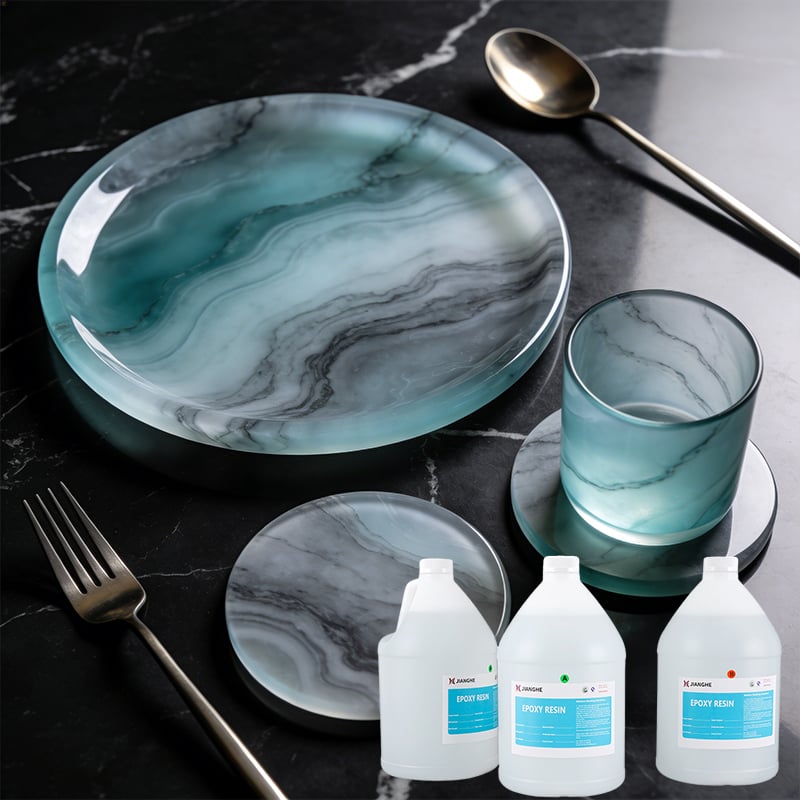
Casting resin accepts pigments and dyes uniformly, enabling manufacturers to achieve consistent color throughout production batches. This consistency matters because customers notice color variations immediately, and batch-to-batch uniformity signals professional manufacturing. Quality casting resin distributes pigments evenly, preventing settling, streaking, or color fade that compromises product appearance. The stability of casting resin under pigment loads ensures that colored products maintain their aesthetic qualities across different lighting conditions and throughout their service life. Manufacturers using premium casting resin report fewer color-related complaints and higher customer satisfaction scores.
Dimensional Accuracy and Structural Integrity Through Casting Resin
Minimizing Shrinkage and Warping
One critical advantage of advanced casting resin formulations is reduced shrinkage during curing. Conventional casting resin materials often shrink between 5 and 8 percent, causing dimensional inaccuracy and parts that fail tolerance requirements. Modern casting resin chemistry addresses this through specialty additives and optimized cross-link density, reducing shrinkage to 1 to 2 percent. Lower shrinkage directly means finished products maintain specified dimensions, fit together properly, and perform intended functions without dimensional issues. For manufacturers producing assemblies or replacement components, casting resin shrinkage control is the difference between acceptable and rejected parts. Parts molded from quality casting resin require minimal post-processing, reducing labor costs and improving production efficiency simultaneously.
Strength and Impact Resistance Properties
Casting resin formulations specifically engineered for strength deliver superior impact resistance compared to standard materials. The cross-linking density within casting resin directly determines how well finished products resist breaking, cracking, or deforming under stress. Products cast from high-performance casting resin exhibit higher tensile strength, flexural strength, and impact toughness, making them more durable in real-world applications. Manufacturers choosing casting resin for structural components report fewer warranty claims and field failures. The durability advantage of quality casting resin means customer satisfaction extends well beyond the initial purchase, supporting brand reputation and repeat business.
Long-Term Performance and Environmental Resistance of Casting Resin
UV Stability and Color Retention
Outdoor exposure presents a major challenge for product durability, and casting resin formulated with UV absorbers and stabilizers maintains quality far longer than untreated alternatives. Premium casting resin resists yellowing, chalking, and color fade when exposed to sunlight, keeping finished products looking new over extended periods. This UV resistance is particularly important for outdoor applications, signage, and products subjected to frequent light exposure. Manufacturers who specify UV-stable casting resin deliver products that maintain their aesthetic appeal and functional performance throughout their intended lifespan. The long-term stability of quality casting resin directly correlates with customer satisfaction and reduces replacement rates for sun-exposed applications.
Chemical Resistance and Environmental Durability
Advanced casting resin formulations exhibit excellent resistance to oils, solvents, water, and harsh chemicals, protecting product integrity in demanding environments. Products cast from chemical-resistant casting resin maintain their properties when exposed to automotive fluids, industrial solvents, marine environments, or cleaning compounds. This chemical stability means finished products perform reliably in harsh conditions without degradation, staining, or structural compromise. Manufacturers producing components for automotive, marine, or industrial applications depend on casting resin's resistance profile to ensure products meet performance specifications. The environmental durability of casting resin directly reduces field failures and maintains product performance expectations throughout the service life.
FAQ
What specific properties make casting resin improve finished product quality?
Casting resin improves product quality through multiple properties including superior clarity, reduced shrinkage, enhanced strength, and excellent UV and chemical resistance. The combination of optical transparency, dimensional stability, and environmental durability means finished products maintain both aesthetic appeal and functional performance. Quality casting resin formulations also provide uniform color distribution, rapid curing times, and ease of molding into complex shapes, enabling manufacturers to produce consistently excellent results across production runs.
How does casting resin affect manufacturing efficiency and cost?
Using premium casting resin reduces post-processing requirements because parts mold accurately with minimal shrinkage and require less finishing work. Lower defect rates from superior casting resin quality mean fewer rejected parts and reduced material waste. The combination of faster curing times, better dimensional accuracy, and improved surface finish from quality casting resin directly lowers labor costs and increases production throughput, making it economically advantageous despite potentially higher material costs.
Can casting resin be used for both aesthetic and structural applications?
Yes, casting resin serves both purposes effectively because different formulations address specific requirements. Aesthetic-grade casting resin prioritizes clarity, color consistency, and surface finish for decorative products, while structural-grade casting resin emphasizes strength, impact resistance, and dimensional stability for functional components. Many manufacturers benefit from using specialized casting resin formulations that excel in their specific application, whether creating visually stunning decorative pieces or durable industrial parts that must withstand demanding conditions.