
 EN
EN
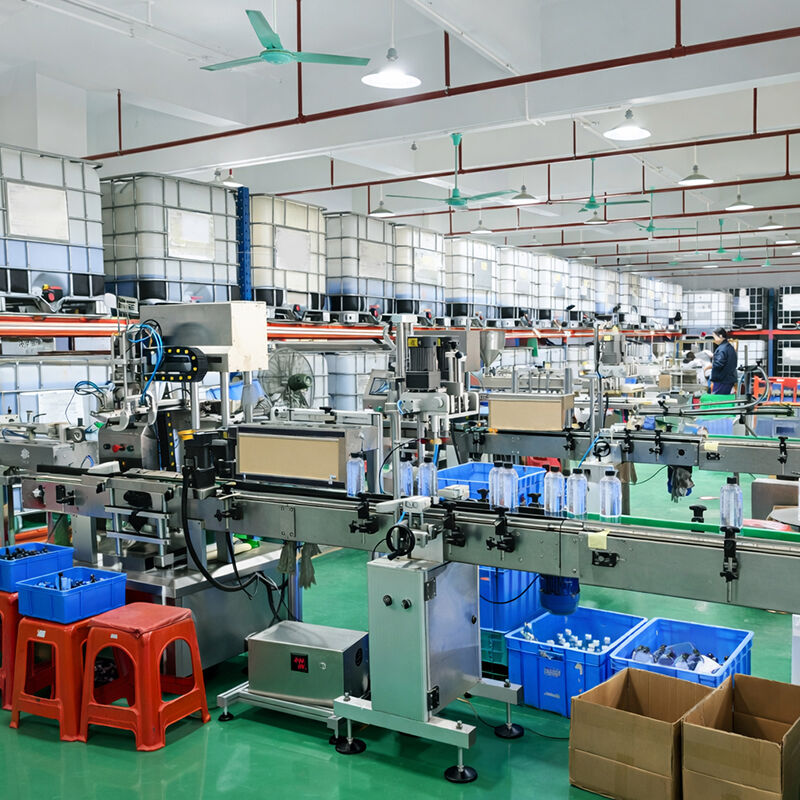
Beyond the Brochure: What Defines True Technical Capability?
In the specialized world of industrial materials, the choice of a resin supplier is a strategic decision that can define a product's quality, consistency, and long-term success. For buyers, navigating the market to find a partner with genuine technical strength goes far beyond reviewing marketing materials or comparing price lists. True capability lies in a manufacturer's ability to control complex chemistry, ensure repeatable results, and adapt to unique challenges. Evaluating this requires a discerning eye and a clear understanding of what to look for in a potential partner. This guide will walk you through the critical areas to assess, helping you make a confident, informed decision.
Assessing R&D Depth and Customization Capabilities
A manufacturer's commitment to research and development is the clearest indicator of its technical prowess. A supplier that merely replicates standard formulas offers limited value. Look for a partner that demonstrates an ability to innovate and tailor solutions. This involves asking pointed questions: Can they adjust a formulation to achieve a specific hardness, viscosity, or cure time? Do they have the in-house expertise to optimize a product for your unique production environment? A manufacturer with strong technical strength will not just sell you a product; they will collaborate with you. This is exemplified by services such as Formula & Performance Customization, where parameters are fine-tuned to fit your exact process, and Appearance & Packaging Customization, which shows a holistic understanding that the material must also meet market identity needs. This level of service indicates a deep mastery of polymer chemistry and a flexible production setup.
The Importance of Consistent Quality and Supply Chain Control
Technical strength is meaningless without the ability to deliver consistent quality at scale. For any buyer, especially manufacturers and distributors, supply chain stability is non-negotiable. A truly capable supplier operates with full control over their raw materials and production processes to ensure every batch performs identically. This consistency is the bedrock of efficient manufacturing. You should evaluate a potential partner's track record for on-time delivery and their capacity to handle bulk orders without compromising quality. A supplier that offers Stable Supply & Competitive Pricing for bulk purchasing demonstrates that they have the production capacity and logistical control to be a reliable long-term partner, capable of growing with your business.
Certifications, Compliance, and Quality Assurance
In an increasingly regulated global market, a manufacturer's ability to navigate compliance is a direct measure of their technical and operational sophistication. A technically strong manufacturer will proactively ensure their products meet international standards. This goes beyond having a single certification; it involves a comprehensive approach to quality assurance that is embedded in their culture. When evaluating a supplier, inquire about their testing protocols and their ability to provide the necessary documentation for your target markets. A partner that offers robust Certification & Compliance Support can guide you through this complex landscape, providing the certification guidance and compliance documentation needed to build trust with your own customers and speed up international deals. This capability protects your business from regulatory risks and signals a manufacturer operating at a world-class level.
Evaluating the Product Portfolio and Application Knowledge
The breadth and specialization of a manufacturer's product portfolio offer valuable insights into their technical expertise. A company producing a wide range of materials—from high-performance epoxy and fast-curing UV resins to flexible silicones and color pastes—demonstrates a versatile understanding of polymer science. More important than the list itself is their application knowledge. Can they advise you on the right material for your specific need, whether it's for industrial production, a creative studio project, or a retail kit? A technically strong partner will understand the nuances of different curing mechanisms and material properties. For instance, they can expertly guide a factory on the best reliable raw materials for efficient production or help a retailer develop a private label, ready-to-sell kit. This ability to bridge the gap between complex chemistry and real-world applications is a hallmark of a leader in the field.
Why Partnership Model Matters: From Supplier to Solution Provider
Ultimately, the strongest indicator of a manufacturer's technical strength is their willingness and ability to act as a true solution provider rather than just a raw material seller. This partnership model is evident in how they engage with different types of clients. Do they offer tailored solutions for manufacturers, distributors, and small studios alike? A company that provides OEM/ODM Customization Services is demonstrating a commitment to being a strategic partner. They are investing in your success by turning their expertise into your competitive edge, whether through integrated kits, white-label branding, or complete solution integration. Choosing a partner like Shenzhen Jianghe, which positions itself to collaborate across the value chain—from formula fine-tuning to market-ready products—ensures you are not just buying a material, but gaining access to a deep well of technical knowledge and manufacturing excellence that will drive your projects forward.
FAQ
What is the single most important question to ask a potential resin supplier?
While many questions are important, asking "Can you customize this formulation for my specific application, and what does that process look like?" cuts to the heart of their technical capability. It forces them to demonstrate their R&D process, flexibility, and willingness to partner.
How can I verify a manufacturer's quality control claims?
Request documentation of their quality management system (like ISO certifications), ask for batch-to-batch consistency data, and inquire about their raw material sourcing and testing protocols. A site visit or virtual tour can also provide valuable insights into their operations.
Why is compliance support considered part of technical strength?
Navigating global chemical regulations (like REACH, RoHS) requires deep technical knowledge of a product's composition and its interaction with various legal frameworks. A manufacturer that can provide this support demonstrates a sophisticated understanding of their own chemistry and the markets they serve.
Should I prioritize a wide product range or deep expertise in one area?
Ideally, you want both. A supplier with a broad portfolio demonstrates versatile chemical knowledge, but true value comes from deep, specialized expertise in the specific material family relevant to you—whether that's epoxy, silicone, or UV resin. The key is finding a partner with the right application knowledge for your needs.