
 EN
EN
Outdoor pathways face constant environmental challenges, and drainage performance directly impacts their longevity and safety. When selecting materials for gravel-based surfaces, understanding how epoxy resin influences water flow becomes essential for property owners and landscape designers. The choice of binding material can either enhance or compromise drainage efficiency, affecting everything from surface stability to long-term maintenance requirements. This article explores the critical relationship between epoxy resin application and drainage performance in outdoor pathways.
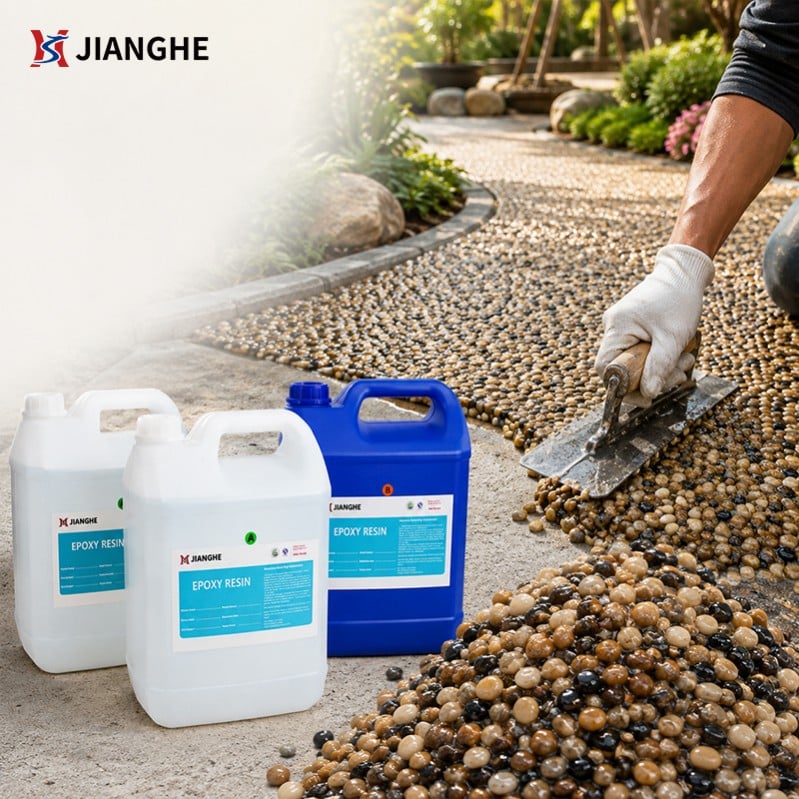
The drainage behavior of epoxy resin in gravel pathways depends on several factors, including resin formulation, application thickness, and aggregate composition. Clear casting resin used in these applications must balance aesthetic clarity with functional water permeability. Understanding these dynamics helps professionals make informed decisions about material selection and installation methods for outdoor surfaces that require both visual appeal and reliable drainage characteristics.
How Epoxy Resin Affects Water Permeability
Resin Density and Permeability Relationship
Clear epoxy resin creates a protective binding layer over gravel and aggregate materials. The density and composition of this clear casting resin layer directly determine how water passes through the pathway surface. A properly formulated clear epoxy resin maintains microscopic permeability that allows water infiltration while providing structural integrity. The molecular structure of quality casting resin products permits water molecules to migrate through micro-gaps, preventing standing water accumulation on the surface. Anti-yellowing resin formulations maintain these drainage properties over extended periods without degrading UV resistance.
Thickness Considerations and Water Flow
The application thickness of epoxy resin significantly influences drainage rates in outdoor pathways. Thin applications allow better water penetration, while excessive thickness can impede natural drainage patterns. Professionals must balance aesthetic coating requirements with functional drainage needs when specifying casting resin depth. A clear casting resin layer between 2 and 4 millimeters typically maintains adequate water permeability while protecting underlying aggregates. Anti-yellowing resin formulations at optimal thickness preserve both visual clarity and drainage functionality throughout multiple seasons.
Drainage Performance Under Different Weather Conditions
Heavy Rainfall and Surface Runoff
During intense rainfall events, the drainage characteristics of epoxy resin-bound pathways become critically apparent. Clear epoxy resin with proper permeability allows water to flow through the surface layer rather than creating pools. Quality casting resin maintains its water-permeable structure even under precipitation pressure, directing moisture downward through the gravel base. Anti-yellowing resin specifications ensure that drainage performance remains consistent regardless of UV exposure or seasonal weathering. The combination of clear casting resin and well-draining base materials creates pathways that shed water effectively while preventing erosion and subsurface saturation.
Freeze-Thaw Cycles and Drainage Integrity
Colder climates present unique challenges for epoxy resin drainage performance in outdoor pathways. Freeze-thaw cycles can compromise water permeability if the casting resin lacks proper flexibility and micro-gap structure. High-quality clear epoxy resin formulated for outdoor use maintains its drainage characteristics through temperature fluctuations. Anti-yellowing resin products designed for northern climates resist brittleness and micro-cracking that would impede water flow. The integrity of drainage pathways depends on selecting clear casting resin that remains resilient across temperature ranges while maintaining its permeable structure.
Optimizing Drainage With Proper Resin Selection
Material Specifications for Maximum Permeability
Selecting the right casting resin formulation requires understanding specific drainage requirements for each pathway project. Clear epoxy resin products marketed as 'UV-stable' or 'anti-yellowing resin' often incorporate additives that maintain permeability over time. The best clear casting resin options include micro-aggregate additives that create intentional void spaces within the cured layer, promoting water infiltration. These anti-yellowing resin systems preserve both aesthetic clarity and functional drainage without sacrificing protective properties. Material testing and specification sheets should explicitly confirm water permeability rates measured in millimeters per hour to ensure adequate drainage performance.
Installation Practices That Support Drainage
Proper application techniques directly impact how epoxy resin performs in drainage scenarios. Clear casting resin must be applied over adequately prepared, well-draining gravel bases to maximize overall pathway drainage. The base layer composition, resin thickness, and surface slope all work together to optimize water flow through epoxy resin-bound pathways. Using quality clear epoxy resin with appropriate hardeners ensures consistent cure characteristics that maintain permeability. Anti-yellowing resin formulations applied with correct mixing ratios and cure times establish the drainage foundation needed for long-term outdoor performance.
FAQ
Does epoxy resin completely block drainage in pathways?
No, properly formulated clear epoxy resin does not completely block drainage. Quality casting resin products maintain microscopic permeability that allows water to flow through the surface layer. Clear casting resin with anti-yellowing properties specifically balances protective coating benefits with functional water infiltration. Poor-quality formulations or improper application may create water-resistant surfaces, but standard clear epoxy resin designed for outdoor applications permits adequate drainage.
What drainage rate should outdoor epoxy resin pathways achieve?
Outdoor epoxy resin pathways should achieve drainage rates between 30 and 100 millimeters per hour depending on climate and application requirements. Clear casting resin formulations tested to industry standards provide documented permeability specifications. Anti-yellowing resin products maintain these drainage rates throughout their lifespan without degradation from UV exposure. Specific drainage requirements should be confirmed with material specifications and site-specific engineering assessments before installation begins.
Can anti-yellowing resin improve overall pathway drainage performance?
Anti-yellowing resin formulations maintain drainage performance by preserving the material's chemical structure and micro-permeability over extended outdoor exposure. Clear epoxy resin enhanced with UV stabilizers and anti-yellowing additives resists the micro-cracking and brittleness that would impede water flow. Quality casting resin with these protective additives delivers consistent drainage characteristics across multiple seasons and weather events. Choosing clear casting resin specifically formulated with anti-yellowing properties ensures that drainage functionality remains stable throughout the pathway's serviceable life.