
 EN
EN
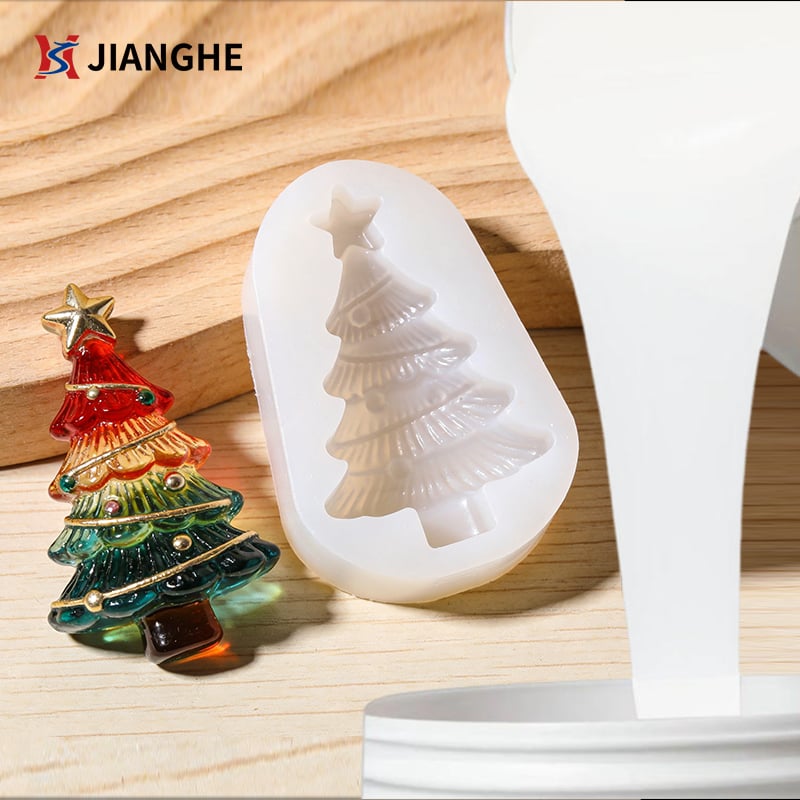
Прецизното производство изисква материали, които могат да възпроизведат сложни детайли, като при това остават надеждни и икономични. Производство на форми от течен силиконен каучук се е наложил като златен стандарт за индустриите, които изискват точна размерна точност и възпроизводимост на сложна геометрия. Независимо дали произвеждате персонализирани компоненти, прототипи или малки серийни партиди, разбирането на това защо изработването на форми от течен силиконов каучук дава превъзходни резултати е от съществено значение за оптимизиране на вашия производствен процес и намаляване на отпадъците от материали.
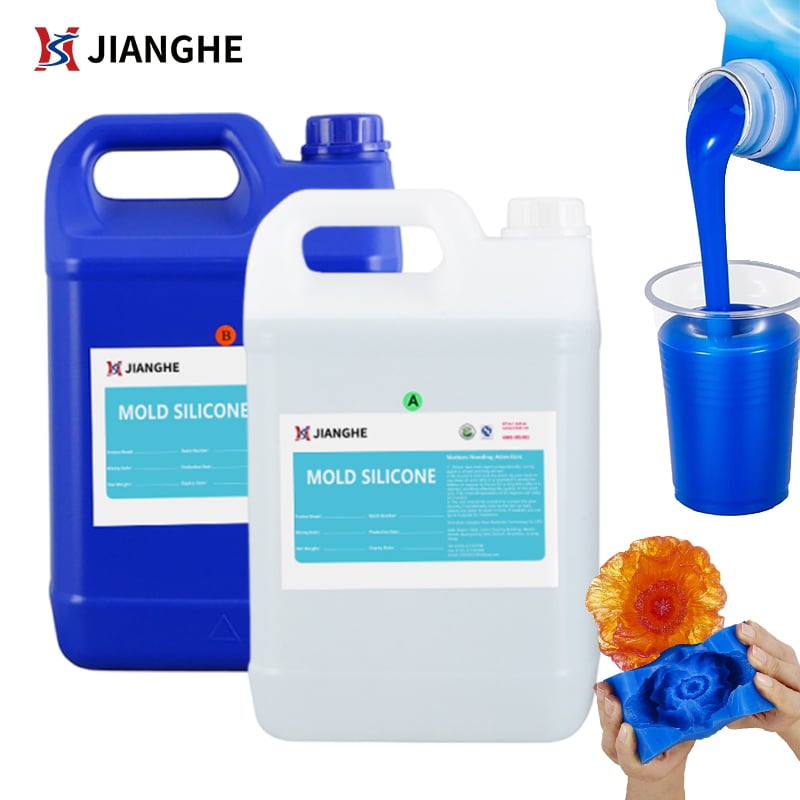
Ефективността на изработването на форми от течен силиконов каучук се дължи на уникалната комбинация от химични и физични свойства. За разлика от традиционните каучуци или термопластики, производство на форми от течен силиконен каучук започва като течна полимерна маса, която се втвърдява при контролирани температури и образува еластомери с постоянни размери. Тази трансформация позволява на производителите да възпроизведат фини повърхностни детайли, подрези и сложна геометрия без деформации или свиване, които биха намалили качеството на частта.
ЗАЩО Течен силиконов каучук Превъзходно възпроизвеждане на детайли
Превъзходно разрешение на повърхността и точност на размерите
Изработването на форми от течен силиконов каучук осигурява повърхностна обработка, която стандартните твърди материали за форми не могат да постигнат. Течната фаза прониква в микроскопичните повърхностни дефекти и конструктивните особености преди вулканизацията, гарантирайки точното пренасяне на всеки детайл в работната повърхност на формата. Тази характеристика прави изработването на форми от течен силиконов каучук задължително за индустриите, произвеждащи компоненти с високо естетическо качество, където външният вид директно влияе върху възприятието на клиента и стойността на продукта.
Размерната стабилност остава критична при прецизното производство. Изработването на форми от течен силиконов каучук показва минимално свиване след вулканизация — обикновено по-малко от един процент — в сравнение с уретановите или полиестерните алтернативи, които могат да се свият с два до три процента. Този нисък процент на свиване означава, че изработването на форми от течен силиконов каучук запазва геометрията на формовъчната кухина през целия си експлоатационен живот, осигурявайки последователни размери на детайлите при серийни производствени партиди от хиляди единици.
Елиминиране на въздушни джобове и празнини
Традиционните материали за форми често задържат въздушни мехурчета по време на подготовката, което води до дефекти, които се предават на крайните детайли. Изработването на форми от течен силиконов каучук решава този проблем чрез вакуумно дегазиране по време на смесването и заливането. При правилна подготовка изработването на форми от течен силиконов каучук практически напълно елиминира задържания въздух, което води до оптически прозрачни или полупрозрачни форми без никакви празнини, които биха могли да предадат дефекти на литите компоненти.
Предимства за издръжливост и ефективност на производството
Удължен срок на експлоатация на формите
Еластомерните форми, създадени чрез производство на форми от течен силиконов каучук, са много по-устойчиви на износване в сравнение с аналогични материали. Кръстосвързаният силиконов полимер притежава изключителна устойчивост на разкъсване, термична стабилност в диапазона от минус четиридесет до плюс двеста и двадесет градуса Целзий и химическа устойчивост към повечето производствени смоли и леярски състави. Тази издръжливост означава, че производството на форми от течен силиконов каучук оправдава по-високите първоначални инвестиции в материали, като осигурява хиляди производствени цикли преди да стане необходимо заместването им.
Икономиката на разходите по част подпомага изработката на форми от течна силиконова гума в сценарии за производство в средни и големи обеми. Една-единствена форма, изработена чрез използване на течна силиконова гума, може да произвежда идентични компоненти значително по-дълго време в сравнение с по-твърдите алтернативи, което намалява разходите за инструменти на единица продукция. Освен това еластичността на еластомерните форми позволява на производителите да изваждат сложни геометрии от формите, без да повредят нито формата, нито отлятата част, което допълнително удължава живота на формата и намалява процентите на брак.
По-бързи производствени цикли и оптимизиран работен процес
Изработването на форми от течна силиконова гума позволява бързи цикли в сравнение с традиционното създаване на твърди форми. Материалът се вулканизира при стайна температура или с кратко термично ускоряване, което позволява на производствените цехове да изготвят функционални форми за часове, а не за дни, както е необходимо при машинна обработка на метал или твърди пластмасови алтернативи. Това предимство по отношение на скоростта прави изработването на форми от течна силиконова гума особено ценено при итерации на дизайна, валидиране на прототипи или бързо реагиране на пазара, когато се изисква бързо производство на инструменти.
Свойства на материала, които определят успеха в прецизни приложения
Химическа съвместимост и универсалност при леене
Изработката на форми от течна силиконова гума демонстрира изключителна съвместимост с практически всички смоли за леене, използвани в промишленото производство. Епоксидни, полиестерни, полиуретанови и акрилови смоли се отделят чисто от повърхностите на силиконовите еластомери, което прави ненужни скъпите агенти за отделяне на формите, които с времето намаляват качеството на формите. Тази вродена антиприлепваща характеристика прави изработката на форми от течна силиконова гума предпочитаното решение за производители на изискани компоненти, при които остатъците от агенти за отделяне биха компрометирали адхезията, ефективността на покритията или крайната размерна точност.
Температурната устойчивост по време на процесите на леене отличава изработката на форми от течен силиконов каучук от конкуриращите материали. Докато повечето алтернативни еластомери се деградират или губят размерна стабилност при въздействието на екзотермичните реакции на отвръзване на смолата, силиконът запазва своята структурна цялост в целия температурен диапазон на отвръзване. Тази термична устойчивост гарантира, че изработката на форми от течен силиконов каучук остава предпочитаното решение за процесите на леене при високи температури и изискващите промишлени приложения, където другите материали просто не могат да функционират.
Гъвкавост и способност за изработване на форми с подрязани участъци
Възможно най-убедителната причина, поради която производителите избират изработването на форми от течен силиконов каучук, е способността му да възпроизвежда и запазва сложни подрязвания. Еластичността на еластомера позволява изваждането на компонентите от формата дори при обратен наклон, вътрешни подрязвания и сложни повърхностни особености, които биха задържали по-твърдите формовъчни материали. Тази възможност прави изработването на форми от течен силиконов каучук незаменимо за разработване на прототипи, малкосерийно производство и всички приложения, изискващи геометрична сложност, която не може да бъде осъществена с помощта на твърди инструменти.
ЧЗВ
Какво е типичното време за вулканизация при изработването на форми от течен силиконов каучук?
Стандартните продукти за изработка на форми от течна силиконова гума се вулканизират при стайна температура за период от четири до двадесет и четири часа, в зависимост от формуляцията. Производителите могат да ускорят изработката на форми от течна силиконова гума чрез прилагане на умерено топлинно въздействие; много системи постигат пълна вулканизация за един до три часа при температура от 150 до 180 градуса по Фаренхайт. Допълнителното термично обработване след вулканизацията допълнително оптимизира свойствата на формата и е широко разпространена практика в средите с висока производствена мощност, където пропускателната способност има значително значение.
Колко производствени цикъла може да издържи форма, изработена чрез технологията за изработка на форми от течна силиконова гума?
Формите, създадени чрез производство на форми от течна силиконова гума, обикновено издържат от пет хиляди до петдесет хиляди производствени цикъла, в зависимост от химическия състав на лея, силата за изваждане и сложността на детайлите. В комерсиалните приложения често се докладват значително по-високи бройки цикли, като добре поддържаните инструменти за производство на форми от течна силиконова гума работят над сто хиляди цикъла или повече. Дълголетието зависи силно от избора на средство за отделяне, техниката за изваждане и внимателното обращение по време на изваждане и съхранение на формите.
Може ли производството на форми от течна силиконова гума да се използва за леене на високотемпературни смоли?
Да, изработването на форми от течен силиконов каучук е специално проектирано за приложения с високи температури при леене. Силиконовият полимер остава стабилен по време на екзотермичните реакции на отвръзване на смолата, които биха повредили други материали за форми. Производителите често използват изработването на форми от течен силиконов каучук за леене на епоксидни смоли, производство на фенолни смоли и полиуретанови системи, които изискват последващо отвръзване при температури над 180 градуса по Фаренхайт, без намаляване на експлоатационните характеристики.
Съдържание
- ЗАЩО Течен силиконов каучук Превъзходно възпроизвеждане на детайли
- Предимства за издръжливост и ефективност на производството
- Свойства на материала, които определят успеха в прецизни приложения
-
ЧЗВ
- Какво е типичното време за вулканизация при изработването на форми от течен силиконов каучук?
- Колко производствени цикъла може да издържи форма, изработена чрез технологията за изработка на форми от течна силиконова гума?
- Може ли производството на форми от течна силиконова гума да се използва за леене на високотемпературни смоли?