שיטות יישום רב-שימוש ותוצאות מקצועיות
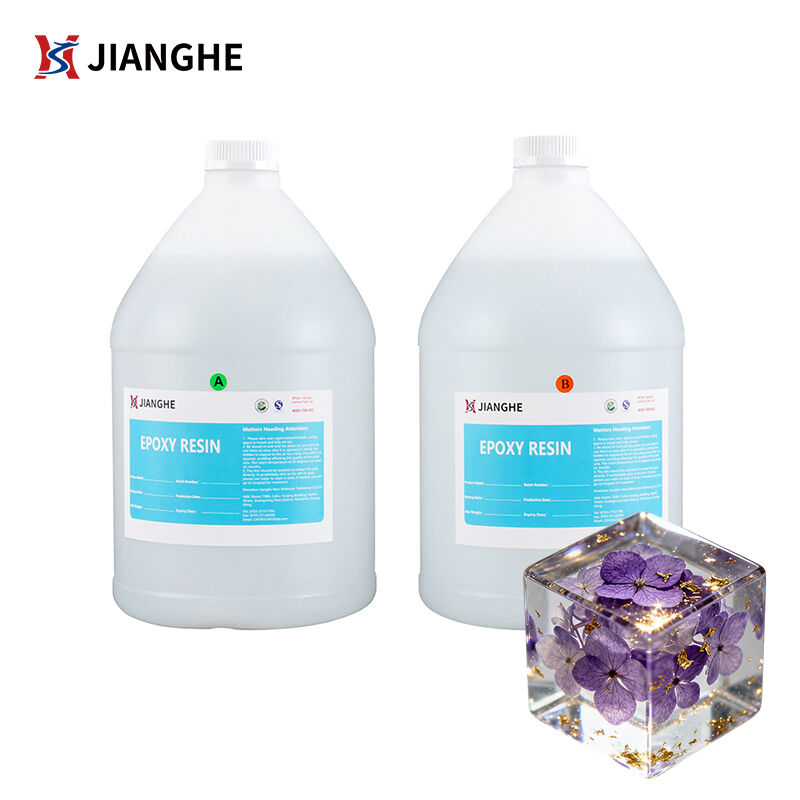
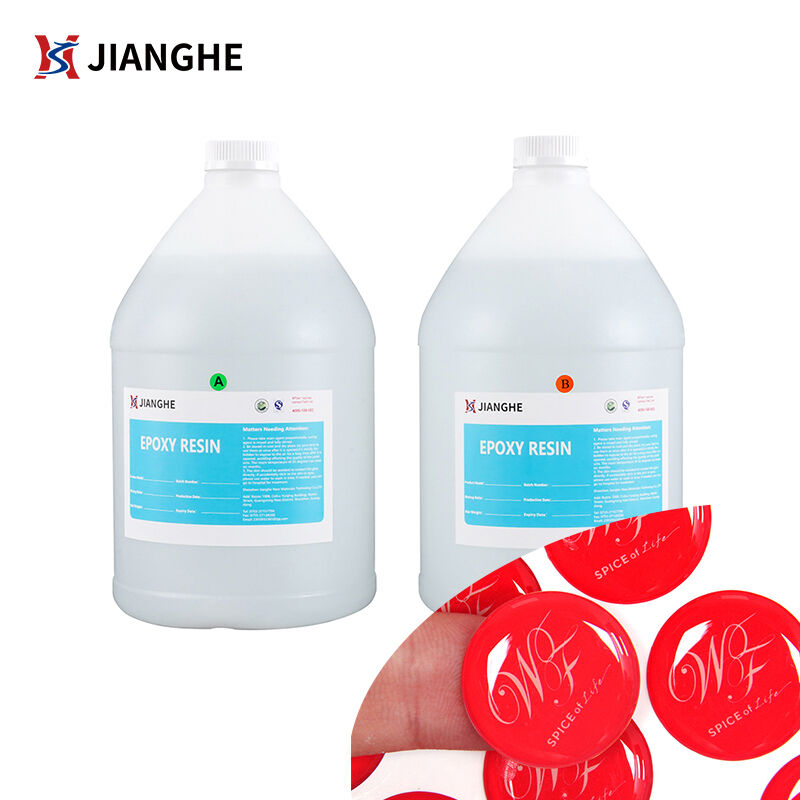
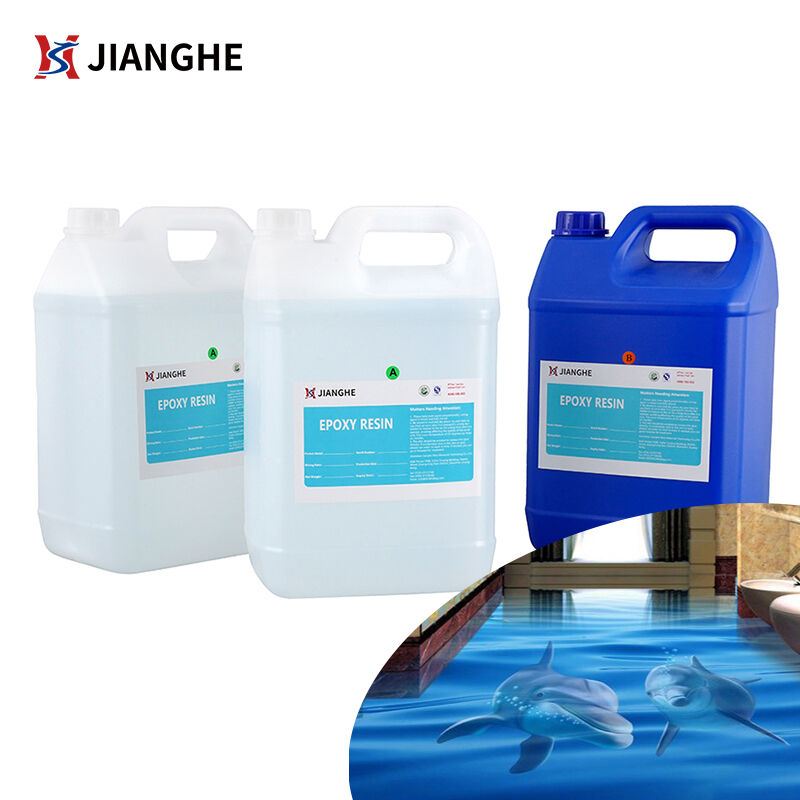
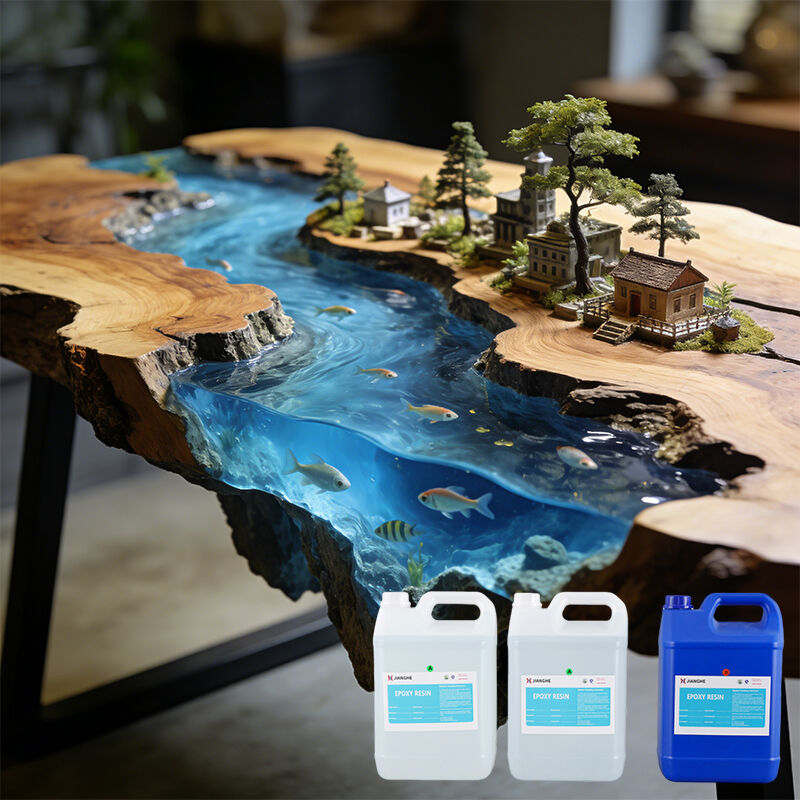
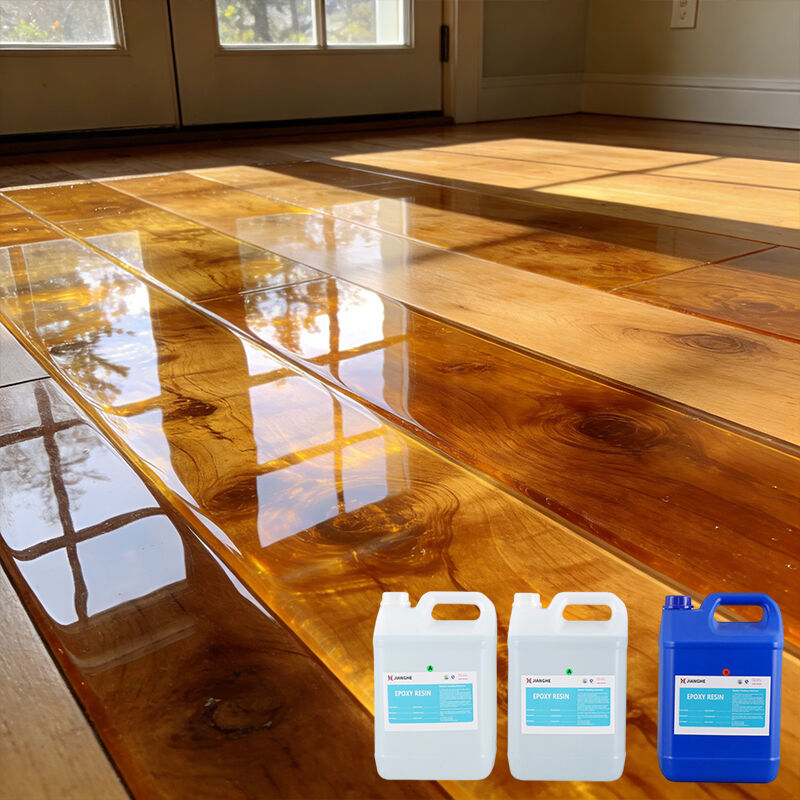
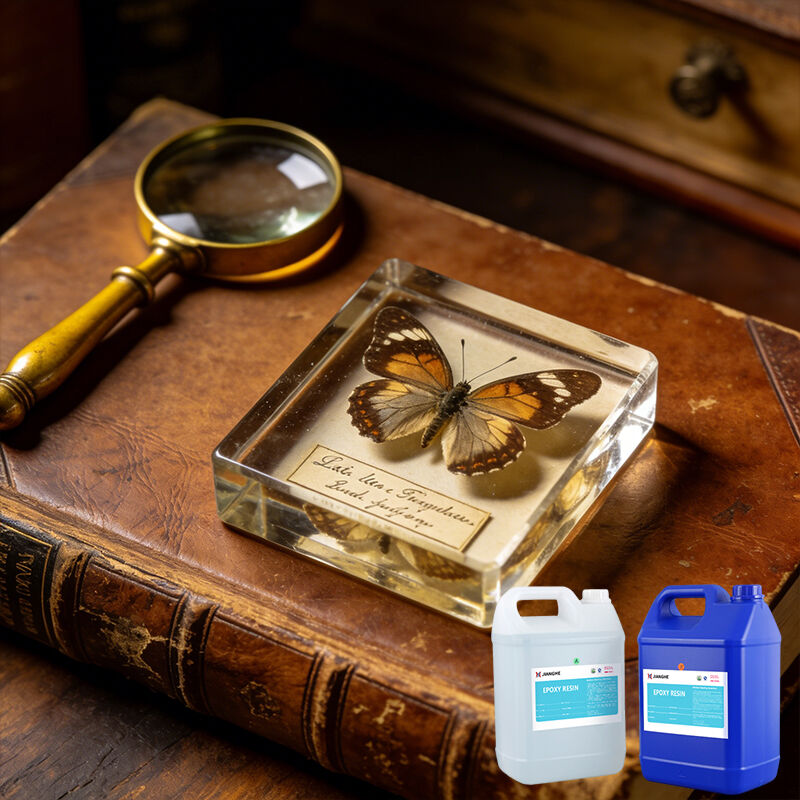
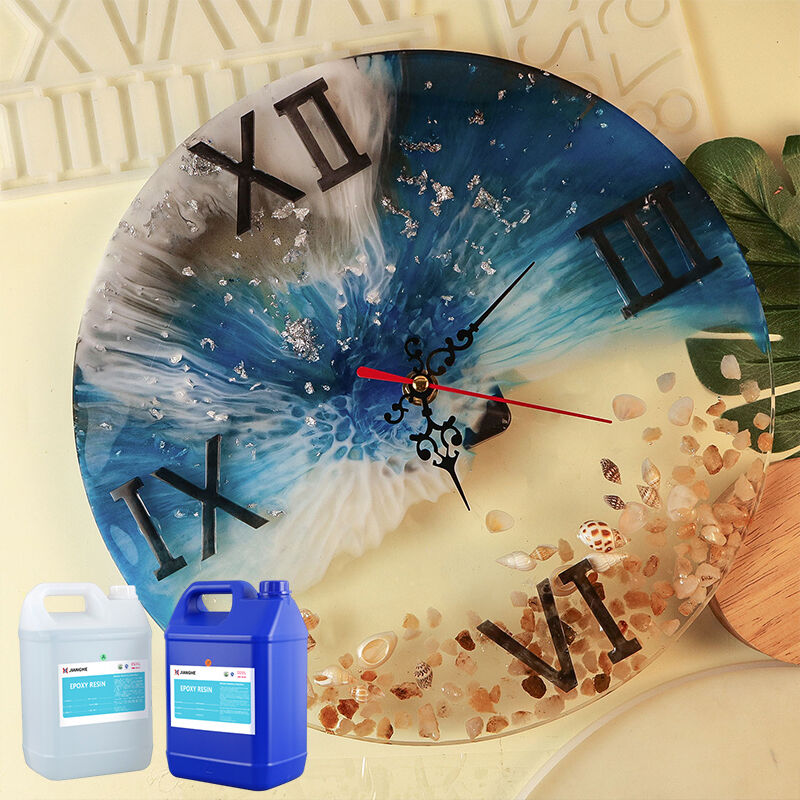
האפוקסי האידאלי לפיזור עמוק מתקדם בוויסותיות, ומסוגל לקלוט שיטות יישום שונות תוך כדי מספקת תוצאות ברמה מקצועית ללא תלות ברמת הניסיון של המשתמש. היכולת להסתגל נובעת מהויסקוזיות מאוזנת בקפידה, זמן עבודה ממושך ומאפייני עיבוד סלחניים המאפשרים תיקונים והieg'ות במהלך היישום. הרכב הויסקוזיות בתיחום בינוני זורם בקלות סביב מכשולים ולתוך פרטים מורכבים, תוך כדי נשאר דחוס מספיק כדי למנוע טפטוף מוגזם או זרימה על פני שטח אנכי. איזון זה הופך אותו מתאים ליישומים אופקיים, אנכיים ומיזמי תלת-ממד מורכבים, מבלי צורך בהרכב מוצר שונה. הזמן הארוך יחסית לעבודה, בדרך כלל 30–45 דקות בטמפרטורת החדר, מאפשר אפשרות רבה לערבב צבעים, למקם עצמים משובצים, להסיר בועות אוויר ולערוך התאמות לפני שהחומר מתחיל לגel. חלון העבודה הגשום הזה מפחית את הלחץ ומאפשר למשתמש להתמקד בהשגת תוצאה מושלמת במקום לרוץ נגד השעון. תכונות ההיגיון העצמי מבטיחות משטחים חלקים ושווים ללא סימני מברש או kếtURES של גלגלים המקושרות לעטיפות מסורתיות. למתחילים, זה אומר השגת מראה מקצועי ללא צורך בפיתוח כישורים מתקדמים ביישום. משתמשים מנוסים מעריכים את ההתנהגות היציבה שמאפשרת שליטה מדויקת על עובי, כיסוי ואיכות הסיום. אפוקסי הפיזור העמוק הטוב ביותר מקבל טווח רחב של צבעים, כולל צבעי נוזל, פיגמנטים בצורת אבקה, תוספים מתכתיים ואבקות מיקה, ומאפשר אפשרויות יצירתיות בלתי מוגבלות. החומר תומך גם במגוון חומרי הטמנה כמו פרחים מיובשים, מטבעות, תמונות, בד ואובייקטים דקורטיביים, מבלי להשפיע על איכות העיבוד או העוצמה הסופית. סבילות לטמפרטורה במהלך היישום מאפשרת ביצוע מוצלח של פרויקטים בסביבות שמתפרסות בין 65 ל-80 מעלות פרנהייט, מה שעושה אותו מעשי לרוב תנאי העבודה ובתי מלאכה. אין צורך בעיבוד נוסף על המשטח לאחר עיבודו – הוא יוצא משלב העיבוד עם סיום בריקוע גבוה ומשטח חלק שרבים מהמשתמשים מעדיפים על פני עטיפות עליונות מסורתיות. זה מבטל את הצורך בשלבים של סANDING, הPOLISHING או הדלקה, שמוסיפים זמן ומורכבות לסיום הפרויקט. התאימות של החומר עם מגוון תת-שכבות, כולל עץ, בטון, מתכת וסיומות קיימות, הופך אותו לערך מוסף בעבודות שיקום וApplications בנייה חדשות.

 EN
EN