
 EN
EN
Commercial facilities across diverse industries are increasingly turning to colored sand epoxy flooring as a superior alternative to traditional concrete and standard floor coatings. This shift reflects a fundamental change in how facility managers prioritize durability, aesthetics, and long-term value. The trend goes beyond mere appearance—it stems from tangible performance advantages that directly impact operational efficiency, maintenance costs, and workplace safety.
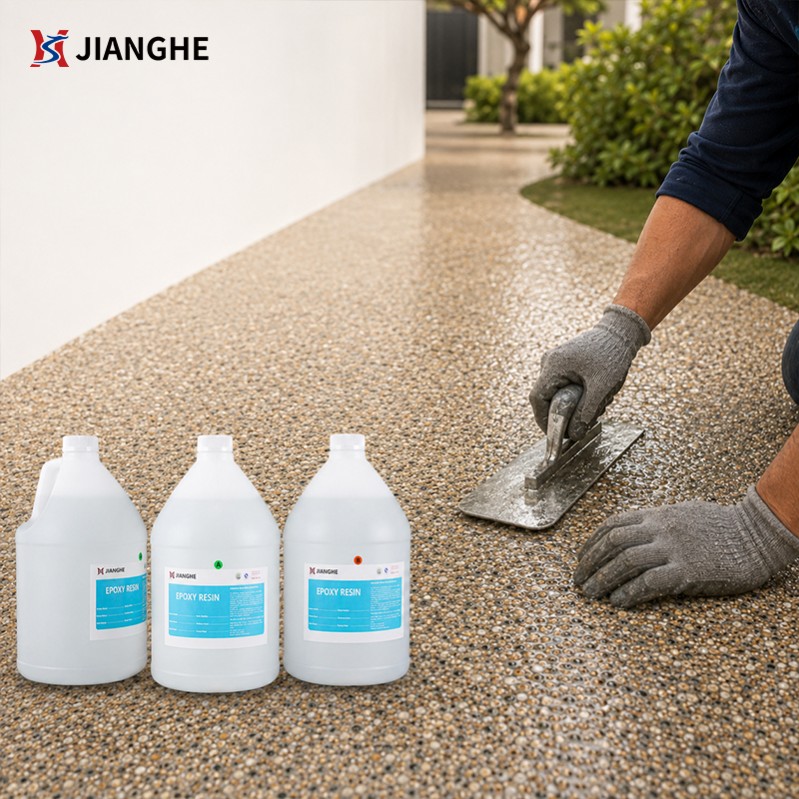
The adoption of epoxy resin-based floor systems represents a practical response to demanding facility environments. Whether warehouses, manufacturing plants, pharmaceutical cleanrooms, or retail spaces demand higher performance standards, epoxy resin technology delivers measurable results. Facility leaders recognize that investing in quality floor coating epoxy systems reduces downtime, extends floor lifespan, and improves aesthetics—factors that collectively enhance workplace reputation and operational continuity.
Superior Durability and Longevity Benefits
Extended Lifespan Compared to Conventional Flooring
Colored sand epoxy flooring systems demonstrate exceptional resistance to heavy foot traffic, rolling loads, and chemical exposure—conditions that quickly degrade standard concrete. The epoxy resin matrix creates a dense, non-porous surface that resists moisture infiltration, preventing the concrete spalling and deterioration that plague untreated floors in wet or corrosive environments. Commercial facilities report that properly installed epoxy resin floor coatings maintain structural integrity for 10–15 years or longer, compared to 3–5 years for unsealed concrete or basic coating resin alternatives.
Chemical and Impact Resistance
Industrial and pharmaceutical facilities depend on floor coating epoxy systems that withstand aggressive chemicals, oils, solvents, and thermal shock. The colored aggregate embedded in the epoxy matrix provides additional structural reinforcement and distributes impact loads more effectively than smooth coatings alone. A resin manufacturer designing commercial-grade systems incorporates UV stabilizers, anti-slip additives, and high-build formulations to ensure the coating resin performs reliably under extreme conditions while maintaining both safety and durability standards.
Aesthetic and Functional Versatility
Customizable Design Options
One key driver of adoption is the design flexibility that colored sand epoxy flooring provides. Facility managers can select from a wide spectrum of colored aggregate options, allowing floors to reflect brand identity, support wayfinding, or create distinct zone markers within open layouts. Unlike monolithic concrete, epoxy resin floor systems allow creative expression without compromising performance. This combination of beauty and function addresses a long-standing facility challenge: environments that must be both highly functional and professionally presented.
Enhanced Safety and Visibility
The textured surface of colored sand epoxy flooring improves slip resistance significantly, reducing worker injuries in high-traffic or wet areas. Facilities in food production, pharmaceuticals, and manufacturing prioritize this safety enhancement because it directly reduces liability and lost-time accidents. The coating resin technology also allows for anti-static properties and high visibility borders, enabling warehouses and logistics centers to mark emergency exits, equipment zones, and safety corridors with embedded epoxy resin systems that remain integral to the floor surface rather than applied as temporary markings.
Total Cost of Ownership and Operational Efficiency
Reduced Maintenance and Lifecycle Costs
Commercial facilities quickly realize that floor coating epoxy systems lower total cost of ownership through dramatically reduced maintenance requirements. The non-porous surface of epoxy resin floors prevents dust and debris from settling into micro-cracks, minimizing cleaning time and janitorial resources. Spill containment improves because liquids sit on the surface rather than absorbing into concrete, enabling rapid response and preventing subsurface contamination. Many facility operators report 30–40 percent reductions in floor maintenance labor after transitioning from bare concrete to colored sand epoxy flooring.
Minimal Downtime During Installation and Repair
A resin manufacturer equipped with modern application technology can install complete epoxy resin systems in 2–4 days, allowing facilities to resume operations quickly without extended shutdowns. Unlike traditional floor replacements that may require weeks of disruption, coating resin solutions minimize operational impact. If damage occurs to a localized section, spot repairs integrate seamlessly with existing epoxy resin flooring, and modern formulations cure rapidly, enabling same-shift return to service in many cases. This operational flexibility is especially valuable for 24/7 facilities that cannot afford extended floor rehabilitation periods.
Environmental and Health Considerations
Compliance and Safe Working Conditions
Facilities subject to strict environmental and occupational health regulations benefit significantly from modern epoxy resin systems. Contemporary floor coating epoxy formulations meet low-VOC standards, reducing airborne volatile organic compounds during and after installation. Pharmaceutical, food processing, and electronic manufacturing environments particularly value this compliance advantage because regulatory agencies monitor air quality and worker exposure. A resin manufacturer committed to industrial-grade performance ensures that colored sand epoxy flooring meets or exceeds OSHA, FDA, and ISO standards specific to each facility type.
Sustainable Floor Solutions
The extended lifespan of quality epoxy resin flooring systems translates directly into reduced replacement waste and lower environmental impact over time. Because coating resin products cure and harden permanently rather than degrading, facilities avoid the cycle of repeated temporary patches and complete floor replacements that characterize aging concrete. Some manufacturers now incorporate recycled aggregate materials into their epoxy resin formulations, allowing facilities to support sustainability goals while maintaining high-performance flooring standards.
FAQ
What makes colored sand epoxy flooring more durable than standard concrete?
Epoxy resin creates a dense, chemically cross-linked surface that bonds firmly to concrete substrate, preventing moisture infiltration, chemical penetration, and freeze-thaw damage. The embedded colored sand aggregate reinforces the epoxy resin matrix and distributes mechanical stresses more effectively than bare concrete, resulting in superior resistance to cracking, spalling, and wear. This floor coating epoxy construction delivers 10–15 year lifespans in demanding environments where unsealed concrete fails in 3–5 years.
Can colored sand epoxy flooring be customized for specific facility requirements?
Yes, a resin manufacturer can formulate coating resin systems with custom aggregate colors, sizes, and distributions to match facility branding, safety requirements, and aesthetic goals. Anti-slip properties, anti-static capabilities, and embedded wayfinding markers can be integrated into the epoxy resin system during application. This customization flexibility allows colored sand epoxy flooring to serve both performance and visual identity objectives simultaneously.
How quickly can a facility return to normal operations after epoxy flooring installation?
Most commercial epoxy resin flooring systems achieve full cure within 24–48 hours, enabling light traffic resumption within 2–3 days of application. Modern fast-setting floor coating epoxy formulations allow full operational capacity in 5–7 days. This rapid installation and cure timeline means colored sand epoxy flooring projects rarely require extended facility shutdowns, making the total cost of ownership significantly lower than traditional floor replacement methods.